There’s lots of exciting looking telly this Christmas, and we’ve sneaked a peak at a couple of shows to sample the festive delights. Philomena Cunk – the alter-ego of Diane Morgan – returns with her own festive special, Cunk on Christmas, on 29th December. But is it as good as the last one?
Christmas is traditionally a time of hope, a time of joy, and a time of giving and receiving. 2016 hasn’t given people much luck with any of that so far, but in a year plagued by political nightmares, war-torn lands and countless celebrity deaths, one of life’s small joys has been the blossoming of Diane Morgan‘s profile.
Recent roles in Motherland, We the Jury and Rovers have been critically acclaimed, and audiences have lapped them up with good reason. But while Motherland is set for a full series next year, it is as Philomena Cunk – the hapless documentary presenter Morgan has been portraying for the last three years – where Diane has been responsible for one of the few truly great things about 2016, with her Cunk on Shakespeare special back in April.
Morgan, of course, is only part of the story, with Nathan Barley creator Charlie Brooker once more writing the lion’s share of the gags alongside regular collaborators Jason Hazely and Joel Morris, who between them have written for the likes of Murder in Successville, It’s Kevinand That Mitchell and Webb Look, as well as being responsible for those mega-selling Ladybird parodies that everyone and their mum got for Christmas last year.
But it’s material that could fall down in the hands of a less capable performer, and quite often, Morgan sells a punchline without saying a single word. It’s a testament to the three writers and one actress that their styles gel together so magnificently, and Cunk is fast becoming one of television’s greatest comic creations as a result.
They say that sometimes less is more, and drip-feeding Cunk’s appearances with these one-off specials is helping to keep the character fresh. We’ve yearned for more of Philomena’s inimitable wisdom for months, and now that she has returned with her unique take on Christmas, it’s safe to say the results are worth the wait.
It is, of course, hard to reveal too much about the special without spoiling that first viewing, but what we can say is that it takes the notion that Christmas is for everyone (even Jedis, Wombles and Richard Dawkins) and uses this as an opportunity to examine every possible aspect of the holiday season.
As such, Philomena embarks on a potted history tour, starting with the Pagans, whom Cunk realises have a lot in common with a certain longstanding BBC presenter, and their traditional festivities around the Solstice, before God came along and stole all the fun via his magical ghost sperm. We visit Christmas in the middle ages, with Cunk asking a historian if the people of the period knew they were halfway through time or not, and then take a sideways glance into Christmas music via carol singers and Slade, whose infamous loudness is given a wickedly savage explanation.
There’s the dawning realisation that Oliver Cromwell, who banned Christmas, led a civil war that divided the nation down the middle (where’ve we heard that lately?) and how Jesus couldn’t compete with a jolly fat bloke who judged a child’s goodness based largely on parental income. Then we dive through Victorian ‘batshit’ Christmas, Scrooge the man rather than the McDuck, the legendary game of football played in the trenches on Christmas Day 1914, and through to modern day Christmases, where scientists now believe eighty percent of all burps are created.
Naturally, this being Cunk, we’re privy to a lot of telly and movie talk too, as obligatory Christmas specials and the joy of December 25th in Walford become easy targets for a Philomassacre, and she, like many, is in no two minds about what the greatest Christmas film of all time is. Some of you will be punching the air at that one…
Finally, with our Christmasses becoming ever more fragmented and dominated by screens of various sizes, Philomena reaches deep inside to discover the true meaning of Christmas. And if you want to know what that is, you’ll have to tune in!
As to be expected from Cunk by now – if you love her awkward interviews, her round-the-houses logic, and oddly acute similes you’d never have thought of yourself, this is an absolute hoot. It’s unlikely to convince anyone who hasn’t enjoyed the big joke so far, and it’s arguably not as snappy or as focused as the previous Cunk on Shakespeare special, suggesting that the character and her material work best when they have a more clearly defined target (or are presented in short enough bursts that the fumbling around isn’t given time to actually fumble).
Yet Morgan, Brooker, Hazely and Morris have an incredible hit-rate, so even when a gag falls short, it’s soon replaced by ten more that make you forget all about it. Watching Philomena Cunk is a little bit like watching Rich Fulcher do stand-up… you laugh your head off so much that, ten minutes later, you can barely remember half the gags that had you guffawing, and what’s more, when you try and re-tell ’em you fall flat on your face without that unique delivery. The best part is that means you can go back to rewatch the show at a later date and rediscover those gags all over again. And with Cunk on Christmas, a lot of you will want to revisit it every Christmas from hereon-in.
Cunk on Christmas airs on Thursday 29th December at 10pm on BBC Two, preceded by Charlie Brooker’s 2016 Wipe, which also features Philomena Cunk.
It’s October, so there are naturally ghosts and ghouls everywhere. But on 19th October, three very special spooks return – as Marley’s Ghosts begins its second series on Gold.
Sarah Alexander returns as Marley – a magistrate haunted by her husband, her lover, and a local vicar, played by John Hannah, Nicholas Burns and Jo Joyner respectively. But is it any good? TVO took a look at the first two episodes of Series 2 to find out.
Where do sitcoms go after they die? For many years, the answer to that could quite easily be UK Gold, which has been providing a second life for the nation’s most loved comedies since 1992. Yet, when the channel was rebranded Gold in 2008, and the repeats of Doctor Who, Planet Earth and Who Do You Think You Are were shunted over to sister channel Watch, there’s been a change afoot within the channel, and now UKTV is one of the best places a sitcom can live.
The shift began when UKTV G2 (a clunky name for a backup channel if ever there was one) became Dave, and began showing a fresher wave of alternative comedy than its more traditional counterpart. Following the runaway success of Dave’s revival of Red Dwarf, the channel has been developing its own original content to such great acclaim that it was only natural the older sibling would want a part of the action.
Thus, the last few years have seen Gold testing out several shows of its own, including sitcom mini-series The Rebel and Bull, and the occasional revival for The Comic Strip Presents team. The closest the channel has come to a bonafide hit, however, and the first to get a full series commission as a result of a taster run, is Marley’s Ghosts– 2015’s highly acclaimed three-parter written by former Comic Strip star Daniel Peacock, featuring Sarah Alexander as a woman haunted by the ghosts of her husband (John Hannah), her lover (Nicholas Burns), and the local vicar (Jo Joyner).
With more than four times Gold’s regular audience tuning in for the first episode, it’s no surprise to see the show back for six more, and it would be very easy for the team behind it to rest on their laurels to create more of the same. And, to some extent, there’s an understandable feeling of ‘if it ain’t broke, don’t fix it’ about this sophomore outing, even if there has been a bit of a structural overhaul.
It’s not just a case of slapping a new title sequence on and making the ghostly apparition effects a little swishier whenever one of Marley’s three spooks turns up mid-scene. Writer Daniel Peacock and his cast now know these characters better than before, and having already worked out all the establishing detail they need to make an audience buy into the concept, they can make a clean slate of just producing a funny sitcom instead, utilising the show’s off-kilter premise to craft stories a more traditional concept would never allow for.
With the renewed energy comes new surroundings. Marley starts this series in a brand new home, which does have the downside of the series losing the talents of the brilliant Mina Anwar as now-former neighbour Tina. The change of scenery does, however, give us a whole new set of people to observe Marley’s seemingly baffling habit of talking to thin air (in actually her three troublemaking spirits), including the criminally underrated Elizabeth Berrington (Camping, Psychoville) as new neighbour Jill, and – for you Whovians out there – Anwar’s Sarah Jane Adventures predecessor Juliet Cowan as Marley’s needy sister Aby.
As for the central cast themselves, they remain as flawless as ever. Sarah Alexander – an unsung comedic talent if ever there was one – convincingly handles the kooky misadventures that having, in essence, three imaginary friends can bring upon a person, and is thankfully allowed to be just as funny as her ethereal lodgers. The rivalry between John Hannah’s Adam and Nicholas Burns’ Michael has been toned down this season: they still try to one-up each other, but the end result is less irritating, and more playful than before. And as the Vicar, Jo Joyner is a scene-stealing, sound-effect making, dancing ball of energy it’s hard not to adore.
It’s clear there’s a great affection between the cast off-screen, which makes them a hugely engaging quartet to spend time with, even when some of the situations they find themselves in are down to their own stupidity, or push the boundaries of credibility. A few of these – such as magistrate Marley opening talking to the ghosts in the middle of her courtroom, or clearly flirting with a police sergeant whilst he is giving evidence – push a little too far, reminding you that, for all the good work building a believable world for its characters to inhabit, this is a fanciful sitcom which doesn’t quite feel like reality. That’s a great shame, because the combination of pitch-perfect slapstick, witty dialogue and at times genuine pathos which only a show with this kind of set-up can pull off, manage to combine so beautifully that the occasional logic flaws feel shoehorned in.
For example, in the opening episode Dead Man’s Chest, Michael sees his ex-wife in court and decides to follow her home without telling the others. Adam and the Vicar are understandably curious, and go to great lengths to find out what he keeps in his locked trunk that Marley looks after. Later, Marley is roped in to explain Michael’s feelings for his former love to the woman herself, and the results tie in magnificently with the banter that has been bouncing between the three ghosts throughout the episode. This is hardly a new concept in fiction of any kind, least of all television, but it works brilliantly because, by this point, we care about these characters and enjoy watching them, and to his great credit, Burns plays his conflicted self-torture magnificently.
And yet, the neighbourhood watch sub-plot, in which Marley inevitably makes a prat out of herself publicly because she’s handling three ghosts at the same time as trying to impress, never quite feels like it belongs in the same piece. In part, this is because the watch are such a caricatured bunch of snoopy pensioners (with only one member really characterised as anything other than ‘meat in the room’), that it feels like someone dialled this storyline in from an episode of Keeping up Appearances, and the sequence of events which lead up to her eventual, unavoidable embarrassment feel forced as a result.
There’s an equally strange vibe about a core concept within episode two, Fit, in which Marley’s niece, Mia, is dumped upon her for the night and sneaks out to a club. Marley is mocked, repeatedly throughout the episode, for looking old and unattractive, much as she was at the end of the first series, but one can’t help wonder if this routine would work a lot better with an actress who didn’t look as naturally glamourous as Sarah Alexander!
It must be stressed that these are petty gripes, and episode two is a masterclass of tying up several disparate strands – Marley’s need for acceptance into her community, her relationship with her stroppy niece, Adam & Michael’s girlie night out with ladies who can’t see them, and the Vicar letting her hair down for the first time – into a deliciously well-honed script that is perhaps to be expected from a talent like Peacock. Though, again, there’s an entire sequence in which Marley is allowed to talk to a ghost in her courtroom without anyone reacting beyond looking at her with confusion.
And that’s the rub, really. When the brilliant concept and the sensational cast are fused with a complete jigsaw, the final product is hard not to love. When there’s a piece or two out of place in a scene, and it is often a background character just inhabiting a space rather than reacting to what they’re seeing, then it threatens to pull you out of the illusion.
Make no mistake: this is a great show, nicely shot and lovingly put together, so these irritations can be glossed over, and allowances made for the kinks. But if they were just ironed out a little, we’d have a bonafide classic on our hands. Look past them, and you’ve got a brilliant sitcom here. Fail to switch off the voice in your head telling you this could be tweaked slightly and be much more enjoyable, and you’ll be joining me hoping third time’s the charm for this genuinely fun and witty sitcom, and that there will be plenty more where these came from.
Marley’s Ghosts airs every Wednesday at 10pm on Gold, from 19th October to 23rd November. The complete First and Second Series are available to pre-order on DVD now, for release on December 26th.
This week sees the BBC continue to celebrate classic comedy with a host of one-off specials, including a recreation of a long lost episode of 60s smash Till Death Us Do Part with Simon Day appearing as Alf Garnett.
I took a sneaky look at the special to see how it measures up.
What can be said about the character of Alf Garnett, that hasn’t already filled dozens of academic textbooks, in-depth critique and a gazillion talking head panel shows with titles like I Love the Best Top 100 Greatest Characters Ever!?
Created by acclaimed scriptwriter Johnny Speight a solid decade into a writing career that had already clocked in work with Eric Sykes, Hattie Jacques and Spike Milligan, Alf – so perfectly brought to life by highly acclaimed thespian Warren Mitchell – first appeared on British television in 1965, and would keep on reappearing on screen until 1992.
The closest comparison one can make, perhaps, is with Alan Partridge, and even then – Steve Coogan’s creation has only appeared in about half as many hours of television, to a fraction of the audience. And perhaps, like Alan, Garnett works because in spite of his enormous flaws (including in Alf’s case a then groundbreaking level of un-closeted bigotry usually being made to look as immoral as it actually is), he’s someone the audience ultimately roots for. Perhaps they wouldn’t in 2016, but for almost three decades, he was a ratings winner.
And so, these are big boots to fill, and rather than come up with a new story for Alf, BBC 4 has turned its attention to a lost 1967 edition, and plonked Fast Show and Brian Pern star Simon Day in the lead role.
To his credit, Day works well with what he’s given: a sitcom script written almost 40 years ago, and without the groundwork of 13 previous editions, he and the rest of the cast just hit the ground rolling. Alongside Lizzie Roper (Dead Boss, This is Jinsy) as his long suffering wife Else, Sydney Rae White (Uncle, Starlings) as his put-upon daughter Rita, and Carl Au (Waterloo Road) as Rita’s wisecracking boyfriend Mike, Simon slips into the role with ease, which is no small feat considering the shadow of Warren Mitchell looms large in the memory.
The plot, for what its worth, is incredibly simple. Alf’s been working late, while Else and Rita have been up the pictures, and accidentally burnt his tea. Coming home with fish n chips, they find a petulant Alf unhappy about the lack of food in his belly, and expecting something to be done about it.
What follows is a series of unfortunate events for Garnett – who is seemingly too lazy to walk to the chip shop himself – primarily surrounding the phone box outside his house, which is Alf’s best shot at getting some skate before the chippy closes for the night.
Unfortunately, this outdated set-up works against the production, reminding audiences how much our day to day lives have changed in 40 years – and not just with the advent of mobile phones and, dare we say it, Just Eat and Deliveroo. This is hardly one of the series’ gems, and Alf, for all his bluster, is fighting a losing battle that, in this instance, doesn’t even feel remotely logical. There’s no part of his misfortune that he couldn’t have avoided himself, which inevitably makes him appear not just a spoilt oaf of a man, but an inherently unlikable and outright offensive one too. And in their taunting of Alf as they munch down on their chips, Else, Rita and Mike appear almost as unsympathetic, as if they’re only behaving that way to get Alf into another of his frequent and unwelcome rants.
That vibe is only accentuated by the production’s decision to present this ‘Lost Script’ on a barebones set: with wire-frame walls that further demonstrate the theatrical nature of proceedings. There’s a lot to be said for sticking so closely to the original script, and presumably following the original camera script as much as possible too: the results are a faithful recreation of what the BBC lost decades ago, and that’s a laudable approach from director Ben Gosling Fuller (Ideal, Marley’s Ghosts, The IT Crowd). Sadly, in doing so, the outdated story, characters, and worst of all – the gags – are only made all the more obvious. Interestingly, the episode chosen doesn’t have any of Alf’s now infamous bigoted remarks in it, but he’s still a misogynist whose only comeuppance is being called a git, and maybe going hungry for an evening while his unfortunate family have a laugh at his expense.
In the end, if you’re a fan of the original Till Death Us Do Part and simply want to ‘see’ an episode you’ve long since been denied the opportunity to watch, then this special will tick all the right boxes. A strong cast deliver the material faithfully, and respectfully, and there’s certainly an argument for more of these scripts to be revisited in the future, in much the same way Radio 4 have been filling in the gaps in Hancock’s Half Hour and BBC Worldwide began (and sadly halted) animating missing episodes of Doctor Who to the original audio recordings.
But if you’re coming to this with fresh eyes, unaware of the legacy of Till Death… and the power of Alf Garnett at his peak, what you’ve got is arguably one of the weaker scripts in the series, brought back to life as an off-kilter curio that does neither the show, nor the highly talented performers, any real favours. A lost opportunity, perhaps – but as a gap-filler, this is a noble attempt at filling in a hole in the show’s chequered, but illustrious history.
Lost Sitcoms: Till Death Us Do Part airs on BBC 4 at 9pm on Thursday 1st September.
The Edinburgh Fringe is now officially over for another year, and as the city cleans away the chaos that millions of flyers and hundreds of shows leave behind, we thought it would be a good time to reflect on TVO related involvement in an epic Fringe run.
Working on The Velvet Onion can, at times, feel a little strange. And not just because you might find yourself in unusual situations like pointing a camera at someone wearing nothing but briefs, a Hawaiian shirt, a swimming cap covered in dots and a pair of bright blue prosthetic breasts… though that particular memory does perhaps remain the oddest moment of the last six years or so.
What really makes it unusual is the symbiotic nature of our relationship with the majority of artists we feature on our pages. We are, in part, a news outlet: a place designed to report the general goings-on of this weird and wonderful crowd of regularly collaborating comic talents that make up ‘New Wave Comedy’. But it’s fair to say that, to some extent, we are also a promotional tool – willing, able and frequently deployed as a collaborative platform that allows these creatives a place to demonstrate their work directly to their fan-base, and to those of a similar mindset who will be likely to appreciate the results.
As such, TVO decided that running reviews of this year’s Fringe shows (and indeed, previous years for that matter) was at odds with the reality of our situation. The two of us who manage to get up there this year did our best to cram in as many TVO related shows as possible during our short. But we were there to offer moral support, not critique. If we liked the shows, then whatever praise we gave would only be furthering the promotional nature of our pre-Fringe interviews and preview pieces. And if we didn’t like them for any reason – well, we’d be doing the shows, and their creators, a disservice. And deep down, for all our previews and reviews over the years, we feel it is always better for our readers to see the shows themselves and make up their own minds.
Now that the Fringe is over for another year, we couldn’t help but reflect on what has been a critically acclaimed run for just about all of our regulars who took a show to Edinburgh in 2016. Rave reviews came flooding in for Katy Brand, Sarah Kendall, Colin Hoult, Adam Kay and Lou Sanders in particular, while established big-hitters Tony Law and Paul Foot also won over critics and audiences alike once more.
For many, this was a year of reflection. Katy Brand was back at the Fringe for the first time in more than a decade with a starkly confessional show, I Was a Teenage Christian, in which she explained ‘what a dick’ she was as a God-bothering teenage Evangelist. Audiences were more used to seeing Brand hide behind dozens of exaggerated characters, but here they were faced with (at least a version of) the real Katy: and understandably liked what they saw.
The most surprising aspect of Brand’s show, perhaps, was that actual full-blown written gags in a traditional sense were few and far between. Instead the humour – and there was lots of it – came from the absurdity of her real experiences, and Brand’s charming acceptance that she’d made a series of terrible mistakes. That these mistakes only got worse until she made the inevitable decision to get out of an insane situation was something a lot of audience members could easily identify with, and the sheer chaos that unfolded around her was understandably hilarious in retrospect.
Every day, Katy walked out in front of that audience in a packed out, sweat-filled room atop Pleasance Courtyard, and engaged the crowd with a natural charisma that would win over (almost) everyone. At times, there were a few moments which were a little rough around the edges, but these only served to enhance, rather than detract from, the general warmth in the room, and TVO can’t wait to see what Katy does next.
Perhaps she’ll follow in the footsteps of Sarah Kendall, whose new hour Shaken was the third and final part of a confessional series of live shows soon to be adapted for BBC Radio 4. Like Brand this year, Kendall returned to Edinburgh three years ago following a lengthy absence, and via a complete revamp of her comedic output. One trilogy later, she’s firing on all cylinders with arguably her finest work yet.
TVO was lucky enough to catch an early preview of Shaken in Manchester back in June, and while most of the major beats were in place at that point, the finished show at the Fringe had been dramatically overhauled to be smoother, more involving, and altogether less esoteric and fantastical than it was before.
By telling a tale of her time as an awkward teen desperate for friendship, Kendall has tapped into a theme of isolated youth that so many of us face at some point in our early lives, and the resulting tale of one-up-man-ship expands time and time again towards an ending that is both deeply rewarding, and surprisingly emotional.
That’s a feeling that also extended to Adam Kay‘s new show, even with its puntastic (and potentially offputting) title Fingering A Minor on the Piano. Another confessional piece, Kay’s new hour draws upon his real life experiences as a young doctor prior to his career in comedy, which ended dramatically just over six years ago.
For a solid fifty minutes or so, Kay fuses (we hope ‘heightened’) extracts from his diary of the time with a series of original ditties and musical parodies with medical themes. As to be expected from a man who wrote for Mongrels, and as anyone who is familiar with Kay’s Twitter feed will attest to, the gags are both savagely witty and wittily savage. At times, he pushes the absolute boundaries of what society deems ‘acceptable’ to say, and then brings the room back with a round of ‘Guess the ailment’ to the tune of Leonard Cohen’s Hallelujah.
But as bitingly brilliant as his comedy is, it’s the final ten minutes of the show – in which Adam explains the horrendous events which led to his departure from practising medicine – which stick in the mind, and reduced many an audience member to tears. It would have been interesting to drop a pin during this stark climax every night, because there’s almost certainly a guarantee everyone in the room would have heard it. And that’s a testament to the brilliance of Adam’s show. He can get away with the sudden switch and still have audiences on his side at the end of it all.
Another show fusing serious themes with comedy was Colin Hoult‘s new hour – A Sketch Show for Depressives. And with his previous work being so phenomenal, the bar is set incredibly high for what turns out to be a rather an unusual beast that, if we’re brutally honest, doesn’t quite live up to the standards Hoult has previously set, albeit only by the tiniest of whiskers.
In the past, Colin’s Fringe shows have been fronted by a version of himself, quite often a sinister ringmaster type who introduces a variety of ghastly grotesques for an audiences edification. This year Hoult has focused the show primarily around his popular character Anna Mann: a spinster actress whose resume is principally made up of obscure theatre pieces and cult horror films. To this extent, perhaps Anna is another extension of the man himself – but the choice to focus so much time on one character means that the handful of new faces that we see (all, bizarrely ‘played’ by Anna, not Colin), are fewer in number than ever before, and don’t quite register to the same extent as they perhaps could have.
That’s not to say the show isn’t a hoot, however – far from it. Colin is a master of his craft, and his gag rate is phenomenal. As with previous works, his interactions with the crowd are a joy to behold – pulling the audience into the show rather than humiliating them from on-high, and there’s absolutely no doubting his ability to work every nook and cranny of the room. There’s also a huge amount of pleasure to be had from watching him develop Anna Mann into a more three-dimensional portrait, and ‘her’ interactions with the supporting cast (fellow comics Tom Greaves and Andrew Bridge) are deliciously naughty. The show may not quite be as ‘perfect’ as we’re used to from Colin, but there’s no denying this is still a treat that’s miles ahead of the pack. As the great Anna Mann herself would say: ‘Fuck off, we love you’.
With so many of Edinburgh’s big shows this year tackling serious themes, there’s something incredibly refreshing about Lou Sanders barely contained chaos. A force to be reckoned with, Lou’s latest show, What’s That Lady Doing? at times feels like Sanders is barely in control of events, and is making it up as she goes along. But make no mistake of it: that’s all part of the illusion. Like Eddie Izzard before her, and, dare we say it, the Boosh – Sanders works best when she’s allowed to seemingly “run free”, and when her audience goes with her, the flights of fancy she’ll take them on are like nobody else on the circuit.
Indeed, in a year when so many comics have become confessional, or taken a serious topic as the basis for their shows, there’s something really refreshing about watching an off-kilter comic waving around shonkily made props, singing daft little songs, and failing to put on a pair of tights. The Boosh – or perhaps more specifically, the early works of Julian Barratt – echo through Sanders stand-up, keeping her audience simultaneously in on the joke, yet slightly on edge in mild fear of what delicious oddity will pop out of her head next. The result feels very special, indeed.
A similar vibe can be found with Marny Godden‘s new show, Where’s John’s Porridge Bowl, which combines that Boosh-esque mania of barely held-together props and energetic audience interaction, with a level of madcap whimsy that seems to have fallen out of favour in recent years. Godden has undergone clowning training in the past, been part of a cult sketch trio, and worked with improv master Phil Whelan, and these experiences combine to make Where’s John’s Porridge Bowl a gloriously silly, and highly engaging hour of utter nonsense.
Audiences may have been small at times (the room booked as part of the Free Fringe, was perhaps too big for a show with no advertising budget), but those who came along were each made to feel part of the show. In some instances, this is because Marny’s style is – much like Rich Fulcher before her – to wear the audience down into submission, drip-feeding setups to the crowd and making them feel slightly uncomfortable as each new character brought them into proceedings in increasingly oddball ways. As such, the show’s vibe does depend on the audience ‘getting it’, and it doesn’t always pay off for Godden on the night… but when it works, there’s something gloriously nutty about the results.
And part of the joy of the Fringe at its best is that it allows performers the chance to take risks. Jonny and the Baptists new hour Eat the Poor, for example, is an interesting extension of their previous endeavours in which the duo – Jonny Donahoe and Paddy Gervers – fuse their sociopolitical comedic protest songs and biting commentary on the ridiculousness of British life today, with an odd twist into a dystopian alternate-reality future in which Paddy is abandoned by Jonny in favour of a cushy deal writing musicals with Andrew Lloyd Webber, and finds himself on the streets with almost everyone else.
Indeed, most of the second half of the show is now a full blown narrative, taking place in this new world, as Jonny becomes increasingly selfish and Paddy gets to meet a former Prime Minister with some sage advice. Gervers also has lots of fun pretending to be (a surprisingly tall and handsome) Lloyd Webber, punning the musical megastar’s name in increasingly inventive ways.
The tiny downside to this new approach is that, as standalone comedy songs (as found on the demo cd sold after the show, and no doubt on Bandcamp soon), the musical numbers are not as dynamic as some of their previous material which anyone could get on board with even if they hadn’t seen the show itself. But within the context of Eat The Poor, with its Les Mis inspired mini-revolution and some truly disgusting cake based antics from Donahoe, they shine brighter than ever before.
Less risky, perhaps, was Talking to Strangers – the limited run hour from Sally Phillips and Lily Bevan. Based on the Radio 4 show of the same name, the show was touted as Phillips big return to the Fringe after almost two decades away, but the end result felt oddly frustrating.
It’s not that Talking to Strangers didn’t have laughs: there were many, and both Bevan and Phillips – who had potentially broken her foot dicking about jumping over chairs in the auditorium before the show began – ably demonstrated their talents as character comedians. The pair are amazing on stage, holding the audience in the palm of their hands, and Bevan does equally well as the more experienced Phillips, who – let’s be fair, here – has a much larger cult following.
But by focusing on monologues, the show never puts the duo on stage together until the final bows, and naturally that made TVO yearn for some interaction between the two of them. Why have two admittedly very good half-shows, when just a couple of two-handers would have tied everything together into a unified, and potentially even better whole?
A much closer bond was on display during Austentatious – a huge crowd pleasure which takes audience suggestions for a Jane Austin novel and then creates it on the spot. The cast varied slightly from day to day, but was principally made up of Rachel Parris, Cariad Lloyd, Amy Cooke-Hodgson, Graham Dickson, Andrew Hunter Murray, Joseph Morpurgo & Charlotte Gittins.
Sadly, Lloyd was absent from the show TVO managed to sneak in – but the rest of the team were on fine form. As to be expected from an improv show, no two performances are the same, and given the randomly chosen audience suggestion was Theresa and Nicola: Clash of the Titans, the cast managed to concoct quite a story. Cross-dressing, churches made of butter and secret vampires all played their part in the end, with Hunter Murray in particular pushing the cast into uncharted territory with increasingly hilarious results.
However, the prize for most enjoyable improv of the festival is certainly a hotly contested one. For our money, TVO would wager that the one-off special edition of Séance Fiction from Phil Whelans and his merry band of comics (David Reed, Alison Thea-Skot, Suki Webster and Michael Orton-Toliver) would take home the biscuit.
In front of a packed out crowd (featuring several TVO regulars for good measure), Whelans introduced proceedings as a mysterious medium, gamely sourcing improv suggestions from members of the audience before introducing, one by one, the participants who each had a connection to a spirit trying to contact our side of the ethereal realm. Mere moments into their routines, the performers would have to read their suggestions, and react accordingly, and together they built up a picture of the tragically short life of a slightly simple soul who had passed onto the next life, with hilarious results. By sheer fluke, this one-off show took place during TVO’s time at the Fringe, and we’re oh so glad we were able to be a part of this very special hour.
Sadly, said Fringe trip was hindered by time constraints this year, and the clashing of schedules meant that we couldn’t squeeze in a visit to see Tony Law or Paul Foot ourselves this time around. But the rave reviews for both performers speak for themselves, and as these two touring titans will be on the road over the coming months, we’ll be sure to catch up with their latest works as soon as we can. Indeed, you can already buy tickets to see Paul Foot across the land over yonder, and while Tony Law’s next tour is yet to be announced, we’re sure it’ll be with us shortly.
Of course, we’ve barely scratched the surface of the Fringe, here. With hundreds of shows on offer, it’s impossible to see it all, let alone in a meagre four and a half days as TVO managed to get up there this year. Indeed, we’ve not mentioned the numerous shows we got to see with no connection to TVO, or the art exhibits, spoken word performances and theatre productions that make Edinburgh a really special place to be every August.
But we must make special mention for one final show we managed to sneak into our jam-packed schedule, simply due to a chance meeting with TVO regular Neil Cole. We bumped into Neil completely by accident (the Fringe is one of those places – there’s a big name at every other table in some places!), and met his charming family too… including his son Harrison who was making his Edinburgh debut as part of Bottled Spider Theatre’s production, The Baffling Adventures of Question Mark Man!
Feeling the dawning realisation that Harrison was perhaps the first member of ‘The Velvet Onion: The Next Generation’, we popped along to see the show, and – with no real foreknowledge of what we’d agreed to come and see – were genuinely enthralled. This superhero spoof was an immensely enjoyable show that was jam-packed with witty puns, deft gags that ranged from subtle meta-referencing to outright camp silliness, and some intriguing fourth-wall breaking. The entire cast – primarily made up of University of East Anglia students – were clearly having a ball, and the warmth between them rippled through the audience and demonstrated that the next crop of young talents are already on their way up, and they’re going to be so much fun.
And so, with the Fringe now over for another year, TVO would love to hear from YOU. The opinions above are not a definitive account of the Fringe this year, but you can help fill in the gaps!
If you made it to the Edinburgh Festival this year, what shows did you get to see? Which shows did you enjoy? Which failed to rev your engine? Who are you gutted you missed, and who are you glad you took a punt on?
Leave your thoughts in the comments, and hopefully we’ll see you up there again in 2017!
This weekend sees the launch of the BBC’s Landmark Sitcom Season, in which the broadcaster revisits hit shows of yesteryear with a string of brand new episodes.
Are You Being Served? stars Jason Watkins alongside TVO regular Justin Edwards and a host of big names, while the team behind it have produced shows as diverse as Benidorm, Crims, Nighty Night and Still Open All Hours.
There’s a strange dichotomy at work around the press (and public) reaction to the BBC’s Landmark Comedy season. By choosing to celebrate the popularity of some of the broadcaster’s biggest sitcoms, they’ve chosen to recreate several of those which, despite what they tell you in retrospect, were never really darlings of the critics in the first place. Audiences lapped these shows up, and perhaps have more of a right to an ‘outcry’ over remaking old favourites, but as an experiment, this season is one that’s had a real uphill struggle.
Originally running for 10 series between 1972 and 1985 (and a two series spin-off, Grace & Gavour in the early 90s), Are You Being Served? was – let’s be fair here – pretty mainstream, lowest-common denominator stuff on the surface, but underneath the cheap pussy jokes, sophomoric toilet humour and rampant stereotypes lurked an occasional spark of fourth wall breaking, and writers Jeremy Lloyd & David Croft were masters of their craft, making dialogue which still managed to bristle with energy. Fused with powerful performances from a cast that included John Inman, Mollie Sugden, Frank Thornton and Wendy Richard, the series was a smash hit with viewers, even if critics didn’t quite know what to make of it.
Perhaps then, it is fitting that Derren Litten – the man behind ITV’s mega-smash hit Benidorm – is responsible for penning this continuation, which fans will be pleased to note, remains incredibly faithful to what has gone before it, with the only modifications to the tone and structure coming as a consequence of how far television has moved on since the show ended over three decades ago.
Alongside producer James Farrell (Crims, and more tellingly perhaps given the expected audience, Mrs Brown’s Boys) and Dewi Humphries (Nighty Night, and also more tellingly perhaps, Still Open All Hours), Litten has concocted a pitch perfect relaunch of the format that – quite simply – has series written all over it.
A slavish recreation of the original set is one thing, but to capture the vibe of the original the team required the best cast they could get: and there’s no denying the talent on display here, who each take differing approaches to stepping into the shoes of their predecessors.
Jason Watkins – so brilliant in comedic as well as dramatic roles in shows as diverse as Psychoville, Being Human, W1A and The Lost Honour of Christopher Jeffries – is wise not to directly imitate the inimitable John Inman, lest his Mr Humphries descend into parody. Of course, the character is still a raging ball of camp smut, but somehow Watkins manages to not make that feel out of place in 2016.
Similarly, comedy behemoths Roy Barraclough and John Challis are on fine form as Captain Peacock and (the revived) Mr Grainger, taking the essence of the original characters and leading them to somewhere slightly new but oh so familiar. As Mrs Slocambe, Sherrie Hewson is perhaps sticking closest to the formula – but if it ain’t broke, don’t fix it, and that’s a comic creation that’s always worth watching.
Slightly less time is given over to Niky Wardley’s Miss Brahms and Justin Edwards impeccable Mr. Rumbold, but both shine with what they are given, and play well off their various comic foils. Mathew Horne is a welcome surprise as the new owner of Grace Brothers: determined to drag the firm into the 80s, even though it’s already 1988 and time is running out fast. And Arthur Smith makes a short but sweet appearance as handyman Mr Harman, being… well, being Arthur Smith, as it happens. But again, it works.
The real heart of the piece, however, is new character Mr Conway, played by relative newcomer Kayode Ewumi (#HoodDocumentary). As the only ‘normal’ member of the team, he’s our eyes and ears back into this world, and easily the most realised character as a result.
To say much more would spoil the fun: and that’s the sincher, really… this is fun. It may not exactly be of the calibre of Camping or Stag, for example, which set the bar for 2016 pretty damn high. And it’s hardly the nuanced masterpiece that Inside No. 9 is almost certainly going to be in the months ahead.
But in all honesty, that doesn’t matter. There’s a real warmth to Are You Being Served?, made with love by a team who respect the original, and want to do it justice. It shows, and the studio audience lap it up. There’s an infectious roar when Mr Humphries finally says “I’m Free!”, the jokes about Mrs Slocambe’s pussy are deliciously filthy (as are a wonderful set of gags concerning plugging in Mr Rumbold’s new Amstrad), and there’s a setpiece involving seafood that is set up so deftly it could almost be textbook material on how to write a good joke.
So switch off preconceptions, and savour the good vibes, because as uncool as this may sound: if the powers that be decide to make more, we’ll be watching. Consider ourselves served.
Are You Being Served? airs on BBC One at 9pm on Sunday, 28th August.
The Edinburgh Fringe is now well under way and there’s a whole host of hilarious shows to savour.
One such show is the latest solo hour from Marny Godden: one third of sketch trio The Grandees who has previously appeared in The Day They Came to Suck Out Our Brains, Umbridge Swain and Kill Phil, as well as at the sorely missed Forgery Club.
We caught up with Marny at the end of her first week at the Fringe to find out more about her latest comedic tomfoolery, Where’s John’s Porridge Bowl?…
Hi Marny, thanks for catching up with us. Are you excited to be back in Edinburgh?
Yes, especially being on the free fringe with Heroes of the Fringe. Such a great vibe all round. Loving it so far.
You’re now over a week into your run – how is the show developing?
The show’s coming on nicely… There are a couple of new characters I’m still developing and this is the perfect place to do it. I’ve spent most nights staying in and thinking of new material to try the next day which keeps everything fresh and will hopefully develop into not just a good show but a great one…
What TVO finds particularly joyous about your work is that you’re completely unafraid of clowning, which often feels like a bit of a lost art. What draws you to the sillier side of comedy?
Thank you for saying! There’s something very alluring about walking into the unknown for me. With clowning you can pretty much take you and the audience anywhere as long as you surrender to the moment and trust your impulses. Who knows where it’ll take you…
This is your second Fringe in your own right following a couple of runs with The Grandees. What changes when you go solo?
Way more stage time. Much greater responsibility and sometimes it can be a bit lonely. Much more play with the audience. You can grow a lot more on your own, well I have. It’s inevitable really.
The Grandees were notably tipped for great things by James Wren, who famously did the same thing for Garth Marenghi and The Mighty Boosh, and you worked with him on Umbridge Swain a few years ago. Do you get the same vibe from James that TVO does: like he’s the coolest “comedy dad” ever?
Yes, he’s way cool. I have huge respect for James and Mark at The Hen and Chickens. Some of my favorite people in comedy.
Of course, you first came to our attention via your collaborations with Phil Whelans on The Day They Came to Suck Out Our Brains and Kill Phil. Phil has an extraordinary comic mind, so what was working with him like?
He’s one of a kind and very good at what he does. It was so much fun, we mainly laughed and he encouraged me to take risks and be as stupid and bold as I wanted. It was great.
These little connections got you onto our radar, and keep you in our extended family. Are there any of our regulars you’d love to work with in the future?
Speaking of the future, what are your plans for beyond the Fringe?
I want to focus on getting some stuff on tape, so I shall be making so funny shorts to start and then see where that leads…
But right now, back to Edinburgh. Have you got any survival tips for the festival?
Well, looking out the window as I type this, this year’s a wet one and a windy one, so wrap up. Stay off the booze, if you’re a performer. Stay on the booze if you’re not… and come and see my show!
Are you hoping to catch anyone else’s shows whilst you’re up there?
Yeah a ton of them. I want to see all my friends shows, which is basically everyone at the Heroes of the Fringe.
Naturally, we’re coming to see you… and though you’re on quite early we have to ask: what’s your tipple?
I’m not boozing till the last week, however one of my characters AKA Mr Wilmot Brown, would love a gin and tonic.
Finally… our hardy perennial: If you were a pub, what you be called and what kind of pub would you be?
Nice question! I’d like it to be called ‘The Green Witch’ because I’m from Greenwich. I’d be green inside, very friendly and magical.
Marny Godden, thank you.
Marny Godden: Where’s John’s Porridge Bowl is at Heroes @ The Hive until August 28th (except 15th). Tickets are a mere five pounds, and can be found over yonder.
The Edinburgh Fringe is now well under way and there’s a whole host of TVO related shows to savour.
One such show is the latest hour from Jonny & The Baptists: the musical satirists who we’ve long since dubbed Honorary Onions. Frequently sharing the bill with many of the acts we cover on these pages, as well as touring the UK steadily over the last few years, the duo have gained a cult following with their politically charged songs and the occasional bout of cheeky madness.
We caught up with Jonny Donahoe (Jonny, natch) and Paddy Gervers (‘& The Baptists’) as the Fringe was kicking off to find out more about their new slice of comic gold…
Hi gents, thanks for catching up with us. Are you excited to be back in Edinburgh?
Absolutely. Edinburgh is one of the greatest cities on earth, and being back at the Fringe is a bit like putting on your favourite hat: it’s familiar, it smells nice, all of your friends are there and it has a healthy attitude towards the arts. On second thoughts, a hat is a terrible analogy.
Your latest show is called Eat the Poor. What can you tell us about it?
Eat The Poor is all about inequality, homelessness and the wealth gap. Britain has now been getting steadily more unequal for 37 years and it is breaking our society apart piece by piece, so we’ve spent a whole year travelling round the country researching why we’ve let it get this far. Also there are songs and jokes. And swans.
There’s lots of new songs too. What can we expect to hear this time around?
This is our most narrative-driven show to date, so we’ve tried to cram in a balance of storytelling songs, rabble-rousers and (for reasons that will become clear during the show) some slightly more ‘musical theatre-y’ ones. Of course you can also expect some big silly ones that may be more akin to our previous shows (I’m looking at you again, swans) but we’ve tried to push the boat out be more musically ambitious this year. We’re hugely excited to see what people think!
Musical comedy often pushes political buttons. What drew you both to expressing yourselves in this way?
Well we were both brought up learning music and it’s an enormous part of our lives, so when we first started working together we wanted to write both comedy and music without sacrificing the quality of one for the other. It became political in an instant – the conversation very much went like this:
“Hey what do you want to write about?”
“I don’t know, what’s going on in the world?”
“Great let’s write about that.”
I think there’s something about music that can grab people, be it from protest singers or comedians or just good ol’ fashioned bands. Music is a medium which (quite literally) people listen to.
Given the chaotic nature of the last few months, has it been harder to write a topical show because everything was changing so fast, or easier, because it made you reach for more universal truths?
A little of each really. People often say ‘Wow there’s so much going on at the moment! I bet you don’t even have to write material’ – which we suppose makes sense. There is a minefield of topics to draw from and perhaps it has made us try and write more about the roots of societal problems as opposed to the results, but at the end of the day we’d much rather live in a safe, functioning world and have absolutely nothing to write about. Then we could all just be happy and play table-tennis.
A lot of comedians haven’t really drawn on the current climate for humour yet: they’re just angry and more politically charged than ever… presumably like the rest of us! Yet what I’ve found in the past is that, when I’ve struggled to put across a point intelligently and get people to engage with it, it’s often comedy that elicits a response. Do you feel the genre, particularly musical comedy like yours, helps audiences get a grasp on their emotional and intellectual response?
Very much so. People are more receptive to considering ideas when they can laugh about it or tap their foot to it. If someone likes your joke and has a bit of a giggle, they may well think a bit harder about where that joke comes from or if they agree with it. The same applies to songs – if you can enjoy it both on a musical level and an ideological level then you’re on to a winner, but even if you only emote with one of those things it definitely opens you up to the other. Life is more manageable with humour, and so are opinions.
In your last show, you discussed writing a letter to Matthew Hancock after he infamously dismissed climate change. He’s now been made Minister for Culture. Scared yet?
Don’t even start. It’s a bad omen for things to come isn’t it. ‘Minister of State for Culture, Communications and Creative Industries’ is an important post, and we might as well have given it to an egg.
TVO has seen you live many times now, and what always strikes me is that your shows are honed to perfection but still maintain an edge where absolutely anything could happen. Are you happy to go off the beaten track for the sake of laughs?
Utterly happy to. We’re genuinely best friends, so getting to be on stage together is a constant delight, and because a lot of the songs are ‘locked down’ we try to keep each other on our toes for all the other bits. If we can make each other laugh then that’s lovely, if an audience enjoy that then it’s joyous. I think it can be easy to get sick of shows if they’re totally nailed down – we just try to stave that off for as long as possible. Also we often forget lines, so sometimes it isn’t…erm…by choice.
There’s a wonderful chemistry between the two of you that’s really quite infectious. How did you start working together initially, and what do you each think draws you to the other?
We’ve sort of known each other for about 15 years, but six years ago we met properly at a wedding. We got hammered and ended up getting tickets to see Pulp the next week. Then we went there, got hammered again and did that whole ‘Hey you, you know what we should do? We should start a BAND – wouldn’t that be great? You and me, BAND FRIENDS’ etc. and a few days later we actually went through with it. We just sort of hit it off and immediately trusted each other, dropping everything else to try and make this work and it’s brilliant. We each get to work with our best mate and then when we write comedy about our friendship it comes from honesty. Also we’re both big fans of pool. And darts. And drinks. Oh hang on we’re both just big fans of pubs.
This is far from your first Fringe. Do you feel like veterans yet?
Veterans sounds a bit glamorous for two tools with guitars. We just like spending our summers singing funny songs to people and telling weird stories together. As long as Edinburgh will continue to have us, we’ll keep coming and maybe one day ‘veterans’ will fit the bill. But for now we’re more like the problem locals at a very, very large pop-up bar.
See your friends. Yes, see their shows, but also just spend time with each other. It’s so easy to get wrapped up in everything that you forget to enjoy yourself and that’s the recipe for disaster. Other tips include always asking for salt ‘n’ sauce on your chips, trying not to chain smoke, and remembering there is a hospital for when it all goes wrong (we’ve been there a lot – it’s a damn good hospital).
Are you hoping to catch anyone else’s shows whilst you’re up there?
A whole host of stuff actually. It would be impossible to name them all, but we’re particularly looking forward to Bridget Christie, John-Luke Roberts, Josie Long, Nish Kumar, Rachel Parris, Ria Lina, Colin Hoult, Thom Tuck, Stewart Lee…the list goes on. Outside of comedy though we’re going to be trying to see a lot of theatre at Summerhall – their programme this year is exceptional.
Naturally, we’re coming to see you. So the all-important question: What’s your tipple?
How extraordinarily kind! Jonny’s a Tennents, Paddy’s a Guinness, and we expect to know yours in return.
Finally then. We have a long running question we ask most people at some point, and given your previous stance on categorisation of these establishments, this could be interesting. If you were a pub, what would you be called and what kind of pub would you be?
Our pub will be called ‘The Questionable Phoenix’, with the motto ‘We think he’s just a pigeon’. It will sell real drinks (none of this craft nonsense), be dimly lit, have plenty of pool tables & dart boards, a decent beer garden and two clumsy landlords. Everyone’s welcome – especially dogs.
Jonny & The Baptists, thank you.
Jonny & The Baptists: Eat the Poor is at Summerhall until August 28th (except 16th and 23rd). Non-edible tickets are available over yonder. You can also buy audio cds and downloads from Bandcamp.
The Edinburgh Festival returns for its 69th year shortly, and a bevvy of TVO favourites are heading on up there to make people laugh. As part of our celebrations, we’ve been catching up with a handful of great performers we’re sure you’ll want to go and see at the Fringe.
And while we’re itching to see all of this year’s new shows, the ‘big’ news perhaps is the return of Katy Brand after an 11 year absence from the festival. Naturally, TVO had to talk to her about it all. Here’s what she had to say…
“I just sort of stopped for a while.”
That’s how Katy Brand describes her – thankfully temporary – retirement from the live comedy scene six years ago. Now she’s back with a brand new hour: I Was a Teenage Christian, in which she takes a look back at her real life experiences as a God-bothering teenager, and the result is her first turn at the Edinburgh Fringe for 11 years.
“I’m really excited about it,” she tells TVO when we catch up. “A few nerves, of course, but I think there would be something wrong if I wasn’t nervous about doing a new show. But I am curious to see what has changed, and what has remained exactly the same. I think that probably applies both to Edinburgh, and myself…”
Indeed, things have changed dramatically. The Fringe has been a big behemoth for many years now, but it seems to grow in stature every time it comes around. There’s more choice, and more competition. And for Katy, the last time she was there was for Celebrities are Gods in 2005 – a show that morphed into Katy Brand’s Big Ass Show for ITV. Eleven years ago, Brand was a character comedian, but now she’s taking to the stage as a comedic raconteur. The change, however, was a natural one spurred on by the end of a cycle.
“I have more confidence in my own instincts, instead of feeling buffeted around by what other people need of me.”
Katy Brand
“I wasn’t finding performing sketches live very enjoyable by the end of my tour in 2010,” Katy reveals. “And I didn’t know how to continue to perform live in a different way. And then I wrote my book and did a tour of literary festivals, where I spoke as myself, and I found it very freeing and spontaneous, which is what was lacking from the sketch shows. I felt that if I had an idea for a show, then I could see performing as myself as a real option. And two years later, I had the idea, so here we are!”
Brenda Monk, it seems, was the sincher. Released in 2014, Brenda Monk is Funny was Brand’s debut novel, telling the story of the girlfriend of a successful stand-up comedian who realises that his best material consists of recycled versions of her own restless, smart-arsed energy, so decides to keep the jokes for herself and become a comic in her own right. Much like Brenda, Katy hit upon the realisation that she could be doing something better, and that immediately began to inform her writing and performing.
“I think writing my novel was probably the turning point for me,” she explains. “By the end of the third series of my sketch show, I knew I wanted to write longer form formats. I kept delivering 12 page sketches! So I was writing pilot sit-com scripts and film scripts and so on, but it was hard and slow, as development for the screen almost always is. And then the chance came along to write a book and get it out there, so I grabbed it.
“It was creatively very freeing and satisfying,” Katy continues, “and it re-ignited the pure pleasure of writing. The feedback was good, and so that gave me a real confidence boost. So I think that’s what’s changed: I just have more confidence in my own instincts, instead of feeling buffeted around by what other people need from me.”
And what a time to return. Storytelling is the new rock-n-roll in comedy, and taking audiences on a journey is what audiences – and critics – are latching on to. TVO wonders if a shift is happening, and Brand agrees.
“I think that’s absolutely true, yes,” she states. “There is certainly now a kind of sub-genre of stand-up which is about telling a story, building a narrative, and then being funny about it. I think that has always been present in Edinburgh though – it’s part of the joy of the Festival. The challenge of constructing an hour, taking the audience on a journey. Of course, there will always be a big place for proper set-up-punch stand-up, and quite rightly so, but it’s great that the definition of stand-up is broadening.”
We felt like we were God’s army, that Jesus was genuinely about to return, and we had to save as many souls as we could.”
Katy Brand
For Brand, her first big story is of her teenage brush with Evangelical Christanity. It’s a surprisingly personal choice, that tackles a difficult period in her life, but one that Brand is open to exploring.
“It is personal,” she suggests, “in that it’s true and it’s about me. But at the same time, it all happened so long ago I feel quite detached from it from an emotional point of view. I think it was such a strange chapter in my life, and I was so obsessive about it, that it seemed ripe for comedy. Also, I found parallels with teenagers being radicalised now, and so it felt relevant to explore it a bit.”
The topic is, it’s fair to say, a fascinating one. TVO mentions that they too, had a religious dalliance as a teenager, but it seemed at odds with interests in romance, loud music, and of course, comedy.
“I think a religious phase of some sort is very common for teenagers,” Katy says. “Since I have started talking about the show, so many people – friends and strangers – have said they also flirted with religion a bit, although not to the extent I did. Teenagers are confronting their own mortality for the first time, I think. It’s the time it really starts to hit home that they will die one day, and so I think a fascination with the afterlife is widespread. Vampires are another common obsession, for the same reason. I think it’s to do with wanting to feel important and immortal, and religion will do that for you.”
For Katy, the dalliance was rather intense, as Evangelical Christianity tends to be. In the UK, of course, we associate it most strongly with America’s notorious Bible Belt, but as Katy explains, it still felt just as intense in Hertfordshire.
“I went to church four times a week,” she reveals, “even when there was nothing going on. We spoke in Tongues, prayed out demons, evangelised on street corners. We tried to live as if we were Biblical disciples of Jesus, except we were in the Home Counties and still maintained an interest in which cut of Levi’s was the coolest. It was a little bubble in a lot of ways. We were given a lot of responsibilities – we felt like we were God’s Army, that Jesus was genuinely about to return, and we had to save as many souls as we could.”
In the end, however, it was Brand’s interest in religion that severed her ties. “Once I started studying Theology properly,” she explains, “I was much less welcome at my church, and I started to find it all a bit childish. I was loving University life, and I wanted to throw myself into that, if you know what I mean.” She stops for a moment, then adds: “They also tried to ban Harry Potter. And frankly, I liked Harry Potter and wanted to read the next book. If they had managed to ban it, I’d never have found out what happened next… can you imagine? Intolerable.”
“Ealing Live was like comedy college for me.”
Katy Brand
Personally, and maybe this is the Hufflepuff in us, TVO finds it slightly more intolerable that ITV never released the third series of Katy Brand’s Big Ass Show on dvd: now seemingly lost into the ether, or the ITV vaults, at least. Featuring a bevy of Onion regulars, in retrospect the show was a real breeding ground for comedic talent, a lot of whom came up from Ealing Live alongside Katy. All these years later, Brand is still proud of the show.
“I’m extremely proud of it,” she explains. “I was so pleased so many people I knew were willing to come in and take part. Ealing Live was like Comedy College for me, and when I joined I was awestruck by the ability, talent and skill of those other performers. For me, it was an absolute no-brainer to try to get those people involved – they were the best around. I felt very lucky to have got a series. It could have been any of us. I was delighted they were up for it, especially as they all had their own things going on, and were very busy themselves.”
Well, quite. The Ealing Live scene remains the core of what we do at TVO, and Katy is perhaps one of its most unsung heroes. As time has gone by, however, it’s rare to get more than a handful of them together in one production, let alone in the same place for an evening. Lots of the team have spoken about it feeling like one big family, and Katy is quick to agree that – in spite of the haphazard nature of get togethers these days – the love for one another remains strong.
“Whenever we see each other,” she explains, “whether through work or social gatherings, it’s like no time has passed. There’s a real shorthand there. For example, I was at a screening of The Ghoul recently – Gareth Tunley and Tom Meeten’s film. It was so great to see people I hadn’t seen in ages. It’s like nothing’s changed. They’re just good, talented, decent people. And always up for a pint and a packet of crisps for tea.”
TVO is, understandably, glad to hear it. And since we last caught up with Katy in depth for Mongrels second series, she’s continued her association with the TVO crowd through shows like the sublime Psychobitches.
“I loved played Emily Bronte,” Katy says when we mention the show. “Although sitting with our heads stuck through a hole in the back of a sofa was murderously uncomfortable, and I was pregnant at the time so the contortion was not pleasant! But we knew it was funny, and that made it a joy. That whole show was great: just amazing women in ludicrous outfits walking back and forth from make-up to costume to set. I was quite star-struck actually. And Jeremy Dyson was a superb director. He was quick and efficient because he knew exactly what he wanted and he knew when he had got it, which made everything more fun.”
Brand also got to extend her talents by writing and starring in two of Sky’s short anthology series: the festive Little Crackers and Dave Lambert’s sublime Common Ground. And with great results already, it’s pleasing to note that dramatic comedy writing is an area that Katy is keen to explore further.
“I love the crossover of comedy and drama,” she states, “and I am glad that British TV is finding space for it now. The success of comedy drama in the US has helped a lot. Writing in which the jokes arise naturally from the action and the characters has always been my preference as a viewer, and it is what I would love to do as a writer.”
There’s also room for Brenda Monk – Brand’s stand-up character in her debut novel – to return in a second book, and potentially more to follow.
“I would like to follow Brenda through her whole career,” Brand explains, “over the course of several novels. The next one will be Brenda Monk is Famous, where suddenly she is playing huge venues, getting recognised in the street and dealing with online abuse. Then maybe Brenda Monk is Fucked? Brenda Monk is Forgotten? Then a big comeback for her late in her career – I need to think of a word beginning with ‘F’ to describe that – suggestions welcome… I can’t wait to get started on it.”
And she’ll have lots of time to do that in the Autumn, alongside her new role with Sharon Horgan and Clelia Mountford’s Merman production company which was announced recently.
“My role is to help them develop their comedy slate,” she tells us. “There will be plenty to get on with there. It’s a part time job, so I also have plenty of time for my own projects, so I will be getting stuck into more script writing, and possibly a tour of my Edinburgh show. We’ll see. I am open for business, so am up for anything that looks creatively rewarding. I have several scripts and projects in development, so I will be picking those up again and taking them further, hopefully.”
But first, Edinburgh. Brand is quick to reel off the shows she’d like to see, including Harriet Kemsley, Katherine Ryan, Grainne Maguire, Marcel Lucon, Sofie Hagan, Bridget Christie, Stewart Lee and Tony Law to name but a few that spring to mind. Brand, it seems, has caught her second wind, and her enthusiasm is infectious and much deserved. And for anyone uncertain as to whether or not to check out her Fringe show, she concludes our catch-up by summing it up as thus:
“Come along and hear me talk for an hour about what a dick I was. I was a massive, massive dick for Jesus.”
Katy Brand is back. Amen.
Katy Brand: I Was a Teenage Christian is at Pleasance Courtyard at 16:45 from August 3rd-14th and August 16th-29th. Tickets are on sale now.
It can’t have escaped your attention that the Edinburgh Fringe is just around the corner. And with it, comes Colin Hoult‘s new hour of comedy, A Sketch Show for Depressives.
We tried to speak to Colin about his return to the festival, but when we rang his number,Anna Mann,who is sharing the bill with Colin, picked up instead.
Oh, darling, I am brimming with anticipation, greedy with it. Literally spewing excitement out of my ears. Because of the show darling. But also arguably because I just ate three bowls of Ricicles. Fuck!
Well quite. Look, I realise I haven’t seen you for about four years now…
Well I don’t think you can entirely blame me for that darling, you had my address. 69 Star Lane! Actually I have been on various peoples couches for a while, so fair enough.
You’re back in Edinburgh after a bit of a gap. Are you ready for the challenge?
Sleeves rolled up, pants on the right way, lipstick unfurled, jokes un-not thought of. Plus I’ve been swimming every day in the local pond. It’s rich with life and really setting up my poison immunity levels.
In a handy soundbite, what can you tell me about the new show?
Of course. As always it will be visceral, real and incredibly brave. It’s a silly hour dealing with my battles with the hulking monster depression, which will hopefully offer some comfort to those similarly afflicted. But riddled with funnies.
And going deeper than that, this show captures some real, genuine and rather raw emotions on stage. How much of what we see is pure Anna Mann heart and soul?
All of it darling. I don’t know if I could be anyone else. Actually, I am an actress, so forget I said that. I’m very good at playing other people. Once I played Othello and Iago at the same time. It was awful. Someone died! But you’ve got to try these things…
Your CV is littered with shows that tackled issues. Does this show follow on that legacy?
Well, yes of course I’ve covered everything from biting satire in the now legendary Shut Up Thatcher to my scathing attack on 80s South Africa in Shut Up Apartheid. This is a little more personal and closer to home, but no more than say, A Bowl for My Bottom AKA Shut Up Diarrhoea.
Now, Anna. I know you’ve been through a lot in the past couple of years. Could this show be part of a real return to form for Anna Mann?
I hope so, darling. I’ve ran out of husbands and repeat fees have all dried up. I don’t want to get beyond myself, but I’ve already learnt the show in three different languages in prep for the world tour, so fingers crossed. Sadly I’m still behind with my lines in English.
For previous runs in Edinburgh, you’ve been ably supporting your friend Colin Hoult, but this time around he’s letting you take the driver’s seat. How clean is your acting licence?
What? I need an actor’s licence? Shit! Now you tell me. This is like when I got in all that bother for driving without a driving license. I’d been doing it since the 70s.
Nevermind… er… of course, you’re not alone this time round, either. The show features a couple of promising co-stars. What can you tell me about them?
Oh a couple of darling young chaps from the local acting school. Bruce Wayne – lovely, very keen, not too bright but hell, what a specimen. Who needs to be able to read when you’ve got muscles, as I told Sean Bean all them years ago. The other one’s a bit older with a beard but he’ll do.
I’m sure the place will be packed out each night. After all, Carnival of Monsters, in which you co-starred, was a cult hit on Radio 4 recently. Has that led to new opportunities for work?
I got offered to look after my sister in law’s bric a brac stall at a fete last summer. But apart from that, much the same as always.
Oh, shame. Now you’ve moved to Brighton, and escaped that insular world of theatre luvvies and hangers on. Has it given you a new sense of perspective?
Oh yes. I’m learning how to do diablo and tight rope on the park. Plus I’m already in 42 bands! I can’t play a thing!
I’ve heard you say that you’re a bit of a black name in theatres across the land, but I’ve seen the mere mention of you cause eyes to glaze over on the right person. Particularly fans of your little seen, languishing in VHS purgatory classics like A Bowl For My Bottom and niche-cult sci-fi Professor Whatnot. Wouldn’t it be nice to see them remastered on blu-ray?
Gosh, I’m sure it would if I had any idea what you were talking about. Blu-ray, is that like compact discs?
That’s probably one for another time. I’ll bring you one to look at in Edinburgh. But while most of your work is unreleased by uncaring studios, you yourself have been engaging with new technology with your video diaries. Are you still embracing the 21st century?
I’m embracing the 22nd my truth. Always one foot ahead of the curve. You’ve got to be otherwise you’d be dead. Don’t forget every curve has an edge. Sort of.
A little birdie told me one of your many ideas on the go is to make a film about your life. Is this true?
Yes. I’ll be playing me. But oddly I’ll be playing it as Jane Fonda. A brave choice though, I hope!
For now though, Edinburgh. You don’t need to convince me – I’ll be there clapping and applauding and putting my hands together in a noise making capacity. But for anyone uncertain with a packed out schedule, why should they come and see your show above all others at 7pm at the Pleasance?
Because its honestly fucking brilliant. It’s true, it’s touching, it’s moving, it’s daft and funny and the absolute bees knees. Plus it features, I believe, the first ever onstage 69er. And if that don’t get you coming, I don’t know what will.
Fab. That’s all from me, but I’ll see you in Edinburgh. What’s your tipple?
A pint of kindness with a chaser of world peace. And some gin. Thanks Love xxx
And with that, she was gone…
Colin Hoult / Anna Mann: A Sketch Show for Depressives is at Pleasance Courtyard at 19:00 from August 3rd-16th and August 18th-28th. Tickets are available over yonder.
With the Edinburgh Fringe drawing ever closer, TVO has been speaking to some of the familiar faces you can see at this year’s festival.
Fresh from a round of intensive previews, we caught up with the 2015 Edinburgh Comedy Award nominated Sarah Kendall for an in-depth natter about her incredible new show, Shaken, which is at Assembly George Studios from August 3rd-28th.
Comedy can be a fickle business. One minute, the critics love you, audiences flock to see your shows, and the next, you can be a has-been before you ever felt like a ‘be’. Yet after taking time out to start a family, things have kept on getting better for Sarah Kendall.
Her 2014 show Touchdown prompted rave reviews and sell-out runs in Edinburgh, London and her native Australia. The follow up, A Day in October, was nominated for the Edinburgh Comedy Award in 2015, over a decade after Kendall’s first nomination, and has since led to a commission for BBC Radio 4. Now she’s back with a brand new hour, once more telling an over-exaggerated tale from her misfit youth, and even in early, early, preview stages, the show was shaping up to be another classic.
“This is the third part of a trilogy of stories about growing up as a teenager in Australia,” she tells TVO as we grab a few minutes over the phone in the middle of Sarah’s final stretch of previews. “But it’s totally self-contained. You don’t have to have seen the others to get it. Though if you have seen them, there are little extra treats for you.” She pauses, then adds: “This one really plays with how much I blur fact and fiction.”
She’s not kidding. To say a lot about the latest tale from this masterful stand-up turned powerhouse raconteur would potentially ruin the fun, not least because the show – in typical Kendall style – will have changed dramatically by the time the show hits the Fringe. But what we can say is this: the focus is on a morning like any other, until young Sarah – a chubby, awkward teen in small-town Australia – missed the school bus, and decided she could take a short-cut and run to catch it.
“You’re kind of out there in the world, having to do stuff, but you’re not playing with a full deck.”
What happens next is a delicious romp through a series of unfortunate events that really chime with anyone who ever felt like they didn’t really fit in: either as a teen or an adult. Sarah’s efforts to catch and then beat the bus to school have disastrous consequences, until she discovers that she’s capable of doing something she never expected, all in an attempt to feel accepted, wanted and maybe even loved.
“There are so many awful acts that are very understandable when they’re done by a teenager,” she explains. “I think it’s such a confusing time of life. You’re kind of out there in the world, having to do stuff, but you’re not playing with a full deck. There are so many appalling things that I said and did. Those teenage years are when everyone does that. It’s totally fitting for that time of life.”
It’s also given Sarah a final part in a trilogy of shows which she is currently adapting for BBC Radio 4. “We got a radio show commissioned,” Kendall exclaims, joyfully. “We had two parts, and it felt like I wasn’t done with it. I thought I could get another story out of this general area, and tie up a lot of the loose ends. It felt like a really natural three-parter. It’s like: I’d built all the sets, I had all the characters in place, so I thought: ‘Might as well’, yer know?”
Not that it was necessarily easy to write, spurred on by the pressure of following up genuine success with last year’s show. “When I started,” Sarah reveals, “I wrote a show that was so over-complicated. I didn’t realise what it was. I’d just created this beast, and I thought: ‘Why is this? What have I done wrong with this show?’ I think I felt that pressure, and then I thought: go back to basics, ignore the pressure, and put in the ground work.”
“There’s a process that never seems to get faster,” Sarah continues. “I tend to make all the same mistakes every single time. But I kind of enjoy that Rubix Cube element to it. This story stuff is like a never ending head-fuck that I love. I had a breakthrough for writing this show, and I rang my producer, cos we’d been agonising over the end for ages. And I told him my ending, and he said: ‘How did we not figure this out earlier? How did we not see that a month ago?’ I think if you’re trying to do something a bit different, you have to take it in the neck when it goes a bit pear shaped. Some of my previews were so bad, and I had to accept it just wasn’t working.”
TVO can’t help but point out that the preview we saw Kendall perform in Manchester a few weeks ago may have been rough around the edges, but it was in strong shape, filled with laughs, and felt like a great show was forming.
“The more you complicate it, the more you get diminishing returns…”
“That’s really sweet of you,” she says, perhaps slightly taken aback that someone could have possibly enjoyed her self-described ‘blacmange of about fifteen different ideas’. “I think maybe you saw its second outing? I’ve really played down the sci-fi element since then,” she half-jokes. “I think I was trying to live out some of my Kurt Vonnegut fantasies, but it really clouded the story quite a bit. I’ll have to live those out at a later date.”
“I really kind of stripped it back,” she continues, “and thought about the strength of the last two shows was that they were just really good stories. I think often it’s erring on the side of simplicity. It’s almost like the more you complicate it, the more you get diminishing returns. If you stick to a strong and powerful story, don’t try to get fancy, don’t try to blow their minds with a big fancy ending… it works. Once I got rid of that panic, it was just the basics of the work. I think the show works really well now, and I’m really happy with it.”
It can be hard to preview any form of comedy show, but the feeling is particularly intensified when you’re not doing plain stand-up or a variety of quickfire sketches. When all you’ve got to offer is one big, in-depth concept that audiences can swallow or spit back at you, it’s got to be one that really works. Sarah is quick to agree.
“What’s great about previews,” she explains, “is that I tend to write a 25 page show in isolation, and then I have to stand up on stage without having tested any of it, and tell a 25 page story. Invariably the first five or six shows are just fucking appalling. You just have to put a big red line through about 70% of it. About 70% is just wrong. It just doesn’t work. But when you’re at your computer, you can’t figure that out on your own. You have to write down everything, so you can see how far you’ve gone wrong. You really have to stand up and say it in front of human beings to realise how far you’ve disappeared up your own arse.”
“That loss of cabin pressure is always a shock to the system.”
TVO wonders if this process has gotten easier as Kendall has grown in experience. “Oh, no,” she laughs. “I always hurts. It’s a horrible feeling standing in front of a room full of people, and realising you’ve lost them. And you know why. Even as you’re standing there doing it, even as you’re saying it, and doing it, you’re thinking: ‘Aw, shit. I know what’s gone wrong, here.’ But it’s too late. You’ve gotta fucking do it. I don’t dread anything as much as I dread the first half a dozen previews.”
“But I’ll tell you what it is,” she adds. “By the time you’ve finished your previous show, you’ve done it 40 or 50 times, and you think: ‘Fuck, this show’s good.’ And every time you’ve gone on stage you’ve tightened it up, you’ve gotten rid of all the bad bits, and the show’s as good as it can be. And then you get the illusion you’re a really good performer, so when you do the very first performance of the new show, all you remember is the 40 performance of the last one. And you go: ‘This is shit! This is fucking… this show sucks!’”
TVO can’t help but laugh, knowingly. “You compare it to something you’ve done 40 or 50 times,” Sarah continues, “and you’ve got it into really good shape. Now you’re back to the first performance. That loss of cabin pressure is always a shock to the system.”
Of course, that last show was the hugely acclaimed A Day in October, which saw Kendall receive a much deserved Edinburgh Comedy nomination, sadly losing out to the admittedly brilliant Sam Simmons. The last time she was nominated it was 2004, for a very different kind of show, and given her time out of the limelight, TVO can’t help but note it’s a glorious comeback, though Sarah is typically more realistic about the whole experience.
“It was just lovely,” she says. “No matter what my thoughts and feelings are about awards, and that sort of scene, it’s undeniably pleasant at the end of such a long slog of a festival, to get that sort of attention. It feels great, and it’s incredibly flattering, and it’s a really lovely experience. For me to have gone away and had kids, and then come back and struggle to find my place again… not only had I come back after having been away for a while, but my style had totally changed. For that to be recognised was incredibly special for me.”
“To show up with a show like that, to me, felt very risky… …and for that to be recognised felt like a really big gamble that paid off.”
Surely it felt like some sort of validation that what she was doing is what people wanted to see, particularly when the majority of previous nominees are in the early days of their careers? Sarah agrees, and thinks for a moment.
“I’ve been to Edinburgh enough times to have practically every experience of the festival,” she states. “I’ve done shows that are duds that no-one’s turned up to see. I’ve had shows that were really good that no-one’s turned up to see. I’ve done really good shows that have been very well attended…” She trails off.
“I feel like I’ve done the entire gamut of the Edinburgh Festival. At this stage of my career to show up with a show like that, to me, felt very risky, given the nature of Edinburgh’s offerings, and for that to be recognised felt like a really big gamble that paid off.”
Indeed it did. Advance tickets for her Edinburgh run are selling well, the buzz is building, and the forthcoming Radio 4 series is just the beginning of a new phase in Kendall’s career. And somehow, she’s managing to keep her head screwed on.
“There’s a couple of things that are on the table at the moment,” she hints, “that are looking really positive. I’d never count my chickens, cos these things can go fairly pair-shaped quickly in my experience. But if those go ahead, I’ll be looking at much bigger narratives. And if that doesn’t happen, I have another story in mind for a stand-up show, that’s set in the 1960s.”
“Thing is,” she adds, “if it comes as a consequence of these shows, that’d be terrific and I’d be really happy about it. But if it didn’t come, I wouldn’t mind either, because I love doing these shows. In a way, I feel like I’ve really sorted my head out. I get it. I don’t think I’m really seen so much as a stand-up now. I got to the point with stand-up where I was kind of sleepwalking. And I’ve done the party phase of my life. I miss it terribly, but I’m an older performer now. I’m a bloody parent. You’re never gonna see me in the bar at 11:30, going: ‘I should have been in my taxi ages ago!’”
So while Sarah may be spending most of her time in Edinburgh cramming in kids shows and, in her own words, letting her son ‘fuck around in a park’, she’s finally worked out where she belongs, and the success of her previous shows has only made her more determined to reach the top of her game, her way.
“All you should really be doing,” she sums up, “is what you enjoy doing night in, night out. It took me a long time to figure that out, but I feel like I’ve found my scene. All I really have the emotional energy to do is try and make the best show that I can make. The only thing I can control is how good I can make it.”
We can’t wait to find out how good that is, but if we were taking bets, the smart money’s on a corker.
Sarah Kendall: Shakenis at Assembly George Square Studios, Edinburgh from August 3rd-28th.
Bank Holiday Monday sees Russell T Davies new adaptation of A Midsummer Night’s Dream première on BBC One, with TVO regular Matt Lucas in the star-studded cast. But as the flagship drama on the nation’s biggest tv channel that night, TVO was curious: is it accessible to relative Shakespeare newbies? We took a sneaky peek to find out…
There’s little point in TVO trying to pass comment on the core text behind A Midsummer Night’s Dream. For hundreds of years, countless scholars have broken down every line of The Bard’s fantastical tale. Children in schools up and down the land have battled through their GCSE homework trying not to laugh every time they write the word Bottom in an English essay. And while early criticism of the play considered it both insipid and ridiculous, it has since become a veritable mainstay of the stage, screen and beyond.
Indeed, such is the draw of the piece that, like many of Shakespeare’s works, it has also inspired overtures, operas, ballet and visual art. Even The Beatles performed an excerpt from it in 1964, with Ringo as a lion and John Lennon wearing pigtails (YouTube it). Perhaps it is the fusion of fantastical elements – fairies, love-potions and transformations – with a four-way romance and an early example of a play within a play, that makes it so beloved.
Yet to many Shakespeare, for want of a better way to describe it, is often damn near impenetrable. The language may be poetic, and mesmerises those who understand it centuries after it was written, but the archaic structure can often prove too much for some, no matter how many ‘fresh’ twists are put on the staging. And in this adaptation, the fantastical realm is fused with a modern-world spin. As Philomena Cunk recently put it: this is one of those ones “where they speak in Shakespearean gobbledegook whilst dressed in contemporary clothing. A bit like Russell Brand.”
The latest person to spearhead an attempt at fusing the words of the 16th century with the world we live in today is Russell T Davies: the inspirational genius behind classic dramas Queer as Folk, The Second Coming and Cucumber. And to help bring his longstanding dream of adapting the play to the screen are some old friends from his days as showrunner on Doctor Who – a series he brought back to life so successfully in 2005, before handing the reins over to Steven Moffatt in 2010.
Technically, there’s an argument that A Midsummer Night’s Dream is really an episode of Doctor Who. We’re not remotely suggested a shared universe here: merely shared production duties, as the special was produced as part of Who’s ninth series. Most of the crew – including executive producers Brian Minchin and Faith Penhale, and producer Nikki Wilson – are veterans of the Time Lord’s adventures, and anyone who saw Kill the Raven or last year’s Christmas special The Husbands of River Song will undoubtedly recognise the standing town set from both episodes getting one last bit of recycling here. Murray Gold, who has scored Doctor Who since it returned in 2005, is also on hand, as are regular FX gurus Millennium FX and Real SFX.
The results are undoubtedly a glossy affair, directed with real visual flair by David Kerr who recently brought Inside No. 9‘s first series to the screen. Barring a few minor moments, the effects sparkle with real pizzazz, including near flawless costume and prosthetics. Gold’s score complements the action beautifully, searing and soaring with all of his usual gusto. And Russell ‘The T’ Davies has not only adapted the text carefully, but together with his casting team, pulled no punches in assembling a top notch talent pool on screen too.
Blasting her way across the screen front and centre is Maxine Peake – fresh from rave reviews for her recent role in The Skriker at Manchester’s Royal Exchange Theatre – as Titania, the Queen of the Fairies. Her husband, Oberon, is portrayed by former Game of Thrones star Nonso Anozie, and between them, they shoot cgi thunderbolts, appear and disappear in swirls of dust and oversee all the chaos that their bickering unleashes upon the hapless mortals who happen to be in the woods that night.
These human types include a gaggle of would-be thespians, led by the mighty Elaine Paige, no less, and also featuring Richard Wilson, Fisayo Akinade, Bernard Cribbins and the highly underrated Javone Prince (Angelo’s, Horrible Histories, AmStarDam). But most prominent of all of them, of course, is Nick Bottom – a weaver with aspirations of stardom, and an overeager desire to play as many parts as possible. Who then spends most of the play transformed into an ass.
As Bottom, Matt Lucas gets to play a charming comic foil. Arrogant yet too silly to be offended by, stupid yet astute enough to not dismiss, he gets to lay back and be fawned over by a potion-struck Titania after himself being transformed into a donkey-man hybrid purely for the amusement of the fairies. It could be a thankless role, and while it doesn’t exactly challenge Lucas to deliver anything new, he brings real charm to the part, and it’s hard to imagine a more fitting person in the role.
So too, do the relative newcomers who form the love-rectangle of Hermia, Lysander, Helena and Demetrius. Kate Kennedy (recently seen briefly in Catastrophe), particularly shines as the unlucky in love Helena, who loves Demetrius (Paapa Essiedu) dearly, but can’t understand that he’s fallen for Hermia (Prisca Bakare), who in turn loves Lysander (Matthew Tennyson). Philomena Cunk might have recently suggested they didn’t have jokes in Shakespeare’s times, but this quartet manage to handle comedic material brilliantly, and further great work will surely follow for them all.
However, there are a few problems with the adaptation that, unless you’re familiar with the play, make it hard to follow. Firstly, RTD has taken the bold choice to stage The Duke’s palace as the centre of a tyrannical empire: with armed guards and a straight-jacketed wife to be. As The Duke, the delightful John Hannah (Marley’s Ghosts, A Touch of Cloth, Paul Calf’s Video Diaries) flexes his dramatic muscles, and the screen bristles with electric energy whenever he’s nearby.
Yet for all his noble efforts, the reason for the shift towards an out-and-out villainous Duke with a big comeuppance goes unexplained, and feels almost shoehorned in to cover up the fact that the apparent villains – Oberon and Titania – are actually up to no more than a little mischief against one another. In fact, unless you’re aware of the play previously, you’d be hard pushed to realise that the two fairies are King and Queen, and not simply at war with one another at first!
In fairness, the narrative structure of the original play is perhaps a little to blame for some of the confusion. And it does feel a little bit of a shame to get actors of the calibre of Richard Wilson, Bernard Cribbins and Elaine Page on board, only for them to do so very little – though Cribbins impersonation of a wall and the sing-a-long during the finale will have even the coldest hearts smiling. The man is quite simply a national treasure, and even a sprinkling of him will suffice.
Certainly, if you’re not able to grasp the nuances of Shakespeare’s text, you’re unlikely to have an epiphany watching this adaptation. It’s pretty as can be, and everyone involved has given it their all, but unless you’re attuned to the language, it can be incredibly distracting and make key plot points slip under the radar. You’ll get the gist, and the core of the story is pretty simplistic once you know what’s happening, but it’s much more fun when it actually starts to make sense, and for that, it’s probably best to be in tune from the get-go and let yourself adapt to the language as quickly as possible. It’s not as hard as it looks, once it clicks.
Because as vaguely contemporary yet fantastical adaptations go, this one has everything you need – right down to some nifty little in-jokes (check out the theme tune for A Comedy of Errors during the early pub scene). As a bold statement of just what the BBC can do with the right people pouring heart and soul into a project, there are few finer. Heck, even as a flagpole for diversity, there’s a lot to take stock of here. It might not change minds on Shakespeare’s work, but it may just open a few of them to it instead, and in the end, that’s the real dream…
As part of their celebrations for the 400th anniversary of William Shakespeare’s death, BBC Two have commissioned Philomena Cunk to look back at the Bard’s life and works. Set to air on Wednesday 10th May, TVO couldn’t resist taking a sneaky peek…
400 years ago this year, William Shakespeare stopped happening. In comparison, it’s been less than four years since Philomena Cunk started happening, but she’s the one we’re writing a preview about, so you can draw your own conclusions about which one is better.
For the uninitiated, Cunk is portrayed by Bolton’s real greatest comic Diane Morgan.First appearing as a talking head on Charlie Brooker’s 2012 Wipe, whenever Brooker has returned to his televisual sofa to poke a satirical finger at the news, Philomena Cunk has been close by: either commenting on weird happenings alongside Barry Shitpeas, or more recently in her own segment: Moments of Wonder.
The runaway success of the latter forms the basis of Philomena’s first proper telly – particularly as regular Wipe director Lorry Powles, and Cunk’s powerhouse trilogy of writers are all on board: Charlie Brooker, Jason Hazeley and Joel Morris (the latter duo have also written for the likes of It’s Kevin, Murder in Successville and Yonderland), whilst Zimbani producer Sam Ward is on hand for good measure. Throughout the show, Cunk studies Shakespeare’s life, discovering more about the Gary Barlow of his day, by talking to experts on his life and works.
It’s fair to say a lot of people have been clamouring for the character to get her own show for years now, and the Moments of Wonder segments have frequently become the real highlight of Wipe. But they’re always no more than a few minutes long. The preposterous statements and confuzzling of guest speakers is short, sweet, and goes away before it risks growing tiresome. The big worry with extending Cunk’s screentime is simple: does the joke work over longer periods of time?
The good news, then, is that it does. In spades. Which are better than shovels, because they sound posher. By tackling a subject as colossal as William Shakespeare – the greatest playwright who ever lived – Morgan and the writers have a veritable goldmine of raw materials from which to concoct their own deliciously layered text, and Diane delivers it with her usual impeccable straight face and deadpan delivery. The out-takes reel must be almost as long as the show itself, because there’s no way anyone could stifle their laughs as well as Morgan and her guest contributors manage.
The writing here is also genuinely delicious. TVO is reticent to spoil anything, but the hit rate is so high, it’s safe to tease a few pointers and know you’ll still be guffawing at everything else in-between. So, from the moment Cunk wonders why we don’t talk about Les Dennis any more – “Even though he’s still alive, and hasn’t done anything wrong.” – to the moment she bids her new-found hero a fond farewell with a quote from a 90s pop classic, the legendary Cunk-wit is on fire.
For example, while taking audiences on a chronological journey through ol’ Bill’s life, Cunk notes of his education that, back then “school was easier, because you didn’t have to study Shakespeare”. Before explaining the difference between the theatre, television and cinema, and just why people in plays shout so much, she explains: “It’s hard to believe it now, but back then, people really did got to the theatre on purpose”.
And then there’s the descriptions of some of his most famous works: be it comparing Macbeth to Pacman, dubbing The Tempest ‘Shakespeare Squared’ or suggesting Romeo & Juliet is “easily the finest romance of the pre-Dirty Dancing era”, which may change the way you think about Shakespeare’s works for good.
Along the way, acclaimed theatre director Iqbal Khan gets a grilling on The Globe’s standing policy, while Professor Stanley Wells CBE (the Honorary President of the Shakespeare Birthplace Trust) gets to shock Philomena with revelations about Shakespeare’s romcom. The Head of Collections at SBT gets a telling off over a pair of gloves and his use of the word folio, whilst fending off incredible questions about getting sound into ink that only Cunk could ever ask. And Ben Crystal (co-author of the Oxford Illustrated Shakespeare Dictionary), Matthew Burton from Educating Yorkshire and the actor Simon Russell Beale are questioned over the use of language in the Bard’s works, with the latter having to face the impossible task of quoting from the text while Philomena grows increasingly bored beside him.
In spite of – or perhaps because of – Philomena’s befuddling questions, the results are surprisingly revealing. The beauty of Cunk on Shakespeare is that, for all of Philomena’s off-kilter observations, the show does manage to tell the story of William Shakespeare in an accessible way. Of course, it skims around on the surface, and doesn’t reveal anything new, but Cunk’s exploration doesn’t just make things up for the hell of it: it remains factually correct throughout, even down to her assessment of Shakespeare’s final masterpiece.
And as a taster of extended Cunk action, it shows there’s a lot of life in the character yet, and the sooner someone gives Diane Morgan a full series of her own, the better. She might move to Finland before it happens, or fall prey to a magic murder, but if they’re quick, they can get a few episodes in before Hamlet makes up his mind, which takes ages, so there’s time to sort it out. Get on it, BBC Two!
Cunk on Shakespeare airs Wednesday 10th May at 10pm on BBC Two. You can see a preview clip below.


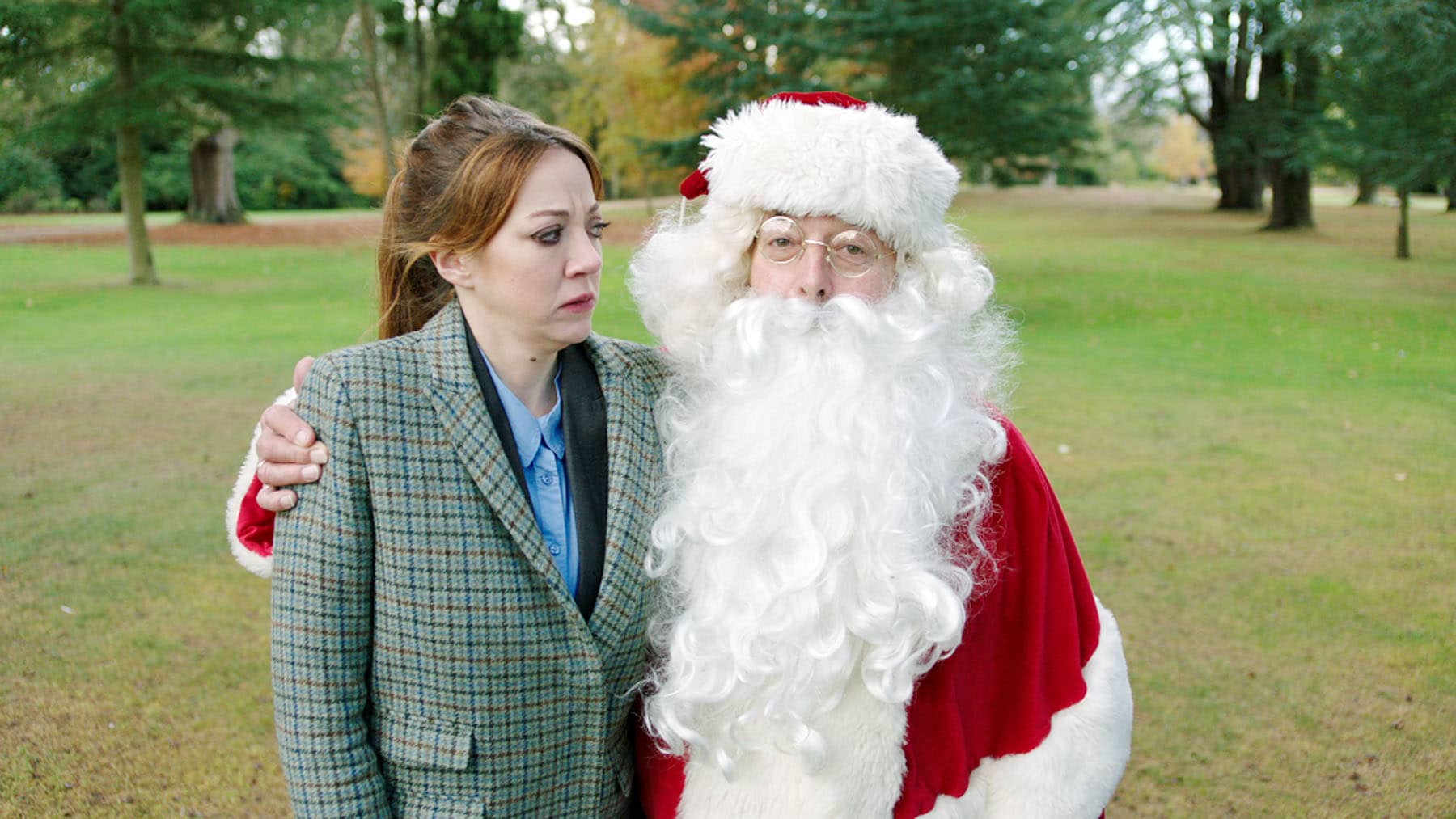


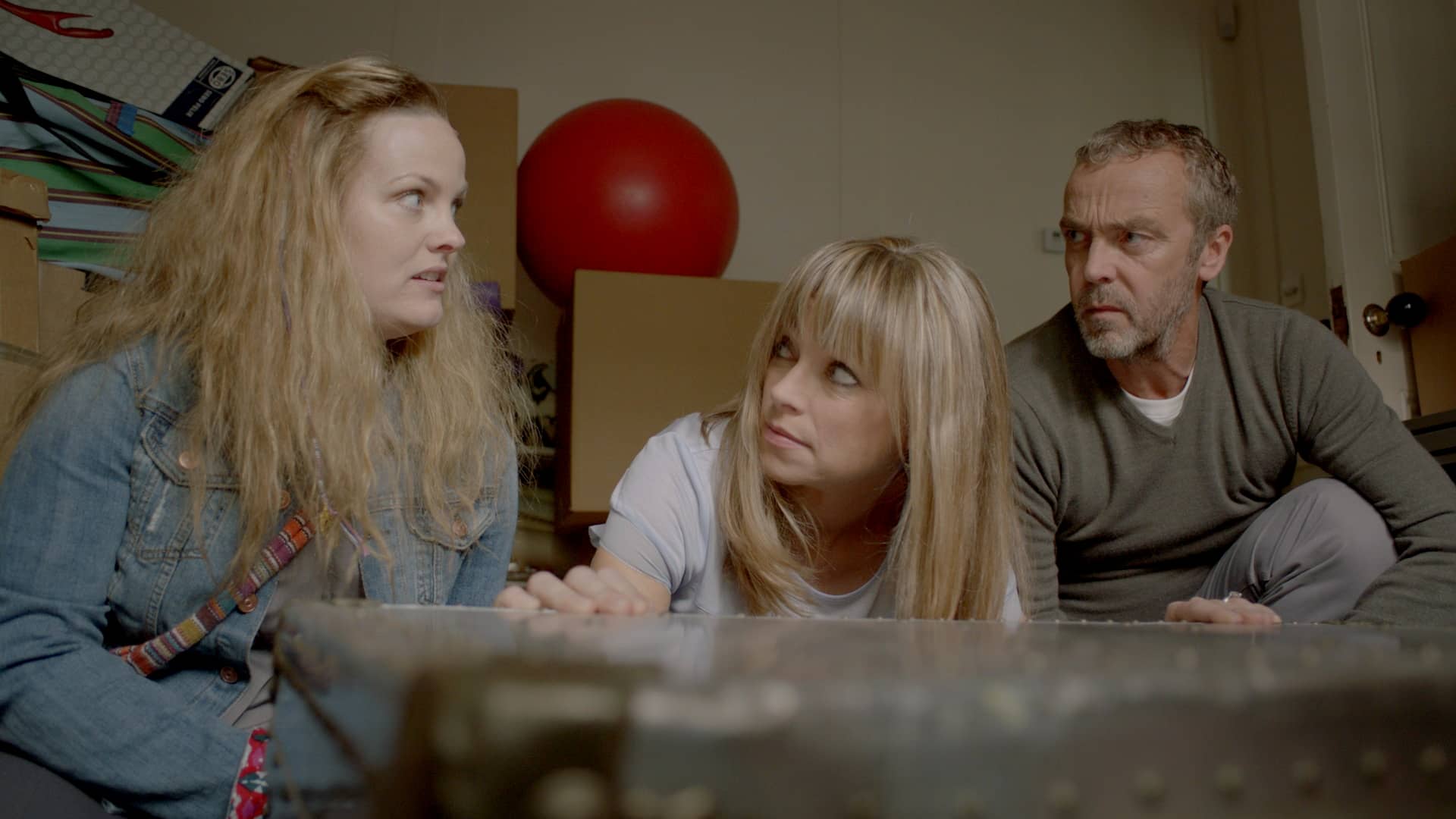

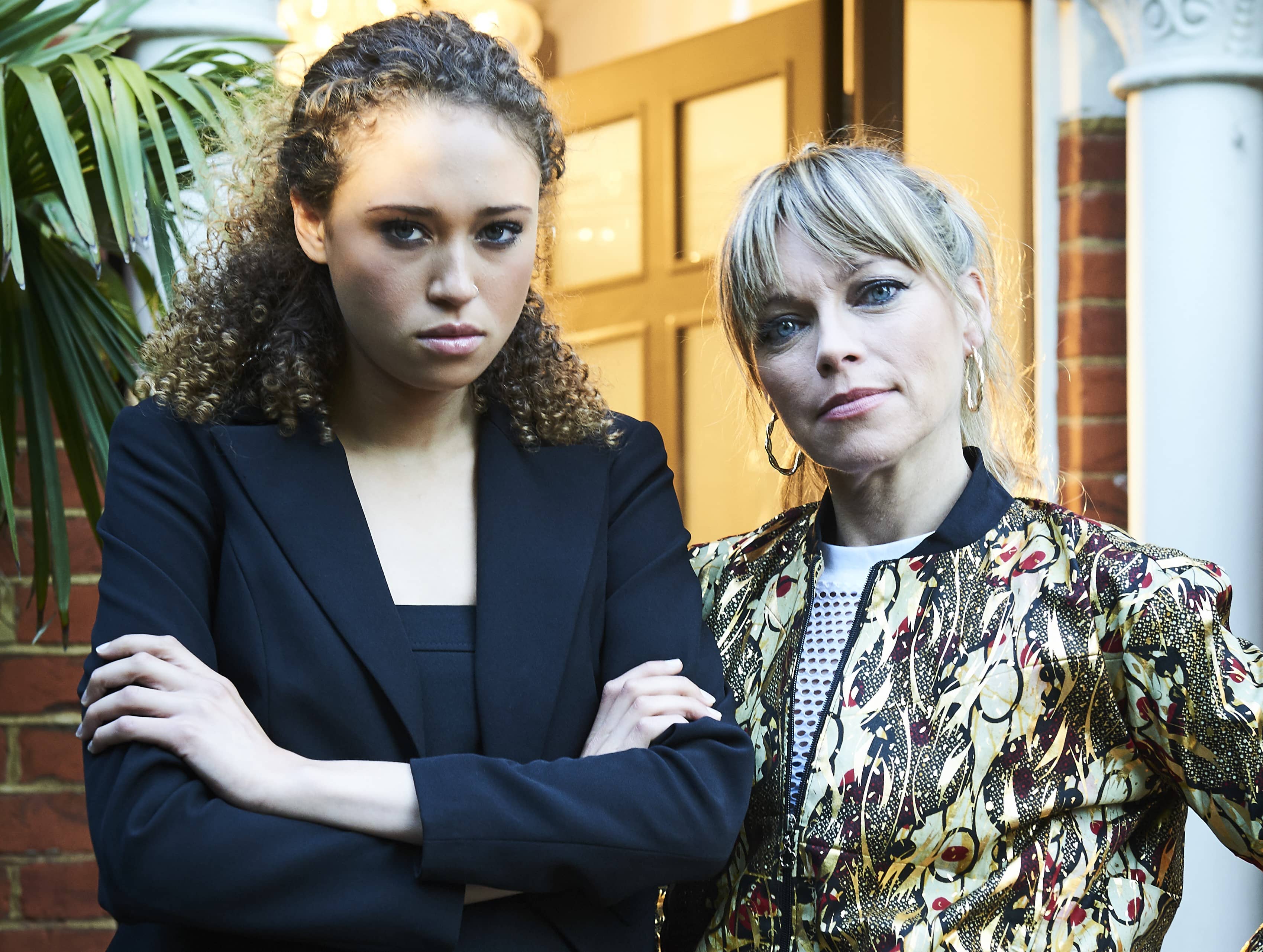
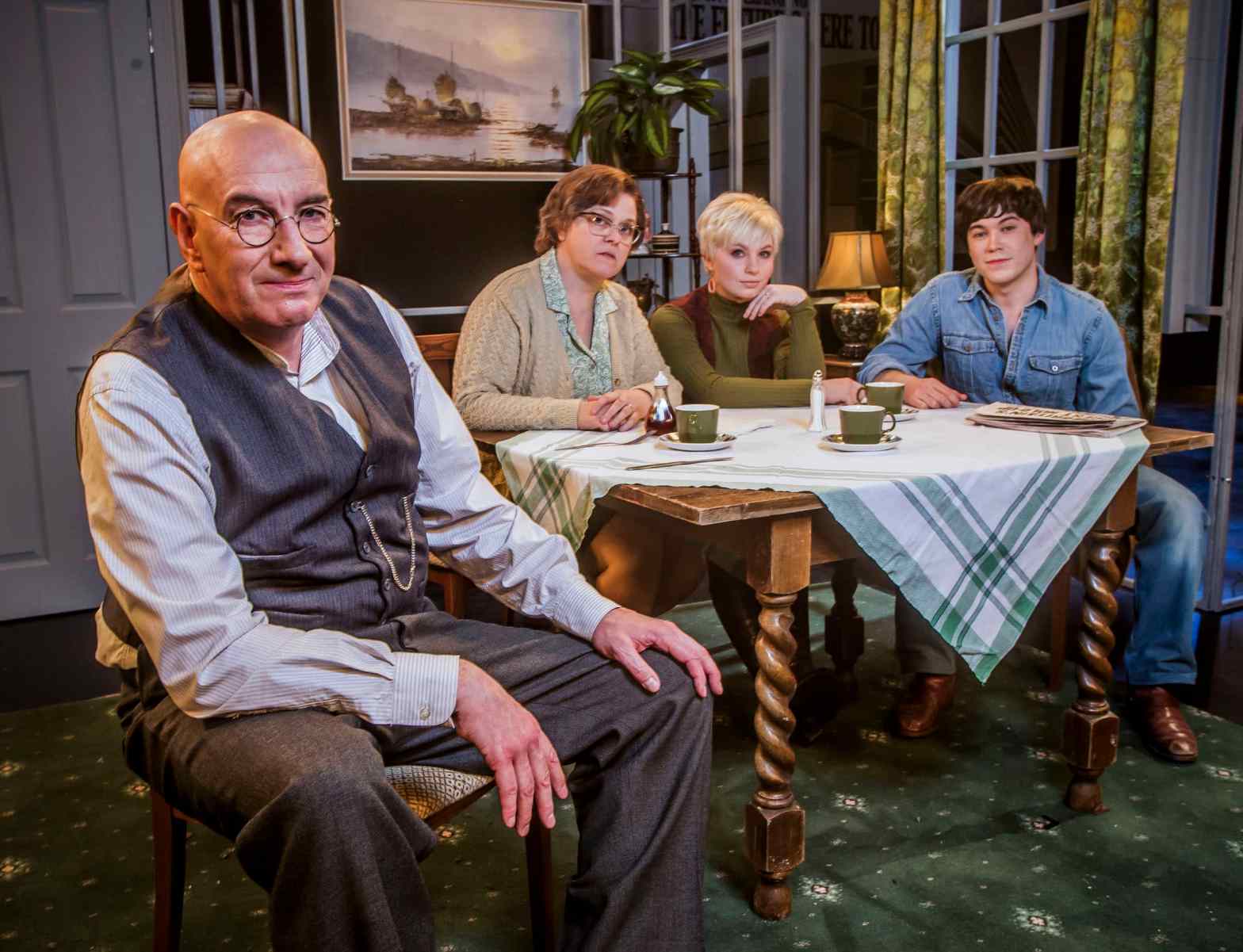
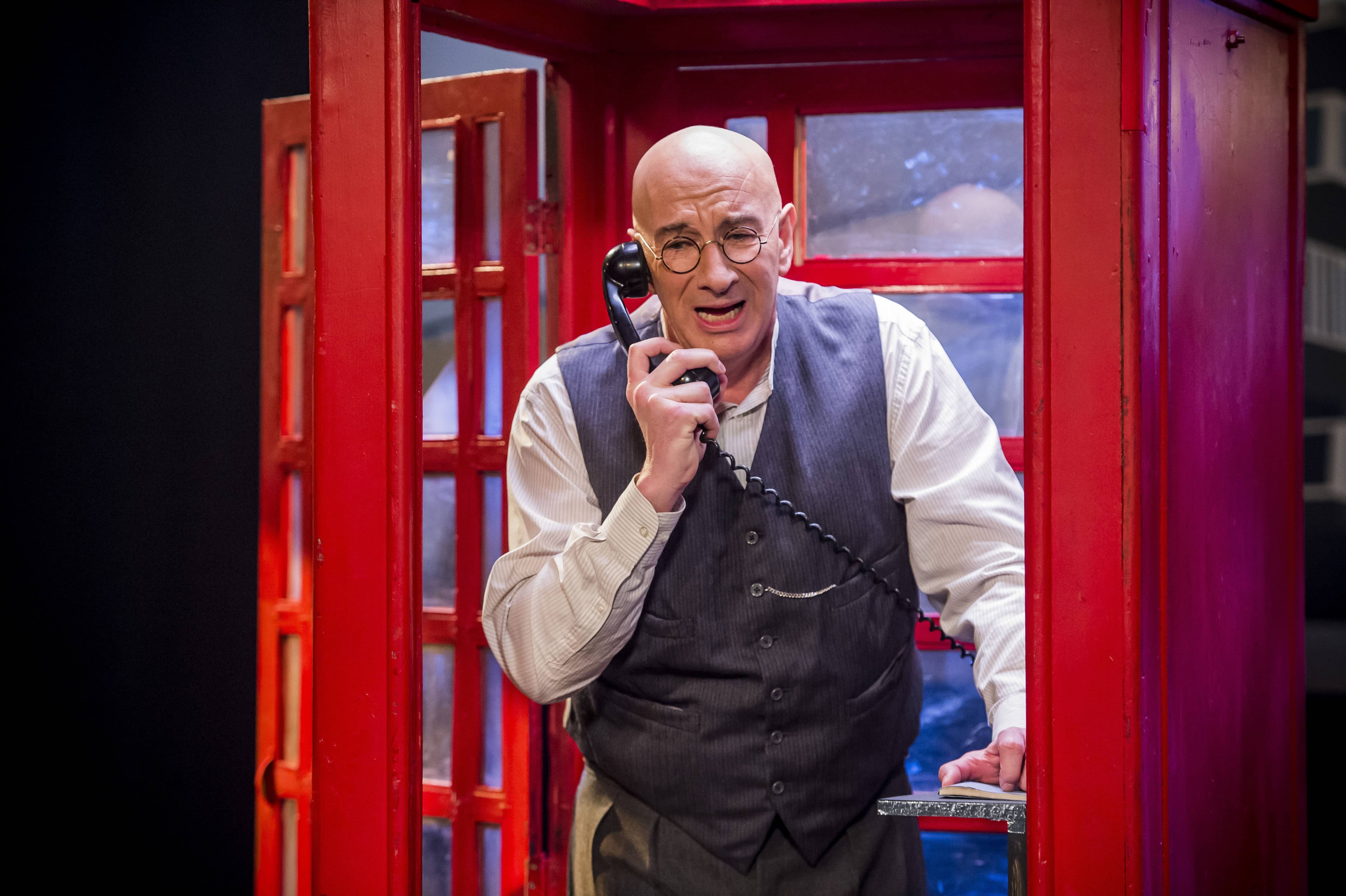
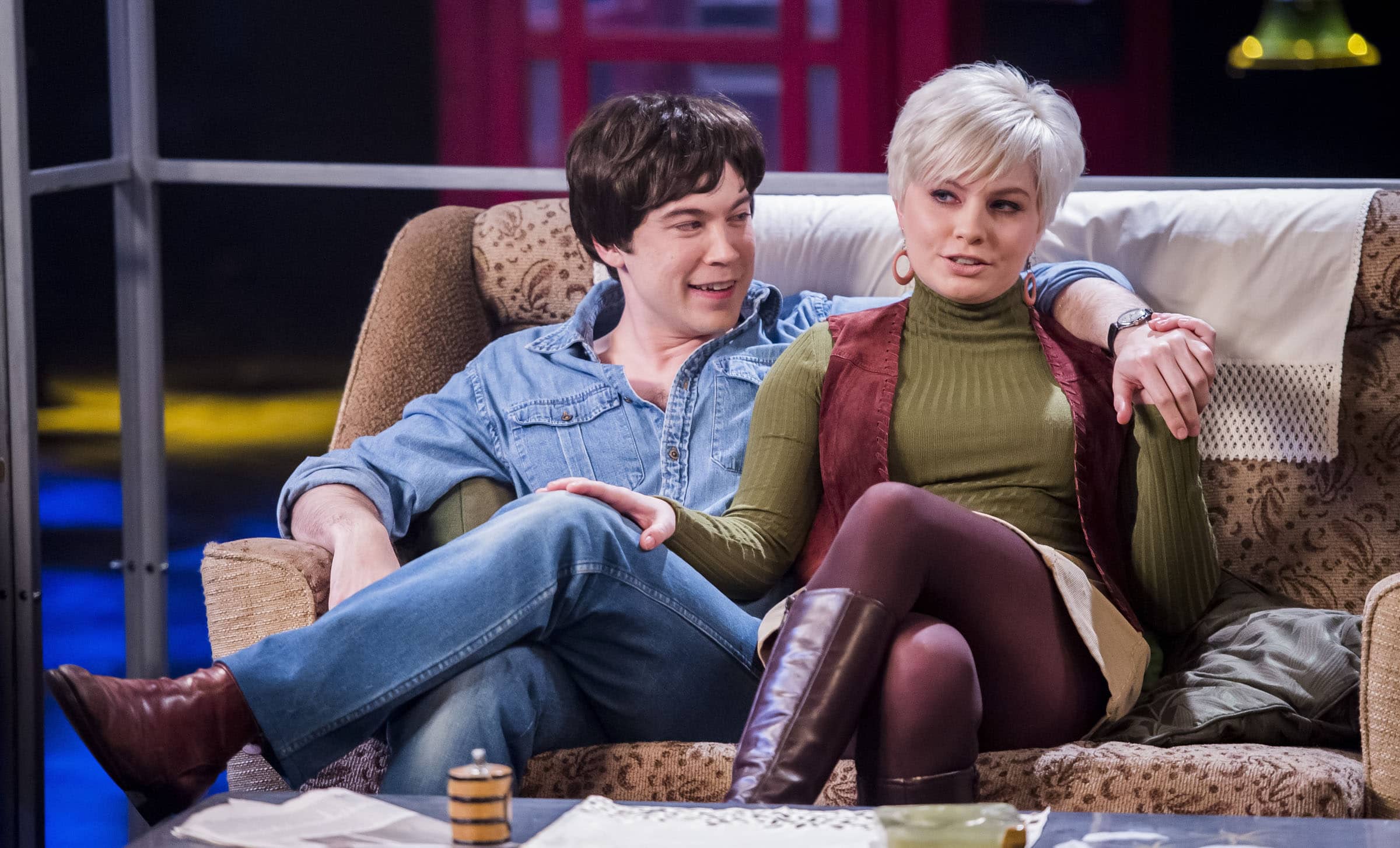


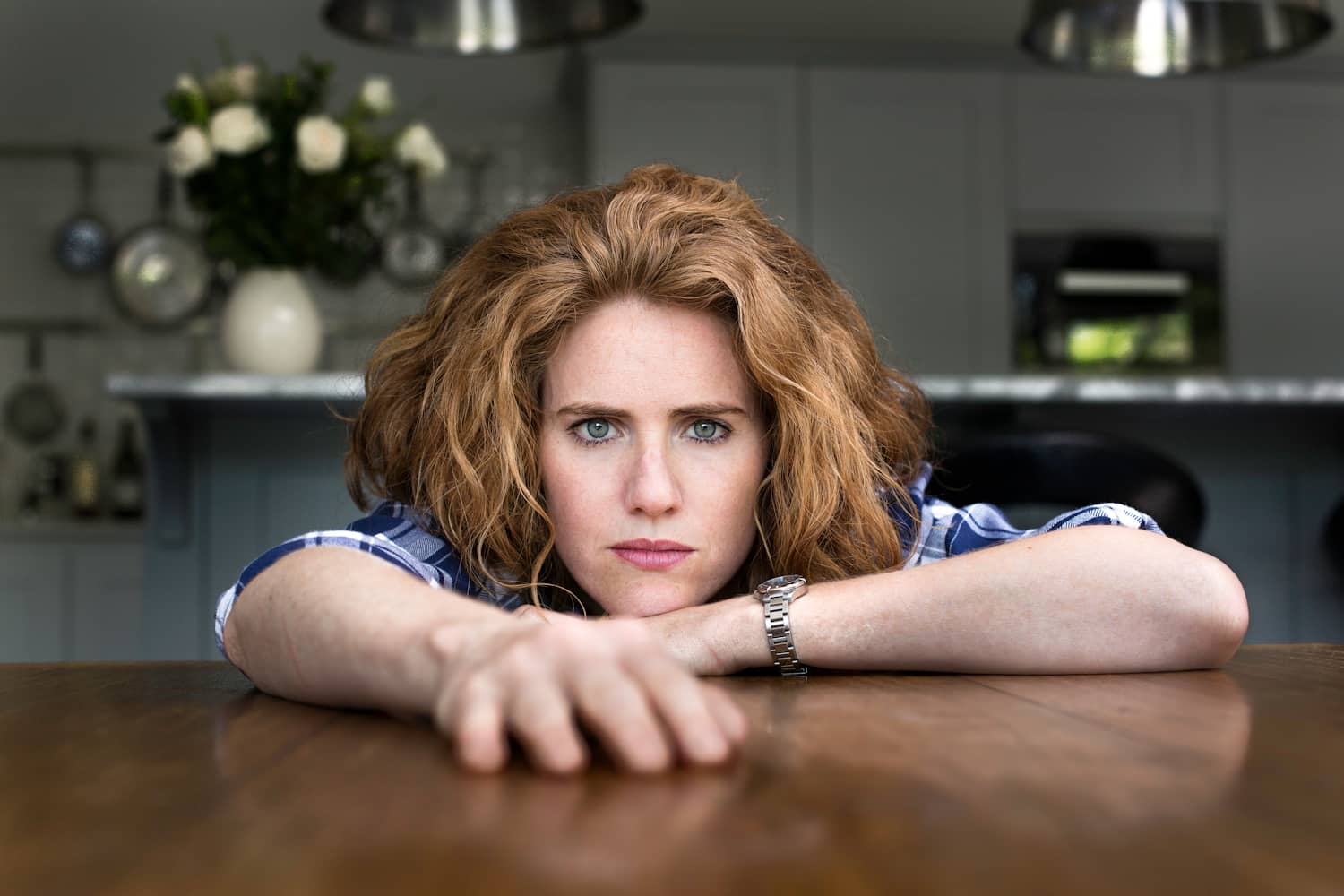


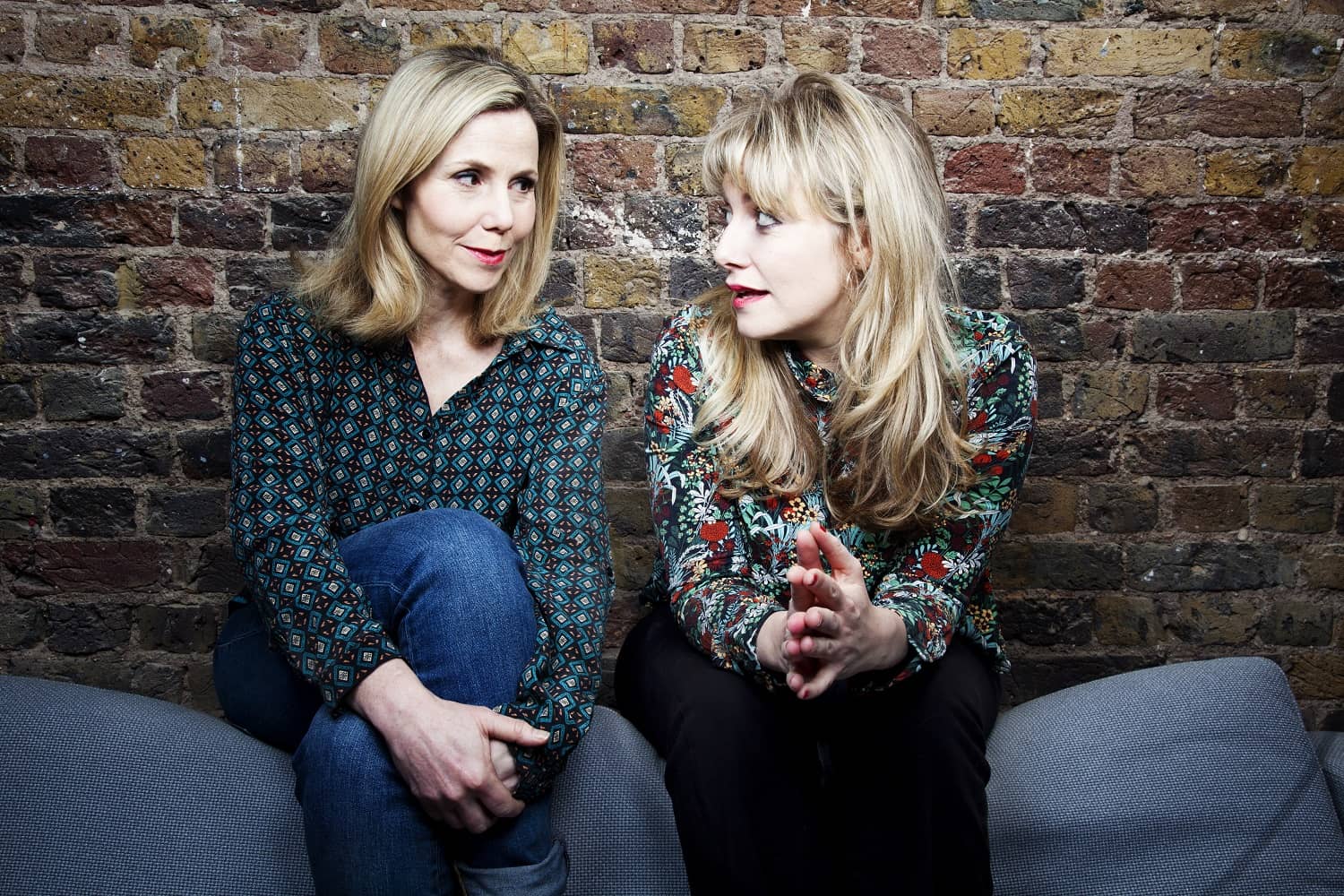

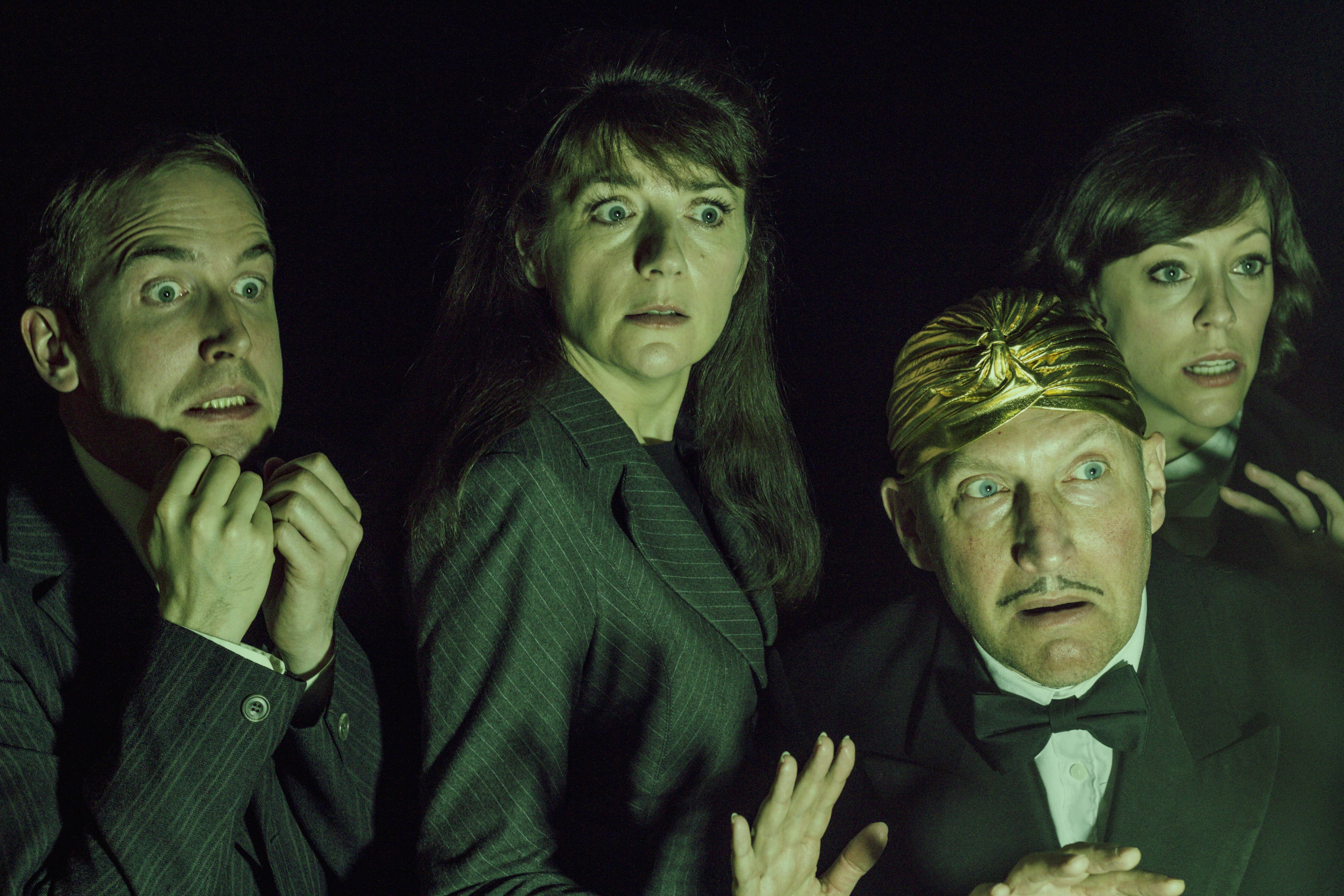

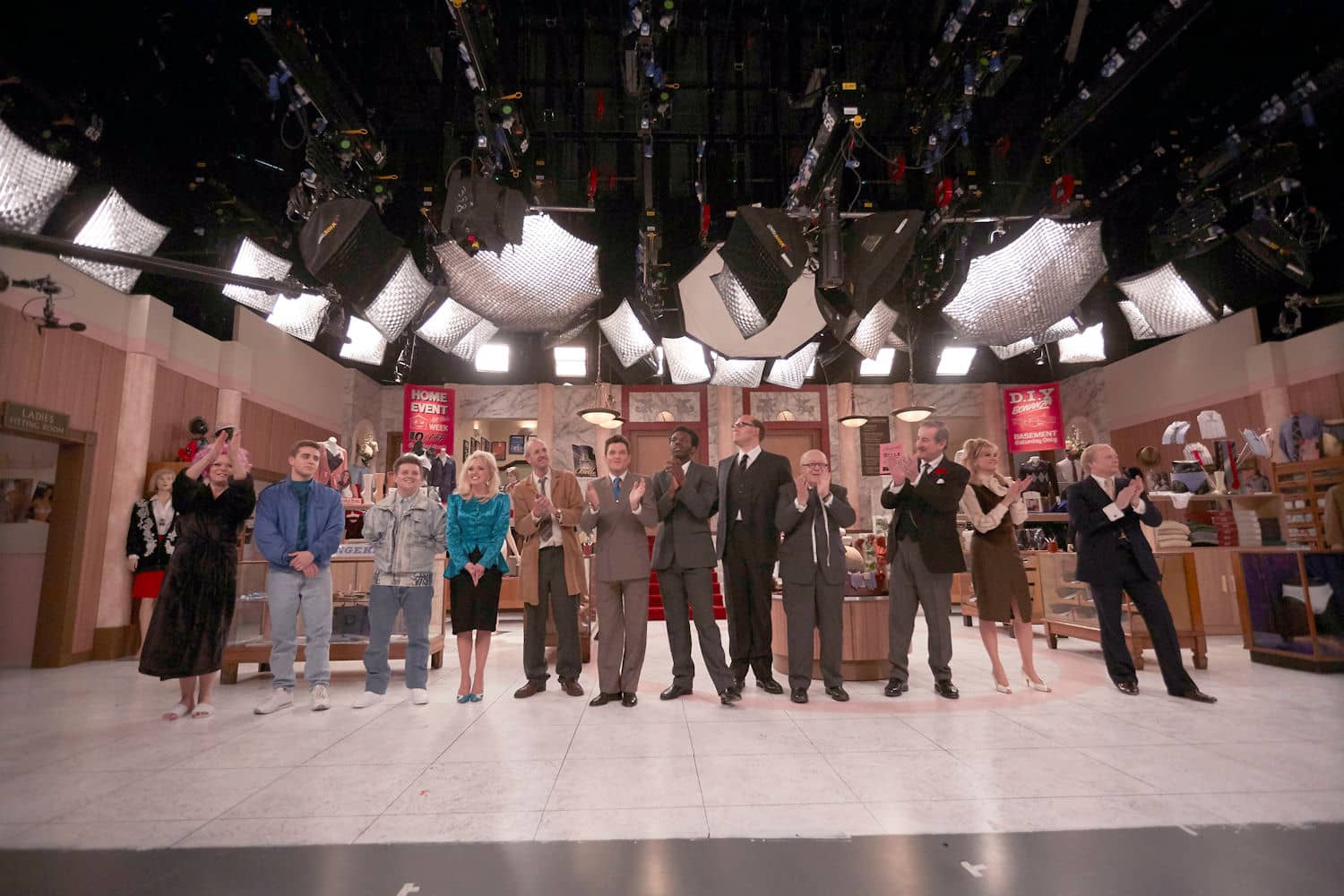

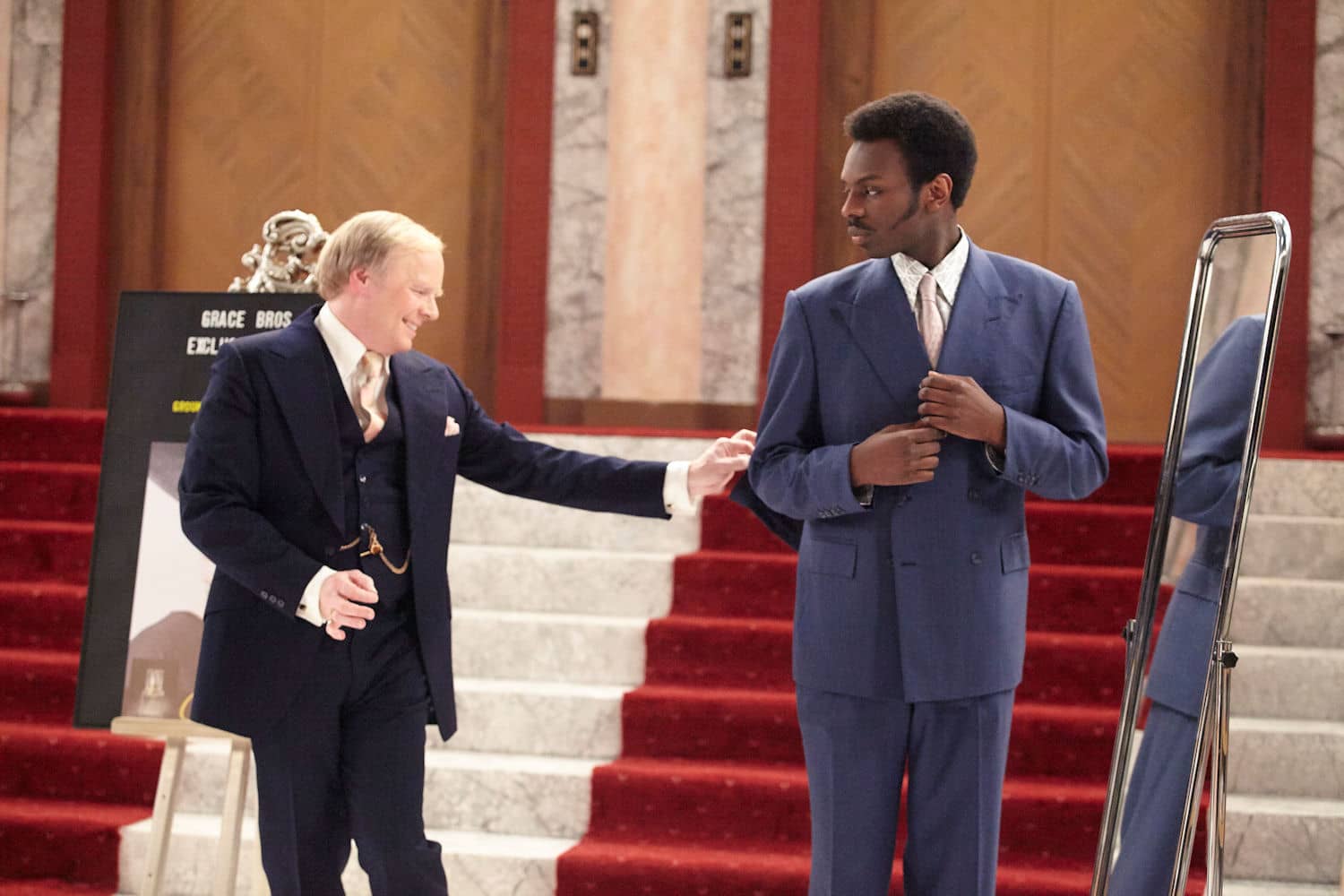
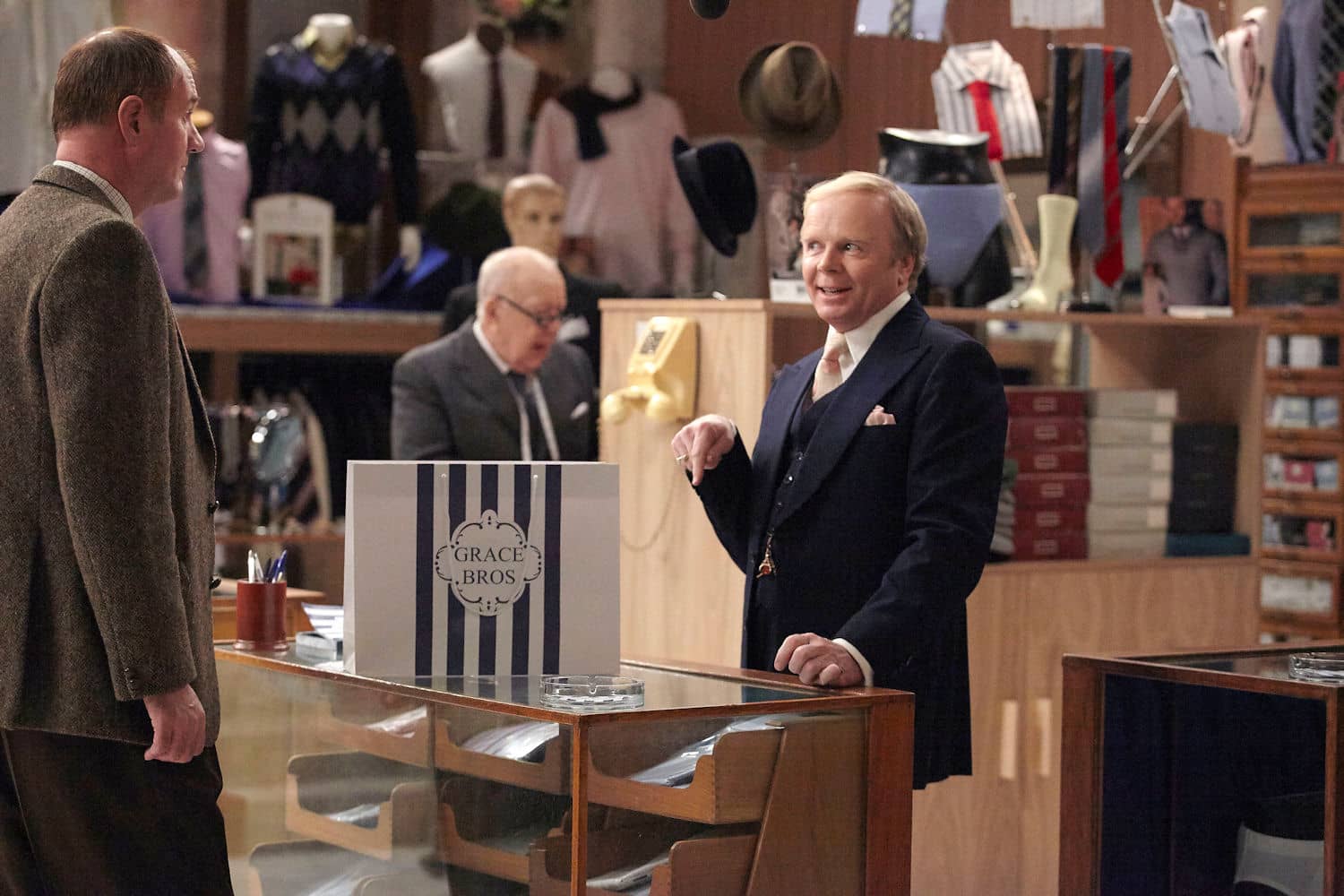

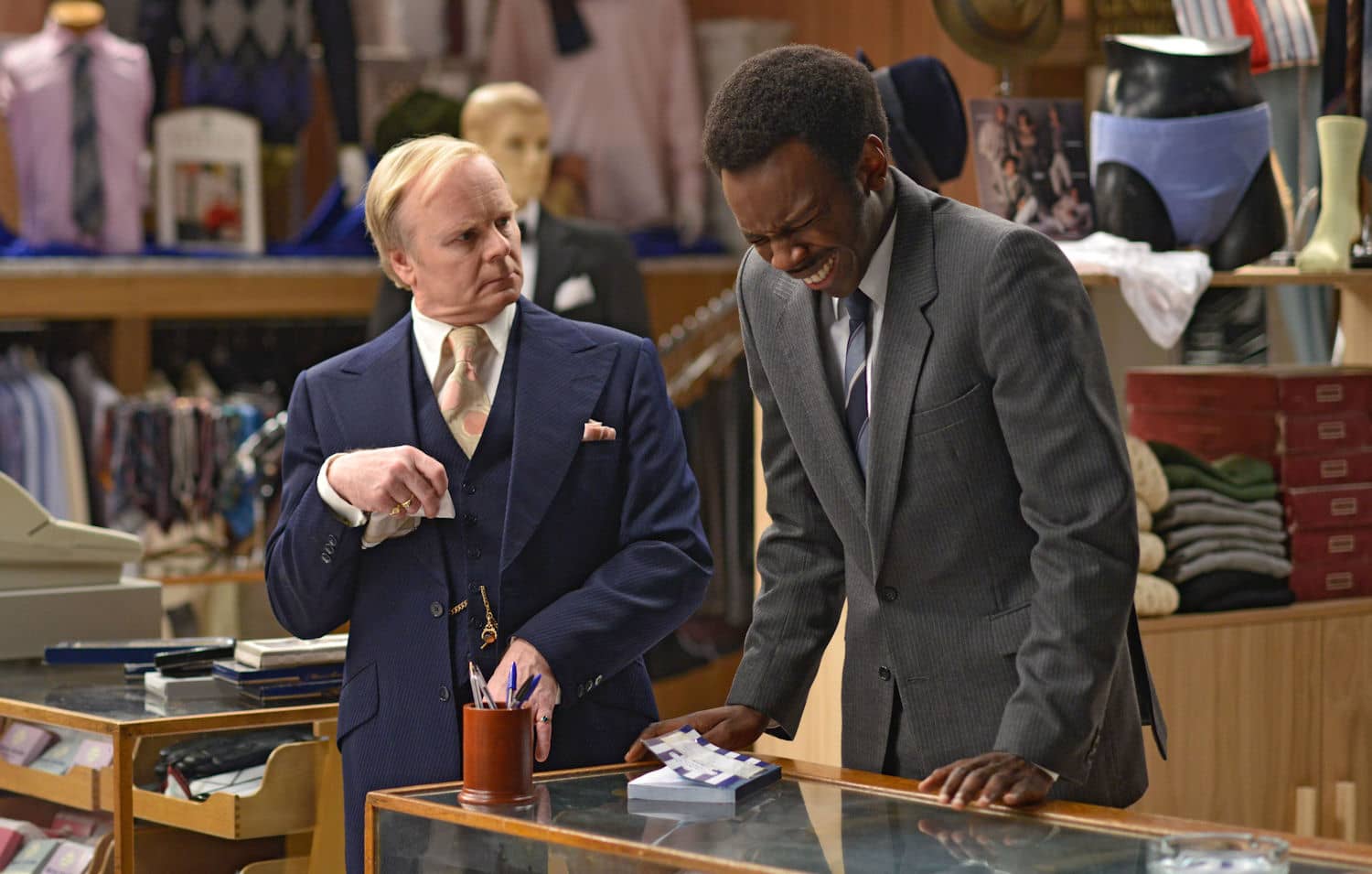
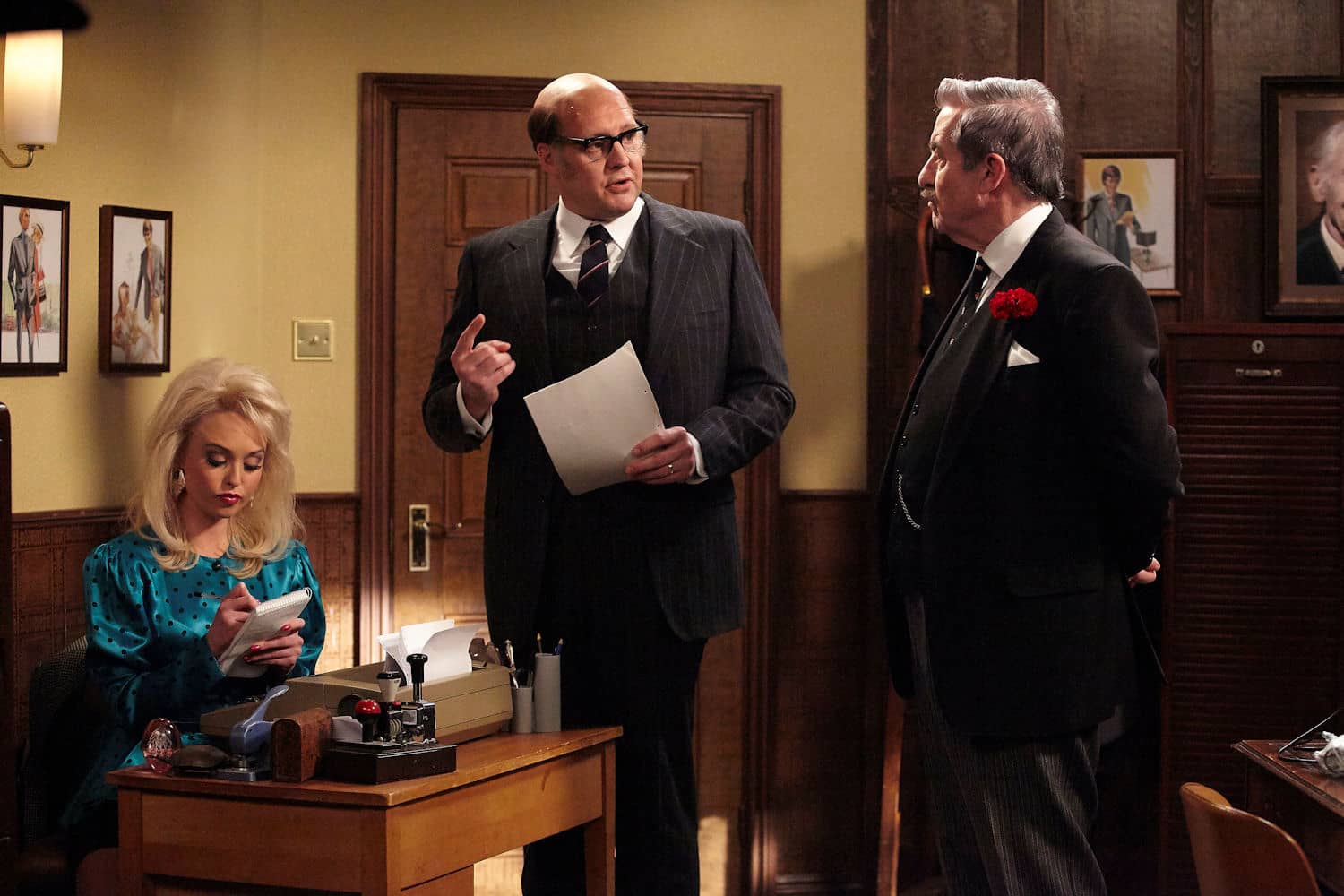
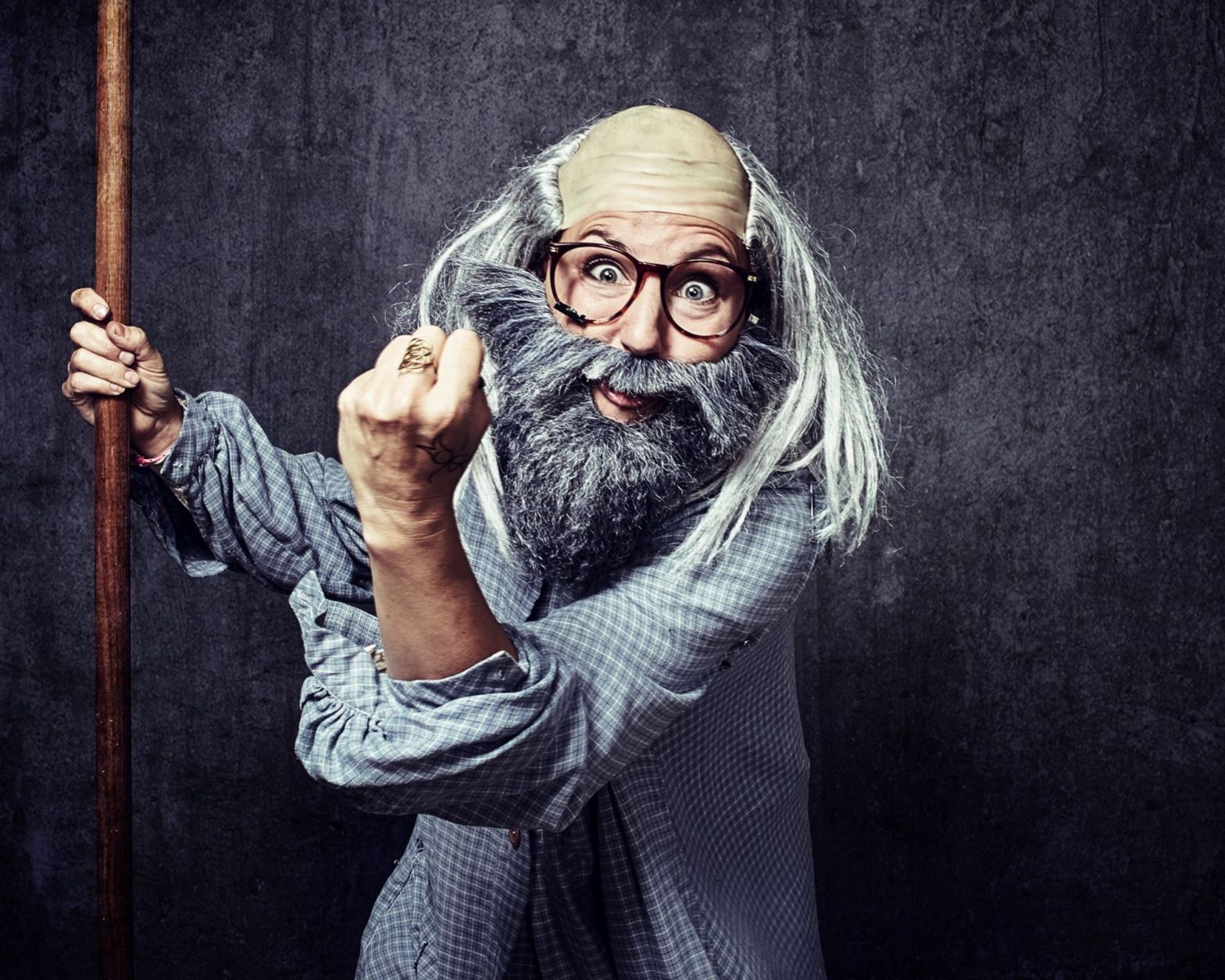


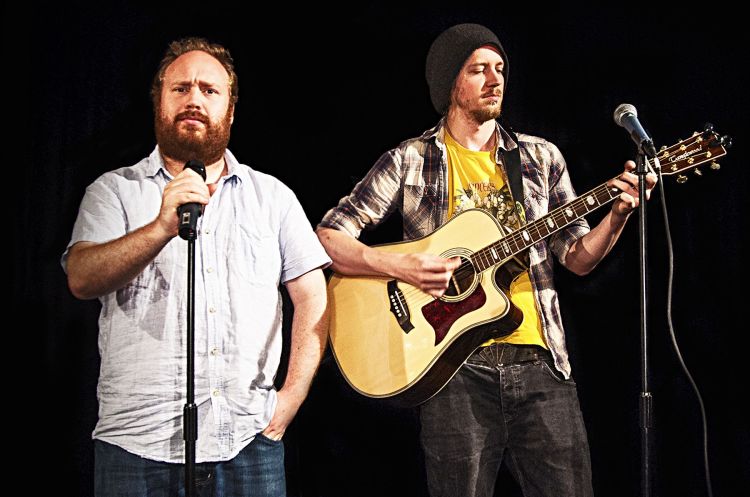

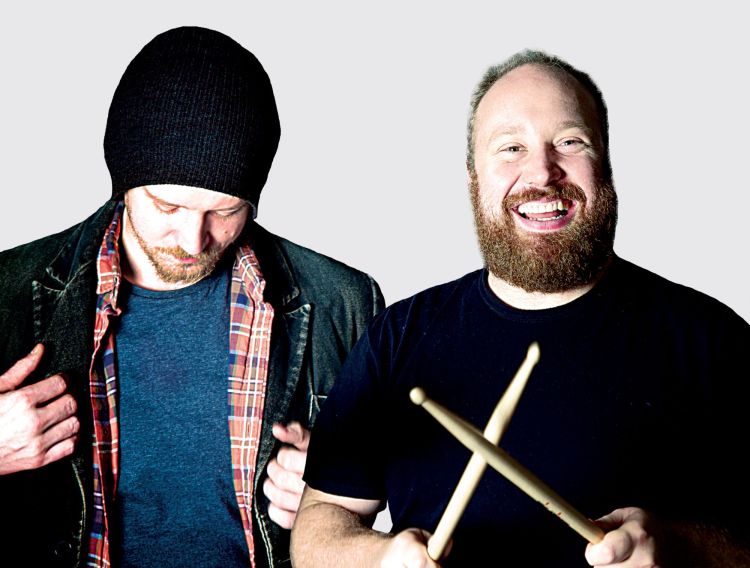


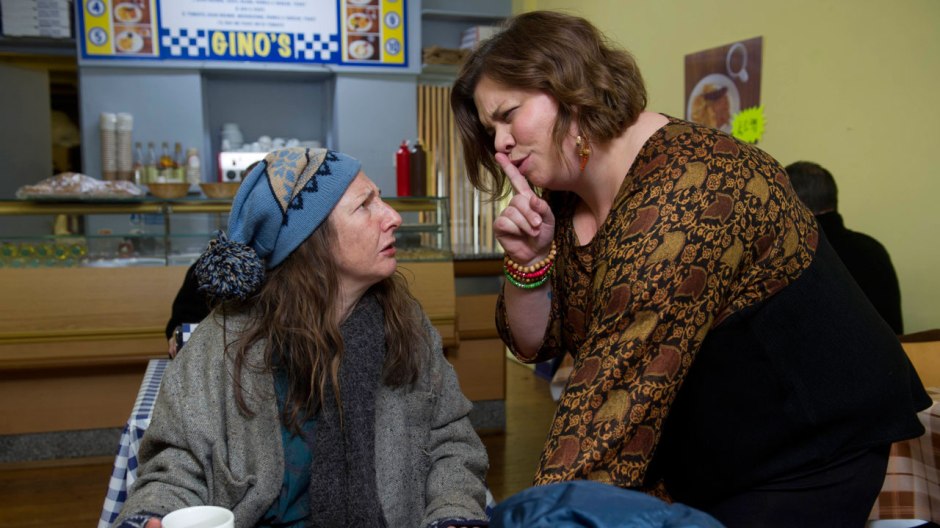
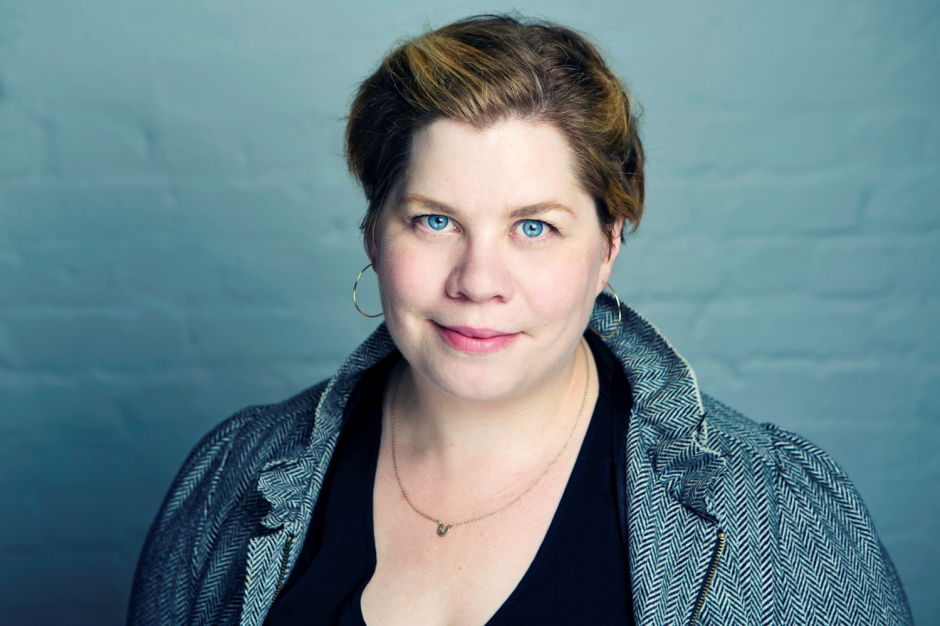


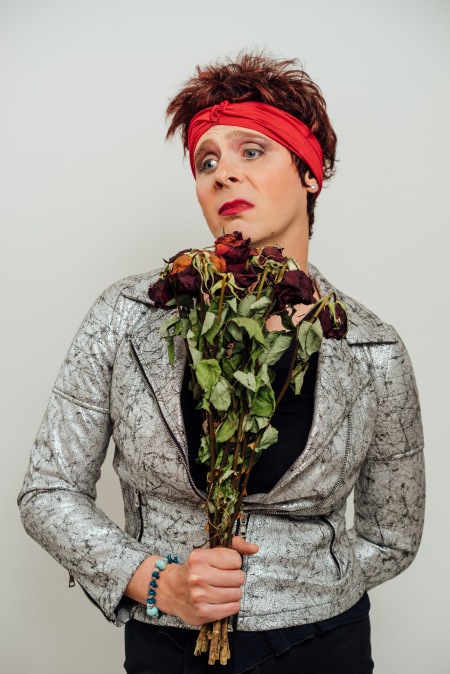





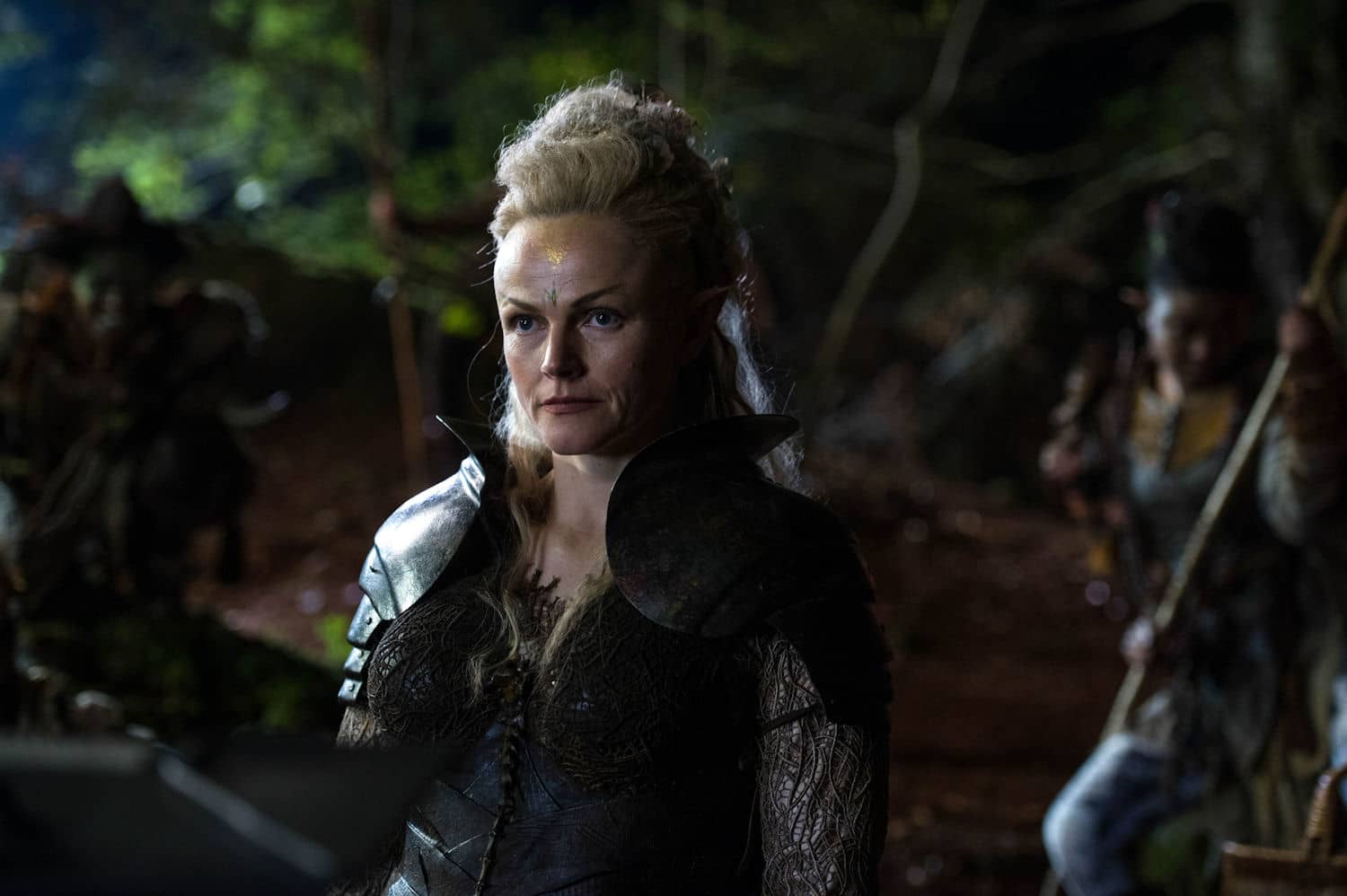
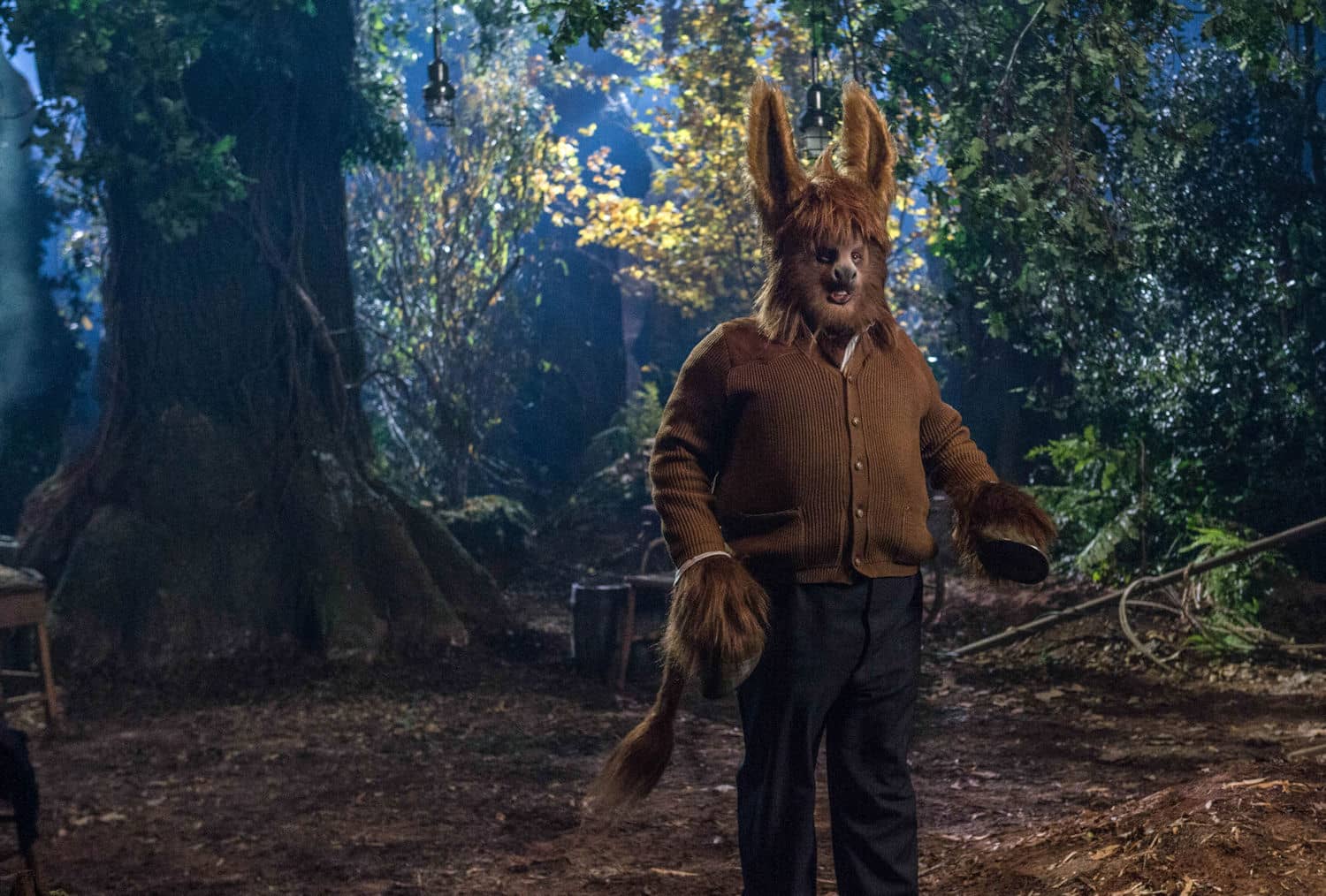

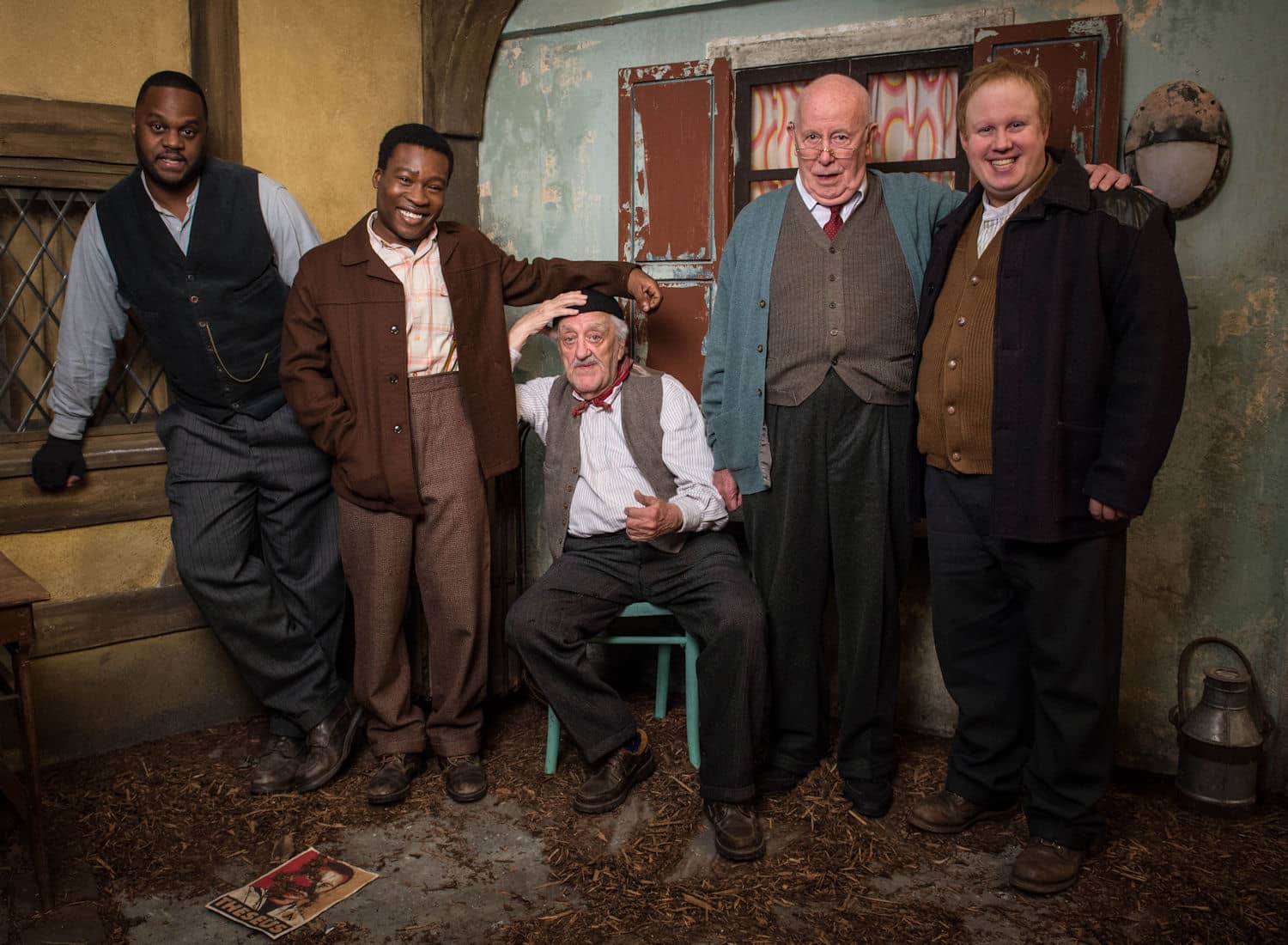


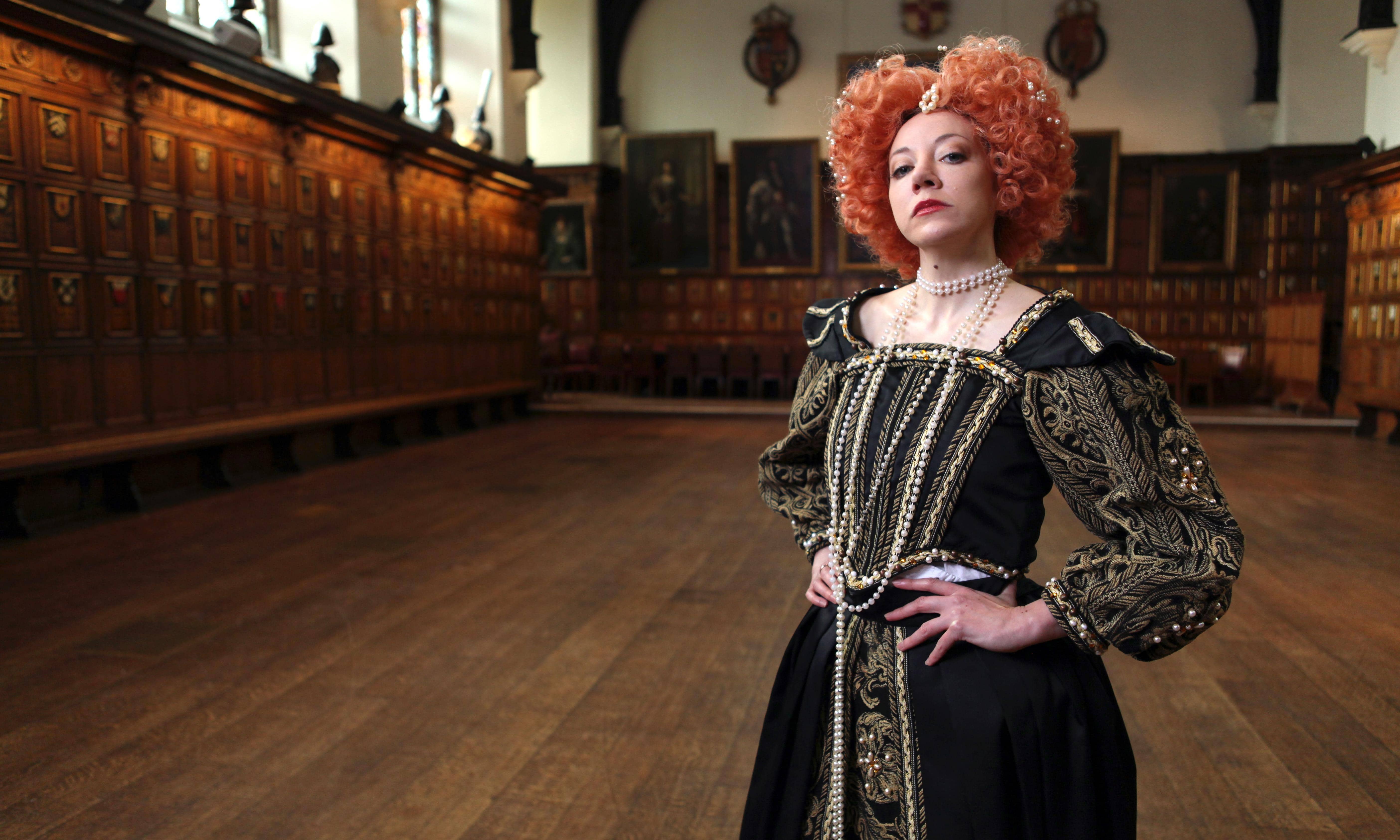
 Didymus.uk
