Hang on to your bonnets – Jane Austen themed improv show Austentatious is currently on tour across the UK, and to celebrate, TVO caught up with the team and decided to ask each of them just one question.
Imagine a cross between Russian Roulette and Smash Hits ‘Oh No Not The Biscuit Tin’, and you’re not too far off the mark, except with much better Regency get-up and nobody dying. And sadly fewer biscuits. This is the result…
The Velvet Onion: Were you a fan of Jane Austen’s work before getting involved in the show, and has all this improv on her themes changed your perception of her work?
Rachel Parris: Before starting Austentatious, I certainly liked her novels but had only read a couple. It was after creating the show that we all made an effort to get to know her work better – and having read her books, her letters and learned more about her world, I am a bigger fan now than I ever was. I think doing improv around her style makes me take notice of the less obvious sides of Austen – the moments of mournful feeling, the biting sarcasm, the fervent frustration. She’s known for light witty conversation but doing this show reminds you she wrote much more than that, and we try to incorporate all that into what we do. It’s a challenge!
TVO: What’s the best bit of improv you’ve seen come out of the group so far?
Andrew Hunter Murray: ‘Best’ is tricky, but the most effective was probably at this year’s Edinburgh Fringe, when Joseph took all his clothes off to play a nudist. This sounds relatively easy, but when you consider the amount of buttons involved in a Regency costume, it’s actually extremely impressive.
TVO: You ask audiences to come up with titles for lost Austen works. What’s the weirdest one you’ve seen?
Charlotte Gittins: After six years, you could be forgiven for thinking we must have heard every possible title suggestion, but our audiences continually come up with mind-blowing new gems. We’d need an entire novel to run through all the weirdest titles we’ve received, but ‘Godzilla vs. Mega Darcy’ was definitely up there with all the great literary classics. Who better than Jane Austen to tackle the fractious romance of reptilian monster vs. bionic man in all its scaly, homoerotic glory? Somebody pass the smelling salts…
TVO: Do you prefer improv to performing scripted comedy?
Amy Cooke-Hodgson: I don’t think I can choose between them! There’s something very satisfying about rehearsing and crafting a sketch or performing in a comedy play – you get the chance to tweak the timing.
I was lucky enough to play the Queen in the UK premier of a long lost Cole Porter comedy musical for a six week run. Because it had never been seen in the U.K. before, there were no expectations of how the role should be played, which was a gift. It was a real lesson in making it ‘different every night’; the perfect opportunity to experiment with delivery.
TVO: You can only read one Jane Austen book ever again. Which one?
Cariad Lloyd: I know it’s obvious, but Pride & Prejudice is still my absolute favourite. I think the cool kids like Persuasion, which I do also love. But for pure joy filled writing and to simply spend time with as excellent a character as Lizzie Bennet, it has to be P&P for me. I always think of it as a gateway book for Jane Austen – if you’ve never read or seen anything she’s done, start here and you get exactly the style and why we’re still going on about her 200 years later.
TVO: If you were an Austen era tavern, what would you be called?
Joseph Morpurgo: THE GROG ORIFICE.
TVO: How much fun was Crosstentatious, and are drag shows going to reoccur?
Daniel Nils Roberts: It was loads of fun! Just for anyone who doesn’t know, Crosstentatious (as the name suggests) is an annual cross-dressing take on our show that we do for charity. Obviously it’s tonnes of fun squeezing into chest-hair exposing dresses and daubing on daft beards, but it is also a chance to turn the restrictiveness of Austen’s writing on its head. In many ways it’s a bit of a relief as a performer to be able to throw off the templates of cossetted female characters, and sombre menfolk, and mix things up a bit. There’s always quite a different atmosphere too – we do it late at night, so we get quite a different audience, and lots of returning fans, which means it turns into a baying hothouse of bawdy references and is all performed with a bit more abandon. And of course it’s lovely to think that such silliness raises lots of money for amazing charities (always Waverley Care when in Edinburgh). We’re sure we’ll be back next year – XL stockings at the ready!
TVO: What’s your favourite thing about going on tour, and what would you rather skip about the whole affair?
Graham Dixon: My favourite thing about touring is the games we come up with and play in our tour van. I wish I could say that we are doing something more rock and roll in our tour van, like sulkily recovering from apocalyptic hangovers and callously ignoring the desperate messages of spurned groupies, but the reality of the Austentatious tour bus is no doubt what anyone who has seen the show would expect. We are all massive nerds, so we spend our time playing adorable, esoteric word and guessing games. Every van journey turns into Boxing Day around the fire. The thing I could skip is actually doing the shows. Just get me back in the van so we can play “TV Commissioner” and “2.4 Children” (These are actual games we play).
TVO: Lastly, one for anyone and everyone… apart from Austentatious, what are you all doing next?
Many various projects! Joseph is doing his show Hammerhead at the Soho Theatre, Andrew is going on tour with his podcast, No Such Thing As A Fish. You can see Charlotte in Poland and Australia at various impro festivals, Cariad continues to host Griefcast, a podcast where she interviews comedians about death which is cheerier than it sounds! Rachel is gigging around the country and also performing in new improv troupe with Marcus Brigstocke, There will be Cake. Amy is also performing with improvised Enid Blyton, The Bumper Blyton Improvised Adventure, Graham is performing his Edinburgh show Graham Dickson is The Narcissist in London, and Daniel can be found in the long running improv comedy show Racing Minds. Basically we’re busy!
We here at The Velvet Onion were very excited to find out earlier this year that the legendary alternative character comedian Simon Day was going out on tour across the UK.
Now the tour is underway, and runs through October and early November, it has transpired that Simon is merely directing the show – which instead features four men who look rather a lot like him.
Prog-rocker Brian Pern is joined by East End know-it-all Billy Bleach, Northern poet Geoffrey Allerton and last but by no means least, reformed convict Tony Beckton, who you may recall appeared in Rhys Thomas‘ documentary series Bellamy’s People and more recently BBC Two smash-hit Nurse.
When we tried to reach out to Simon to find out more about his tour, Tony answered the phone instead. Admittedly a little bit too scared to ask where Simon was, TVO decided to ask Beckton for his thoughts about the tour – and this is the result…
The Velvet Onion: Er… hello, Mr Beckton. It’s an honour to speak to you. May I call you Tony?
Tony Beckton: Yes. Tony is fine.
Thank you. We don’t know if you’ve heard of us, but we tend to write about comedy. Do you like any particular comedians?
I used to like Dad’s Army before I went inside. And it is still on! I saw some geezer called John Bishop the other day, but he was a Scouser, so i turned him off.
You’re one of the most highly respected – and most feared – criminals of all time. How did you end up going on tour?
I was asked by the home office and my publishers to share my experience of the misery and pain of incarceration. What’s weird is virtually every place I am speaking at, I was in jail in the same town at some point.
How are you enjoying this taste of freedom?
Freedom is a double edged sword. There are so many changes in the world. Everyone staring at screens on the train. The coffee shops. So many different languages being spoke, I must remember not to speak my first language: the language of violence.
Glad to hear it. Back in prison, it’s fair to say you ruled the roost. Is life treating you as well on the outside?
Inside, I dreamed of the day I could feel grass beneath my feet, stroke a rabbit and feel the wind on my bonce. Now I can… amazing.
Councillors have given me tools to deal with my rage. Where once, I carried a shotgun – or a piece of lead piping – I now carry a mental programme to keep me and other people from harm. Other people have to count to ten when the red mist comes down. I count to a hundred.
The other day in Cardiff, a load of football fans come towards me chanting. I started counting. I was still there at five o’clock the next morning, but no one was hurt.
I am a changed man. I am completely rehabilitated. I still bear the scars, though. As do all the screws, nonces and librarians who crossed me. Prison has changed, though. It is full of Muslims and white collar criminals. I can never go back. I hate to think what will happen if the Old Bill come for me again. I will go out on my shield, but yes my rehabilitation is complete.
Err.. moving on swiftly. If you could go back to the point you got busted and never get caught, would you change it?
Makes no odds: I was a wild beast. A nobleman who scoured and plundered the land, taking what I wanted. Women… gold… I scalped a bookie once who nobbled my greyhound. Liars Charter. What a dog he was… I would have been nicked at some point though. I was out of control.
Indeed. The tour then. Are there any places you’re particularly looking forward to visiting?
Anywhere is amazing to me. Apart from Brighton.
What’s wrong with Brighton?
I was accused of killing a teddy boy down there on the dodgems. To be honest, I threw him in the sea. He’d rubbed candy floss on my new jacket. I was only 17. My first murder charge. I got a ‘Not Guilty’ – He got a seaweed salad. “It wasn’t me!” as Shaggy said.
Right. Err… You’ve got some very unusual tour mates. Let’s start with Billy Bleach. He must remind you of some of the blokes you saw inside?
He is a proper gentleman. And what a barnet he has got… staunch.
I imagine Billy would look up to you. Has your presence been rubbing off on his interactions with audiences?
He is a lot more confident than me. And he’s got the patter. I still struggle under the lights. Reminds me of being on the wall when the searchlights come on you. Sometimes… you piss yourself.
Northern poet Geoffrey Allerton is joining you too…
He is very scared of me. But also turned on by the violence. Like a lot of guys, I think he wants me to hurt him. His poems are good though. Really good…
Is poetry something you can get on board with? You did write a book after all…
I have written poems. But there is no money in poetry. I am doing a prison diet book, and a guide to masculinity.
We’ll keep an eye out for them. The big surprise of the tour is Brian Pern being involved. Are you a fan?
He is a mug who thinks he knows about jail, because he wrote a song about a Mexican priest who died inside after eating a sacred beetle. He started talking to me about the eternal soul of the unknown prisoner, and I slung a cup of soup over his silly Catweazle coat. He keeps away from me now…
To be honest, Tony… We thought Brian was dead. We wrote an obituary and everything. Simple Minds put it on their Facebook page. THE Simple Minds.
That was a tax dodge. Look, I don’t want to talk about him. I am starting to get annoyed by all this, why are we talking about that prick?
And with that, he counted to 100, called us a bad word and hung up. We don’t mind though, Tony, because we’d like to keep our knees.
Tony Beckton appears in Simon Day: In Character which is on tour across the UK now. For the latest tour dates, click here.
This week sees the release Adam Kay’s medical memoir, This is Going to Hurt, in which the former Mongrels and Crims writer and musical satirist revisits his seven years as a practicing Doctor. TVO took a sneak peek at the results, to find out if you should buy a copy yourselves.
As journalist, author and full-time punk rocker John Robb once sang: “We live in media-evil times.” Every day we’re bombarded with things we’re supposed to want and things we’re supposed to need, to the point that almost every conversation we have in earshot of our phones or our smart-TVs is then recycled into an advert to make us buy more stuff. Some would have you believe this is all a ploy by our governments to distract us from the growing problems in our society which they’re failing to fix. Sometimes, you have to wonder if they’re correct.
And gawd knows, we here at The Velvet Onion are guilty of contributing to that cycle with almost eight years of every successive “best thing ever” that you simply have to experience. Indeed, here we are again, with another review and a list of reasons why you need to buy something.
Except… this one is different. Anyone who knows anyone who works in medicine will appreciate that they work their arses off to provide care for hundreds, possibly thousands of people every year. Those of you in the UK in particular will know that our National Health Service is under constant threat from cuts to services and budgets that force Doctors to work excessive amounts of overtime that puts patients at risk.
It just so happens that Adam Kay – one of the wittiest musical satirists we’ve ever seen – also happens to be not just one of the loveliest people on the planet, but a former Doctor, working in obstetrics and gynecology, from House Officer up to Registrar. He resigned in 2010 following a truly horrendous series of events nobody should ever have to live through, and ended up writing for Mongrels and Up The Women, as well as creating the criminally underrated sitcom Crims, alongside a career as a script editor and musical comic on the live circuit.
This is Going to Hurt takes the actual diaries written by Adam whilst on the job (the medical one, not his appearances on The Now Show), and lays the reality of life in a 21st century hospital bare. Previously performed as a sell-out Edinburgh Fringe show, Fingering A Minor on the Piano in both 2016 and 2017, Kay’s diaries have reduced audiences to tears of laughter in one moment, and left them with a gut punch of harsh reality in the next.
The obligatory disclaimer here: the diaries have had the gentlest of tweaks and refinements to protect patient confidentiality and to placate worried lawyers. There may be some jokes added here and there, too, but the harsh reality is that Kay’s natural responses are intrinsically funny, even if at some points they may seem surprisingly cold, or the descriptions may be overtly graphic – with one passage on a degloving incident almost certain to put off a few readers. The gallows humour throughout is arguably the only logical way to process some of what Kay experienced, and while sometimes you may find yourself wondering if it’s genuinely okay to laugh at something, it’ll immediately be followed by an entry which will do one of two things: warm your cockles or break your heart in an instant.
Through it all, Adam’s incredible warmth as both a comedic writer-performer, and as a truly remarkable person shine through, and the result is a tome which, though stark in places, never truly feels dismissive or cruel towards the variety of unusual patients Kay meets, nor does it exclude audiences unfamiliar with this incredible life so many wonderful people undertake.
And the book doesn’t shy away from the difficulties of working in this profession outside of work, either. Sacrifices are made on a regular basis, relationships crumble under the weight of the intense pressure, but through it all, Kay’s smile stays on… until one pivotal moment which provided Kay with the realisation that this life really isn’t for everyone, and in particular, it was no longer for him.
It’s fair to say that, in comparison, life has been kind to Adam since he resigned, but he’s still acutely aware that the pressures he faced haven’t gone away for countless other medical professionals still out there. This is Going to Hurt concludes with an open letter to the Health Secretary, suggesting he stops getting tours of swanky new facilities with men in suits, and actually tries to do a shift with junior Doctors to truly experience the strains they are under. And if you’ve made it this far into Kay’s text, and don’t conceed he’s got a point, it might be worth making an appointment with your local GP to check you have a pulse. Or a heart.
That’s the rub: for all our passionate pleas for you to watch this tv show, buy this blu-ray, go and see this comic on tour, we’re acutely aware that it’s all a giant distraction from the problems and struggles people face on a daily basis.
This book isn’t. It’s funny, and it’s heartwarming, but it’s also a wake-up call to anyone who isn’t living this life that a lot of what practicing medical professionals go through truly beggars belief.
There’s a lot of snobbery in the arts world about comedy’s place as an artform, but it’s arguable that through humour society truly understands itself. In much the same way that, for example, comedic play Every Brilliant Thing manages to handle depression, anxiety and suicide better than most ‘serious’ dramatical portrayals, This Is Going To Hurt cuts to the core of the struggles faced by medical professionals around the world better than a book written by a comedian will ever be considered able to do.
If push came to shove, and you could only ever purchase one thing from the entire back catalogue of products The Velvet Onion has plugged over the years, this is the one which matters the most, and the one this particular writer would be most keen on you choosing.
We all know that the NHS is under threat, and that all around the world medical professionals are being pushed to their limits, whilst having their life’s work reduced to cheap political weapons. This is Going to Hurt is an essential reminder of just how much society owes these individuals, and how vital it is we support their fight, at a time when we really need it the most. Buy it.
This is Going to Hurt is published by Picador on 7th September 2017. Order a copy now.
The Windsors is currently charming audiences every Wednesday night on Channel 4, as the soap-style sitcom about the royal family is back for a second series. With a number of TVO regulars in front of and behind the camera, we thought it was high time we spoke to some of them about the show.
Next up is director Adam Miller, whose previous credits include Katy Brand’s Big Ass Show, Some Girls, Otherworld, Boomers and creating and directing something called Mongrels we definitely didn’t obsess about at the time. We chucked a big load of questions at him about his latest directorial effort, and this is the result…
Hi Adam! Welcome back to TVO. The Windsors is back for a second series, and with two episodes down, can you tell us what’s left to see this series?
An absolute bucket-load. Let’s just say you’re never going to look at Nicola Sturgeon the same way again. Or Camilla Parker-Bowles for that matter, who takes the Special Relationship with Donald Trump to a whole new level.
That’s one of the joys of the show; each one is absolutely jam-packed with treats – Kate tackling “The drug problem that is unique to Scotland”; Justin Trudeau on a pub-crawl with Beatrice and Eugenie; Pippa’s marriage, but who to?! Hugh Skinner showing off his Les Miserables vocals in Poundbury; Harry Enfield playing his own identical twin brother. Joy upon joy.
It looks like the show is an absolute hoot to shoot. Are you able to enjoy the process of filming whilst steering the mad ship?
Yes, a million times yes. Such fantastic people to work with, and on a show I truly love, I couldn’t be luckier. I mean we all have our hair-tearing moments, but I suspect any industry has that. Indeed sometimes our biggest problem is losing take after take to hysterical, tear-filled laughter. Have a look at the Ebola scene from series one – those aren’t tears of devastation on Will’s face.
The casting for the series is fantastic. How involved were you in choosing your royals?
Hugh, Louise [Ford] and Richard [Goulding] were already on board when I joined, having been so brilliant in a teaser that had already been shot. The rest were part of the usual casting process with the wonderful Nadira Seecoomar, although I see them all now and wonder what on earth took us so long. It seems so obvious. They really are the most extraordinarily talented troupe and such a privilege to work with. It’s a testament to their brilliance and Bert and George’s characterisation, that the appearance of every single artist on set is something I genuinely look forward to.
There’s been some new cast members since the first series, with Vicki Pepperdine joining at Christmas, and now Gillian Bevan, Corey Johnson and Kathryn Drysdale joining the team. How easily did they slot into the team?
Well, it’s a fiddly old show to drop into. Our unwritten (and probably rather obvious) rule is that whatever nonsense these characters are spouting, they have to take it seriously, because they believe it. The four you mention, and some you haven’t seen yet (including Harry Peacock), really ran with that and, as a result, look like they’ve been doing this odd, unique show for years. Hats off!
The series has had a really diverse range of critical and audience response. Has feedback from the first series played into the second?
There’s been so much love for this show, it’s hugely gratifying. But if you start making a show for the critics, and not for yourself, then you’ll probably never make anything good. If not everyone likes it, but some love it, then that’s bloody GREAT. We’re not making it for the ones that don’t like it.
You’re no stranger to controversial comedy, of course, after the delightful Mongrels. Are you drawn to pushing big red conservative buttons?
To be honest, I’m simply drawn to things that make me laugh. And the scripts for this just did, in such a big way. As for controversy, well that’s the job of comedy – if we didn’t live in a society that can ridicule the ridiculous, I fear there’d be a lot more Trumps around. We are an anti-trump. Thank god.
How quickly are you and the writers able to react to real life events? And how much of what ends up on screen was down on the page when you started to map out your shoot?
The scripts are very tight when we go into production – there’s very little in the way of improv, although everyone is welcome to make suggestions and those often make it in. As to staying up-to-date – well that’s a bit of a tight-rope to walk. Although I have noticed on shows before now that real life often synchs when you least expect it. That said we did go back and tweak a couple of bits from episode 1 to shine a clearer light on a Theresa May who, at the start of production, was a VERY different political beast to the one we know today.
Is there a particular sequence from this series that stands out for you?
There are so many joyous moments, but if you forced me to pick one, I’d tell you to watch out for Kate’s rather direct approach to tackling the ‘drug problem that’s unique to Scotland’, in episode 5.
At the opposite end of the spectrum you’ve had great acclaim for your work on BBC sitcom Boomers over the last few years, featuring a cast of television icons. Does directing on a show like that differ from The Windsors?
Well, the mechanics are basically the same, but every show I’ve ever done has a different process because of those in front and, most often, behind the camera. The Boomers cast were absolutely brilliant to work with, all legends, and all utterly charming. To work with two such casts in two years has been a great privilege. God that sounds like a wanky speech at an awards ceremony. True though.
Of course, you’ve been part of another royal family for the last few years now: namely The Velvet Onion! You’ve regularly worked with a number of your fellow regulars, including several of them in this cast. Do you feel part of the comedic family we write about?
It’s funny how small this industry feels at times, especially now I’ve been around a while, but one thing that seems to hold true is that the Onion Family isn’t just populated by the talented, but also by the lovely. Maybe that’s why there’s so much cross-over?
It’s been a tough decade for British comedy, with so few shows getting a deserved second (or third!) series. Is it gratifying to be returning for more with The Windsors?
Hell yes! I really love this show, it makes me LAUGH. And there’s precious little of that about in the world today. So to be told that we could make another, is to be told that I get to laugh again for five months. Gimme.
If there’s a third run, where would you like to take the family next?
America! The road trip and film please. Followed by the Grand Tour of Europe as a sequel.
And beyond the series, what’s next for you?
Lying down in a quiet room. Probably snoring.
Thanks to Adam for answering our questions. Catch The Windsors on Wednesdays at 10pm on Channel 4, and catch-up via All4 now.
The Windsors is currently charming audiences every Wednesday night on Channel 4, as the soap-style sitcom about the royal family is back for a second series. With a number of TVO regulars in front of and behind the camera, we thought it was high time we spoke to some of them about the show.
Next up is House of Fools, Murder in Successville and Year Friends star Ellie White, who plays Princess Beatrice, and her on-screen sister Celeste Dring, who plays Princess Eugenie…
Hi Ellie & Celeste! The Windsors is back for a second series. What’s new this year?
Celeste: Well the show takes a semi-fictional approach to what’s happening in the world, so you can expect a new, American love-interest for Harry and some familiar politicians having run-ins with the Royals.
Ellie: More of the same for Eugenie and Beatrice. They seem to spend most of their time trying to make up jobs for themselves – doing motivational speeches in Port Talbot Steel works for example – or fighting over unsuitable men – in this series, Justin Trudeau.
There’s been a really diverse range of critical and audience response to the show. Has that played into the second series for you all?
Celeste: I guess we’ve all felt a little bit more confident having been somewhat buoyed by the response – but no more than that really.
Ellie: I think you can’t really let anyone dictate what you do. I guess just continue doing what you think is funny and hope people agree.
You play Princesses Beatrice and Eugenie, who are perhaps less well known than most of the other characters in real life. How do you go about making them so memorable?
Celeste: Well I can’t speak for Ellie, but for me I’d say my version of Eugenie is more modelled on the folks in ‘Made in Chelsea’ than it is the real-life Eugenie: the Chelsea lot are excellent models for rich, stupid, frivolous types.
Ellie: I mainly just try and pastiche most of the people I went to university with.
A lot of what your characters did in the first series was independent of the main plots, and yet the Princesses were an integral part of what made the show so funny. Are you more directly involved with everyone this year?
Ellie: We like to keep ourselves to ourselves. It’s better that way.
Celeste: I think the writers have been careful not to over-do it and stay true to what worked before. Part of what drives Beatrice and Eugenie is their desire to be more involved and accepted within the core of the royal family, so, I guess we can’t be too central else what would we be striving for?
You spend a lot of your time with TVO royalty Katy Wix, and I know Ellie has recently finished a West End run with her too. What’s it like working with her so closely?
Ellie: She is the funniest woman on the planet, so naturally it’s a dream.
Celeste: Katy is an absolutely mad joy. She is so funny and so unique. I don’t know what magic made her and I hope it never wears off.
How much of what ends up on screen is on the page? Do you get much chance to ad-lib or refine scenes together on set?
Celeste: Not massively – the scripts are pretty lean and strong (like a good horse) so they don’t need much additional stuff. Plus the turn-around time for shooting is incredibly tight so we have to get right to it.
Ellie: We don’t get much rehearsal time so a lot has to be done on set. It’s mainly scripted but the odd ad-lib gets in.
Is there a particular sequence from this series that stands out for you?
Celeste: Ellie and I fight over a boy in one episode which was a lot of fun to shoot. I got to do a hand-stand, by which I mean two of the crew had to raise my legs into position because I couldn’t do it. It felt very much like how a royal would expect to do a handstand.
Ellie: And I cried with laughter watching Fergie trying to get off with Justin Trudeau. Just the way Katy Wix spins on a chair. Unreal.
The show’s pulled together a genuinely impressive cast all round, some of whom I know that Ellie had worked with on previous projects. Was there anyone in particular you were very excited to work with?
Celeste: I love everyone but I suppose I am a quiet super-fan of Haydn [Gwynne, who plays Camilla – Ed.]. The woman has amazing craft and is just so compelling to watch – those eyes!
Ellie: Genuinely everyone is a dream. Everyone is extremely funny and extremely lovely. I was very excited to work with Vicki Pepperdine. She’s now my mother.
Yes, you’ve recently worked with Vicki on a short for Sky One, featuring Katy Wix too. Did that come about because of The Windsors and is there more collaboration in the pipeline?
Ellie: I’ve always thought that Vicki was extremely funny and also looked a bit like she could be my mum, so when I met her doing the Christmas special I asked if she wanted to develop something together and fortunately she did. She’s amazing and I love working with her so hopefully there will be more in the future.
Director Adam Miller is no stranger to us, either, thanks to his previous work on Mongrels and Katy Brand’s Big Ass Show. Does having a comedy director experienced in heightened parody help the process?
Ellie: Adam is so fantastic and has such a vision for the show. It’s interesting to see how things end up on the screen in the end because on the day they are completely different. It’s cut and edited so well.
Celeste: Yeah for sure. Adam’s very precise and creative – he really wrings as much out of a scene as possible so there’s not a beat missed.
Of course, Ellie: you’ve been part of another royal family for the last few years now: namely The Velvet Onion! We’ve been covering your work since we met you on House of Fools back in 2014, and since then you’ve constantly been on our radar and worked with a large number of your fellow regulars. Do you feel part of the comedic family we write about?
Ellie: It’s a privilege! It’s so lovely! I like them better than my real family.
And Celeste, you’re a little bit newer to our screens than Ellie, but a lot of what you’ve been involved in so far has been a bit Oniony – Sun Trap, Year Friends and Morgana Robinson’s The Agency. Are you keen to pursue working mostly within comedy?
Celeste: Yeah – that’s where I’m at now and I’m enjoying making my own work and stuff. My private dream would actually be to be in a gritty Shane Meadows film ha – but I don’t expect that’s on the horizon any time soon… Unless he’s a big fan of The Windsors which surely he is?
You’re both part of a brand new wave of alternative comedy, with your own regular double acts too. For anyone who hasn’t seen your live work, or shows you’ve written, how would you best describe them to the uninitiated?
Celeste: There is no question I am worse at answering than how I would describe my own work, but here goes… It’s loosely sketch / character comedy – increasingly though we’re moving towards stuff that’s less definable in terms of its form – i.e. what it can be labelled as. I’ve been told tonally it’s every day and surreal at the same time. If that’s not too vague / pretentious?… I’ll see myself out.
Ellie: I work with Natasia Demetriou, who is one of the funniest people on earth. We try and make characters that make us laugh, that I guess are a mix of people we see around and the slightly odder and weirder nature of our senses of humour.
Comedy has a track record of the old guard passing down the baton: have you found that older comics are supportive of your work so far?
Ellie: So so supportive. Every established person I’ve worked with has been nothing but interested and supportive of me as a comedic actor. That’s so important I think because it’s such a hard industry and it feels lovely to have people helping you along the way when they genuinely believe in you.
Celeste: Yes definitely. I think there’s this idea that comedy is hyper-competitive but that hasn’t been my experience. Everyone is very encouraging and supportive: although the comedy landscape has changed so much that I think we are all just trying to keep up.
It’s been a tough decade for British comedy, with so few shows getting a deserved second series. It must be gratifying to be returning for more with The Windsors?
Celeste: It’s a modern miracle! I’m really delighted – mostly for selfish reasons but also because George and Bert [writers George Jeffrie and Bert Tyler-Moore – Ed.] are so talented, kind and diligent.
Ellie: It’s lovely! More shows should be given second chances. It’s so hard to prove yourself in 6 episodes. Things grow over time. Comedy needs to be nurtured!
If there’s a third run, where would you like to take the princesses?
Celeste: Well obviously the princesses are so hard-working and prolific that there is little that they haven’t done but, as they have a keen eye for fashion, it would be fun to take them to London Fashion Week, or see them trying to design their own range.
Ellie: I’d love more love interests. Just so we can cast people we fancy as our boyfriends.
Celeste: Well right now it’s lunch, and then after that I’m working on a series for Radio 4 with my double act partner, Freya Parker, that will be out in the autumn. I am also writing on / being in a second series of Tom Rosenthal’s Absolutely Fine – a little web series for Comedy Central.
Ellie: I’ve got a few things in the pipeline which are exciting, but mainly writing and development and lying face down on my sofa.
Thanks to Ellie and Celeste for answering our questions. Catch The Windsors on Wednesdays at 10pm on Channel 4, and catch-up via All4 now.
This week sees the return of The Windsors to our screens, as the soap-style sitcom about the royal family is back for a second series. With a number of TVO regulars in front of and behind the camera, we thought it was high time we spoke to some of them about the show.
First up, is the delightful Katy Wix, who plays Sarah “Fergie” Ferguson. Here are her thoughts on coming back for more multi-millionaire hijinx…
Hi Katy, at long last, welcome to TVO! We’ve been covering your work since 2010 – and shamefully we haven’t caught up with you for a project before now! Do you feel part of the comedic family we write about?
I forgive you. Yes, I think I do, thank you. You have very good taste: I like all the people you like. If I ever don’t feel part of the family, I’ll let you know.
Of course, in that OTHER royal family you’re not a part of, you get to play Sarah Ferguson, who is quite a distinctive personality to begin with. How do you go about heightening her character in line with everyone else?
The storylines that Fergie has been given are already pretty heightened so a lot of the work is done for me. Because it’s slightly melodramatic in style, I think it’s just a question of really stressing the emotional crisis that she is always finding herself in. It’s campy but also with pathos, hopefully. I always thought there was something very vulnerable about their version of Fergie – she just wants to be loved and accepted.
Fergie is pretty much the royal they’d like to forget in the show. What fresh hell does the poor bugger have to go through this series?
Poor Sarah. She tries to hide in a box at one point to sneak into an event, which is very relatable. She’s still trying to flog her juicer and still in love with Andrew.
You spend a lot of your time with relative newcommer Celeste Dring, and fellow TVOer Ellie White, as Fergie’s daughters Eugene and Beatrice. What’s it like working with a new generation of comic talent so closely?
It’s great. We only get closer, it’s lovely. They’re not jaded (yet) and full of ideas and energy, but it’s also interesting to see what they subvert and take inspiration from in their live stuff. I hope I work with both of them again soon. They’re both a lot more sorted than I was in my late twenties.
How much of what ends up on screen is on the page? Do you get much chance to ad-lib or refine scenes together on set?
There is always time pressure with television so usually you’re just concentrating on getting the scene right once, let alone add anything new. But certainly now we’re a bit more confident with the characters, I think we’ve been quietly throwing ideas in.
Is there a particular sequence from this series that stands out for you?
Andrew and Fergie have some great scenes this time round and I really enjoy the scenes where it’s Fergie and her girls – I think we’ve found lots of interesting layers in their family dynamic.
The show’s pulled together a genuinely impressive cast all round, some of whom you’d worked with on previous projects like Fried and Together.Was there anyone in particular you were very excited to work with?
Well, I’ve worked with Ellie a lot and that’s always a treat. We made a little short film together a while back but then her lap top broke and we lost all the footage. I’ve a great admiration for everyone in the cast – I think they play their parts so brilliantly and it’s a genuinely lovely and harmonious atmosphere on set.
Director Adam Miller is no stranger to us, either, thanks to his previous work on Mongrels and Katy Brand’s Big Ass Show. Does having a comedy director experienced in heightened parody help the process?
His notes are really excellent and useful which doesn’t always happen with comedy directors. Often, you have a set idea of how you were going to make it funny as you’re learning it and then it’s a pleasant surprise when a note changes the scene in a way that hadn’t occurred to you, but still feels funny. Usually the notes are about driving home a plot point or moment. The first time we watched it back and realised how pacy it was, you start to think about how much plot there is to deliver in the most economic way as possible whilst still making it amusing.
It’s been a tough decade for British comedy, with so few shows getting a deserved second series – including your own sketch show with Anna Crilly, and the joyous silliness of Fried. It must be gratifying to be returning for more with The Windsors?
Sketch shows don’t seem to be as popular with commissioners at the moment and I’m sure it will change again. But to be able to do these big sketchy characters is an absolute joy, and with such talented people.
The show divided critics and audiences last year, and not just those predisposed to praising the royal family, but we feel there’s an incredible charm to the ride if you go along with the madness. Has audience response played into the second series at all?
Really? I don’t tend to read reviews – I wasn’t aware that it was such a divisive show! I wouldn’t have thought that public opinion had a direct effect on the creative process but I’m sure that the writers probably had a sense of which characters were well received and popular when they came to writing more this time.
If there’s a third run, where would you like to take Fergie?
I really hope there is. Perhaps she deserves some love that is requited now? It would be fun if she went on a chat show as a storyline or became a buddhist.
And beyond the series, what’s next for you?
Well, I’ve just finished a six month run in the west end so I’m tired. Filming Ellie White’s short film for Sky last week was tremendous fun. Beyond that, you know bobs and bits. I’m always starting things and never finishing them, don’t know why. I’m pitching an idea for a book I want to write, so we’ll see who bites…
Thanks to Katy for answering our questions. The Windsors returns on Wednesday 5th July at 10pm on Channel 4.
Prevenge – the directorial feature debut from Alice Lowe – is available on dvd and blu-ray now.
To celebrate, TVO cornered Alice once more to talk in depth about the Prevenge experience from conception to completion. With major spoilers (you have been warned), this is the result…
“It’s like the final push of labour,” Alice Lowe jokes as we catch up for the first time sincePrevenge was unleashed upon the world a few short months ago. “Or it’s like a child that’s graduated. It’ll be alright now. It can fend for itself. I don’t have to be holding its hand every step of the way.”
The last time TVO and Ms Lowe spoke, she and her co-star Jo Hartley, not to mention Alice’s adorable young daughter Della, had wowed audiences at a Q&A within Manchester’s arthouse HOME, and the film was just days away from wide release.
Now, at last, the film will be in the hands of fans as a tangible item: the download is already available, the dvd and blu-ray are shipping, and Alice’s direct journey with the film is almost at an end.
“It’s been nice to have a little break from it,” she tells us, “but I’m never going to get bored of talking about it. I’m still finding new things that people respond to.” She pauses for a moment of reflection. “At the end of the day, you don’t want the last project to be the only thing people are talking about. You just want to be making another one. And another one and another one. My head’s already in the next one now, so Prevenge feels like an old fashion you used to wear, or a band that you really like but you haven’t listened to in a while.”
You get over the nerves about it being any good… I’m kind of past that now.
Alice Lowe
Surely that distance offers a chance for a little objective reflection, TVO opines: not just on the enormous success the film has faced, but on the work of art a creator has made?
“I probably won’t watch it for a while,” Alice explains. “Because I don’t feel like I’ve got enough distance from it. If anything, you forget what it is to be an audience member watching it. People have a reaction to it, and you can’t put yourself in those shoes. You get over the nerves about it being any good, or people liking it, understanding it, being offended. I’m kind of past that now. And there’s enough people that I like who say they like it, and you can’t please everyone. If there’s certain people who don’t like it, I don’t mind at this stage.”
Those initial nerves, however, are something Lowe is keen to hold on to. While it feels a long time coming, Prevenge was Alice’s first feature as a director, and it just so happened to come along as an offer as the actress, writer and director was pregnant.
As such, the film is so closely rooted into the birth of Alice’s first child, who, of course, has been growing all the time since. As the challenge of motherhood naturally changes, it’s highly possible that Alice’s perspective as a filmmaker will too.
“When you make your first film,” she opines, “your lack of experience and naivety is actually a strength. You make a lot of mistakes, but sometimes those mistakes are quite good. A lot of established filmmakers talk about getting back to that initial innocence. That’s kind of like motherhood in that with your first child, you’re filled with a sense of wonder, because this has never happened to you before, and it’s completely new and magical.
“But as you go on, motherhood just becomes more complicated, I suppose,” she adds. “I think that’s probably true with making films as well. I’m just a little bit more jaded about this process now, so I will probably have to shake a few preconceptions that I might have in order to find that initial feeling again.”
What is clear, however, is that Prevenge has been taken seriously. It’s not just the UK tour, the rapid-selling vinyl release of the soundtrack, or the countless respected film critics across the world who have hailed the film as a visionary first attempt from a new director: audiences have loved it too. And unusually for a British film, let alone a comedy or a horror picture, the critical response has been deeply analytical and fascinated by the subject matter.
“That’s my secret fantasy,” Alice deadpans when TVO mentions this. “That people take me seriously.” She immediately bursts into laughter, before a spot of ego-checking clarification is required.
“I always say that when I write stuff,” she says, “I write with absolute seriousness. I’m often not thinking about whether it’s funny or not. I’m thinking about the story and the characters. Really early on we had a sniffy review from someone who said: ‘There was a weak one-liner about mascara’. And I didn’t write it as one, so if they didn’t laugh then how is it a one-liner? It might be one line…”
It’s fair to say that Lowe does not fall into a traditional comedic mould. Never one to chase gags, Alice suggests her writing stems from stories of human awkwardness, and that Prevenge was the product of something seismic within her.
“I think real life is stranger than fiction,” she states. “I was trying to avoid writing what I thought were film scene clichés, and was trying to be stranger about the interactions people have. All the interactions within the film are private. Anything can happen in a private moment. You only have to have a weird person suddenly throw a conversational bomb into the mix, and you’ve got a strange situation.”
TVO suggests one of the strengths of the film is that the naturalism makes the emotional drama of this hyper-surreal concept hit home. As Jon Pertwee once quite famously said of why Doctor Who worked best in a contemporary Earth setting: ‘There’s nothing more alarming than coming home and finding a Yeti sitting on your loo in Tooting Bec.’
“Oh, you mean that a banal context makes strange things even stranger?” Alice responds. “I definitely think that’s true. Even my radio show [Alice’s Wunderland – Ed.] The whole way I was writing that show was mixed reality, whereby you create surrealism by paring a really mundane situation with a surreal figure or content. It produces strange effects that snap people out of their usual way of thinking, like dream logic.”
There aren’t rules of reality, or film rules you have to stick with. You can do what you like.
Alice Lowe
Indeed, one of the key factors in Prevenge’s success as a work of art is the deliberate ambiguity about the origins of the voice urging Ruth to kill her victims: is it her unborn daughter in some supernatural manner, or something inherently psychological? This reminds Alice of an encounter with an audience member in New York, who came up to her after the screening to ask a simple question: ‘Why didn’t the police come and get her?’
“In film, everything is a metaphor,” Alice suggests. “A film by natural is a dream. I don’t feel it has to be real or not real. I feel like that’s how I’m trying to make films at the moment. There aren’t rules of reality, or film rules you have to stick with. You can do what you like. Who wants to hear about police procedure? Watch a detective series on telly. These strange rules immediately make something less entertaining.”
Not to mention, we suggest, effectively the deeply claustrophobic tone of most of the film. Alice agrees.
“We did have another character that we lost,” she explains, referring to Jill (played by Sightseersactress Eileen Davis), who didn’t make the final edit. “She knew Ruth, and grounded her in reality. But as soon as you grounded her, you didn’t believe that character. When she’s just gliding around killing people without any consequences, it gives her this mystic, almost superhero status. As soon as you ground her, it starts to pull apart. Someone like David Lynch doesn’t bother with that shit. His characters are just there, don’t ask what time it is, or what their jobs are. They’re just in a strange timeless zone.”
Interestingly, however, one of the film’s key sequences breaks all of the façade away: as Ruth pretends to be flat-hunter Claire, and briefly befriends the flatmate of one of the people on her hit-list. For these few moments, in the company of Josh (a pitch perfect Mike Wozniak), Ruth lets her guard down, and for the first time since her partner’s death, enjoys herself, until it inevitably has to come crashing down around her.
“That was her chance,” Alice explains. “That was her window to have a normal life. Maybe even get a boyfriend. Someone who could look after her. I almost wanted it to be a gentle sitcom. I wanted it to be so domestic and nice, and go on for such a long time that the audience is almost relaxing. Then bad stuff happens. It was so important to have that scene, and see a warm side of her that doesn’t come out otherwise.”
As something of an anti-hero, Ruth’s journey plays out like a 21st century Alex from A Clockwork Orange: audiences are invited to be sympathetic to the character, even though she’s committing truly horrendous acts… albeit with a much stronger motive and far greater intelligence than Anthony Burgess’ hapless Droog. Here is a character who has suffered an enormous emotional loss, and it becomes clear that the challenge she faces is draining her as much as it is her driving force.
Nevertheless, Kubrick’s film, which also partially inspired the sonic electronic soundscapes on Prevenge’s soundtrack, has an ending that chimes with Lowe’s film. In it, (major spoiler alert), Ruth becomes the creature she wants to be, and audiences cheer what is, in essence, a cold-hearted killer.
“We called that ‘Back To Work’,” Alice reveals when the comparison is put to her. “We didn’t call it that on the soundtrack, but when we were discussing it, we said her ‘Back To Work’ theme should come in here, because you know that people are going to enjoy it. It does feel like we’re back in familiar territory. We talked a lot about the music and how it had a sense of pre-destiny. She can’t stop. It’s just going to happen, and the audience can’t help but be carried along as well. There’s a pleasure to that, like scratching a familiar itch.”
What many may not realise when they see Prevenge and identify Alice from her roles in Hot Fuzz, Darkplace, The Mighty Boosh or many other familiar productions, is that this isn’t just a vanity project, where a star actress puts in a half-arsed directorial job, and gets the writer credit while others refine the script uncredited. This is a full blooded attempt from a creative mind who has bided her time to be given the chance to do so, and as such has a hand in every aspect of the production, without detracting anything from the producers about whom Alice is consistently complimentary.
As well as working closely with composers Toydrum on the sound of the film, Lowe’s strongest collaborators on the style of the film were Director of Photography Ryan Eddleston and editor Matteo Bini. The trio focused heavily on the visual aesthetic, from the choice of lenses to colour grading choices, and multiple edits of scenes in order to best reflect the film’s mood. And while she’ll often downplay her own efforts, it’s clear this is an apect of the film of which she is, quite rightly, rather proud.
A lot of the projects I’ve done have been misinterpreted in some way. Prevenge was the first time I’ve really had this synergy… I felt like people were really listening to me.
Alice Lowe
“I never claim to be an expert in anything,” Alice states, “but I know what my tastes are. I think that’s all that being a director is, as much as it’s vaunted as this godlike status. It’s very easy for people when you’re starting out, to believe you don’t know what you’re talking about. I definitely had a vision for it. I always have a strong sense of my projects. I know what the colours associated with it are. All the songs. The tone of it. When I’m giving a script to someone, it’s nothing to do with the final package in my head.
“This is why I’ve started directing,” she continues. “I know that I’ve got a more complete vision in my head than just being a scriptwriter. How everything complements one another. I can’t show that to people unless I make it. A lot of the projects I’ve done have been misinterpreted in some way, for one reason or another. Prevenge was the first time I’ve really had this synergy with all those different things coming together, and I felt like people were really listening to me. I didn’t feel inhibited in what I was asking for, either. I pretty much got all the choices I wanted. I don’t know if that was just being pregnant and people indulging me!”
It helped that some of the key crew members were familiar to Alice from previous productions, and the cast were all friends.
“Even if they hadn’t worked with me as a director,” Alice considers, “which is a bit of a leap of faith, I suppose… they like me. They know I’m a good performer, so they were willing to make that leap. It meant I didn’t have to turn up and go: ‘Hi, you don’t know me. I’m not an idiot.’
“I’m sure that when we were filming some people actually had no idea if it was any good or not. Especially because everyone was so separate from each other and didn’t see any of the other bits. I think the one person who saw any rushes was Jo Hartley, because she had a spare half hour when we were filming. Everyone else just did a day on it and had no idea what it would be like! There are still some members of the cast who haven’t seen it, because they’ve been busy and couldn’t make it. I wouldn’t blame them for having no idea what the film was.”
“I like to film in a really relaxed style,” Alice continues. “We shoot the rehearsal and just keep shooting. I don’t like there to be a division, or when the shoot starts everyone thinks they’re acting now, and suddenly switch on and become a different person. I like to almost blur those lines, so people walk away wondering if they did any acting, or if it was any good.” She laughs, and in her inimitable sardonic style adds: “It’s a sense of ‘Was that it?’”
The results, however, speak for themselves. Prevenge has wowed audiences across the world, and is set to find many new friends as it makes the transition to home media and streaming platforms. There’s also a strange joy in watching the film take off at the same time as the film industry is sitting up and paying attention to the former Ealing Live and Mighty Boosh crowd that The Velvet Onion has at its core. Simon Farnaby is now scriptwriting Paddington 2 with former Boosh/Garth Marenghi director Paul King, and alongside Julian Barratt, was responsible for Mindhorn. Following Sightseers, Steve Oram got rave reviews for his challenging debut Aaaaaaaah! and is currently planning his second feature, while Gareth Tunley and a cast primarily made up on TVO regulars, ditched the comedy and made psychological horror thriller The Ghoul, which had rave reviews at its initial screenings and is set for wider release in the Summer. And then there’s the continued efforts of Ben Wheatley and Richard Ayoade for good measure. Suddenly, with Prevenge as the most delicious of proverbial cherries on top, it feels like the Onions are finally getting the respect they deserve.
“It’s a really nice thing,” Alice explains. “A lot of potential that could have been lost has come back to life, really. I don’t want to sound too bitchy about it, but I think I was trying to fit myself as a square peg into a round hole for a long time. I wanted British TV comedy to be what I wanted it to be, which is pretty strange and with dark narratives. And now it’s a massive relief that I’m in the right job.
“Jo Hartley gave me this book, because she’s a bit of a guru in her spare time. I call her The Blue Fairy, because she’s that person who makes you feel really uplifted about how the universe works. She gave me this book by Florence Scovel Shinn, and its full of stuff about non-resistance. Jo always says ‘Go with the Flo’. When you find your right path, it’s easy. It’s not that you don’t work hard, but it feels easy, because it’s what you should be doing. That’s what Prevenge felt like. Don’t get me wrong, I have worked my arse off, but it hasn’t felt like work to me.”
“I think that’s probably true of someone like Gareth Tunley,” she adds, “who is such an intelligent person with so many hidden depths. Of course The Ghoul was the right step for him. Part of you thinks: ‘You should have done this earlier, Gareth! Why didn’t you show us what you could do?’ But you can’t hurry this stuff. It’s a natural evolution. Sometimes a penny drops about who you are and what you should be doing, and it comes at just the right time. It’s really nice that we’re all doing stuff we enjoy, and getting a bit of recognition for it doesn’t hurt either.”
The recognition has also led to new opportunities, with the production company behind it leading the pack by giving Alice another feature to develop. Alongside this, she’s working on a comedy drama concept for TV, and an exciting acting project this summer, which we’re sure TVO will be shouting about in due course, but not just yet! Alice has also directed a music video for collaborators Toydrum, featuring Prevenge’s Kate Dickie, but again, more on that soon. In the meantime, as she prepares to put the film behind her, TVO asks Alice to reflect on what she hopes its legacy will be.
“I’ve done a few projects where I’ve thought: Maybe that’s the thing that goes on my gravestone,” she admits. “Maybe that’s the thing that defines my work. It’s really funny, because now I’m mainly getting asked about Prevenge. I don’t often get asked about Sightseers or Garth Marenghi or whatever. I mean, I love it when I am, because it’s something different to talk about! But it’s a nice thing that people are interested, or bothered to find out what I’ve done before and follow it. I feel liberated. I don’t feel indebted to anyone. With Garth Marenghi, I didn’t write it, so I felt lucky to be involved in that. To an extent it’s the same with Sightseers, because someone else directed it, and I’d co-written it with Steve. With this, I felt a calm sense of realisation that I’ve done it. Nobody can say I haven’t pulled my weight with this to get the job done!”
“I wanted it to have a cult vibe to it. I want people to still be interested in the film in ten years. That would be my ambition: that people would see it as part of the development of British filmmakers, or even just my own work, and come back to it. I just want to go on and make films, and make lots of different types of stories, and just have fun. You have that moment when something does well, and you can capitalise on it. I’ve always been really bad at doing that in the past. I’d always run away and try to hide, because I prefered to be the underdog coming out of nowhere. You can’t do that all the time. So, I’d hope that it’s part of a beginning of a career, and not just that one fluke film that woman got to make.”
TVO is confident that it’s the former, rather than the latter. Prevenge is done and dusted, and is out there for you all to enjoy. Here’s to the next one!
Alice Lowe’s smash hit film Prevenge is released on DVD and Blu-Ray in the UK on 5th June, which gave TVO an ample excuse to revisit a film we’d previously called “a startling debut from an incredibly talented individual”.
With the film also available to download from today, we’ve had a sneaky peek at the discs themselves, and our fresh thoughts on the film and its extras package are below.
When Prevenge was first screened, it wowed audiences into thunderous applause and standing ovations. And yet, the theatrical release was many months away.
At the time, TVO raved about the film, and how it marked Alice Lowe‘s “transformation from cult comedy actress and writer to internationally renowned filmmaker in her own right”. All we could do then was sit back, and wait…
As such, it has been an enormous pleasure watching not only more audiences fall in love with Prevenge, but critics worldwide too: the film currently holds a 95% Certified Fresh rating on Rotten Tomatoes, and those singing its praises have included The Wall Street Journal, The New York Times, Time Out, Variety and Sight & Sound.
So while the film may not be to everyone’s taste, it’s nevertheless pleasing to know that our positive thoughts do not amount to biased hyperbole: the film is loved, by an awfully large number of people.
Spoiler alert: for the uninitiated, Prevenge follows mother-to-be Ruth (Lowe), currently grieving the recent loss of her partner in an unfortunate climbing accident. Reeling from his death, which happened the day she discovered her pregnancy, Ruth has fixated upon the rest of his climbing group, who survived due to a snap decision to let her partner fall.
In ways which are deliciously not made explicit: Ruth begins to hear her unborn baby talk to her, urging her to kill those who robbed her of Daddy. That this is never confirmed to be a real, supernatural ability on behalf of her daughter, or Ruth’s tired, grief-stricken mind pushing her over the edge, allows for a multiplicity of interpretations for what unfolds on screen, and this in itself fits the duplicitous nature of Ruth as she adopts a multitude of meticulous personas to strike names off her hit-list.
Prevenge is a natural progression for Alice Lowe, allowing for the purest distillation of her unique perspective on humanity yet. Alice’s penchant is for blackly comedic, off-kilter situations which make audiences uncomfortable before pulling the rug from under them leading to utter hysterics via an unexpected twist or a blunt, naturalistic drop back to reality. She draws from her influences in a style reminiscent of one of her heroes, David Bowie: taking a concept from here, and an approach from there, sprinkling on an aesthetic from something else, and then being very open and honest about just where it all came from whilst blowing you away with how well these pieces go together in a manner you’d never have thought of in a million years.
As such, Prevenge feels as if it draws on as much the work of Ken Loach or Alan Bleasdale as it does Kubrick’s The Shining and Eyes Wide Shut, Noé’s Irreversible, the works of Nicolas Roeg and, of course, the obvious Andrzej Zulawski’s Possession. But like Bowie, Lowe’s inspirations come from further afield that you’d expect: the soundscapes of A Clockwork Orange, the music of Kate Bush, and as she explained to BFI recently, Abraham Bosse’s illustrations for Thomas Hobbes’ Leviathan, and the tomb of Marie Laveau.
And there are shades of her previous work, from Lifespam to Sightseers, to the deliciously bonkers Brethrenand the way in which Birdhandlerfused the surreal with a naturalistic approach, and how Junglophilia‘s affectionate pastiche of Toyah betrayed Lowe’s obsession with Cracked Actor many moons before Prevenge was a twinkle in the eyes of her painted face.
So too, is Alice’s Wunderlanda logical pre-step on this path of discovery: allowing Alice the opportunity to fuse mundane reality with fantastical ideas in the “Poundland of magical realms”: in a parallel universe, the idea of an unborn baby urging its carrier to kill could just as easily be a sketch in the Radio 4 series, and still work. Alice’s oeuvre has frequently put the strange and fantastical into ordinary realms, and that allows for the horror of the situations to feel all the more powerful.
This is ably realised by the wonderful supporting cast, who took Lowe’s deadpan, naturalistic script, and refined it on the day with the actress, writer and director. The production focused on shooting the graphic and intricate death-sequences first and foremost in most cases, which then allowed them the rest of the day to play around with the lead-ups in each vignette. Most of the cast had worked with Lowe before, which no doubt helped the performances, but there isn’t a duff one between them: from Kate Dickie‘s dead-behind-the-eyes corporate middle manager, to Mike Wozniak‘s gentle soul Josh, and Tom Davis‘ lecherous has-been DJ Dan.
As Ruth’s midwife, Jo Hartley has the hardest challenge of all. The allegorical angel on her shoulder, the Midwife’s first appearance cleverly makes her seem like yet another enemy to be ticked off the hit-list, but as the film progresses, she becomes the only person who can genuinely save Ruth from both the devil on her other shoulder (ok, it’s a bit lower down than that), and herself. It’s a real testament to both Hartley’s portrayal, and Lowe’s good nature as a filmmaker, that the Midwife is allowed to be the soul of the picture, even if the mysterious Baby is the deadly beating heart.
And in putting Ruth in the middle of the pair, Alice has created a tortured soul who the audience can either love or hate, and she wisely chooses to give neither side an easy ride. Here is a woman who has lost her entire life, and the love of it for good measure, and is trapped in a seemingly impossible situation which she’s desperate to break free of.
When she meets a man who just so happens to live with one of her potential victims, Ruth lets her guard down and for a brief moment, appears to enjoy a moment of genuine happiness before reality hits, and she realises there’s no going back. And yet, throughout the film, there are also moments when it appears that Ruth is actually celebrating her liberation as a one-woman killing machine, and the freedom that wiping scum off the streets is allowing her. The dichotomy of the character is truly fascinating, and Lowe has not only written it to perfection, but has directed and performed it with a flawless understanding of the shades of grey that real life is all about.
There’s a moment in the middle of the film in which Ruth lies in a tepid bath, staring at her pregnancy bump, and tells her unborn baby how she feels. “I think I’m changing,” she says, “into something else. It’s because of you.” Watching Prevenge feels like Alice really has changed into the incredible film-maker she always promised to be. This isn’t a vanity project, shot in a basic style because the director has some star pulling power: every single aspect of the film has been scrutinised to the finest detail. The soundscape is almost a character in itself, with Toydrum’s brooding electronic score pushing the moods which the film’s colour grading and camera angles support, all without becoming overbearing: the detail is there, if you want it, but easy to ignore if you don’t. Hell, it’s a Film Studies casebook example in waiting, as well as being a seriously bloody funny film.
That last point may be the sincher: Prevenge is a comedy with horror elements, rather than the other way round, and it delivers on that front too. By filling the cast primarily with comedians, the lines never fail to deliver, and quite frankly, if you come out of this film without a huge grin on your face, TVO is a little concerned for you.
Dan Skinner is a brilliantly smutty early addition to the cast, and his chemistry with a flirtatious Lowe is a delight. Tom Davis pulls no punches as the utterly disgusting DJ Dan, and his vigenette also allows the brilliant Leila Hoffman to pull off some gloriously fun scene-stealing. Mike Wozniak and Kayvan Novak bring a charming vulnerability to their performances, and whilst Gemma Whelan‘s brief role is perhaps the one that doesn’t quite land as well as the others, it’s no fault of the actress, but only because her sequence is essentially a spot of light relief at a point when the film needs it most.
The end result is a film that everyone involved has a tremendous right to be proud of. Like Sightseers before it, the theatrical release is only part of the story: Prevenge will live on via DVD, Blu-Ray, Streaming and occasional screenings in the years to come. Rave reviews are one thing, but audience word of mouth will make this film into the cult classic it deserves to be. After all these years, watching Alice Lowe fight to get her own unique vision on screen, it is incredibly gratifying to see it happen for the first time, and even more gratifying to know that it is only the beginning.
It’s a sad fact of both the current feeling towards physical media in the industry, and the limited resources available to smaller productions, that the extras on the DVD and Blu-Ray are rather minimal. Of course, that’s quite often par for the course these days – the streaming market is often key, the discs almost an afterthought. Perhaps one day, Prevenge will be reissued with a glorious retrospective extras package, but right now, what we’ve got is a small but tight sprinkling of bonus material.
The first step for most will be the featurette, Postnatal Confessions, in which Alice Lowe is joined by executive producer Vaughan Sivell, director of photography Ryan Eddleston, editor Matteo Bini and (briefly) co-stars Jo Hartley, Kate Dickie and Kayvan Novak, to talk about the challenges of putting the film on the screen.
It’s quite a dry piece, but not without its charms – from the reveal that the first day of filming involved Alice being naked in the bath (“People are going to see up my vagina. I might as well let go.”), through to former Game of Thrones actress Kate Dickie’s joy that, in comparison, she got to keep her clothes on for this one!
The team talk about the difficulties of getting the film completed before Alice was due to give birth, the genuine fear that the team had for her safety during the Cardiff city centre night shoot on Halloween, and how so many people are convinced that the real birth of Alice’s daughter Della is actually shown on screen.
If there’s any real criticism, it’s that the rest of the film’s stars don’t really feature at all. Kayvan Novak makes a brief appearance early on, to have a muck-about in front of a behind the scenes camera, but crucially, doesn’t get time to talk about his role or the film itself in any degree of reality. Meanwhile, fellow co-stars like Mike Wozniak and Gemma Whelan are conspicuously absent, though this is likely to be due to the frantic nature of the shoot not allowing time for interviews, and the continued demand for their services making a post-filming catch-up rather difficult to arrange.
Still, it would have been nice to see more from the behind the scenes team, given they were clearly on set a lot and potentially lots of laughs were had, though interest in watching such footage may not be high on everyone’s agenda.
Besides the original theatrical trailer, there’s no further video footage to savour, but the core team of Lowe, Sivell, Eddleston and Bini are reunited for a feature-length audio commentary packed with golden nuggets of info, and a lot of laughs.
“It’s quite nerve-wracking isn’t it, doing one of these?” Alice asks at the start. “Can we record the whole thing again once we’ve done it, if we really ruin it? Or, if I really ruin it?”
Yet time and time again, Alice proves to be every bit as fascinating as we here at TVO already knew from our numerous interviews over the years. For example, we learn from dop Ryan Eddleston that Alice provided colour references for every single scene, because she believes every sequence should reflect the moods and emotions of Ruth’s hormonal and mental battles. The awe in Ryan’s voice is sweetly palatable when he says firmly: “No other director does that.”
In fact, Lowe’s attention to detail is the core learning from the commentary. The opening scene went through 28 different edits, as Alice and editor Matteo Bini tried the sequence with differing perspectives so the audience ends up rooting for either Lowe’s Ruth or Dan Skinner’s Mr. Zabek.
And throughout the commentary, she leads the chat not just with positive anecdotes about her cast (a personal favourite, her attempts to make Mike Wozniak look like, and I quote: “Jesus with pasta.”), but with technical talk on grading, the use of specific lenses, the brooding soundscapes she developed with composers Toydrum, and the effects work by Colin J. Smith. The team around her are quick to support her own efforts, even as she downplays them, and it becomes clear that she inspires them to do even better work than they thought possible.
From a TVO perspective, those cast notes are of particular interest. Dan Skinner is ‘hilarious’ but with an ‘edge’; Tom Davis is “a giant in his own lifetime” who was so funny in the DJ booth that the team would have quite happily have used ten minutes of his ad-libs (yes, this is the kind of thing that would have made a great extra feature!).
Elsewhere, Kayvan Novak is praised for his screen idol looks combined with his ability to play ‘slippery’ folk; Gemma Whelan is a chameleon as well as an excellent actress; and Mike Wozniak’s naturalistic delivery of what Alice describes as “quite weird, idiosyncratic things to say about anchovies” blew her away. There’s also sweet talk about Tom Meeten’s trust in his long-standing collaborator for his brief cameo sequence, love for the inimitable Leila Hoffman and Kate Dickie, and the startling revelation that all of Jo Hartley’s scenes (the biggest supporting role in the film) were shot in a day, meaning the actress had to perform a whole character arc in just a few hours.
Overall, what you’ve got here is a commentary that can be explaining how films like Gaspar Noé’s Irreversible influenced the production one minute, to the less glamorous revelation that a heavily pregnant woman had to roll about in, as she puts it, “a lot of different Cardiff people’s wee” to get the right shot. The team took their task deadly seriously, but it’s also clear that they had a lot of fun doing so, and the result is a film that they can all be proud of, and an audio commentary that is worth every penny.
So while it would have been amazing to see more on-set footage, some of the alternate takes and deleted footage, and heck, maybe even Alice’s 2010 short film My Old Baby (made with Jacqueline Wright and co-starring Rich Fulcher and Sarah Kendall) could have been popped on there as a fun, vaguely related extra that would have been easy to clear, what we have here is a disc which fits the current trend for minimal, essential extra features, and leaves you wanting more, instead of less. And if Prevenge has proved one thing, it’s that Alice Lowe is going to do so much more…
Murder in Successville is back on our screens next week, with a third series once more bringing Tom Davis back as uncompromising cop DI Sleet, alongside a whole new roster of celebrity rookie-cops to help him solve a crime.
But is the third series up to the high standards set by the two before it?
Cards on the table. When Murder in Successville was announced, in the middle of BBC Three’s final death-throes as a ‘proper’ channel, did anyone seriously expect it to last three series? Heck, did anyone expect it to be more than a curiosity, tucked away at the end of a short but at times blisteringly brilliant lifespan for the station, soon to be consigned to the lower reaches of BBC iPlayer?
Yet somehow, the move online worked for BBC Three, and iPlayer was the gift that kept on giving, because freed from the shackles of a scheduled broadcast that had so often consigned great shows to the scrapheap in the past, Murder in Successville‘s audience grew and grew. Right now, both series are available to revisit on iPlayer, and time and time again in this Netflix generation, we’re seeing that making shows available long-term reaps rewards.
The biggest reward this time around is having six more episodes in which the one and only Tom Davis gets to ham it up as DI Ian Desmond Sleet – a gruff, uncompromising cop who loves nothing more than to shoot his gun and solve a crime in the process. The character feels so vital because, while the show naturally has a script it has to follow for the murder-mystery element to unfold, Davis’ impeccable comic timing and gift for ad-libbing allows him to react beautifully when his rookie guest stars take him by surprise, and even on those rare occasions when he’s lost for words, he manages to spin the result into comedy gold.
Backed once more by a cast of rising comic stars, including TVO regular Nico Tatarowicz as put-upon copper Sid Lowecroft, and the incredible Liam Hourican‘s pitch perfect Gordon Ramsey, the third series puts the likes of Pointless co-host Richard Osman, Spandau Ballet’s Martin Kemp, DJ Reggie Yates, rapper Professor Green and, perhaps most interestingly of all, tv presenter and former Successville ‘resident’ herself Lorraine Kelly, into the uncomfortable shoes of the rookie.
Each week, Sleet’s new partner has to solve the murder of a famous celebrity inhabitant of the fictional town, and the guilty party is one of three showbiz suspects. It’s a near perfect format that doesn’t need to be fixed, and yet the team have already begun to shake it about to see how it can work differently.
And so, in the first episode, we meet and spend time with the victim first – as TVO’s Ellie White makes a return to the show as the deliciously eccentric art-curator Bjork – before she falls into the arms of Richard Osman, who then has to set about finding her killer. Is it art teacher Hilary Clinton (a deliciously dead behind the eyes turn from Cariad Lloyd), tagged youth Zayn Malik, or creepy art dealer Arsène Wenger?
The format gets another shake in the second episode, as we travel back to Successville’s very first murder in Victorian England, and Martin Kemp is charged with solving the murder of local prostitute Rita Ora, which has been committed by one of three suspects: brothel owner Paloma Faith, science professor Will.i.am or top-notch toffs Jonathan Ross and Jamie Oliver (the latter played with lisping delight by Tony Way).
The proof is in the pudding, really: whatever the team do to twist the show into something slightly different, it will pay off… provided of course if the guest rookie is up for humiliation, because the cast will deliver it in buckets. Thus, Osman is forced down to his knees in front of a mostly naked Sleet to blow on his manhood, and Kemp is made to feel incredibly uncomfortable by a shouty Irish photographer who just won’t let him smile. As long as the guests are game, and the team prod and poke them into awkward situations, then the results are naturally entertaining.
And it’s not just them either – the supporting cast, which also includes Colin Hoult, Marie Lawrence, Terry Mynott, Kerry Howard, Jamie Demetriou and Luke Kempner are more determined than ever to make Tom Davis crack up, and they’re quite often successful. Director James De Frond has worked with this team across every series so far, and several cast members were previously involved in The Morgana Show with him too, so he knows what they’re capable of, and perhaps he is more than willing to let them work their magic so he can concentrate on making it look and sound good.
And it undoubtedly does, with De Frond working wonders to make every episode as visually arresting as possible, and Waen Shepherd‘s score another triumph for the comic turned composer. The trappings of detective shows are all in place, and this helps sell the illusion all the more, especially when the show veers into truly outlandish from time to time.
To say much more would undoubtably give the game away – but suffice to say this is a show which rewards those who stick with it. The real Lorraine Kelly wielding a massive rifle is a sight we never thought we’d see; whilst Professor Green’s final showdown with the potential supervillains has to be seen to be believed. We’re going to be thinking about Nico Tatarowicz’s outfit in the second episode for quite some time. And Colin Hoult, who really should have his own award-winning sketch show by now, crops up in three roles across the series, and is increasingly brilliant with each successive turn.
There is an argument, I suppose, that the show is self-indulgent at times, and the final episode is the worst offender on that front. While it has new material, it is, in essence, a glorified clips-show of highlights from the past few series, which feels like a let-down if only because the team pulled the same trick with the last episode of Series Two, and they’ve already shown they have more ideas in the bag this year. And the impressions of Successville’s various famous inhabitants, though always fun, can veer from incredibly on-point to wildly (and intentionally) inaccurate. While both approaches work, they sometimes fight against each other in tandem, and that might be a turn-off for a more casual audience who don’t quite ‘get it’.
But if you enjoyed the previous series, this third run offers more of the same, with a few sneaky surprises up its sleeve for good measure, and a whole load of laughs to enjoy. There’s something oddly final about the sixth episode, which suggests this might be the end of the road for Sleet. On the strength of this latest batch of cases, though, we’d love to see him solve some more crimes next year. Whaddya say, Beeb? Whaddya say?
Murder in Successville Series Three returns to BBC Three on 19th April. Series One and Two are available on iPlayer now.
This week sees BBC Four air a special tribute to fallen prog-rock singer Brian Pern, who died last month aged 66 following an unexpected segway mistake.
This exclusive documentary for BBC Four also features Brian’s final prophetic interview, which has never been transmitted before as well as the true story behind his untimely death and the making of his last album ‘Heaven Calling’ released just 271 days after his 66th birthday .
Brian’s friends, lovers and fans speak candidly about Brian’s life and work in this poignant documentary and discuss what the future holds as the remaining members of Thotch plan a tribute concert at the Royal Albert Hall in Brian’s name to raise money for Segway Awareness.
Of course, as much as we’ve played along (even interviewing Brian himself in 2014), Pern is actually the creation of comedians Rhys Thomas and Simon Day, who have created one extra outing for Pern – a character they’ve been working on for ten years.
Jam-packed with big name guest stars, the final special once again features TVO regulars Lucy Montgomery, Tony Way, Matt Lucas and Steve Burge alongside Michael Kitchen, Nigel Havers, Paul Whitehouse, David Arnold, Jane Asher, Christopher Eccleston, Surrane Jones, John Thomson and Alan Ford amongst others, and sees Pern’s bandmates, life-partners, and associates bid him an occasionally fond, and sometimes bitter farewell.
To celebrate the end of an era, we caught up with series co-creator, co-writer, director and star Rhys Thomas to talk about the final days of a rock legend.
Hi Rhys, welcome back to The Velvet Onion. When we last spoke about Brian Pern, you’d just locked down Series Two. Since then Brian has become a cult phenomenon. How does it feel to be behind something that can trend on Twitter?
Nice. It was a surprise, especially when we were under the impression that no one really knows what it is apart from comedy obsessives rather than the general public. I think it took the BBC by surprise too, as they didn’t really know how big the fan base was. We’ve never won any awards, had millions of viewers or been cutting edge, but it trended ALL DAY! Can you believe it? I loved the fact that people played along as if Brian was real and the press have kept it up too.
Indeed! TVO played along with Brian’s ‘death’, as it were, and we were amazed at the places our obituary popped up – even legendary rock bands were sharing the news. It feels like lots of people were keen to go along for the ride and genuinely mourn this character. How was that from the inside?
It was fun. Not sure how Simon felt about it… I think people thought he’d died!
His performance as Brian is astounding. He’s really made what could be a two dimensional character on paper come alive in way that he’s perhaps never really been allowed to do to this extent in his previous work…
To be honest, I think the scripts have come on so much in Brian Pern, which has helped the character become less two dimensional. When it started online and with Series One, Brian Pern was effectively a monologue. Brian was talking to camera and had little or no interaction, which is why it’s that way. Adding family members, a band, and some real storylines is what has made Brian come alive and as an actor given Simon more to play with. And having other great actors in there has raised his game and the results are fantastic.
How do you feel he’s developed as a performer in the two decades you’ve been working with him?
I think the scene in the car at the end of the last series is the best acting he’s ever done. He was so brilliant. Dave Angel is bloody funny. Shame they didn’t make a series of those.
There was an air of finality about the third series, which was only cemented by the dvd and blu-ray release. At the time, did you think that would be the end of Pern?
There was the idea to do the death episode around the same time as Series Three, but at the time, it was the last one, yes. It still is the last one. For me, this Tribute is a little extra thing, it’s not the final episode. The ‘last’ episode is the final episode of Series Three.
So what made you bring him back for one last outing?
I always wanted to do the ‘Afterlife of Rock’, when Pern had died and the effect it had on the rest of the band, and the manager’s plan to cash in. Then of course, real rock and pop stars started dying last year, and it became topical in some ways. The BBC had a bit of money left over to make a low key special – just talking heads, but I ended up going way over the top and getting the Royal Albert Hall involved!
Some of the all-time great sitcoms and comedy characters have short lifespans, even when they’re phenomenally successful. And this time around you’ve gone and killed him off for good. Was this decision more practical or is it to leave the audience wanting more?
A bit of both. It’s a lot of hard work for me. It takes up a lot of time to write, produce, direct, write the lyrics to songs, design the album covers… I have genuinely run out of ideas for Brian. It’s all been done. What more can we do? I also want to do new things and we’ve been doing this for five years now, ten if you include the online shorts back at the beginning. I also miss performing, and making Pern means I don’t have any time to do that!
Yes. Still bubbling under after all of these years! I’ve enjoyed writing and directing more than anything else, but I do miss working with Charlie [Higson] and Paul [Whitehouse] on Down The Line and things like that. Wish we could do some more.
We’ve talked before about the family feel behind Brian Pern, with your longstanding collaborators on board like Tony Way, Steve Burge and of course, your wife Lucy Montgomery. How do you feel your working relationships have evolved over the years?
Firstly, they make me laugh more than anyone else. And sometimes with Pern, it’s all about the big guest stars and we have to big them up, but Tony, Lucy and Burge are my best friends and they don’t always get the credit they deserve. Tony wrote his bit for this special, and it’s one of the highlights.
Lucy will genuinely make you laugh and cry in this episode. I think she’s the funniest person on telly. Steve Burge is one of the few people who can write funny songs that aren’t cringeworthy… I hate ‘comedy songs’, but what he does is so unique. We all get together in bit parts… one day we will have the main parts! Yeah! Fuck the old guard. Move over dudes! It’s our turn.
We hear ya! Though you mention the big stars there. The procession of guests involved surely helped reached audiences who might otherwise not have tuned in. Everyone’s been fab, but are there any people you’ve been particularly chuffed to bag?
All of them to be honest. It’s so low paid and small [in profile], that most of them would be better off staying in bed! But I think they responded to the scripts really, and to be honest, once Michael Kitchen was in it that attracted some of the bigger actors. Roger Taylor and Rick Wakeman in the first series helped get bigger [rockstar] names. Paul and Simon’s Fast Show connection helped too.
The guest stars fit into two categories, the people who play themselves and the straight actors playing parts. Working with Phil Collins was a thrill. He’s another of my heroes and, like Peter Gabriel, it’s great he’s in on the joke when clearly Genesis were a bit of an inspiration behind Thotch. He’s also one of the few rock stars who can genuinely act. He’s a big comedy fan too. I remember seeing him in The Two Ronnies sketches when I was about 5 years old and just assumed he was a comedian too. I’d love to do more things with him in the future.
Dear Rick Parfitt, too, who sadly died last year. Billy Bragg of course, who is known for being quite serious, and Chrissie Hynde was funny too. Then there’s the straight actors playing parts like Chris Eccleston, Michael Kitchen, Suranne Jones, Jane Asher… to be honest, it’s hard to pick a favourite because they have all been great sports. It’s fun on set and very relaxed, and because I write, direct and produce, there is no stress through having to refer to someone else and no egos to get in the way. It’s just a laugh.
Each series has had a distinctly different feel to it, too, perhaps because your other career as a documentary filmmaker has allowed you to offer various facets of the artform up for spoofing. Given the tribute nature of the final episode, has this allowed you more scope to play with conventions you’ve not been able to in previous series?
As this is a spoof of one of those rushed tributes, there was more to satirise, so this has a very different feel to previous episodes. As far as my ‘other career’ [Rhys directed three award-winning documentaries about the rock band Queen], that was just a one off. I don’t consider myself a real documentary maker.
One of my personal favourite aspects of Pern’s world is how many references to your own passions you’ve managed to cram in. As a dyed-in-the-wool Queen fan myself, and a lifelong Whovian, it sometimes feels like there’s a whole extra layer to the show that people like me can pick up on. How much do you enjoy putting those little extra gags in?
Queen and Doctor Who were my childhood and teenage obsessions, so there are lots of those. We have two Doctors in the last episode, and a funny clip from The Visitation. All of this comes from the editing and writing… I make sure there are lots of layers for people like us! It would be hard to do that in any other comedy format.
Given this is likely to be the very end for Brian Pern, is there anything you wish you’d managed to do with the character that never came to fruition?
Not really. There was an idea that Brian and Thotch are cajoled by John Farrow into playing a wedding in some Middle Eastern country for millions of pounds, only to discover that the father of the bride is a terrible dictator with an awful human rights record. It was based on something Sting and Elton [John] apparently did in 2011 or so according to The Guardian. Brian refuses to play, the dictator threatens to torture Brian and his band unless he plays, so the band have to escape.
It’s like a road movie. But way too expensive. Even though Brian is dead, we could still revisit unknown parts of his past and use archive to tell an ‘unknown’ story – so there is always a way…
We’ll watch this space. In the meantime, what do you hope Brian’s legacy will be?
I hope people look back and say: There was a funny programme.
Speaking of funny stuff, what’s next for you post-Pern?
A comedy drama called Trailer Park which has been around for ages, but is finally happening. I am going to write that, for the makers of [BBC One drama] The A Word. The plan is to get some of the Pern cast in that, but in new roles.
I’ve also got a sitcom pilot called Scaffs for the BBC, and another end of the year review 2017: A Year in the Life of A Year. I’m also co-writing a script for American TV that’s a secret at the moment, and trying to sell Brian Pern to the USA. Maybe we can do what they did with The Office and make a few pence.
As always, we’ll be right behind it! You moved to LA a few years ago, even though most of the work you and Lucy are doing is still based in the UK. Why did you decide to upheave?
We moved last year for a change of scene, really… just for a year or so. Now we’ve both got jobs here – all will be revealed at some point! But we’re still working on ideas at home. There’s no reason why you can’t work in more than one place.
Does it make collaboration with your peers harder?
Not really. I wrote all of the new Brian Pern here [in LA], sent the first draft to Simon, he read it, added a few lines and sent ideas of his own, and then I put it together, we came back and filmed it. It’s surprisingly easy. And it also it means you appreciate London when you come home.
We look forward to seeing you back here soon. Until then, Rhys Thomas, thank you.
Brian Pern: A Tribute airs on BBC Four at 10pm this Wednesday, 29th March 2017. You can see a preview clip below. The first three series are available to buy on DVD and Blu-Ray, and Series Three is also available via the BBC Store.
This year’s charity telethon raised over £71m for great causes around the world. But it was also a highly divisive evening for audiences. Here’s of the things that worked, and a couple of the things that didn’t…
The tabloids are having a field day. “Viewers slam ‘totally unfunny’ Comic Relief” says one particularly loathsome publication. And right now, this year’s Red Nose Day, which was already under intense scrutiny following recent revelations about past stock-trading in the name of Comic Relief’s furthering of profits to aid good causes, is under threat of being overshadowed by controversy over pre-watershed swearing, rude gags, and technical nightmares that almost halted the show in its tracks.
So let’s get one thing up front here: Red Nose Day raised over £71m this year. And as further donations come in over the coming weeks, that figure is sure to rise, but right now, it’s the lowest ‘on the night’ total this decade by a considerable margin. This could be down to a number of factors: general austerity following the collapse of the pound’s value last year; the lack of a bonafide Comic Relief single in the last few weeks raking in cash at supermarket checkouts; even falling ratings for television as a whole causing fewer people to be watching.
But the press are going to blame a series of issues – both real and perceived – about the Comic Relief telethon, that will undoubtedly overshadow the hard work that every single person put in to the appeal, and more importantly, the incredibly difficult work that charity workers around the world are doing because of that funding. Lives are being saved every minute of every day because of Comic Relief, and £71m is not a figure to be dismissed so easily.
Nevertheless, it would be remiss of us to not address the comedic aspect of this year’s appeal, particularly when some of them certainly fared better than others.
The most successful parts of the night were the pre-filmed inserts, which the various teams had time to refine in advance, starting with James Corden’s trek around the streets of Los Angeles with mature boy band Take That, and moving on to feature the most hotly anticipated sketch of the evening – a belated mini-sequel to Love Actually featuring many of the film’s original cast, and some genuinely heartwarming moments, particularly featuring Liam Neeson and Thomas Brodie-Sangster’s reunion and Hugh Grant’s sensational speech as the film’s fictional, bust-a-movin’ PM.
Factor in sketches of varying quality from David Walliams, This County and People Like Us and you had all the makings of a standard, successful Red Nose Day evening of entertainment. Even if the idea of watching even 12 seconds of Mrs Browns Boys is intolerable for this particular writer, it’s clearly a popular show and it helps rake in the cash, so by all means, provide an adequate toilet break for those who don’t like it, and a reason to donate for those who do.
These pre-filmed sequences also included a deliciously well observed piece written by and starring Laurence Rickard alongside Rebecca Front and Frankie Boyle, in which Laurence played a professional heckler undergoing counselling in a bid to make it through a comedy show without opening his trap.
A fabulous conceit, the sketch demonstrated all the hallmarks of a great Comic Relief moment, but also stood alone as a great piece of comedy in its own right, so much so that it’s a great shame it was tucked away in the infamous BBC Two half-hour that hardly anyone ever remembers to turn over for.
The same could be said for the long-awaited Philomena Cunk take on charity, in which Diane Morgan spoke to Comic Relief founder Richard Curtis to ask him all about chugging and rom-coms and potentially auctioning off celebrity body parts in a way that only Philomena Cunk can get away with.
As usual, there were so many acutely observed lines that it’ll take several rewatches to fully appreciate all of them, and we’re sure that a full series for Cunk has to be just around the corner by now.
Less successful perhaps was a brief, but baffling piece narrated by Alan Partridge, which looked at some classic fundraising from members of the public. Harking back, perhaps, to the very early commentary pieces on The Day Today, the sketch wasn’t bereft of laughs (the line about a bath of baked beans giving you a slag’s tan being particularly fun), but without the opportunity to see Alan, it was nevertheless his weakest contribution to Comic Relief, as previous pieces from Steve Coogan have set the bar stupendously high.
And yet, it was in the live segments of the night in which the end results fell short, and often through no fault of the performers. Early in the night, for example, came an appearance by Matt Berry and Tim Downie, who were joined by Lenny Henry for a bizarre Toast of London sketch that, though genuinely funny for fans of the show, was utterly lost on the studio audience, and a large number of people tuning in for the ‘early’ part of the show.
The piece perhaps relied too heavily on the audience being aware of the trappings of the sublime sitcom, which, given its an award-winning, three-series and counting sort of production, isn’t entirely implausible, but the sketch also illustrated the first signs that something was amiss with the studio segments. If the audience were laughing, then the people watching at home couldn’t hear them, and that had the effect of making genuinely funny lines sound as if they’d fallen flat.
A similar phenomenon affected the Reeves & Mortimer sequence later in the night. The pair, who had so subtly revived their cult ‘Car Door’ sketch during the big introduction film (which also featured a singing Katy Brand, folks), chose to appear as The Stott Brothers in a one-off edition of We Ask the Questions. It’s a format that consistently works for the duo, having been trialled in The Smell of Reeves and Mortimer before becoming a regular feature on Bang Bang It’s Reeves & Mortimer, and with the Stotts appearing in the recent Vic & Bob live shows, it was only natural they’d hit the ground running with it here.
And yet somehow, the audience just didn’t seem to get it – actively talking loudly throughout instead of engaging with the comedy. It may have been the choice of ‘guest’, as the sequence always worked best when their interviewee played ball, and Susanna Reid didn’t seem that keen. As the odd joke backfired, it became clear that even the genuinely hilarious ones were being lost on the mainstream audience who didn’t know what to expect, and it was all over in no time at all.
The studio audience seemed much more excited by more tacky conceits for entertainment, from a panel show piece called Your Mum in which four celebrities and their mothers answered ‘taboo’ questions about themselves; to a truly bizarre televised attempt at Radio One’s Innuendo Bingo which basically consisted of two men spitting water on each other whilst laughing at clips of innocent phrases that sound rude.
Suffering an even stranger fate was the much-hyped Smack the Ponyrevival which reunited Doon Mackichan with Sally Phillips and Fiona Allen for a smattering of new material. Doon, who was actually on stage in the West End at the time, only appeared in pre-filmed inserts in front of an audience (presumably earlier that day during rehearsals), and this left only brief moments to film ‘live’, so no sooner had it begun, they were rather abruptly gone again, leaving a very funny, but very short sequence of mini-skits behind.
Thankfully, the trio later confirmed they are working on new ideas, which means audiences might actually get to properly see them together again – which, given there was only a brief moment on the night in which all three performers were on screen together, is even more welcome than ever before, even if, once again, the studio audience wasn’t quite sure of what to make of it.
These were the only things that didn’t seem to appeal to this audience. Comedy legends French & Saunders had a running sketch in which Dawn French pretended to be James Corden, driving about while Jennifer Saunders put on a silly outfit and pretended to be a singer whose songs she didn’t know the words to. It didn’t really work the first time around, but came back for two more attempts at the same joke, and nobody seemed to be sure exactly why.
Things began to improve during Graham Norton’s post-news segment, in which he interviewed an increasingly large number of guests on an incredibly overlong sofa. Jessica Hynes, Matt Lucas, Aisling Bea and Doon Mackichan were amongst those briefly grilled, and while the segment was plagued with technical hiccups, Norton’s skill as a host kept things as smooth as possible under the circumstances, even when “guest” Lenny Henry decided he’d had enough of the audience chatter and asked people to stop talking.
But the real disaster struck just as the stand-up hour was hitting its stride. Presenting the excellent Brett Domino Trio, technical hitches led to an intervention and an enforced restart of their set, which was then curtailed to go to an appeal film, and then jump-started back to life afterwards. Needless to say, the frustration on the pair’s faces was felt by all who know just how great they usually are.
As proceedings continued, Lou Sanders made a fleeting but typically madcap appearance with a short stand-up routine, and Nish Kumar won the audience over one more time after a slightly subdued response to several of the previous acts. The night was about to come to a close when, at the reveal of the grand total raised, the live feed broke down and had to be restarted, prompting a further flood of dismissive tweets and adding fuel to the fire of those who claimed the night was a total disaster.
However, here’s the rub. An awful lot of people complained about the telethon this year, but they forget the monumental task of even producing ten minutes of live television, let alone seven hours worth. Comic Relief has, like most events of its nature, always had difficult moments, technical hitches and sketches that fall flat with the in-studio audience. The glorious Cardinal Burns were forced in front of a stony-faced audience a few years ago, while The Mighty Boosh’s infamous performance in the middle of the night back in 2007 is something they’d all most likely want to forget.
But what must be stressed above all else is that, for most of its lifespan, Comic Relief was produced from the safe haven of BBC Television Centre. The smooth operation for most of its lifespan was down to having a team of professionals on board who knew their environment as well as their equipment and skillset, and the three complemented each other perfectly.
What the team behind Comic Relief 2017 had to contend with – including the incredible talent of producer Lisa Clark (Shooting Stars, House of Fools, Catterick, Spaced etc) – is essentially undertaking a seven hour long ‘Outside Broadcast’ with around a dozen presenters, regular jumps to package pieces, setpieces to arrange, and the impracticality of technical limitations in front of a worn out studio audience. It is, quite frankly, a miracle the show was made at all, and the fact that it still raised £71m and provided some great television in amongst some cringeworthy moments means it was still a job well done.
And honestly – live TV goes wrong all the time. How many viral videos have you personally watched that only exist because the inability to stop and start again allows for all manner of monumental cock-ups to slip through the net? Comic Relief, and its stablemate Children in Need are full of them over the years, so while this year’s event feels a bit more ramshackle right now, it’s likely that in the grand scheme of things there are far bigger mistakes in their collective archives.
Will there be a need to review proceedings for the next event in 2019? Perhaps. The in-studio sketches didn’t quite work out, and were quite possibly on at the wrong time for the wrong crowd. There were concepts that were started but then abandoned too soon, and others that went on for far too long. There were technical hitches which could perhaps be prevented by utilising a real television studio instead of a sub-section of a live venue… surely MediaCityUK has space in Sunny Salford?
And what’s the point of a clip show like the one presented with great aplomb by Noel Fielding and Jonathan Ross at the end of the night if it not only illustrates just how good Comic Relief can be, but also jumps through snippets of performances as if it has been edited by someone with the shortest attention span of all time? Dammit, it’s been 20 years since David Bowie’s gloriously silly Requiem for a Laughing Gnome and Steve Coogan’s duet with Bjork on Short Term Affair were aired on television – would it kill them to let the clips air in their entirety considering it’s been years since the last DVD or VHS release of classic moments and not everything has made it to the official Comic Relief web presences yet?
But ultimately, Comic Relief 2017 provided laughs aplenty (even if not always for the right reasons), and raised a shedload of cash for great causes, and everyone involved should be proud that they took part. Yes, there were bits that didn’t work. Yes, the new official Comic Relief Single from Ed Sheeran and ‘Korrupt FM’ is diabolical. Yes, poor Brett Domino has every right to be upset about the awful handling of their set. But the night still raised money that will be saving lives very soon, so really, everything negative we – or anyone else – can say is just criticism, and that energy would be better spent donating.
So here’s the link. In big letters to make sure nobody who has got this far misses it.
Alice Lowe’s sensational film Prevenge is in UK cinemas this weekend, with US distribution to follow next month.
To celebrate, we’ve had a look back through our interview archive and pulled out some juicy quotes from our many discussions with Alice over the years, to paint a picture on her approach to film-making. Enjoy… and go and see Prevenge!
It’s hard to say how long it will last, but right now, Prevengeis a buzzword in British cinema. The directorial debut for Alice Lowe (who also wrote the film and plays the leading role), shot while she was 7-8 months pregnant in just 11 days on location across Cardiff, has garnered rave reviews and wowed audiences across trickled preview screenings and most recently a full blown UK Q&A tour.
This weekend, it opens in cinemas nationwide, and with US distribution arranged, the film looks set to have a long life on cinema screens, and on both disc and digital streaming platforms alike. Whatever happens from here, Prevenge is looking like a hit, and for Alice, it’s a long time coming.
Let’s put this into perspective. Initially gaining press interest and a small but loyal following as part of the Garth Marenghi and Ealing Live comedy troops, it was Lowe’s role in the former’s television incarnation Garth Marenghi’s Darkplace that first propelled her towards her cult stardom. The short lived show may only have run for six episodes in 2004, but it remains a firm favourite of every successive generation of students since, and a show that they continue to keep close to their heart well into adulthood.
Yet despite roles in a variety of television projects, including Little Britain, The Mighty Boosh and The IT Crowd, small screen success in a post Darkplace world eluded Alice Lowe.
Alice explained her thoughts on this awkward situation to The Velvet Onion in 2015, stating: “I think it’s because we were this weird inter-generation. There was a point when BBC3 stopped being about alternative comedy and became more about youth comedy. But none of us were quite young enough to fit into that category! We weren’t the hot young things, but we weren’t comedy establishment either. We all had to find our own way instead.”
And so by 2009, with projects such as E4 sketch show Beehive and criminally underrated BBC Three pilot Lifespam having stalled, Lowe – increasingly frustrated with TV executives turning down her ideas (including a short pilot for a project about two nerdy, serial killing caravanners, which no broadcaster would dare commission) – turned to the internet to make twelve short films in a year alongside her regular collaborator Jacqueline Wright.
“TV at the moment is having problems,” Alice told TVO in 2010, “so they are terrified of anything unconventional. But I reckon the only way to succeed under those circumstances is to take risks and become more original, not less! Part of why we are doing Jackal is to demonstrate that comic performers should be given more trust with their material. I have definitely gone through some fairly dispiriting development processes on various projects with different companies/channels, and sometimes what you end up with is a squeezed-down mess, all the joy wrung out of it, and it’s no longer current!”
Indeed, the seeds of Prevenge‘s success were perhaps laid during this incredibly productive year, which also saw Alice form spoof folk duo Hot Brew with Antony Elvin on the back of one of the more popular editions the Jackal Films, as they became known. The breadth and scope of the project took in movie pastiches, mockumentaries, music videos and even an animated installment – and none of them took more than a month to write, cast, produce, shoot, edit and release. That the films have been seen by less than 50,000 people on YouTube (and in some cases less than 2,000) is infuriating, if only because they’re an astounding achievement – but the fact that they were put out there is a testament to their longevity, and the work ethic no doubt inspired the speedy work in getting Prevenge in the can.
“I am of the ‘live by the sword’ belief,” Lowe explained in 2010, “in that I would rather have a good pilot rejected by the BBC, than a watered-down commissioned series. I’m not really willing to compromise, so there!”
“I think there always have to be rolling compromises when you’re working like we are with no budget and a tight deadline,” she continued. “If something goes wrong, it’s meant to be, and often makes you have to use your imagination more to make it work. I believe these are called ‘happy accidents’.
This attitude paved the way for a strong working relationship with Sightseers eventual director Ben Wheatley. In 2012, whilst discussing the horror-enthused comedy she wrote and starred in alongside Steve Oram, Lowe enthused: “I’ve learnt a hell of a lot from [Wheatley], especially about shooting everything you can, because if it doesn’t work you can just lose it in the edit, but if you never film it, you’ll never find out if it would have worked.”
“People are generally looking for reasons not to make films,” she told us several years later, “Because there isn’t enough funding for all of them. There needs to be something really special to get a film over that final hurdle and green lit.”
Cut to 2017, and audiences are lapping up Prevenge, and that special something the greenlight was looking for came with Alice’s remarkable tackling of the lead role of a film she’d written and was directing, whilst heavily pregnant.
“To me it doesn’t feel weird to be doing all of them,” she told TVO in 2015 just prior to the shoot. “You wouldn’t say to a songwriter ‘Are you also going to sing this song? Are you also going to play the guitar?’ It’s just the way I approach what I do – it’s a more holistic thing; I’ve been lucky to be able to work in that way. The people I tend to admire have a similar holistic approach to everything they do – people like Kate Bush and Bjork. I don’t think it’s that weird and I don’t think it’s that difficult. It’s hard work but not impossible.”
The decision was also one of pragmatics: “I could have put another actress in it,” she explained, “but it would have meant finding another person, making sure they understood what I was trying to do, making sure they were available. Then I thought hold on, I’m available! And I’ll be there on set every day, because I’m directing it. When I’m acting other people’s stuff I can have huge doubts about my performance. But when I’ve written it I know exactly what it is, heart and soul. I understand it inside out. It’s something that’s not about words – it’s about a feeling. Getting someone else to that level of understanding is much harder.”
In Prevenge, Lowe’s character Ruth is very much an anti-hero in an uncompromising sense: she is quite literally killing people because she believes her baby is telling her to do so. “You don’t get many female villains,” Alice offered in 2015 by way of explanation for her writing choices. “Political correctness has made people scared of portraying women negatively, so what you end up with are really boring characters for women, with no personality.”
Not that Ruth should be a surprise for followers of Alice’s work. Like Sightseers Tina before her, or many of the oddball freaks Lowe played in her BBC Radio 4 series Wunderland, Ruth is a character you can’t help but like, and root for, in spite of her terrible actions. “I like characters that seem like they’re lovely but actually they’re evil,” Lowe told us in 2011, “and characters that seem like they’re a nightmare but actually they’re soft.”
And speaking of Wunderland – that series’ deep sonic soundscape was inspired by hypnotism tapes, and in the same interview Alice explained reminded her that “sound can transport you into a different place if you listen to it in a certain way”. So when you see Ruth attempting – and failing – to make sense of her world with a relaxing recording in Prevenge, it’s highly possible that this idea was forming long before the cameras started rolling!
Another aspect of successful filmmaking which the Jackal Films and Lowe’s subsequent projects taught her, is in choosing your collaborators carefully, and when it works, you run with it. In that sense, the only ‘new’ face in Prevenge with a major role is Jo Hartley, and it’s clear from the mutual respect both actresses have for one another that they’ll work together again in a heartbeat. The rest of the cast is predominately made up of TVO regulars whom Alice can trust explicity, with Tom Davis, Gemma Whelan, Mike Wozniak, Kayvan Novak, Tom Meeten and Dan Skinner making appearances.
A full seven years ago, Alice already knew this was the way forward, telling TVO: “The biggest lesson you can learn from a project like this is ‘work with your friends’. It makes the project so much better, more joyful, happier, filled with unconditional love, etc etc.” The following year, she elaborated on this logic, explaining: “I prefer to work with people I’ve worked with before because I do like to work in quite an organic way. You want to know that people are alright with playing around with the text a little bit. And I like to work with people who are nice! I can’t stand working with people who have got any element of ego. You just want to have a nice time when you’re working… so I chose people who are nice as well as funny!”
And so, seven years after The Velvet Onion formed, in no small part down to Alice Lowe’s encouragement and a good eight years after those of us behind it got involved in trying, desperately, to get Boosh fans to watch Lifespam in the vein hope that the BBC would commission a full series, Lowe has finally been given full creative control of her first full length film, and the result has got critics and audiences alike stupendously excited. At last, this is the birth of Alice Lowe, the filmmaker.
The last time we caught up formally for a proper, fully fledged interview, Alice told us: “Even now I’m still surprised. I think – ‘Did that happen?’ I’m not used to success. I’m used to doing my own stuff and no one giving a shit!” Since then, we’ve watched from the wings at preview screenings, the UK premiere, and various Q&As, and noticed that audiences are not only enjoying the film, but they’re genuinely overjoyed to get to meet her.
What’s more, Lowe is being considered part of the new wave of British filmmakers, spearheaded by the box-office behemoths of Paul King and Ben Wheatley, and which also includes regular collaborators Steve Oram and Gareth Tunley. The dozens of project ideas that Alice excited told us about over the years may now, finally, come to fruition, or a whole load of fresh ideas will take precedence. But one thing is for sure, Alice will not be slowing down any time soon.
“I’m like a teenager at times,” she once told us, “in that I get obsessed with a phase or a fad and then I get bored and want to do something else. It’d be a disaster if I did something that was really successful and I was offered the chance to do ten series of it, because I’d want to move on.”
Prevenge may be on course for huge business, and will undoubtedly be a cult favourite for generations to come, but here at TVO, we’re always most excited when we find out what’s coming next – and for Alice, there are plenty of concepts on the horizon. We’ll be there to support them, as always, as long as she keeps making them. And she undoubtedly will. We’ll leave the final words to Alice Lowe, all those years ago, and they are words which any aspiring filmmaker should live by:
“You will never regret making a short film. You might regret not making one. You’ll always think you don’t have the time. But you do.”
Prevenge is in UK cinemas from 10th February, and on US distribution from 24th March.
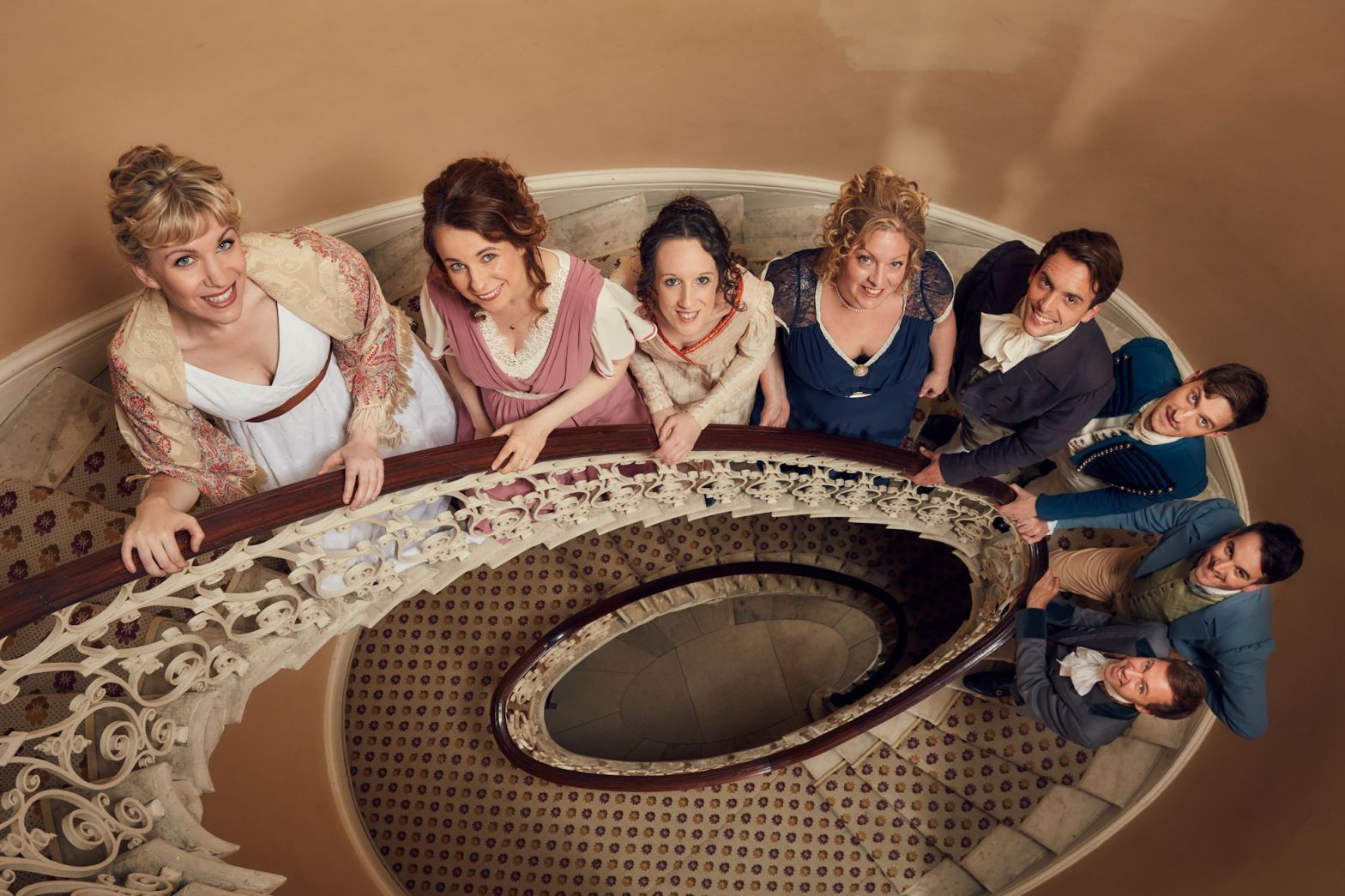
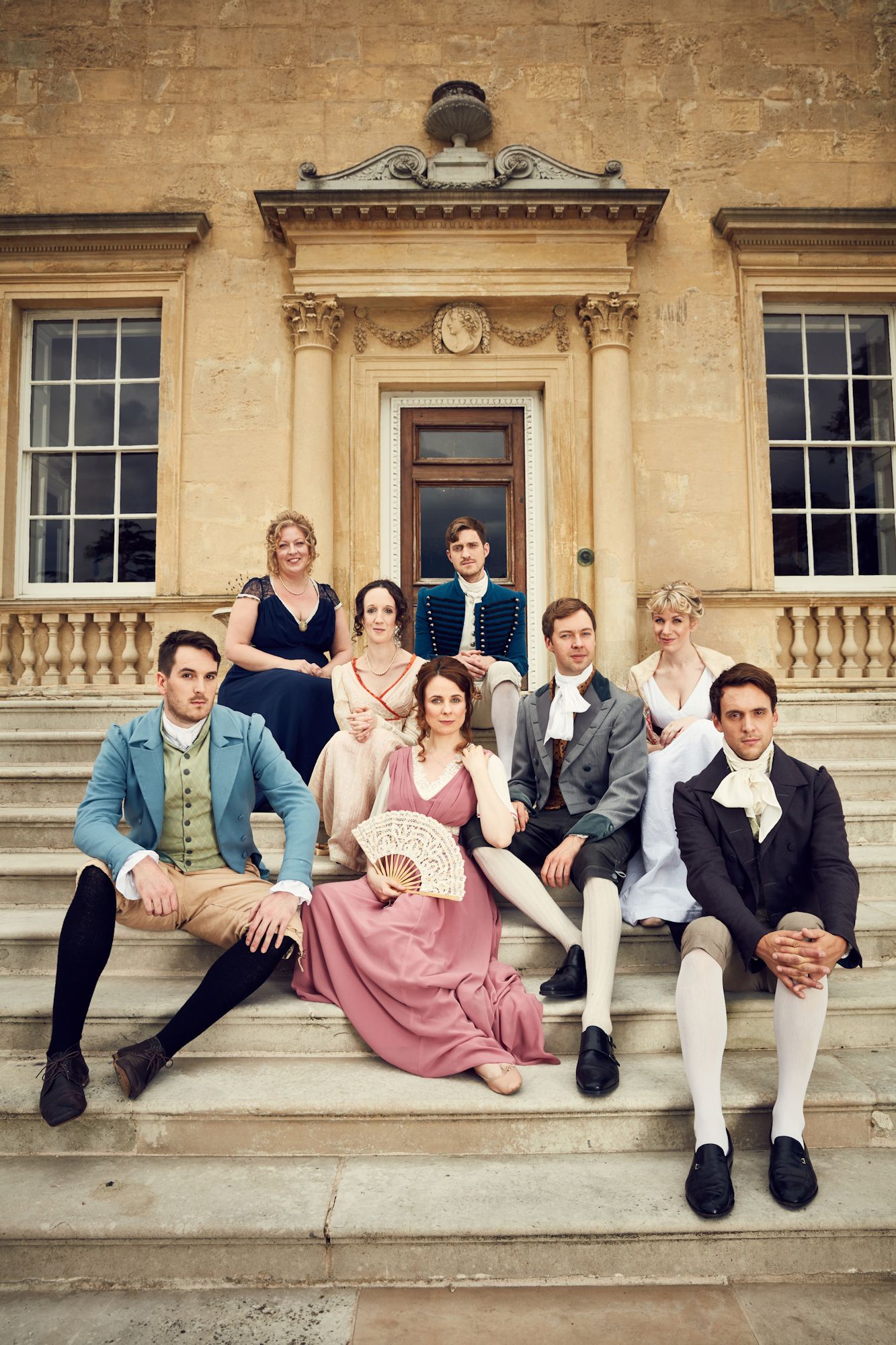
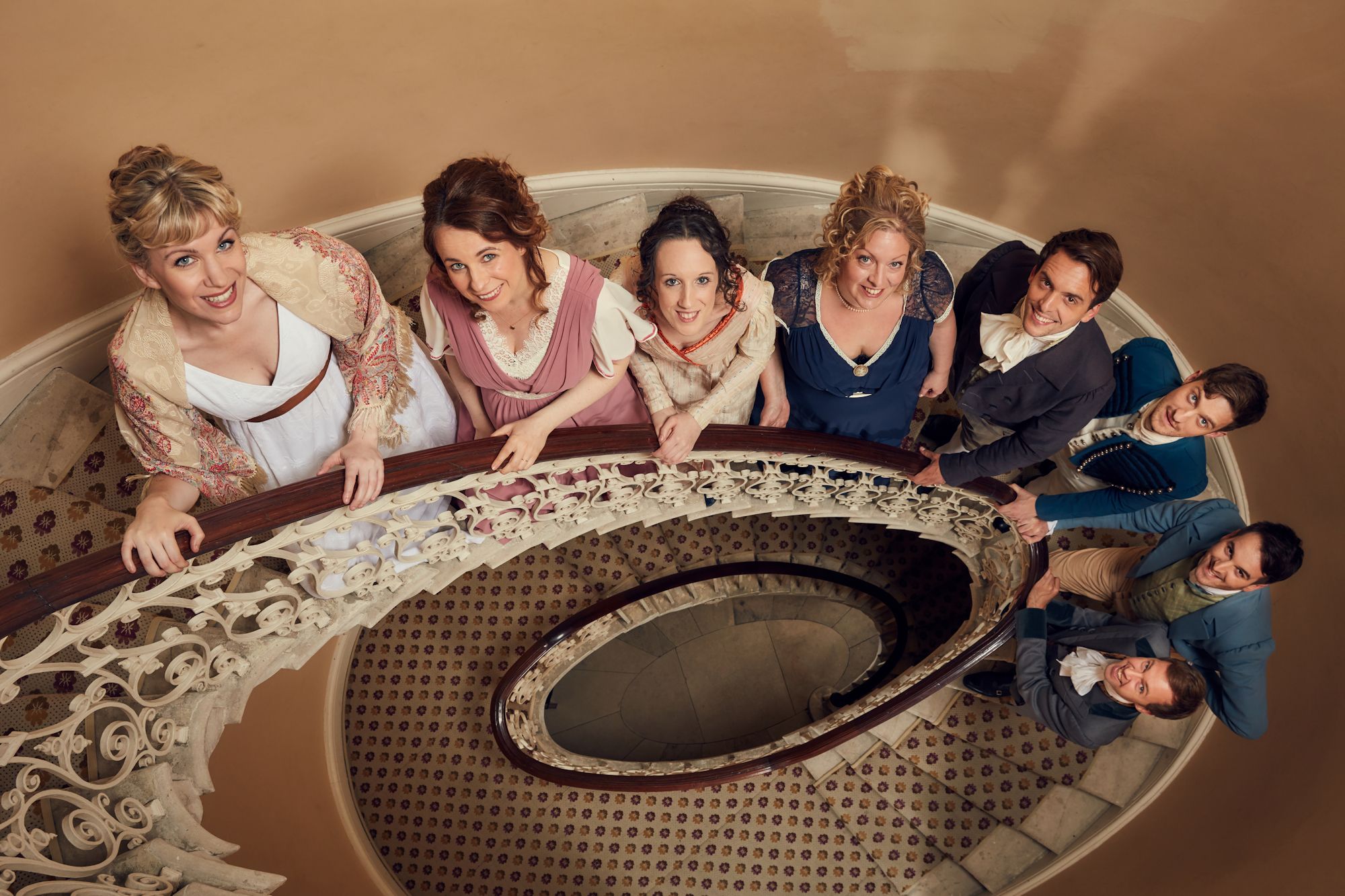
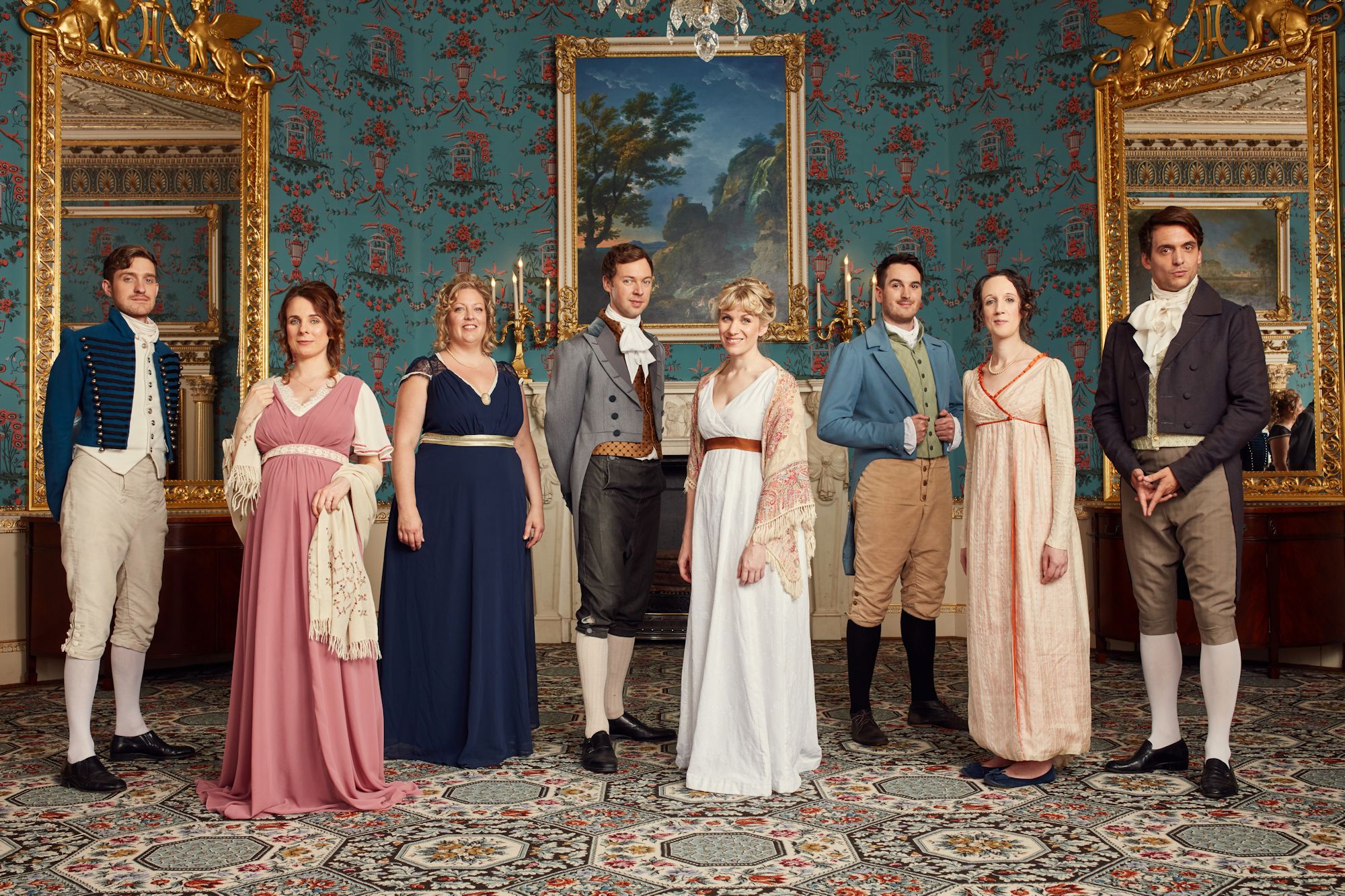

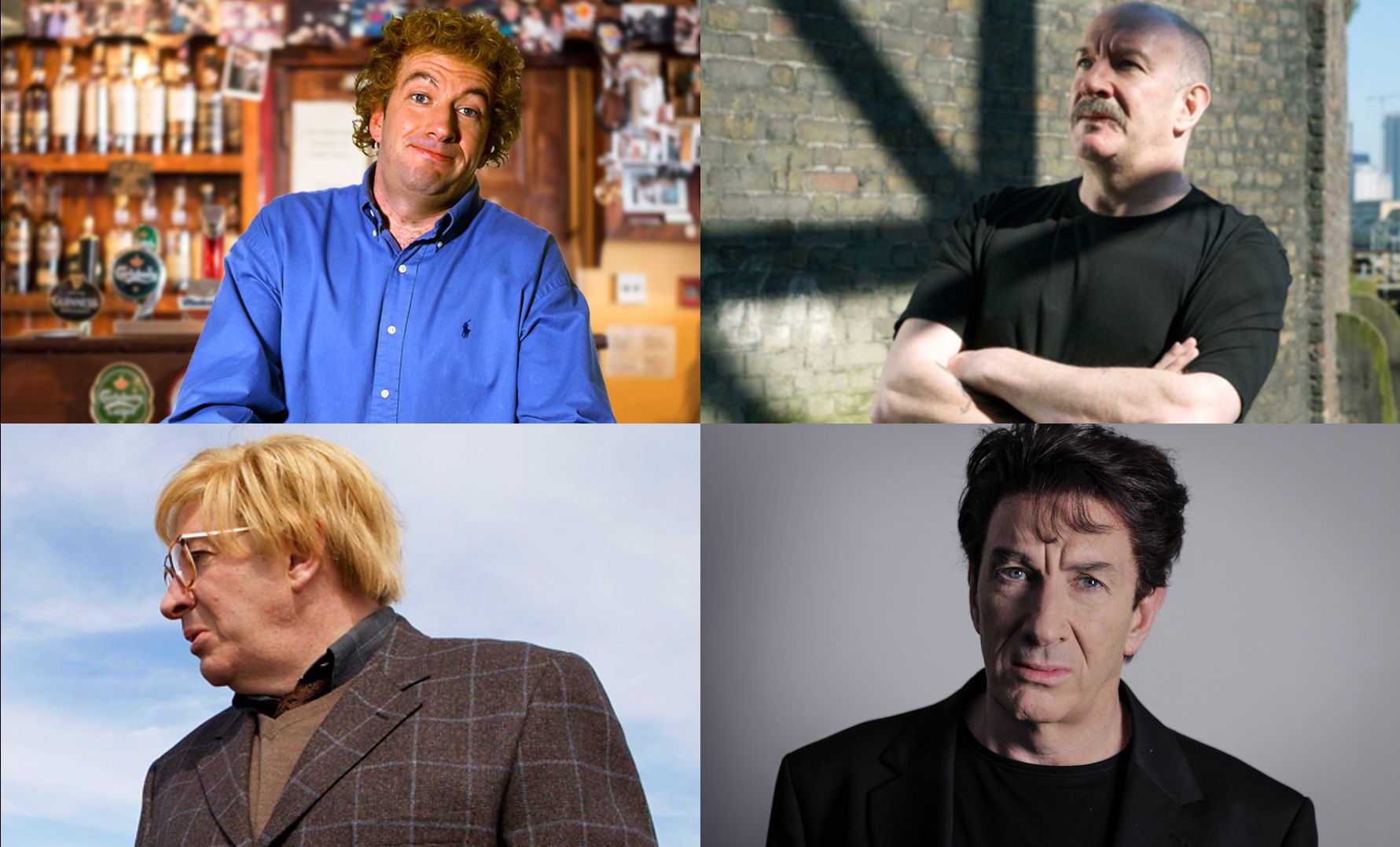
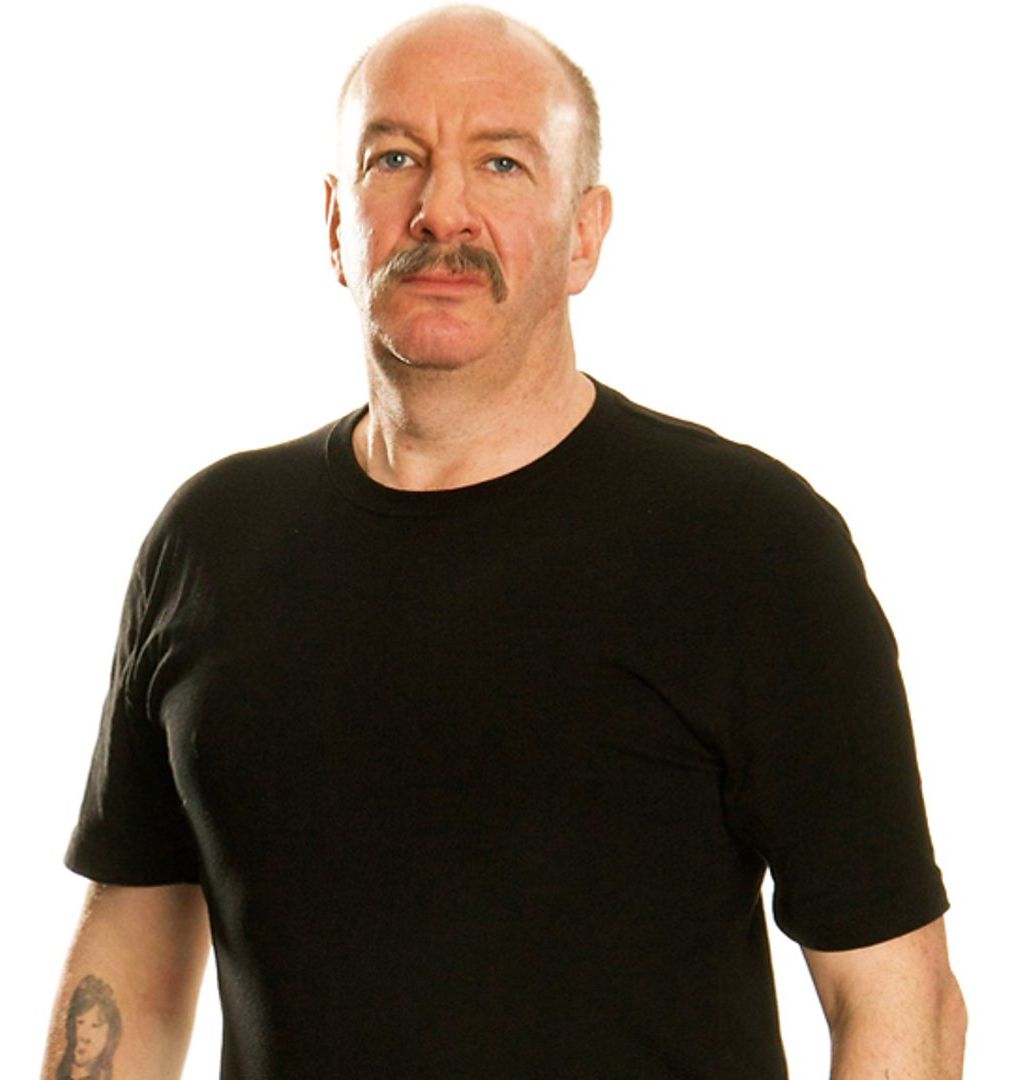


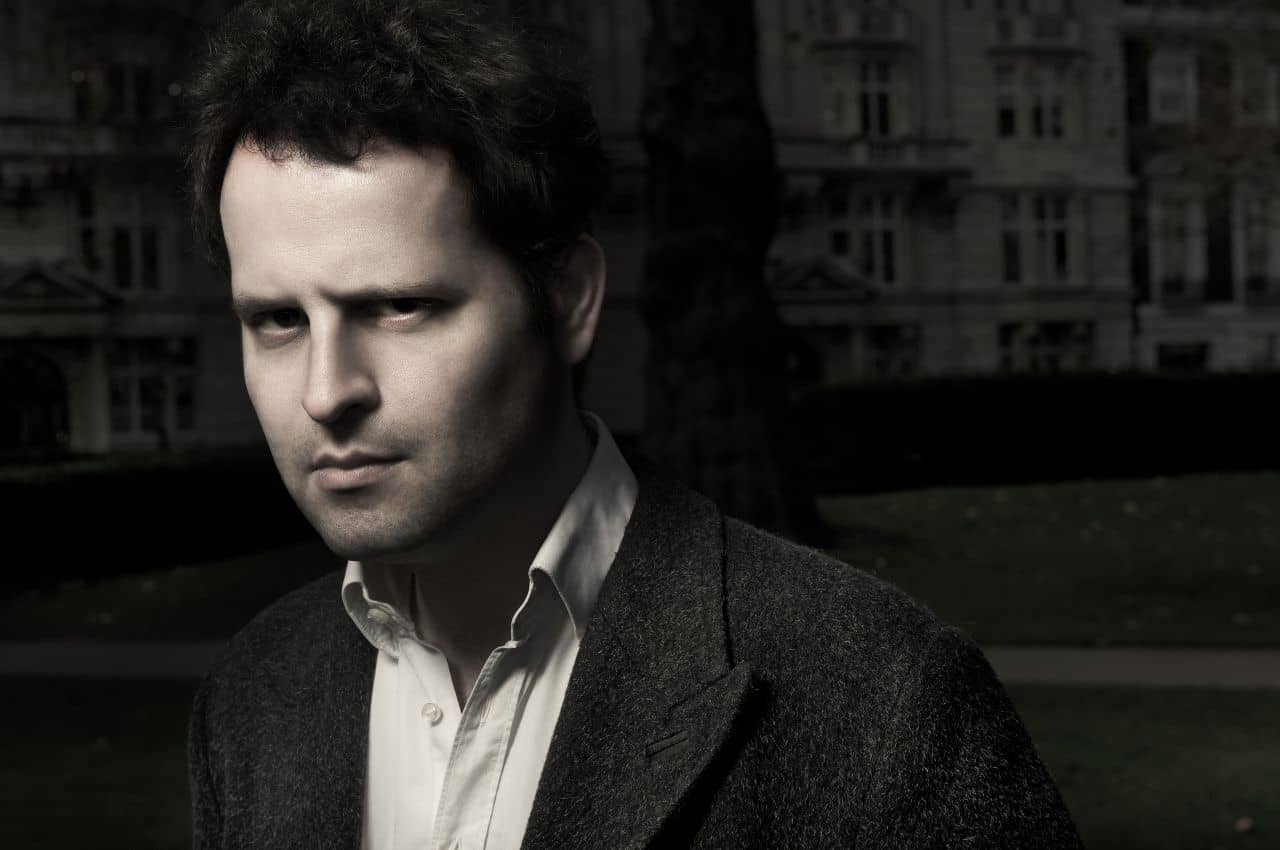


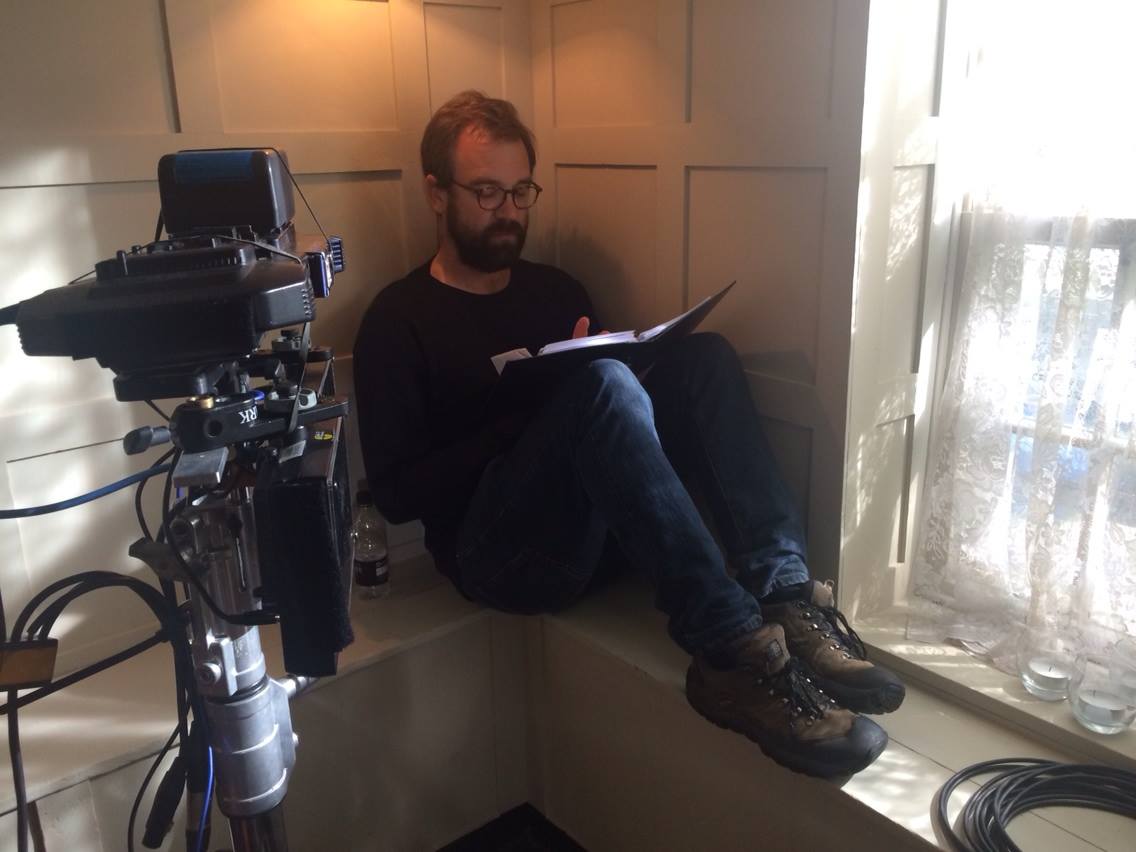
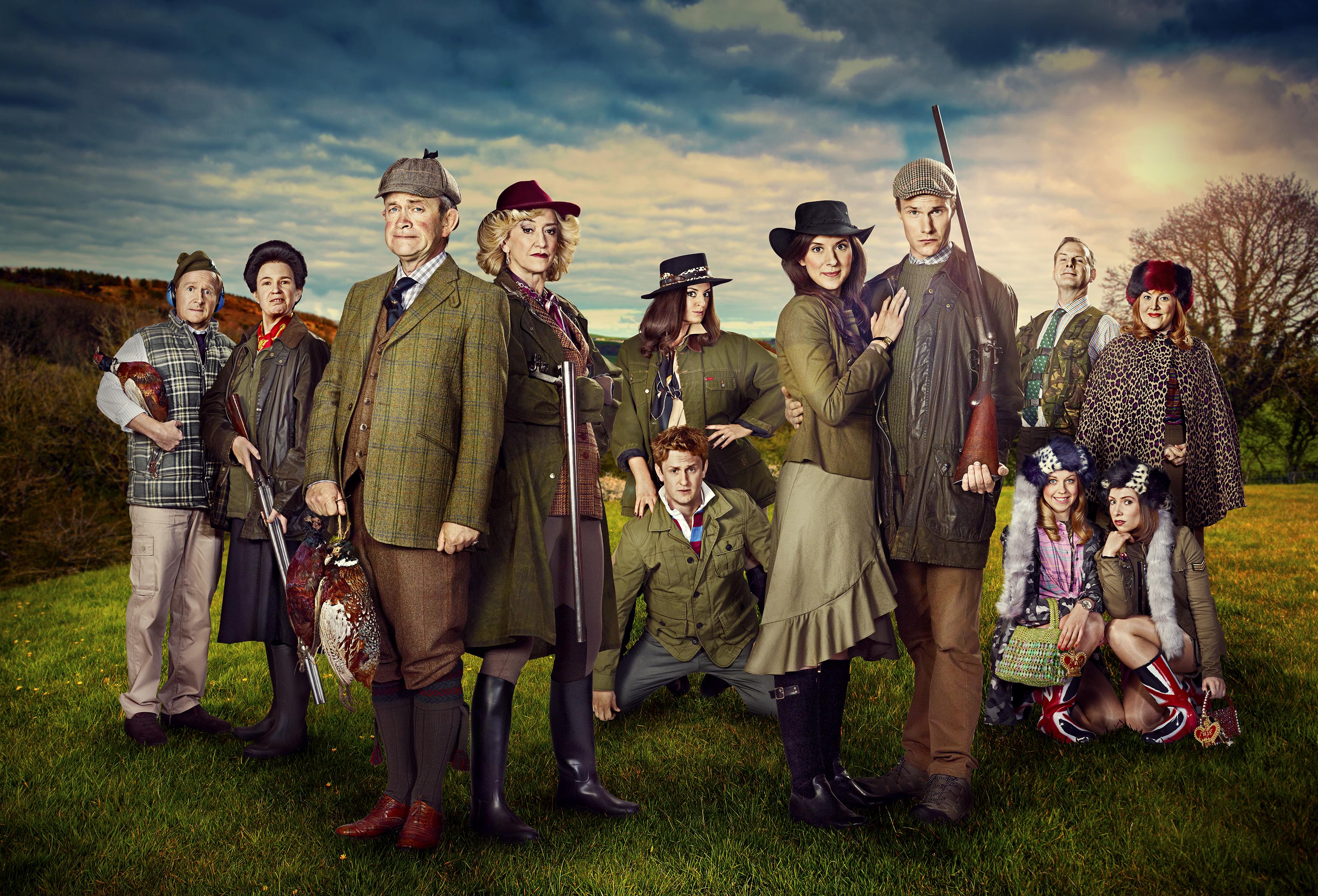
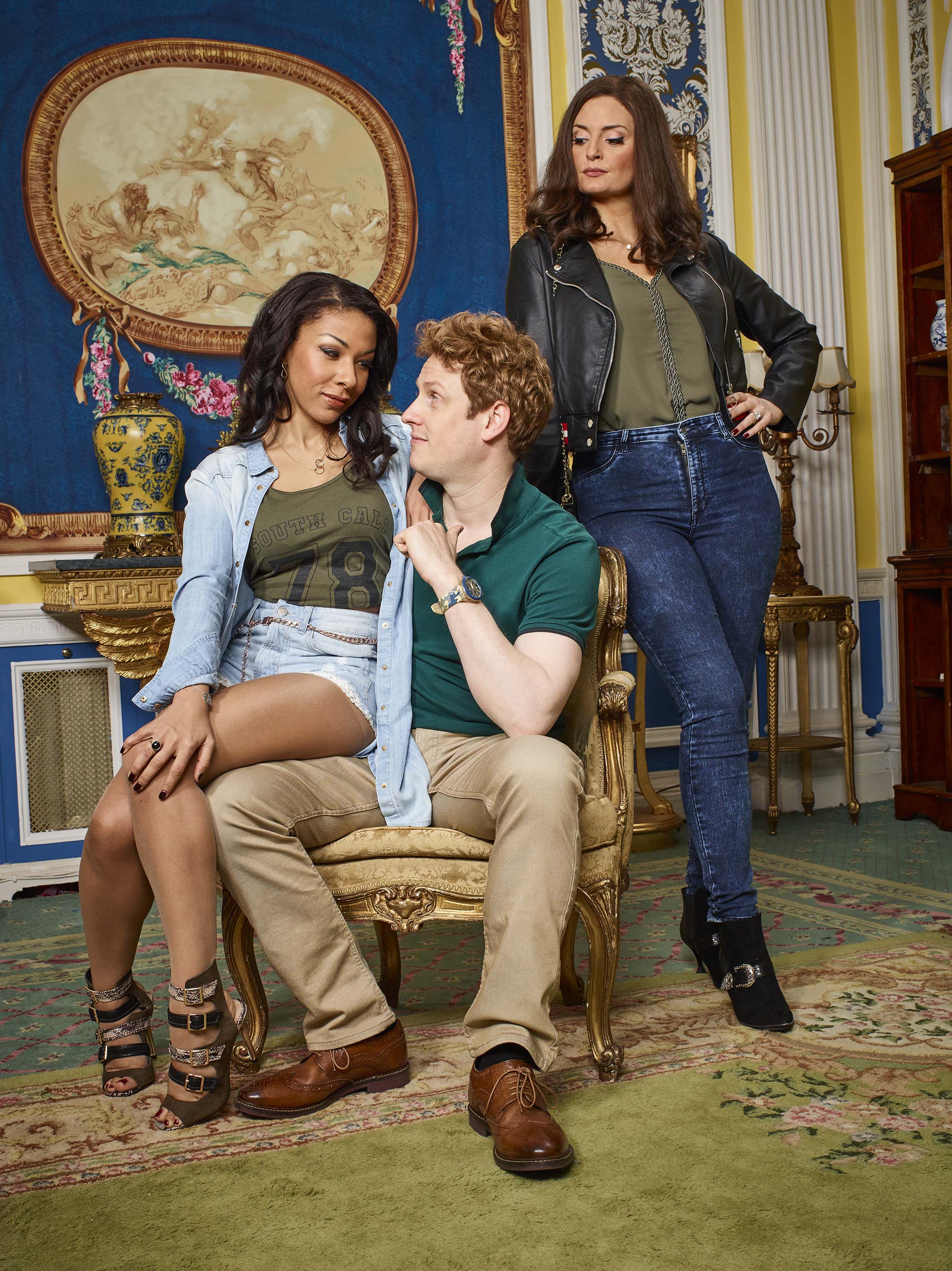
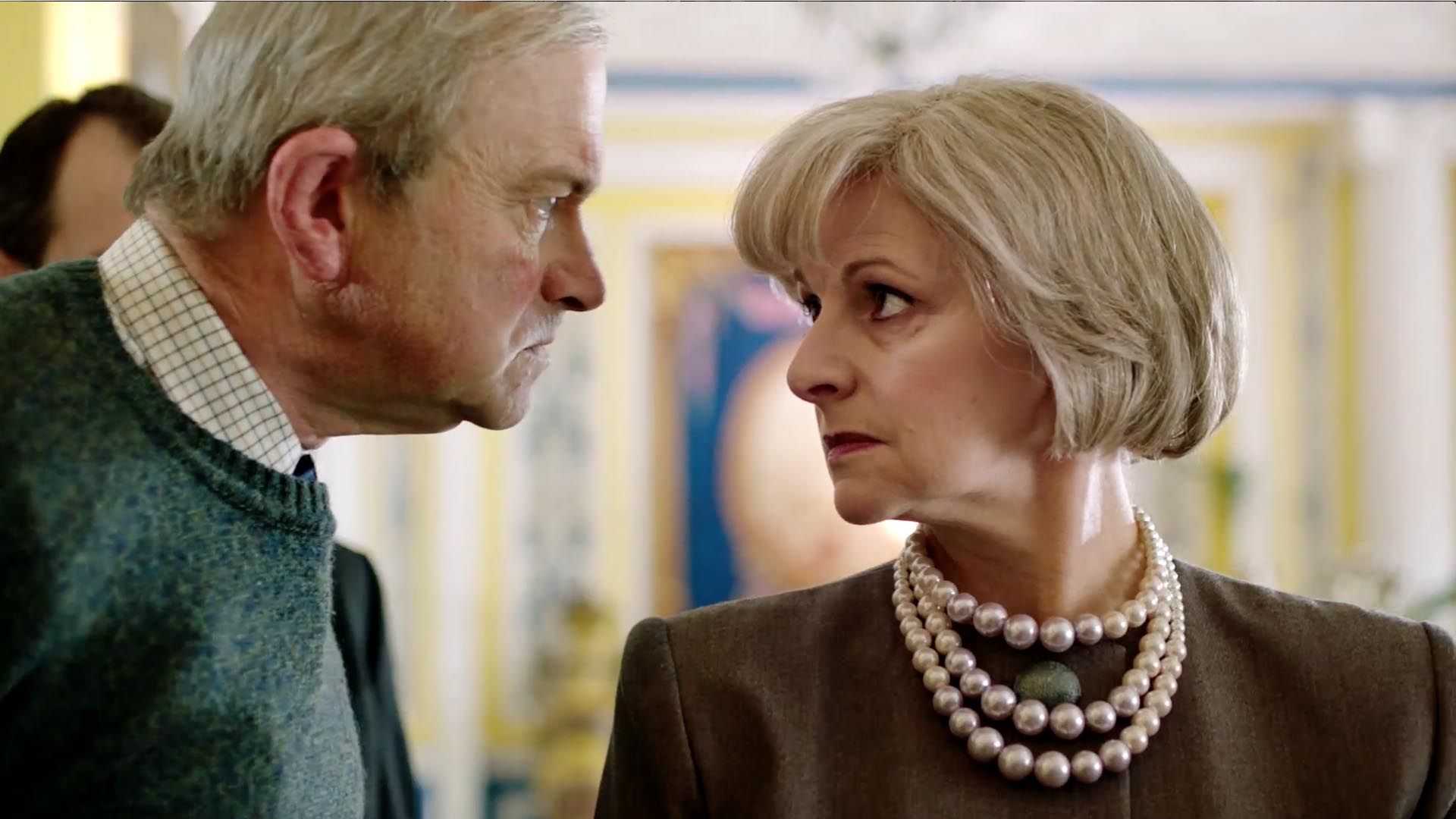

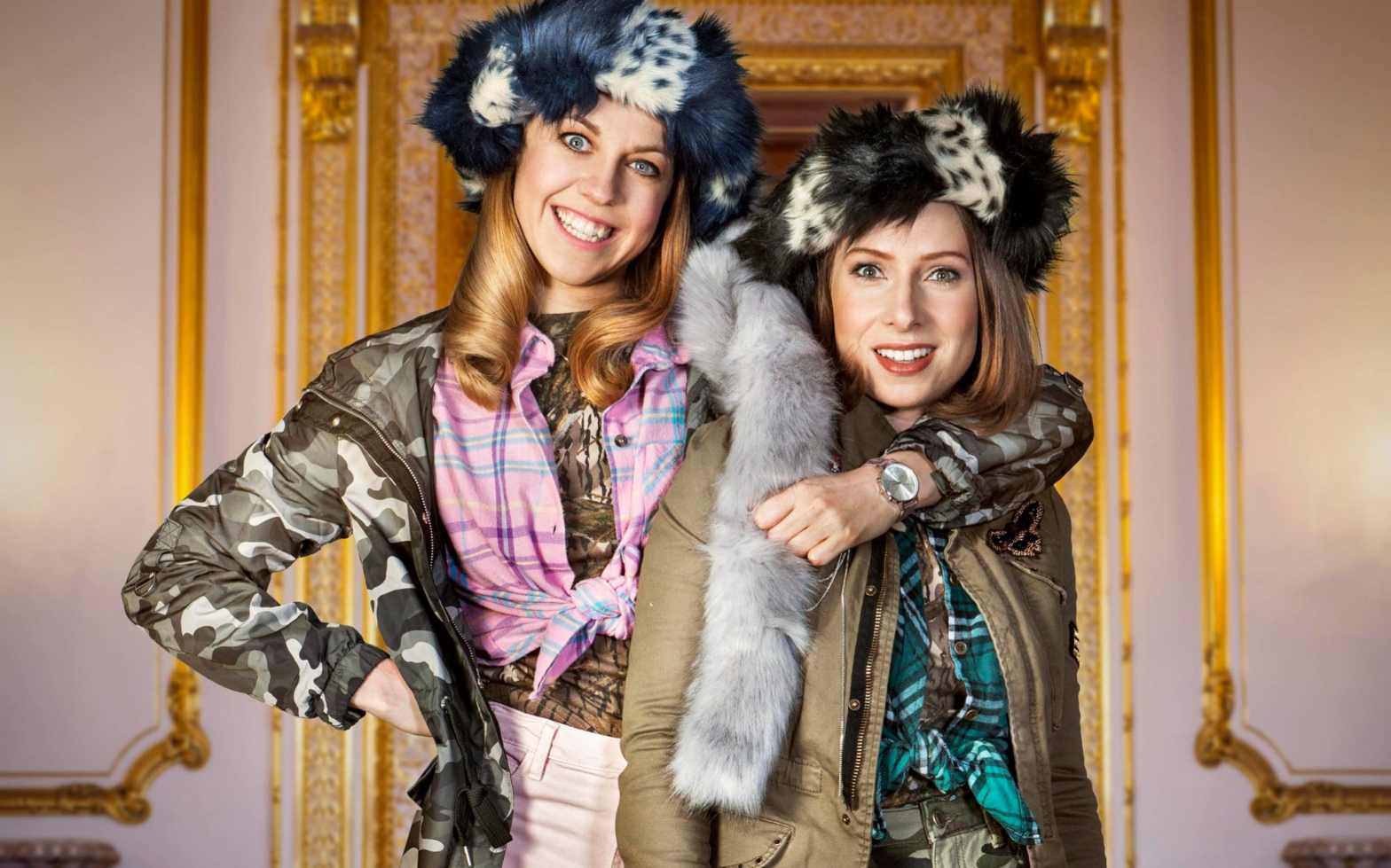


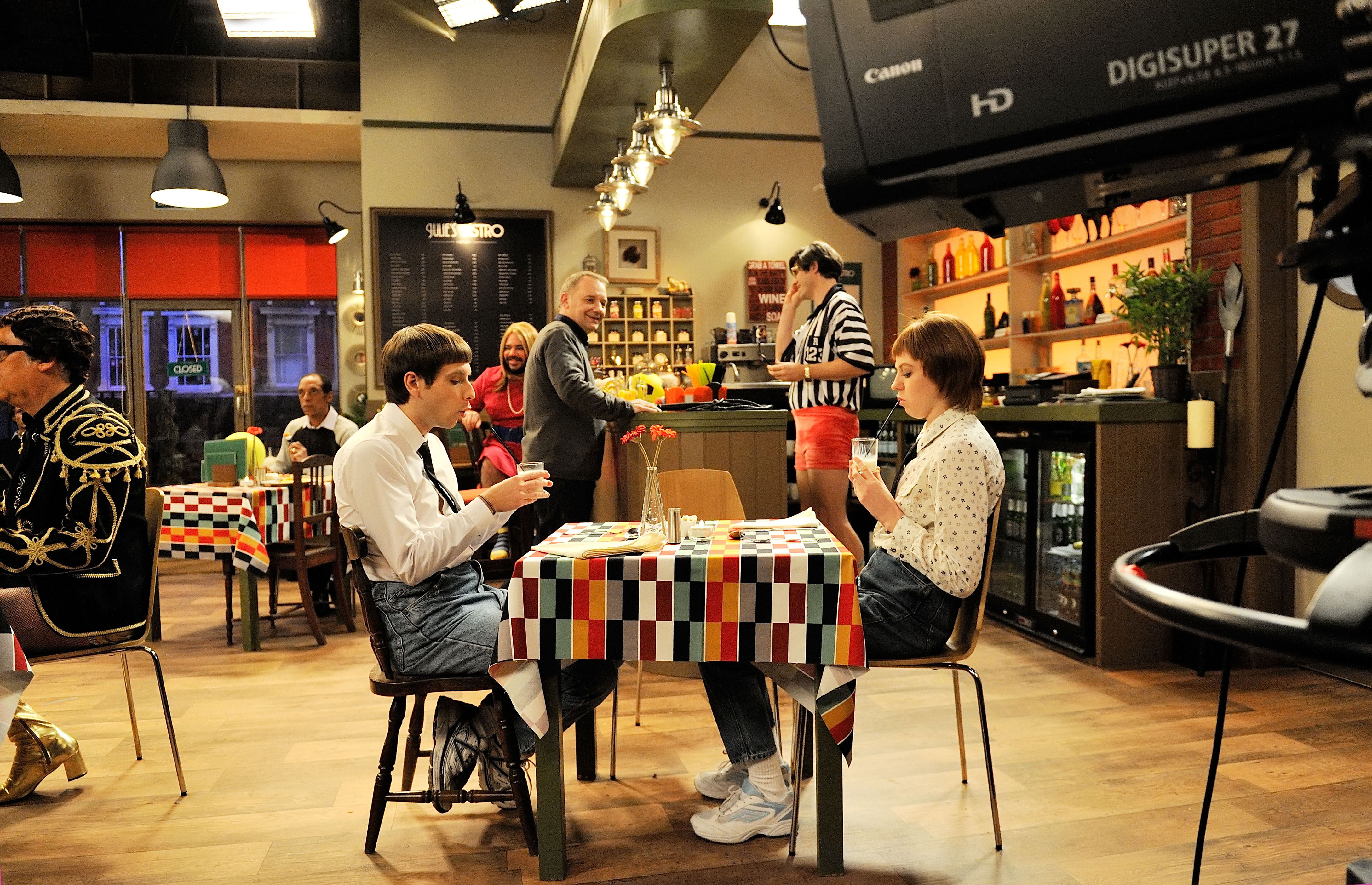


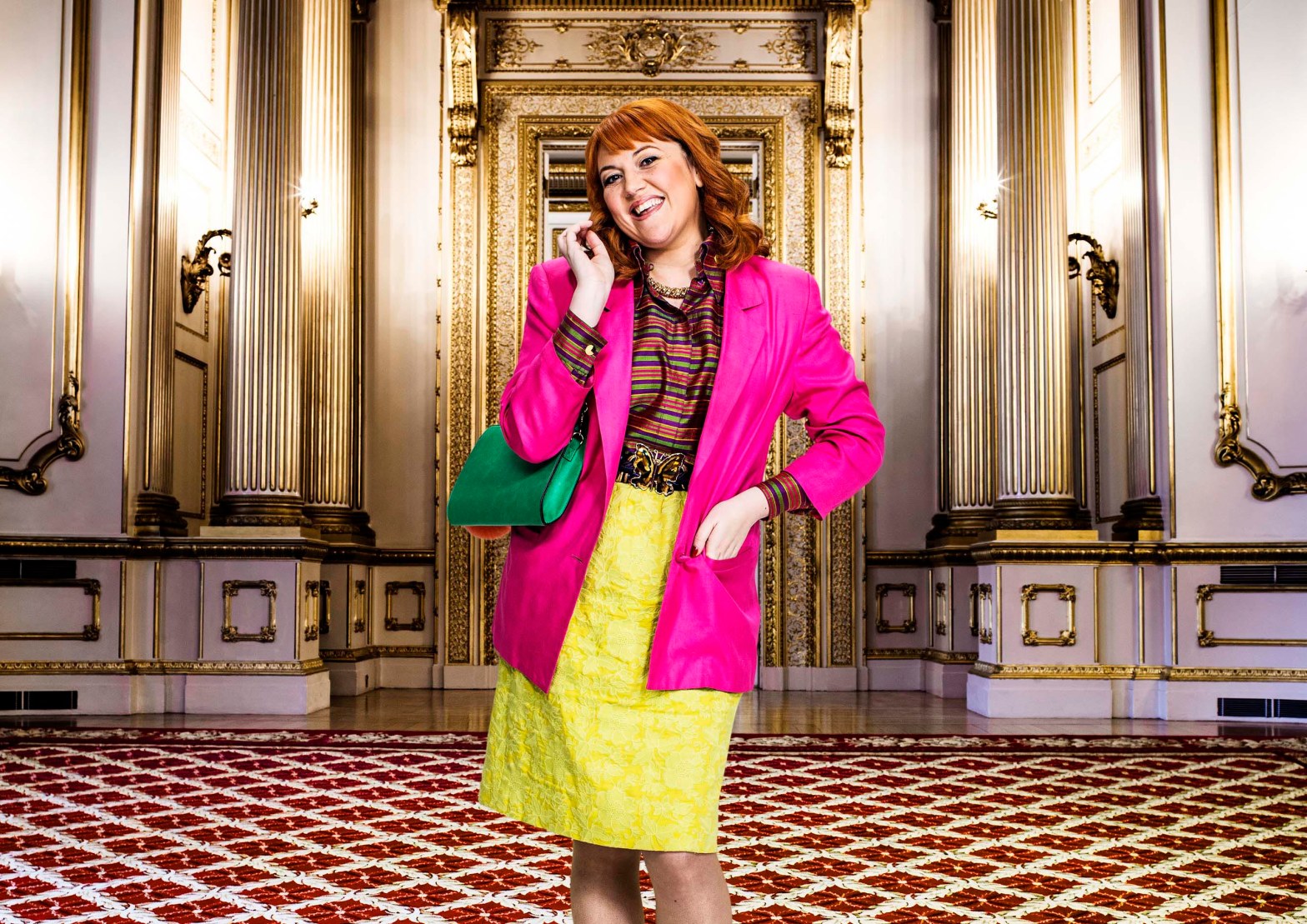


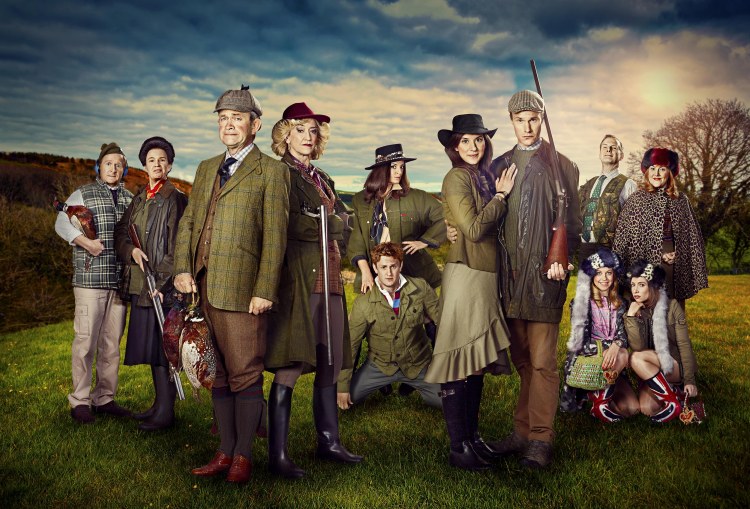
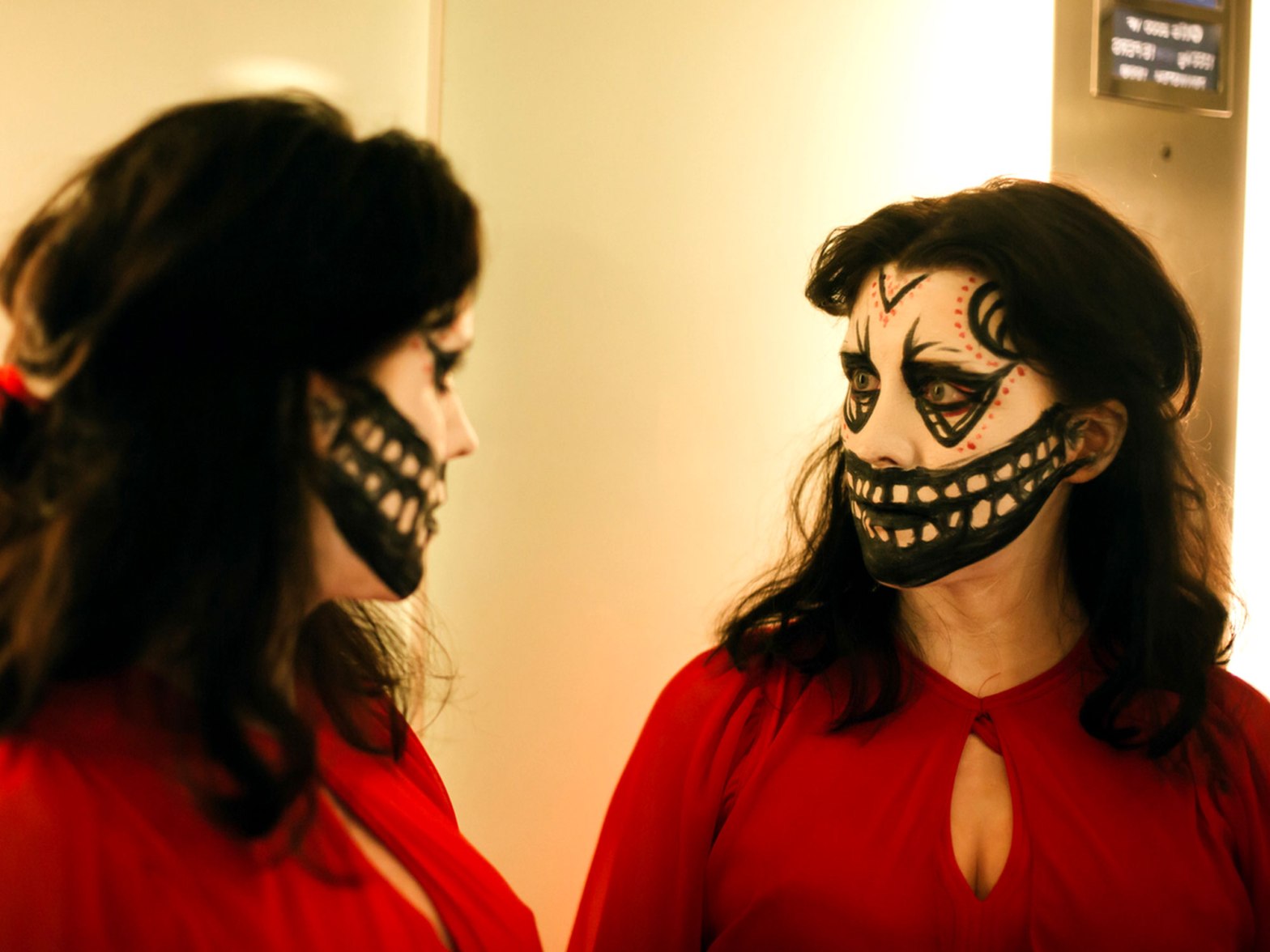
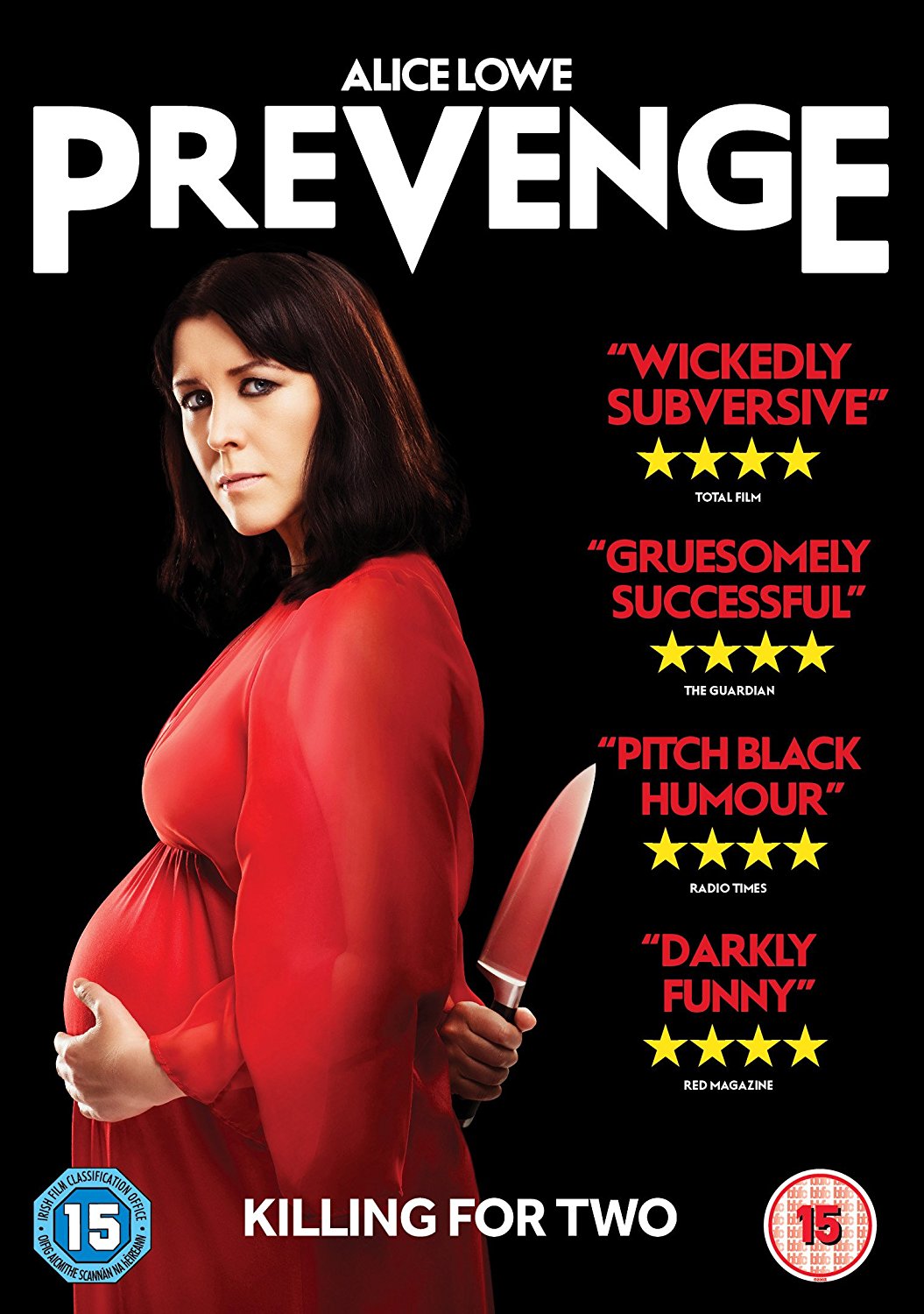
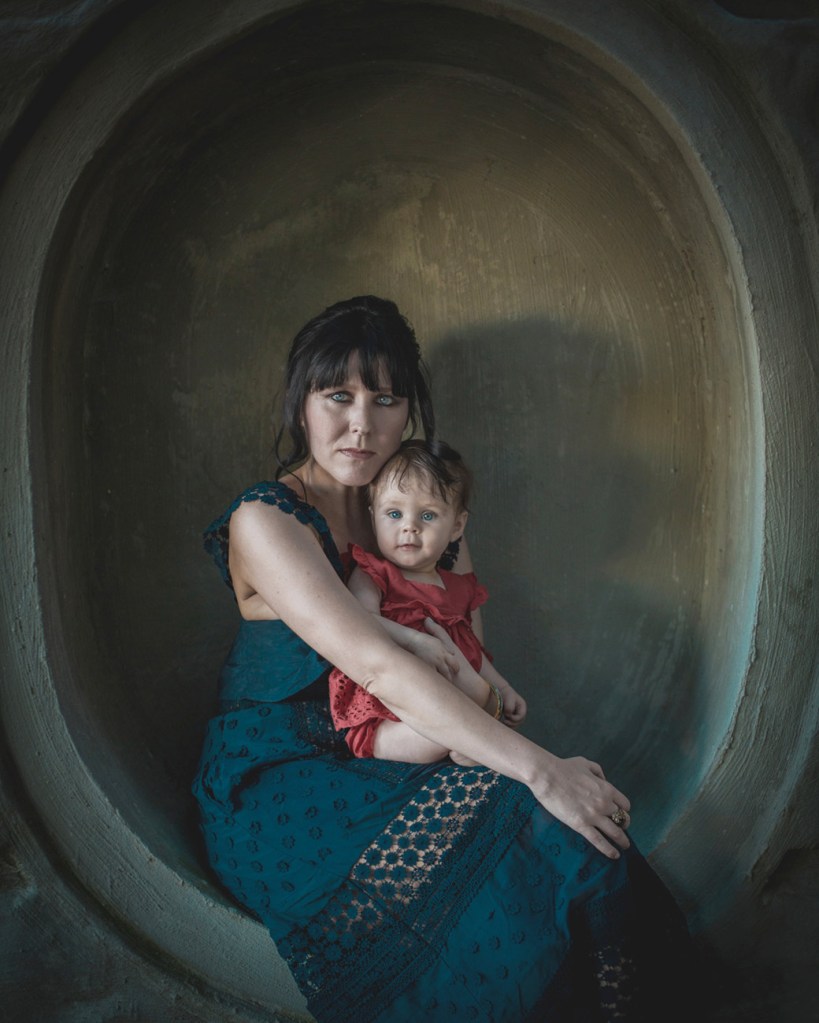


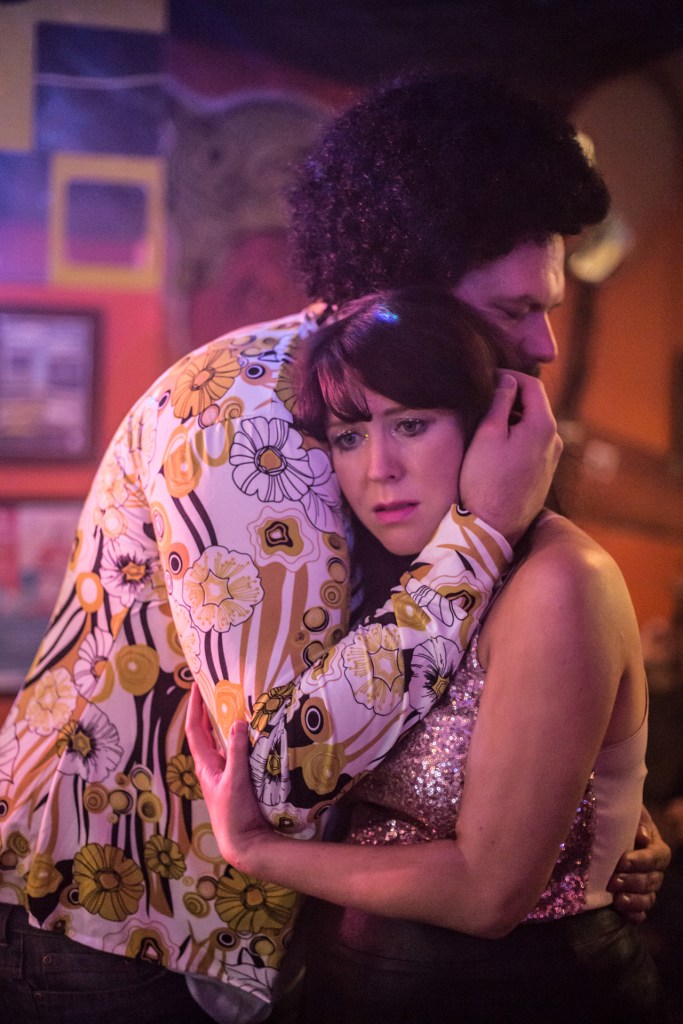
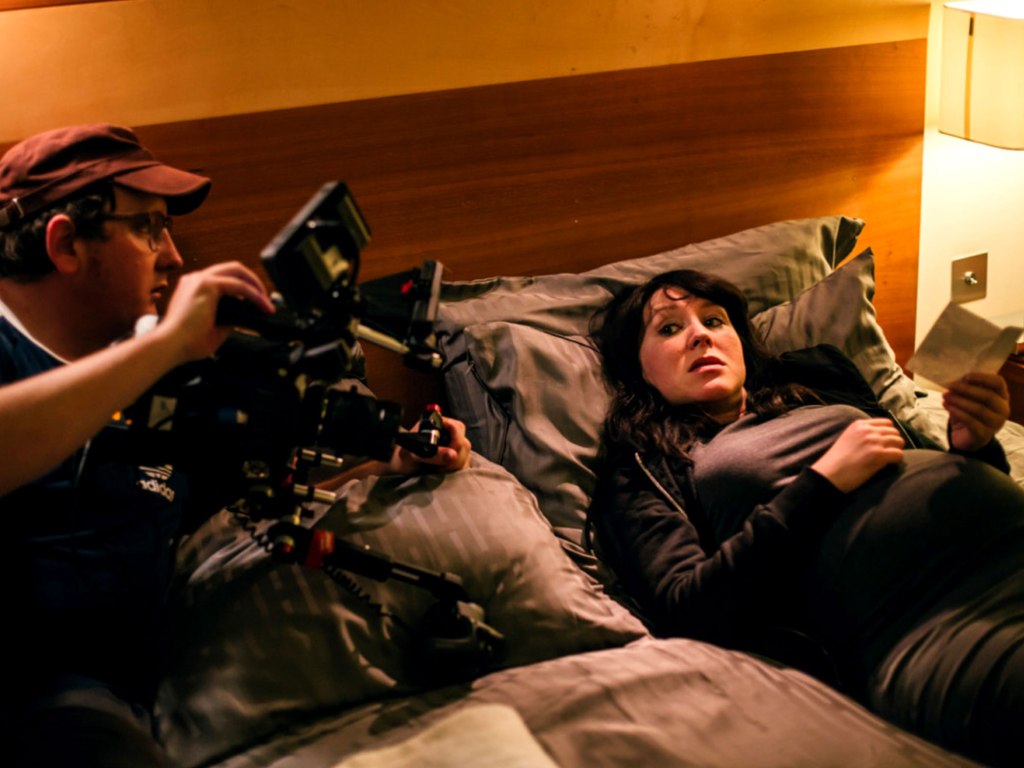
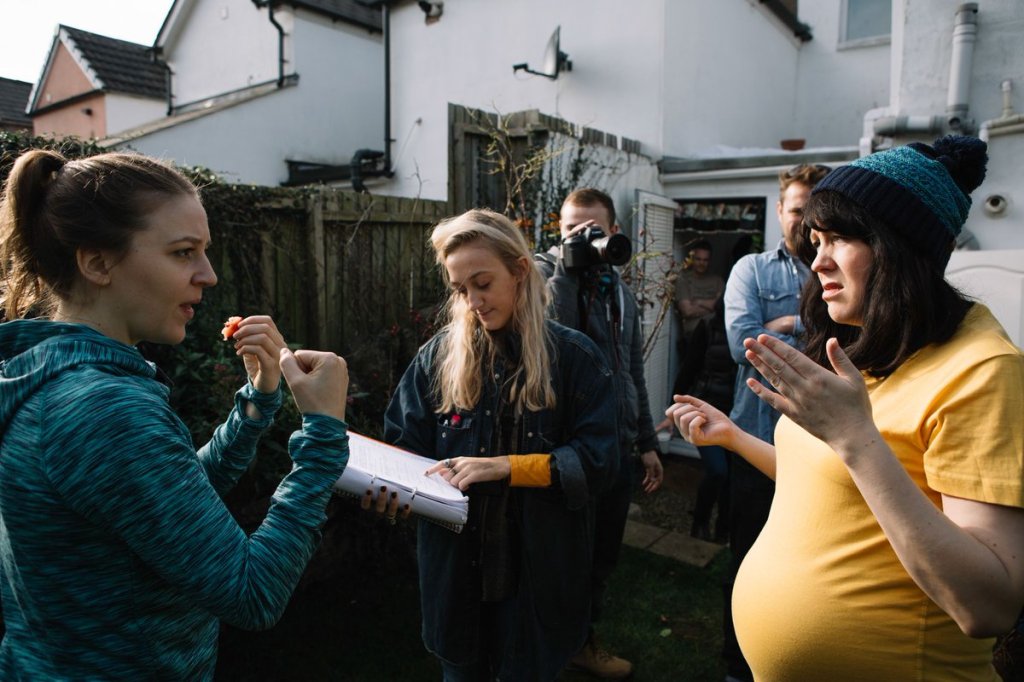





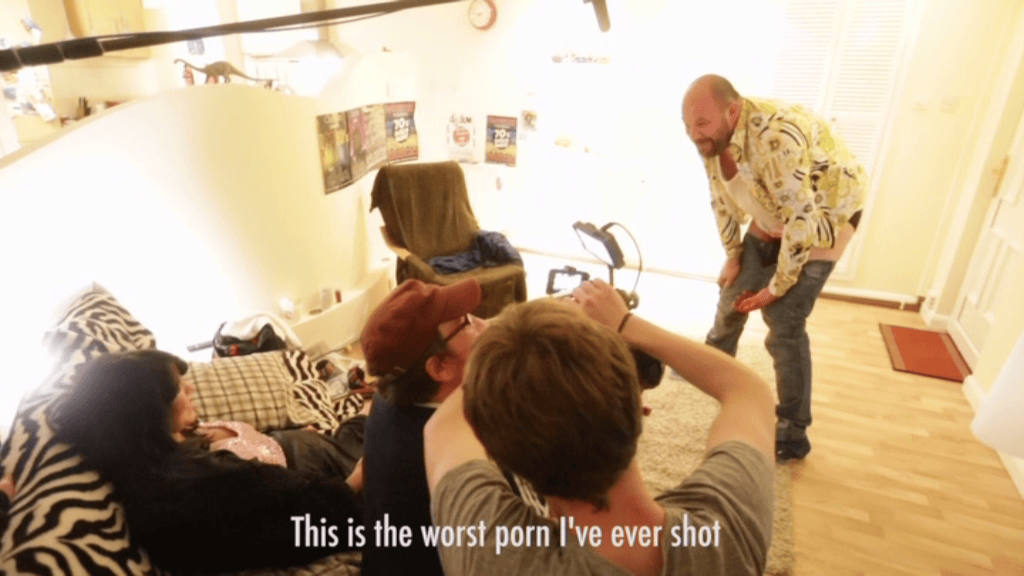
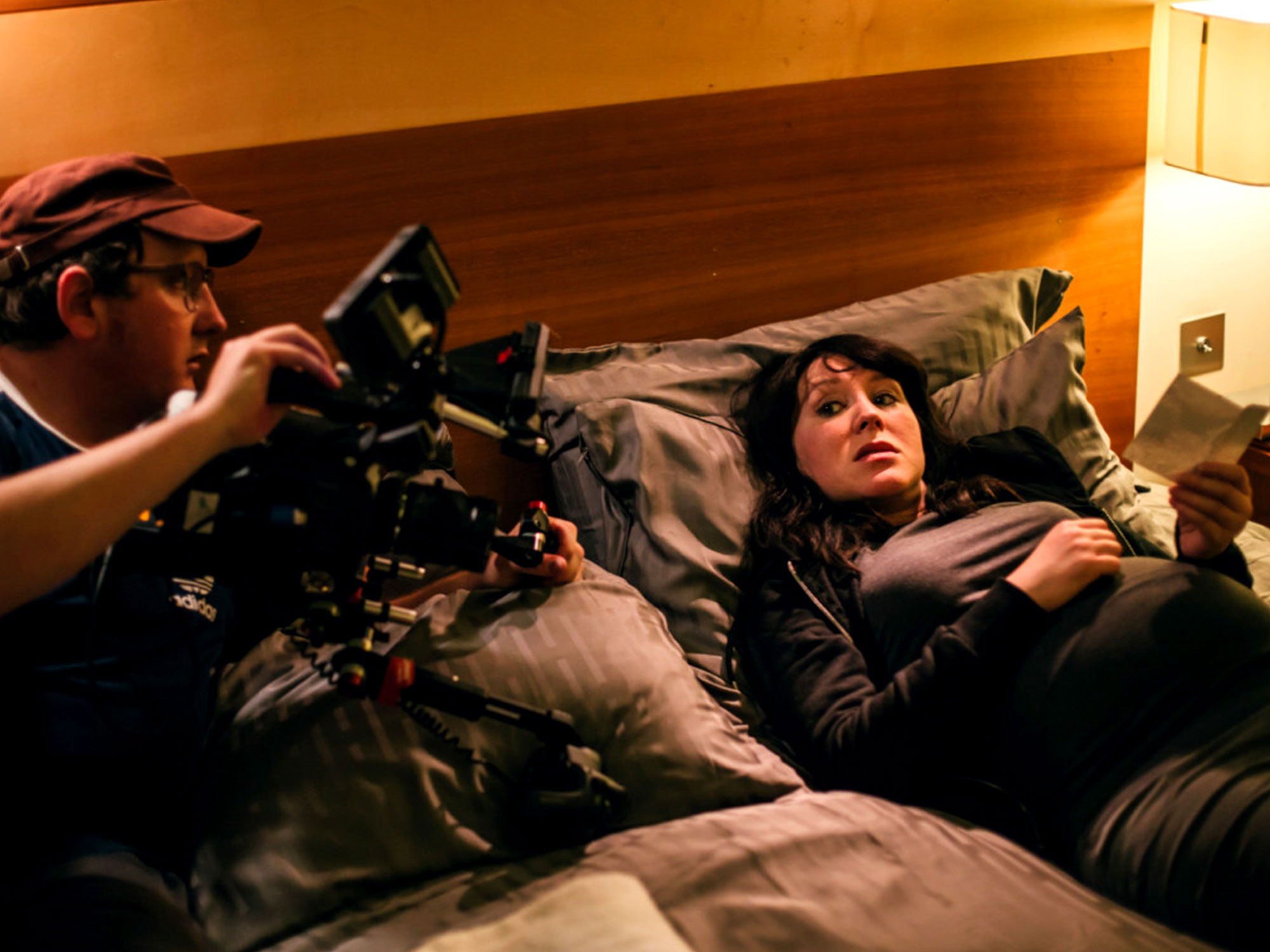


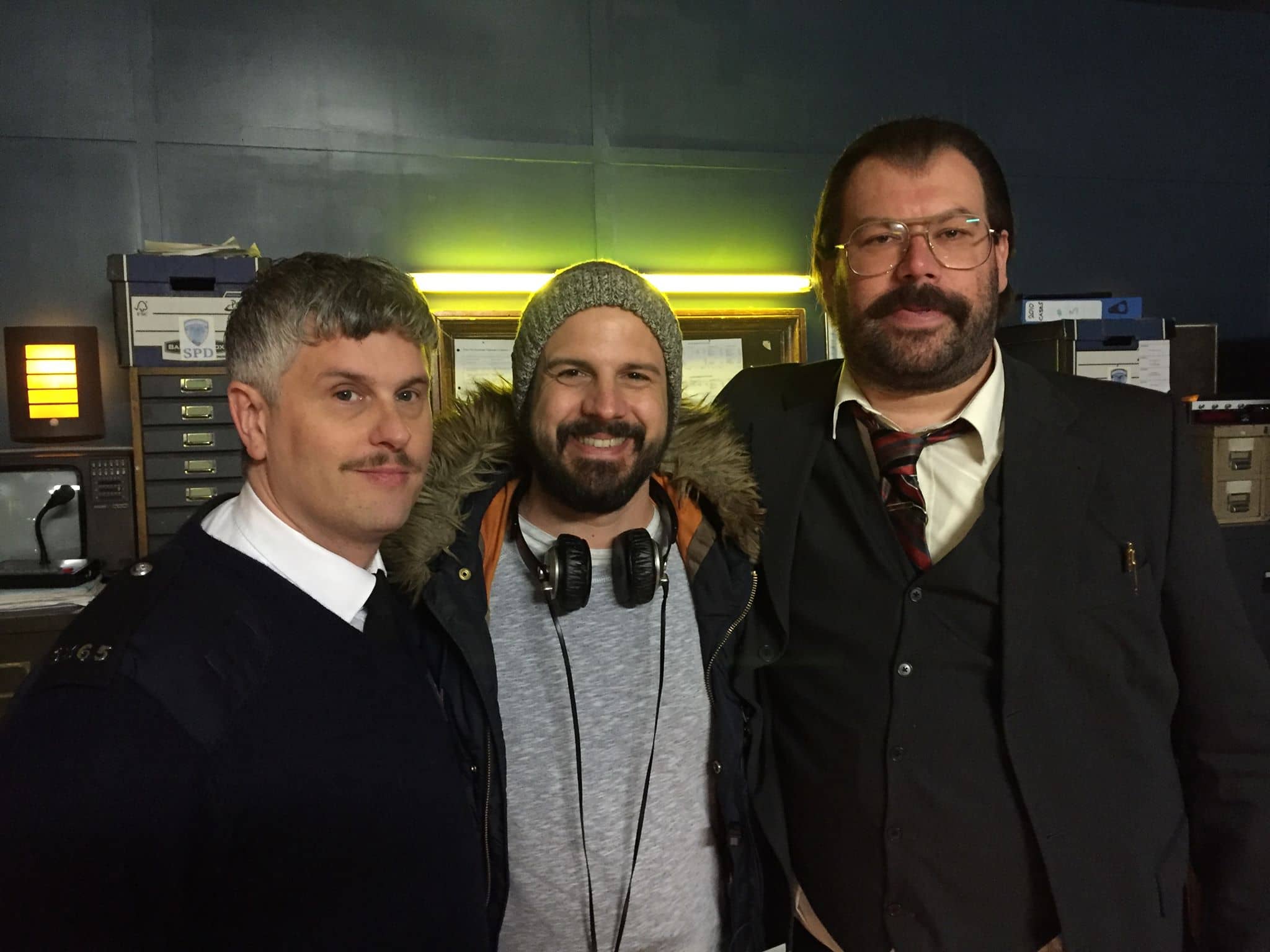


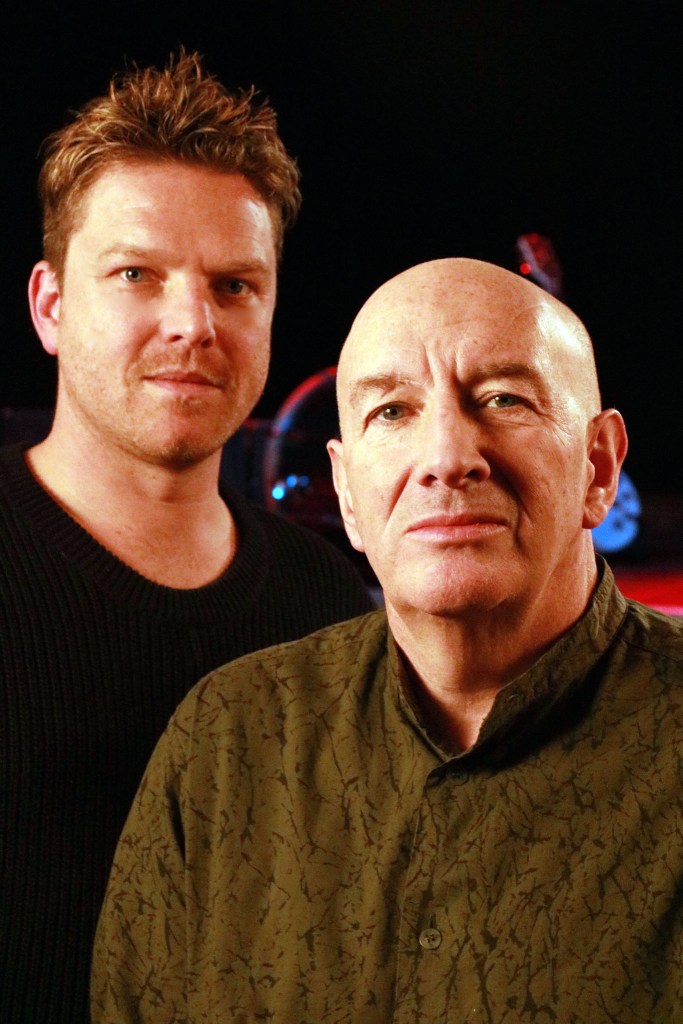
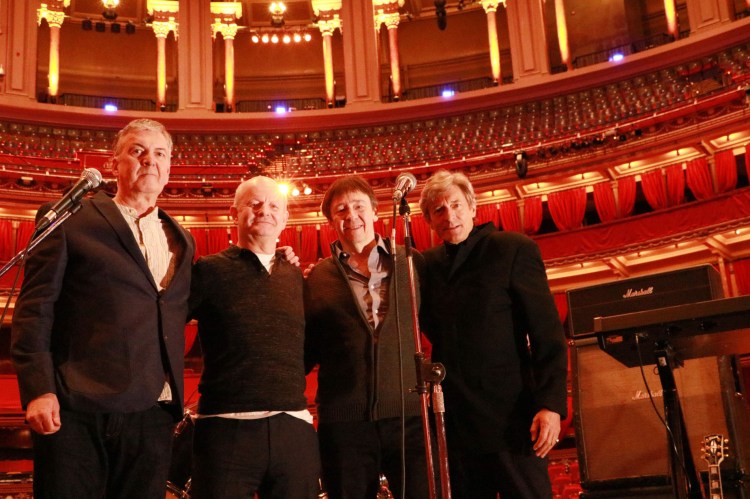

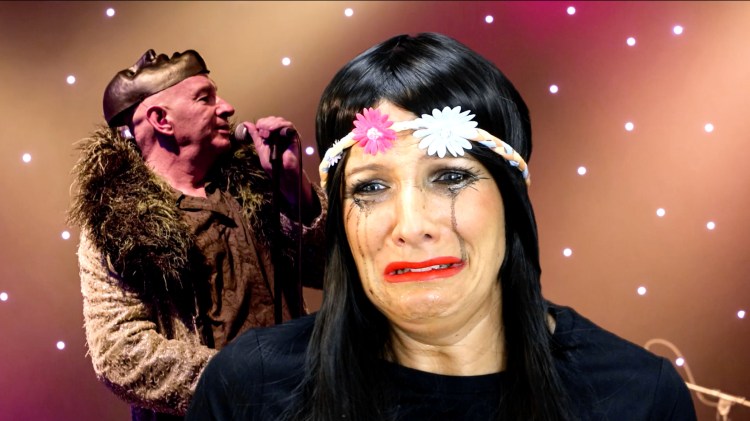
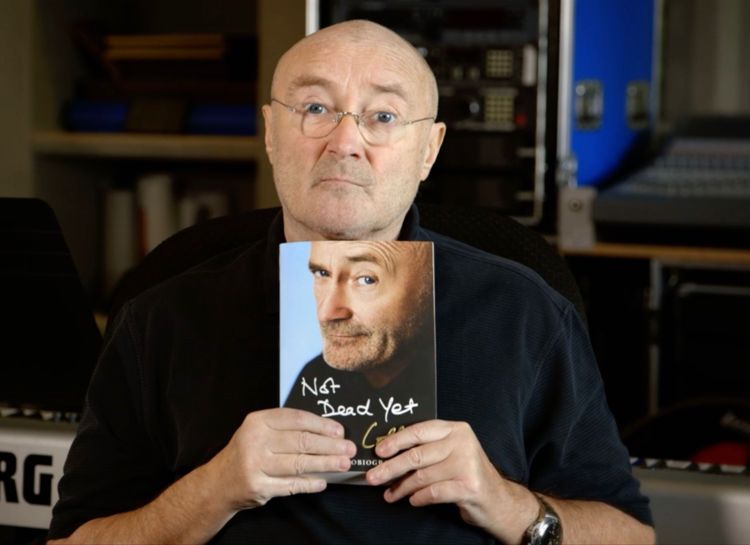


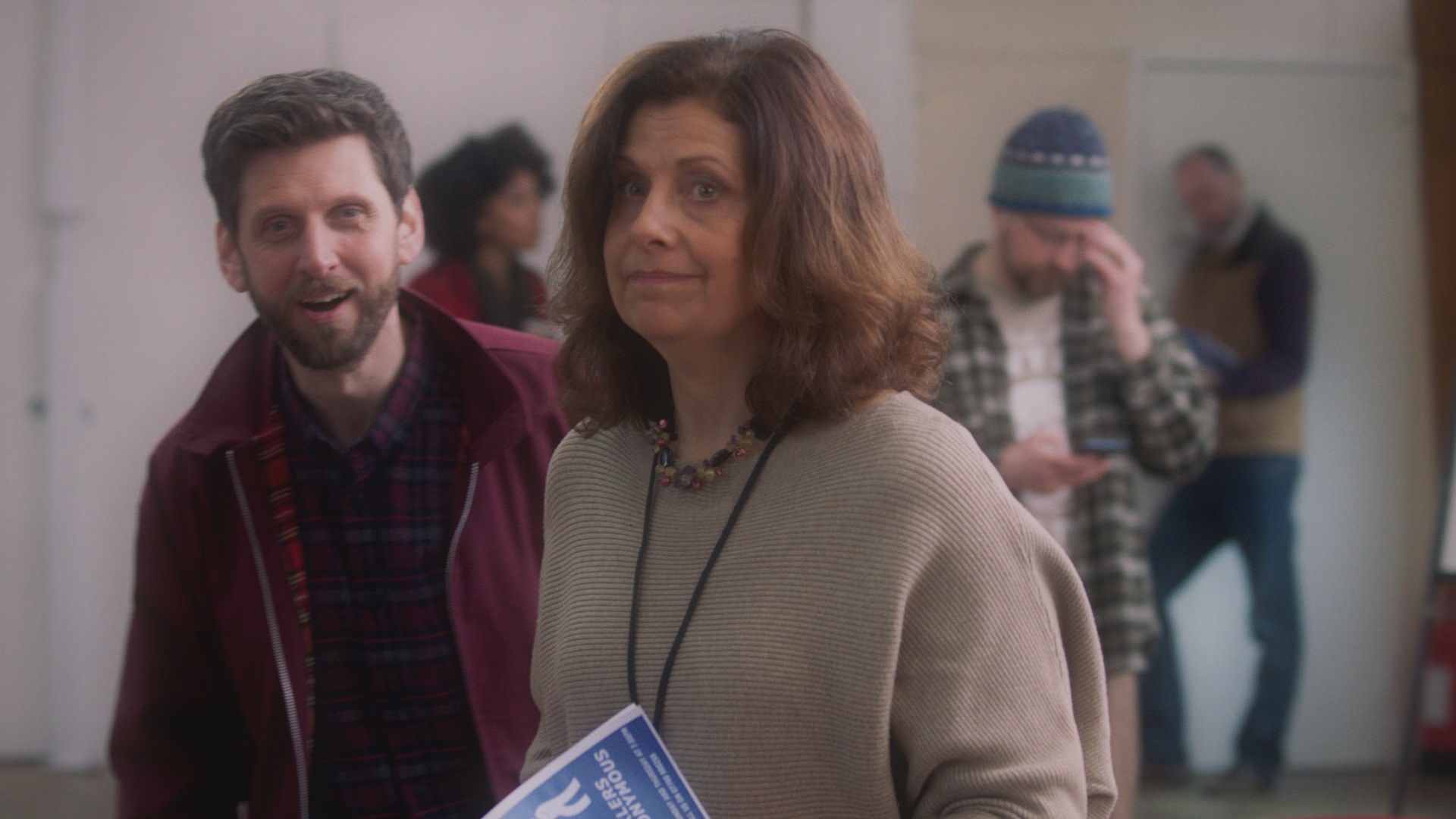


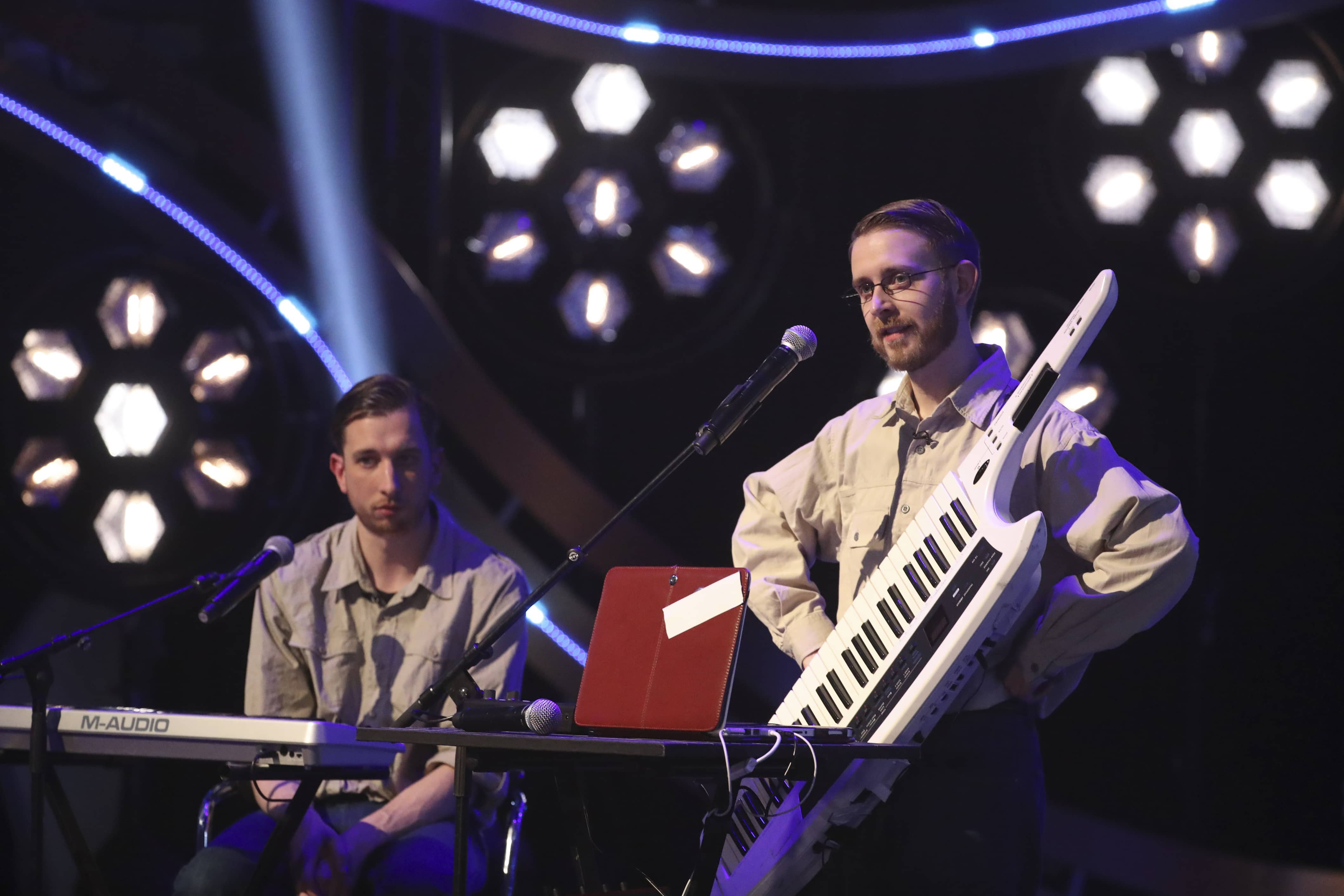
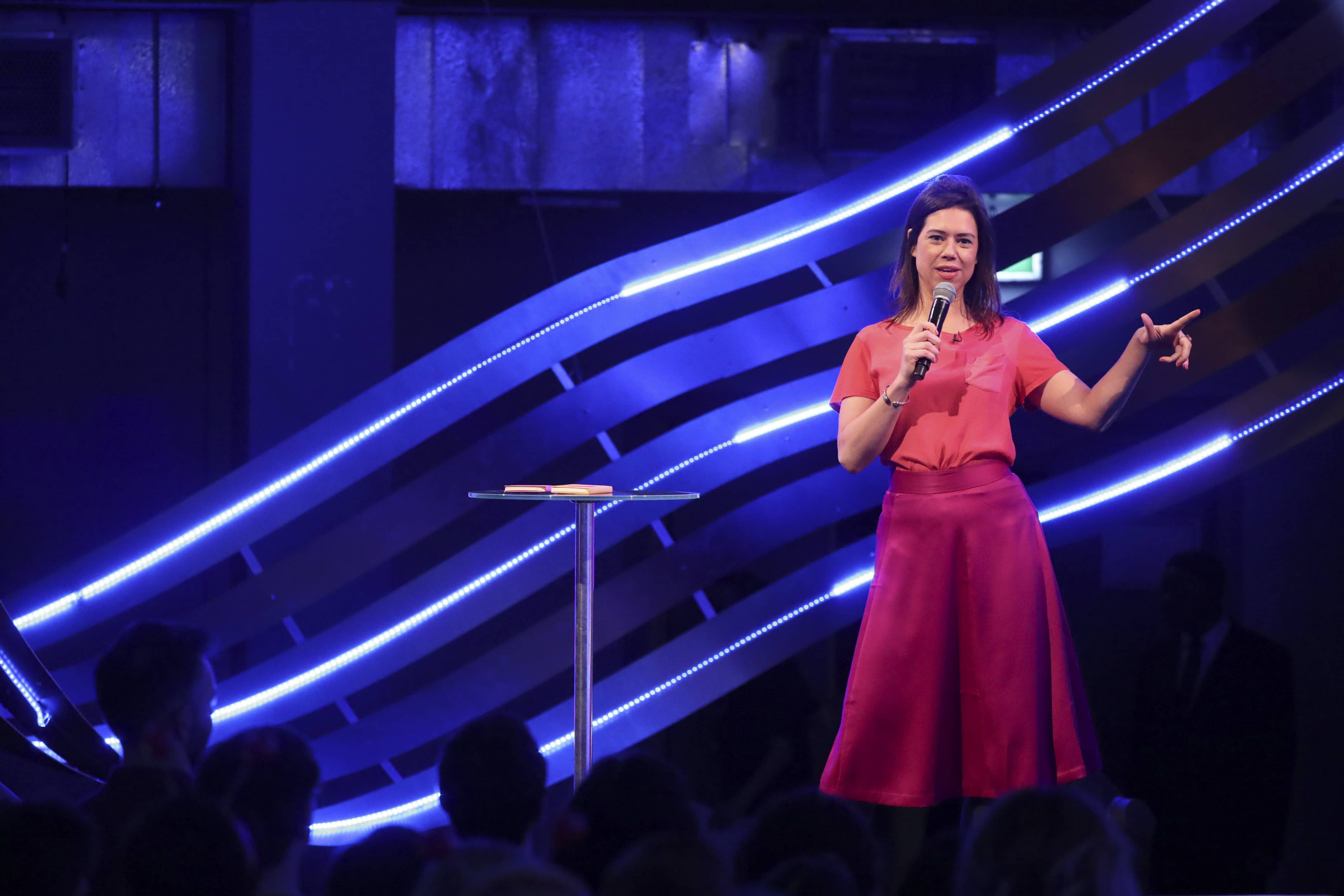
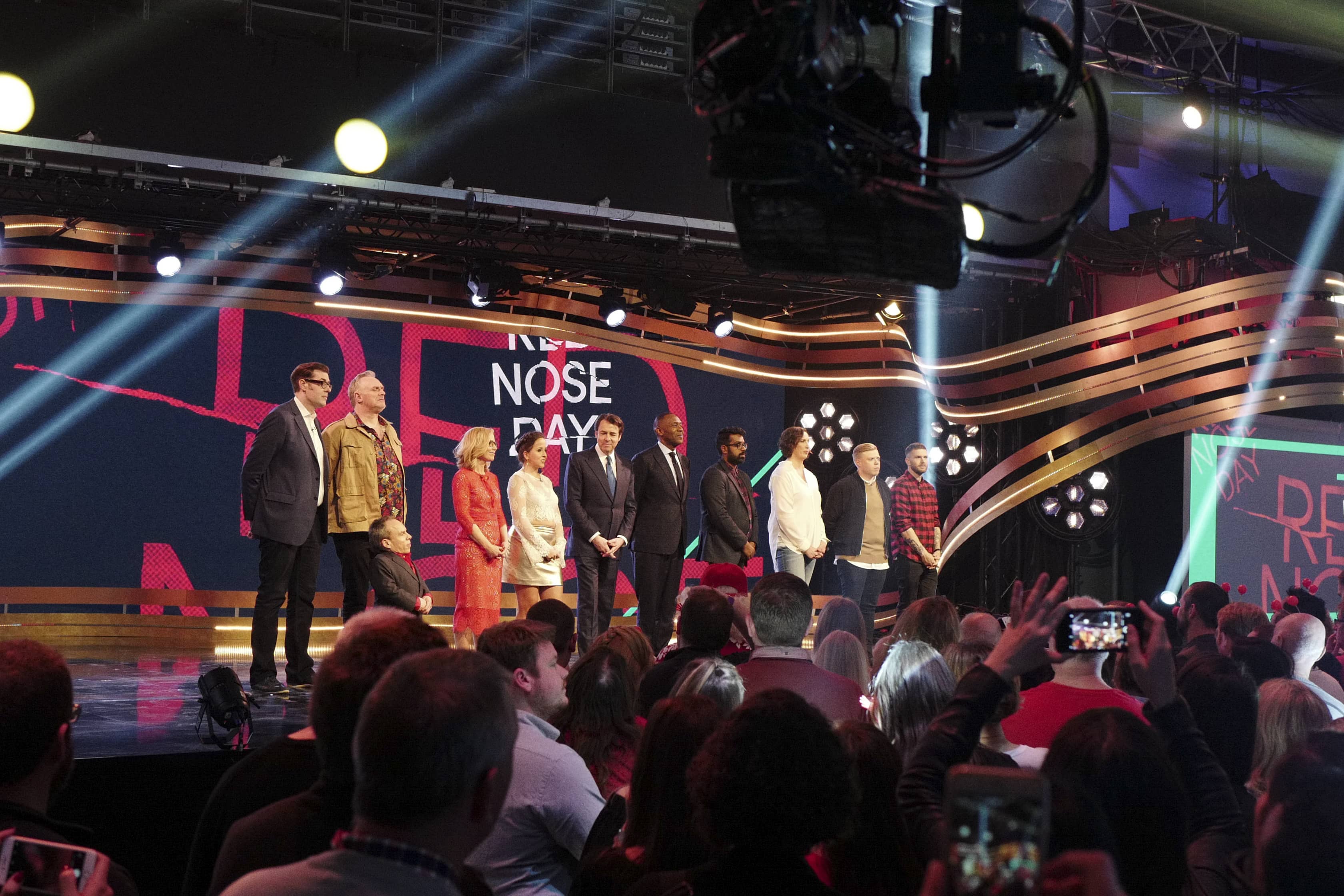



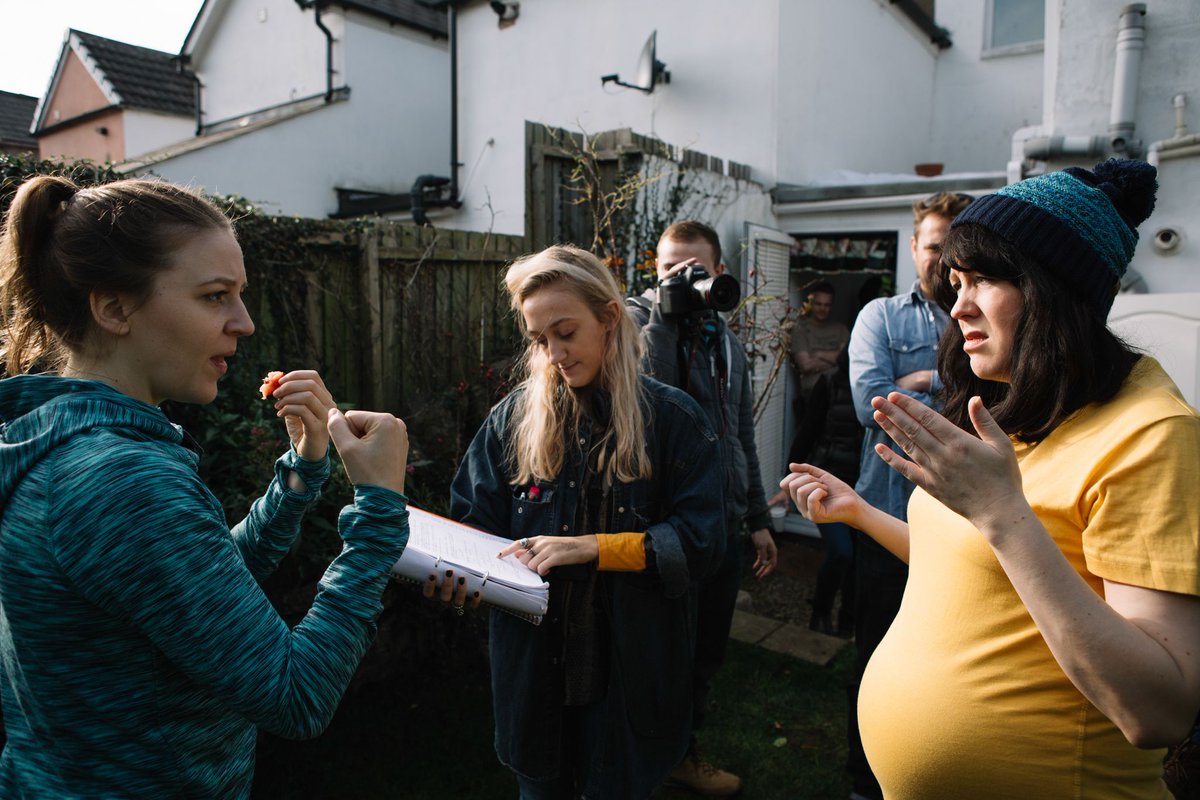
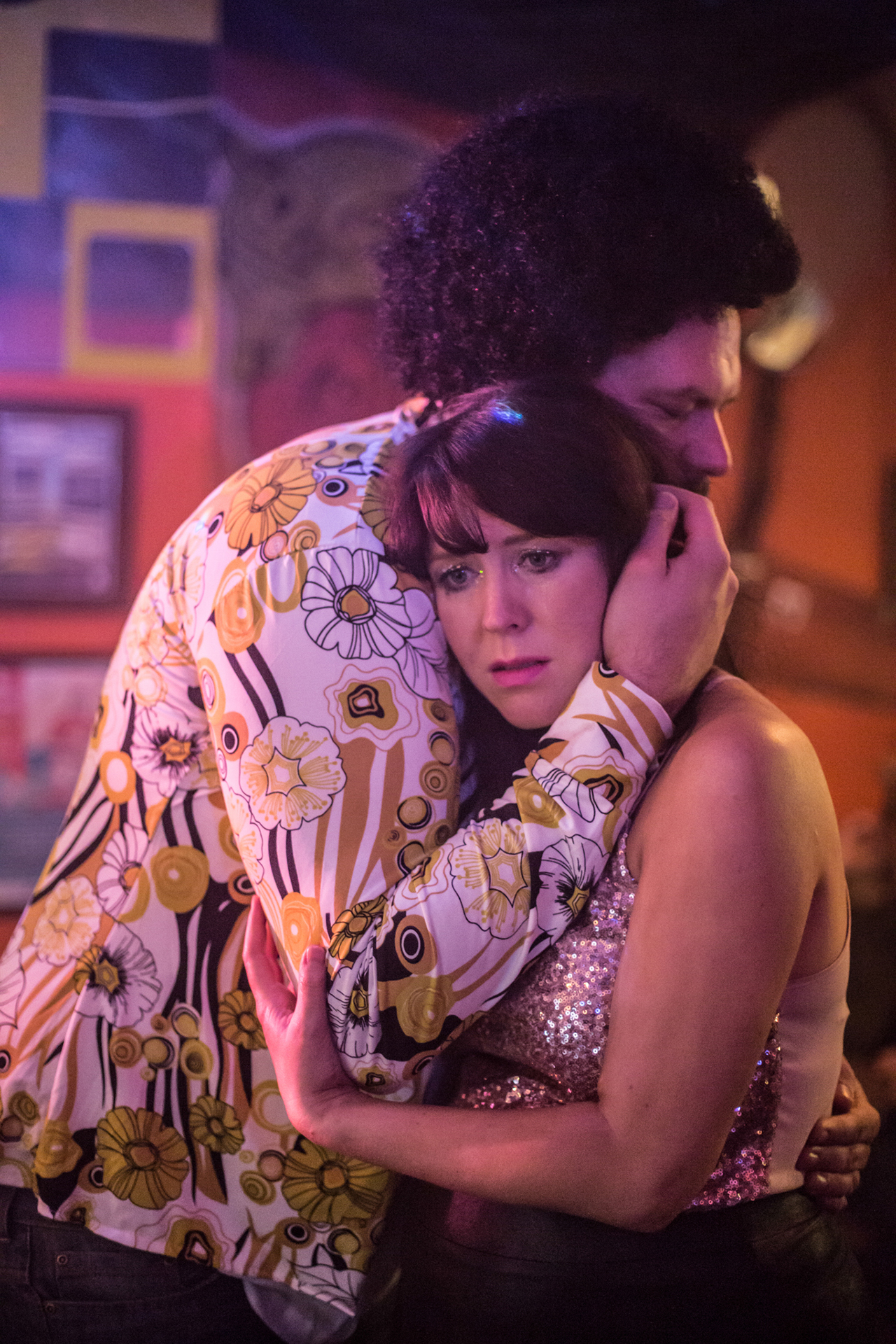
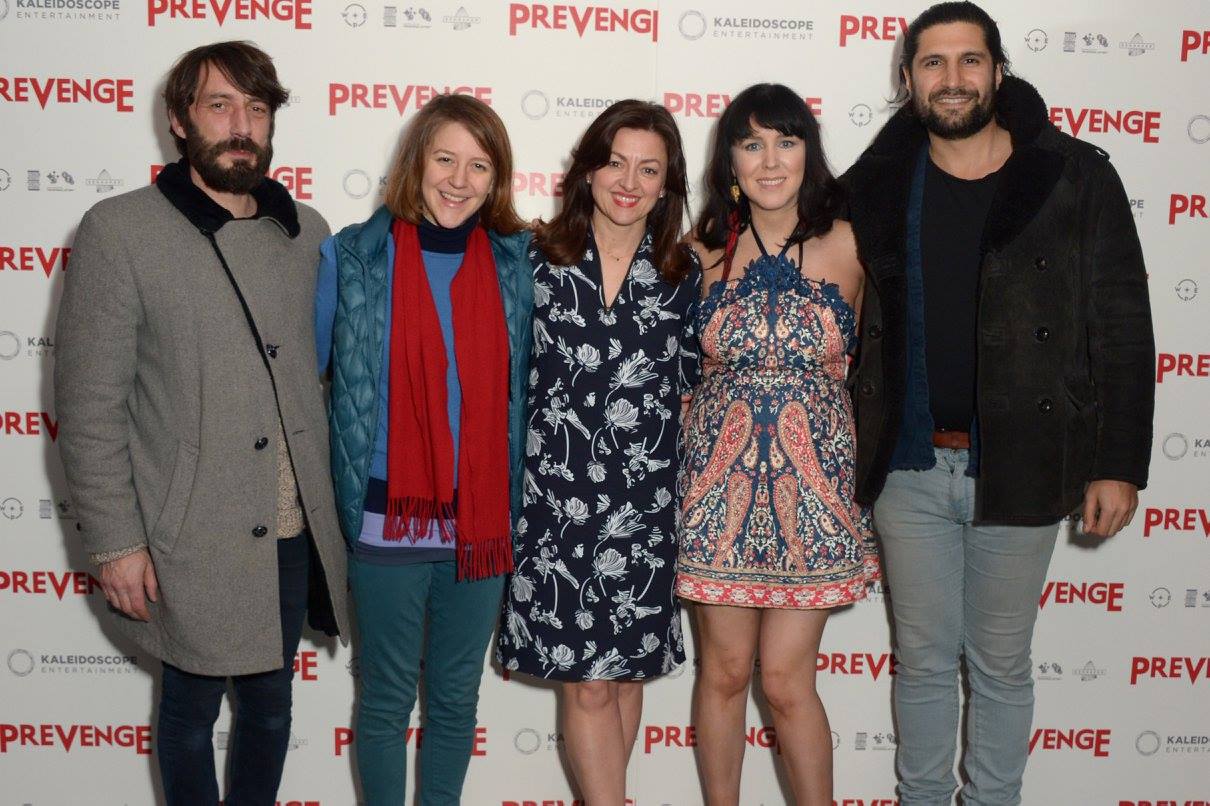
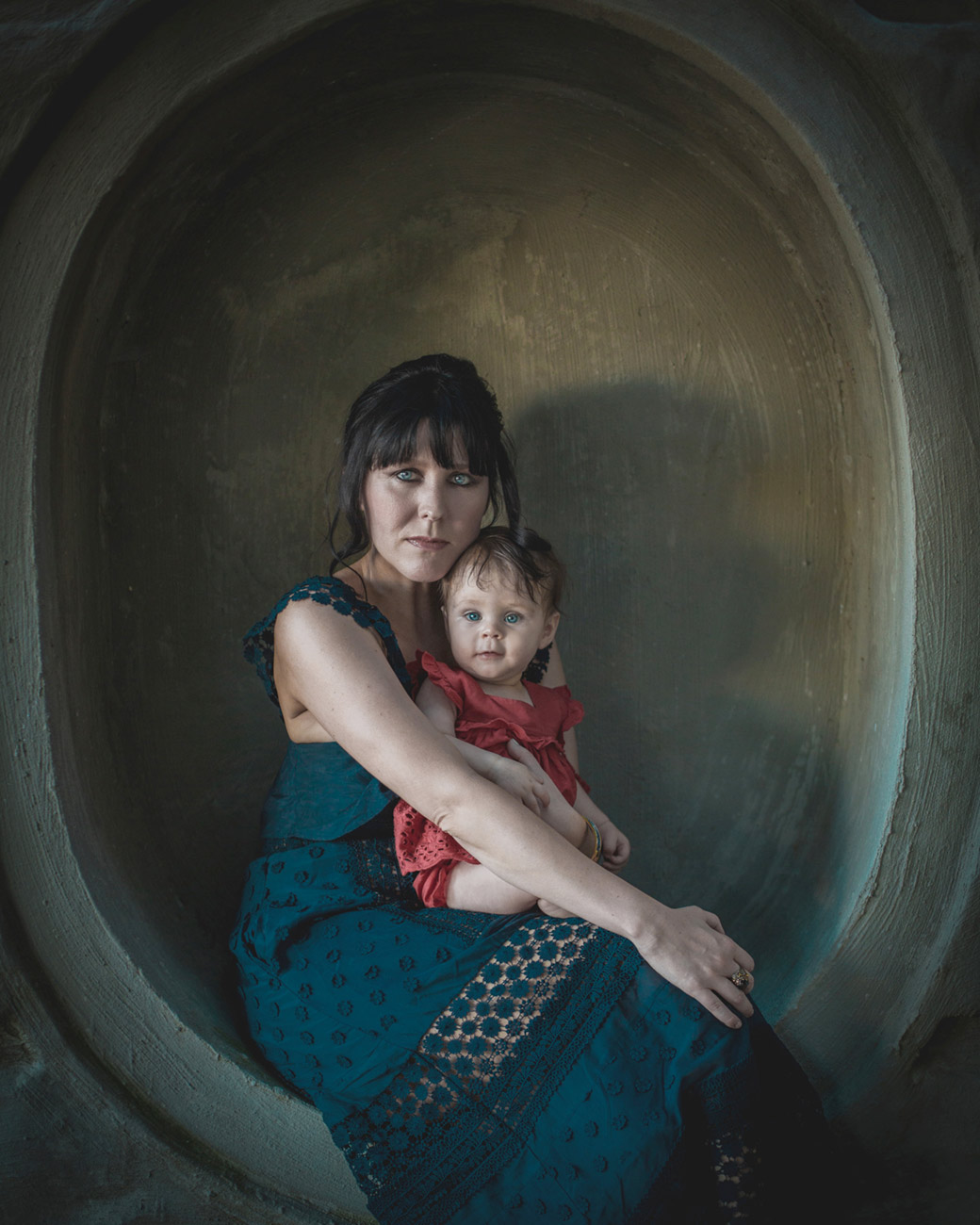
 Didymus.uk