Legendary rock photographer Dick Slaughter asked me to write something about why I love the band BOB VYLAN. This is currently an exclusive article over at In Spite Magazine.
If you want to know more about Bob Vylan, check ’em out on Bandcamp below.
Mostly writing about stuff, mostly…

Legendary rock photographer Dick Slaughter asked me to write something about why I love the band BOB VYLAN. This is currently an exclusive article over at In Spite Magazine.
If you want to know more about Bob Vylan, check ’em out on Bandcamp below.

In November 2023, Doctor Who, the BBC’s flagship science fiction series, turned 60. To celebrate this milestone, over the course of 100 days leading up to the anniversary, I sped my way through the series on my fledgling BlueSky account, charting the course of the show from that first ever episode through to the final moments of the Thirteenth Doctor ahead of the new anniversary specials and the start of a brand new era for the show.
As a fan since October 1988, the period also marked my own 35th anniversary with the series, which helped compel me to attempt this insane task. At the end of it all, I found myself with my own, personal, definitive ranking of every Doctor Who story, including the various spin-offs, which I’m now able to share with you, here.
As always, this is my own personal opinion. If you disagree, that’s fine, you don’t have to tell me. If you agree, that’s much nicer for everyone, and feel free to share this list with your mates and tell everyone how great it is. And please, if you’re a creative who worked on the show, don’t take this personally. My own least favourites all have their devotees, and pretty much everything in the Top 500 has something I enjoy about them.
Now then, settle down on a sofa of reasonable comfort, because this is going to be a long journey. A very long journey.
In which a tired and dated comedian makes tired and dated jokes about a show that long ago outgrew them, but for some reason David Tennant joins in. Avoid. ☆☆☆☆☆
Ten years before this aired, Cyberwoman was so bad I almost stopped watching Torchwood. By contrast, I *did* give up on Class midway through this pish, only returning to it several years later. This one hadn’t got better. ½☆☆☆☆

This makes zero sense with what we saw happening in Doomsday, and doesn’t seem to know if it wants to be B-movie camp or all out body horror. This episode is so bad, I very nearly gave up on Torchwood AND Doctor Who. ☆☆☆☆☆
Airing as part of the Pertwee repeats on PRIME TIME BBC1 (!) this is a 5 minute clips piece with a happy go lucky Cockney soldier singing UNIT’s praises before a post Battlefield Brigadier throws out some casual sexism. Urgh. ½☆☆☆☆
A very odd little moment here, as John Ringham & Walter Randall return as Tlotoxl & Tonila from The Aztecs in a crudely animated DVD extra about how to create hot chocolate from cocoa beans. You have to wonder if the animator was owed a favour from the DVD team… ½☆☆☆☆
Bizarre corporate video in which Jon Pertwee explains the Zanussi 5 year warranty in character as The Doctor, with the help of a giant robot called Boris. Bizarre this was allowed so Pertwee could get a solid pay check, especially THAT sexist punchline. ½☆☆☆☆

Oh, dear. The rails really come off on this one, as The Doctor, Clara & Danny lead a group of irritating school kids to safety in an overgrown London. The ending is not only stupid, but straight up offensive towards those with mental health conditions. ½☆☆☆☆
Series 2 was full of experiments. Not all of them paid off. Most of them you can’t fault them for trying, but these 60 second online only mini episodes were made on a budget of 27p and it shows. Bad acting, dodgy scripts, lazy direction. Cheap and nasty. Avoid. ½☆☆☆☆
Very short clips of Matt Smith gibbering promotional guff. You’re not missing anything here. ½☆☆☆☆

Doctor Who is often superb. It is occasionally dreadful. It is very rarely boring. This hot mess is a waste of talented folk like John Woodvine and Valentine Dyall, fails to give Mary Tamm a deserving send off and is an underwhelming end to a season long arc. ½☆☆☆☆
A cringeworthy sketch in which Pertwee and Andrew O’Connor awkwardly have a conversation about The Doctor in order to plug the stage show The Ultimate Adventure. And to insult Bonnie Langford. Hard to think Russell T Davies was involved in this mess. ½☆☆☆☆
A weird moment where Pertwee appeared in character to help raise old age pensioners in cages higher in the air before transporting himself out of the venue. Pertwee stories were being repeated at the time but him being in character makes zero sense. ½☆☆☆☆

Oh, dear. The budget scrimping reaches a nadir with this blue screen monstrosity where most of the sets are miniatures. It doesn’t inspire the cast to do anything with the lacklustre material. Arguably the show’s very nadir. ½☆☆☆☆
Definitely not as bad as its reputation but definitely very, very bad. A lot of the negativity around Colin Baker’s Doctor was probably caused by this one awful story dropping in March 1984 before 9 months without new episodes. ½☆☆☆☆
A blink and you’ll miss it appearance from Sylvester to promote the week long exploration of 3D telly on BBC One. Hardly worth mentioning but dear ol’ McCoy was – and is – forever an ambassador for the show. ★☆☆☆☆

The first misfire of the Smith era, with a plot so wafer thin & inconsequential, you’ll remember very little other than how James Corden survives getting his significant frame crushed into a standard Cyberman shell then kills them with love. Ps. Not enough Daisy Haggard. As for the home media mini episode that acts as a prequel to this story: More James Corden is never a good thing. ★☆☆☆☆
The Doctor crops up in a Call The Midwife sketch for a quick gag. He’s clearly bluescreened in badly, and the whole sketch is woefully unfunny, but hey ho it’s a Comic Relief thing so to judge it fairly seems churlish. Still. I must churl. ★☆☆☆☆
Tom Baker appeared in character to plug the Blackpool exhibition and warn viewers of the steps. Almost too brief a clip to really give a rating to but I didn’t want to miss it out… ★☆☆☆☆
A very low budget piece made for the BBC’s Doctor Who website that feels like a remnant of the Tardisodes era we’d all rather forget. Genuinely adds nothing to the series except reminding people of the Weeping Angels before their return next year. ★☆☆☆☆

There’s potentially a great story here, as the Silurians AND the Sea Devils return. But making action filled sci-fi drama in an overlit BBC studio on a microbudget with hammy actors and poor FX work overstretches into a hot mess that helped seal the show’s fate. ★☆☆☆☆
It is perhaps fitting for a tonally inconsistent series, never quite sure what it wants to be, to bow out by killing off multiple characters in one episode, ending on a frustrating cliffhanger and have THE big bad be a giant underground space vagina blood vacuum. Urgh. ★☆☆☆☆
Arguably the final gasp of pantomime Doctor Who, this one has a remarkable turn by alt. universe 4th Doctor actor Graeme Crowden to its credit, but very little else. A production so troubled GC’s comedic death scene, believed to be a rehearsal gag, was left in, as was an unfortunate moment where another actor splits his pants during his death scene. ★☆☆☆☆

We meet new companion Adric for the first time, and perhaps the main reason people dislike him is that he and his entire race are utterly irritating in this forgettable story. I’ve seen it five times and can barely recall it. ★☆☆☆☆
Oh, dear. That blistering winning streak had to end sometime and it ends up being the unintended early finale to Season 12. Despite being the only appearance of the Cybermen in the 1970s, this is a dud, with bad sets, bad makeup, bad scripts and bad acting. ★☆☆☆☆
The one with the orgasm alien sex cloud creature. No, really. From the world of family favourite Doctor Who comes a puerile concept, badly handled, sailing by on the charm of the core cast. ★☆☆☆☆
An odd moment where Matt Smith appears in character to tease the Comic Relief lineup that night. It’s all going fine until Russell Brand is mentioned, an awkward joke is made by Jonathan Ross who then seems to revel in making Smith uncomfortable. ★☆☆☆☆
It doesn’t matter how many times I watch this one: NOTHING about it ever sinks in. When I think it does, it’s actually The Androids of Tara or something. The first genuine non-event in mainline Doctor Who for me. Sorry if it’s your fav. What am I missing? ★☆☆☆☆

Marshlands could be an iconic location for Doctor Who but not even the presence of Who veterans like Philip Madoc can save this mess of kitsch dialogue, hammy acting and terrible effects from its own tedium. ★☆☆☆☆
If ever there was a stick to beat the Chris Chibnall era with, it had ORPHAN 55 written all over it. The episode does have its moments, and the monsters look amazing, but they’re tempered with plotholes, some cringeworthy guest performances and cheap looking fx/makeup elsewhere. ★☆☆☆☆
Just as his era was preempted by a changing of the guard, so too does his era come to a climax with one. With Tegan dispatched, this story aims to give Turlough, The Master and the forgotten Kameleon a decent send off AND introduce Peri. It fails to do any of this well. ★☆☆☆☆

The prequels aren’t often helpful parts of the narrative, but this one actually does lead directly into the special that follows, and helps contextualise The Doctor’s arrival in the story. It’s always fun to see Matt being daft. However, that daftness alone can’t save this episode. Claire Skinner can’t save this episode. Not even the presence of Bill Bailey & Arabella Weir can save this episode. A bland, uninspired mess that is REALLY missing the Ponds. Speaking of which, the final scene is great, but comes way too late. ★☆☆☆☆
I’m not really sure who this was for. Nobody was asking for an animated YouTube series about the Daleks. But if ever there was proof that a spin off focusing on the pepperpots wasn’t the goldmine Terry Nation thought it would be, this is it. Frighteningly dull stuff. ★☆☆☆☆
Jon Pertwee made several appearances on Noel’s House Party, but this one was in character to introduce Dimensions in Time (more on that later). He gets to throw some barbs at Noel, put on some specs and that’s about it. ★½☆☆☆
A silly moment in the early days of the revamped Top Gear in which Colin appears in character for the first time on screen in a decade, and interrupts a sci-fi race. At a time when Who was a mostly forgotten joke, this was the best we were getting. ★½☆☆☆
A brief clip for Comic Relief as part of a wider, mostly terrible sketch, in which Jodie Whittaker and Mandip Gill play doctors in a modern day hospital, but might also be The Doctor and Yaz. Skip it, it’s really not worth your time. ★½☆☆☆
The closest we’ve ever gotten to seeing Kyle Maclachlan in Doctor Who, as he plays a scientist shutting down an illegal time travel experiment in a Vodafone advert, which suddenly cuts to Pertwee, as The Doctor, looking at a fob watch. Barely counts… ★½☆☆☆
Matt Smith returns to Comic Relief in character and has some fun with Claudia Winkleman. By this point it’s just nice to see him on telly, I guess. I wonder if he knew who the traitors were? ★½☆☆☆

Oh, dear. You can’t fault the ambition here, but after a promising first episode, this one collapses under the weight of itself. If there was anything resembling a decent story, the shonky effects would be quaint, even if the ropey acting wasn’t. A real dud. ★½☆☆☆
Another great jungle set from an era that perfected them. But otherwise, almost every other element of this production is a let down… especially the phallic blob that is Erato. Another late Tom Turkey, I’m afraid. ★½☆☆☆
Oh, dear. A weirdly important story thanks to its connections to Tennant era favourites The Ood, but this is a meandering, uninspired mess, which at times feels like it’s cannibalising recent, better stories just to fill the six episodes. A rare dud from this era. ★½☆☆☆

A silly name for a rather dull series finale, which has the good fortune to cast Mark Addy and the bad fortune to do bugger all worthy of his presence. The Tim Shaw subplot is decent but not enough. This one contributes significantly to the wider negativity for this era. ★½☆☆☆
It would have been better all round if this episode – and indeed the PR team that year – understood the element of surprise, or what subtlety is. Bad NHEU-YHORHK accents, corny scripts, and a truly ridiculous plot twist. If the Cult of Skaaro plot wasn’t so essential to Russell’s story arc, I’d suggest skipping this two parter all together. By the time it’s forcing the Doctor to basically commit genocide, you might wish you had after all. ★½☆☆☆
Another one that the lack of visual record of makes hard to enjoy, and also another story with retroactively discomforting blackface that was commonplace at the time. On audio this one feels slow and arduous, and not a fitting farewell for a great character like Steven. ★½☆☆☆
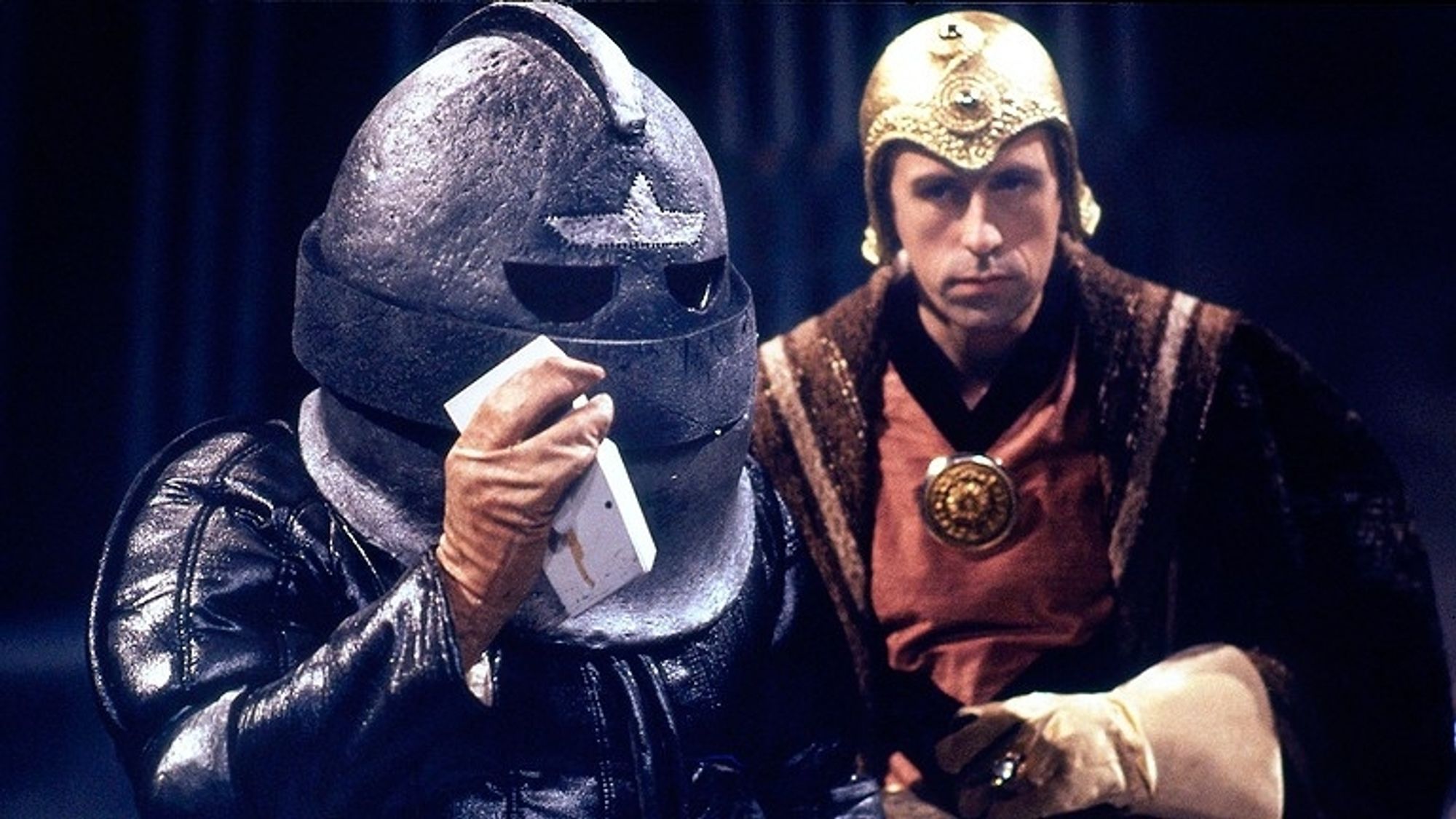
Essentially two stories in one… the first is a befuddling and frustrating mess of a good premise, as The Doctor appears to betray his own race. The second is a befuddling and frustrating mess of a typical runaround in a disused hospital doubling as the TARDIS. ★½☆☆☆
Honey, I shrunk the series regulars! Kudos to the brave effects team for tackling giant versions of household objects on a tiny budget in a miniscule studio. But solid visuals aren’t matched by the uneventful plotting, so poor they chopped an episode out pre-tx. ★½☆☆☆☆
Despite the series effectively being cancelled, Sylvester McCoy and Sophie Aldred turned up – alongside John Leeson as K-9 – on this special episode of a children’s educational series. It’s cheesy guff and hard to get through however nice it is to see them. ★½☆☆☆
Another early big name guest star as the legendary Michael Gough makes his first Doctor Who appearance as a God like entity who just wants to play deadly games. It’s dated badly, and feels overly simplistic. The rest of the guest cast just irritate. ★½☆☆☆

Another stumble, this one. Some fun to be had with the UNIT sections, but once the action moves to Atlantis it all falls apart, as everyone except Ingrid Pitt & the regulars went to the same acting school as those guys in Blackadder The Third. Cheap and messy. ★½☆☆☆
Sylvester McCoy turns up on Noel Edmond’s latest vehicle to make some bad jokes. A Cyberman is also there. Pointless but at this point this was the only publicity the show was going to get from a channel that wanted it gone. ★½☆☆☆
Another production wobble here, as there’s little to recommend in this clichéd, B-movie sci-fi by numbers. The regulars are having fun, and at a pinch you could turn every time someone says “The Krotons!” with concern in their voice into a drinking game… ★½☆☆☆

The opening of the 20th anniversary season brings back Omega and the Time Lords, as well as previous guest villain Michael Gough in a new role. It also features future Doctor Colin Baker, but the story itself is a continuity heavy lumpen mess the cast can’t save. ★½☆☆☆
Yeah, we get it. Robert Holmes doesn’t like the taxman. The usually gifted writer has some witty lines here and there in this one but the overall story is flat and the shockingly lo rent production hammers further nails in the coffin. ★½☆☆☆
Widely and routinely panned, this one is far better than its reputation… mostly. There’s lots of fun to be had with Concorde and the guest cast are a likeable bunch – but The Master’s pathetic and quite bluntly racist disguise does this one zero favours. ★½☆☆☆
The show will soon begin to move away from six parters, as a new production team accept that they can be a bit of a slog for viewers. This is a good example – a low budget return to Peladon that is unfortunately a bit of a predictable snore fest. ★½☆☆☆
The production team knew this one was in trouble when they hacked an episode off it to make the show’s first 5-parter. Silly costumes, generic villains and an underdeveloped robot concept drag this one down, despite solid performances. ★½☆☆☆

An interesting experiment with a four-parter made up of two distinct halves, as the actions of the first two episodes have long lasting effects on a society in the later instalments. Dodo is good fun, but any story with a SECURITY KITCHEN is hard to take seriously. ★½☆☆☆
This one feels like a hangup from the previous season, but it’s also dull as dishwater. I’ve seen it five times and all I can really remember is a skull, a slug snake, and a baloney sandwich. ★½☆☆☆
A motion comic released during the Lockdown project focusing on everyone’s favourite miserable maths teacher turned morose cyber corpse. Well, I guess somebody wanted this? ★★☆☆☆

The first non Christmas special episode is also one of the weakest one off entries. Its biggest sin might be wasting Daniel Kaluyaa in a thankless role, but it also hinges on an unlikeable temporary companion and a sense it’s all just ripped off The Langoliers. ★★☆☆☆
Marc Warren, Shirley Henderson, Simon Greenall, Moya Brady and Kathryn Drysdale are a delightful team and it’s a joy to watch them interact. It’s also great to see Camille Coduri given more to do. But the rest of this one is a tonal TRAINWRECK. ★★☆☆☆

Dean Lennox Kelly is a charismatic Shakespeare and it’s impossible for The Globe not to look stunning even on Standard Definition video. But the core witch plot is uninspired, The Doctor is an arse to Martha and there’s a badly dated reference at the end too. ★★☆☆☆
Technically airing a dash too late, after both Tom Baker and John Leeson had left the show, this 30 second ad for ice lollies sees The Doctor and K-9 defeat a baddie in a mere moment. Dodgy impression aside this is the first official Who animation. ★★☆☆☆
The spider effects are superb, and so is Shobna Gulati as Yaz’s mum, Naija. But there are some real logic holes in this, and The Doctor basically agrees to wipe out a species frighteningly quickly. The ending also feels frustratingly sudden. An editing issue? ★★☆☆☆
After Tom Baker returned to the part of The Doctor for Shada’s VHS release and 1993’s Dimensions in Time, he popped over to New Zealand to appear in commercials for their Superannuation Service. They’re all too brief to be anything more than a plug but nice to see. ★★☆☆☆
Filmed shortly after Invasion of the Bane, this was an in character “interview” made as a DVD extra, that due to ill health became Nick Courtney’s final appearance as the Brigadier. A shame it’s in such a forgettable piece… But he is STILL missed. ★★☆☆☆
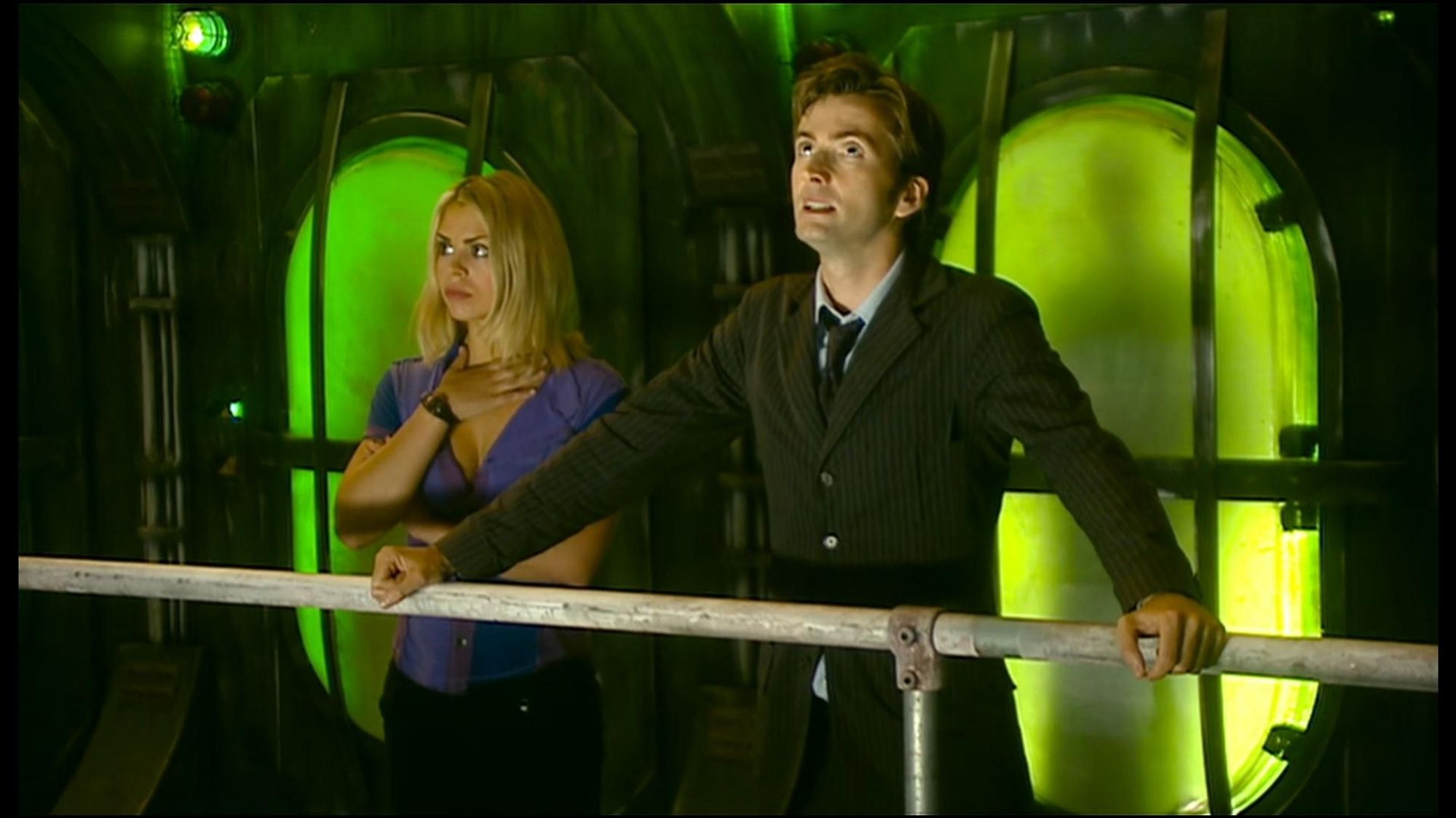
Oh, dear. The second series opens with a bit of a clunker. Billie Piper and David Tennant are having campy fun, but we don’t know the relationship between them well enough yet to mix it up like this, and the plot is paper thin & badly resolved. Not a good start. ★★☆☆☆
Acting legend Stratford John looks confused as a lumpy frogman from space. The spaceship sets are almost as clunky, and it’s becoming clear the writers want to make Adric utterly unlikable by now. ★★☆☆☆
Now transformed into a bonafide mini episode with all trace of the show it was originally part of – Inc the vile predatorial host – removed. This is a weird little slice of stupidity designed to make a kid’s dream come true. Nice to see Tegan again. ★★☆☆☆

Long after he handed over the keys to the TARDIS to his successor, McCoy lent his voice to this BBCi project alongside Sophie Aldred, Nick Courtney, Stephen Fry, Kevin Eldon & more. It’s decidedly non canon & shambolic but for a while it was all we had. ★★☆☆☆
Two children with a fun Dalek themed compost bin show it off to Konnie Huq, when suddenly the Ninth Doctor appears, and promptly disintegrates it with his sonic Blue Peter badge. Feels like they could have done much more with this, but it was clearly a rush job. ★★☆☆☆
Another in character appearance breaking the fourth wall, as Tom Baker has a mini adventure on the set of Creature from the Pit, talks about some earth animals (this was an educational show after all) and tells them to watch his show too. Cute but fluffy filler. ★★☆☆☆

There are some good things in this story – Mike’s redemption, John Kane’s performance, Pertwee’s final scene. But it’s also a tired runaround, with dodgy sets, poor effects and a return of uncomfortable yellowface. An ignoble end for a great Doctor. ★★☆☆☆
It’s nice to have Luke back. And Dan Starkey is always good value. Otherwise, this is an ignoble, accidental end to the show, with a by numbers plot that feels like it cannibalises all its best ideas from earlier stories. The tacked on ending, made out of neccessity, just about works. ★★☆☆☆
It’s cheap, it’s nasty, and it treats both Davros and the Daleks with very little respect, making this a hard one to fall in love with. Romana’s silly regen doesn’t help matters. The novelty Who approach is starting to wear thin. ★★☆☆☆
A real oddity here as The Doctor appears in a series of Idents that were used to introduce shows on BBC One over Christmas. They’re cute, well shot scenes but I don’t quite know why they happened. ★★☆☆☆

Another one of those stories with great ideas totally hampered by the limitations of making Doctor Who in a standard light entertainment TV studio. Great to see Glitz again, Kane is a great villain but lots of this is just cheap looking farce. ★★☆☆☆
Grim and violent, this was a continuity heavy tonal disaster with which to relaunch the series. A great guest cast can’t save a show that has no idea how to actually follow through on the premises it wants to explore. ★★☆☆☆
The Doctor and Amy Pond address American audiences to tease their impending arrival on US shores. It’s a bit reminiscent of the Tom Baker years as Matt is just effortlessly becoming The Doctor, by now, but this is ultimately pointless. ★★☆☆☆
A Christmas special pilot for a series that was never made, this turned out to be a vital part the jigsaw that would see Lis Sladen & John Leeson return to Doctor Who and get their own spin off in 2006/2007. Which is why its a shame it’s a mostly drab affair. ★★☆☆☆

Peter Cushing & Roberta Tovey return for this big screen adaptation of the 1964 Dalek story. Bernard Cribbins is a joy to watch as policeman Tom Campbell, but again, this trades bigger budget thrills for a less engaging, less scary adventure. ★★☆☆☆
I will always admire Doctor Who as the little show that could and frequently does. But honestly, the effects central to this story were pretty diabolical at the time, and no amount of Mark Gatiss having the time of his life can salvage this one. ★★☆☆☆
Sadly Colin Baker’s time in the TARDIS was cut short – his employment halted due to petty feuds and top floor meddling. His final incumbent appearance was fitting a call to help raise money to help starving children. And then, as if by magic… he was gone. ★★☆☆☆
A weird moment in early 1994 as McCoy turns up on ITV Saturday morning telly. The internet only has 45 seconds of it but I have vague memories of there being much more from Sylv throughout the show. Odd promo and the last we’d see of him for a while… ★★☆☆☆
A very brief clip in which The Doctor explains Gift Aid. Could and probably should have been so much more. ★★☆☆☆

One of those weird episodes that tries to keep the surprise reveal of the heavily advertised monster IN THE TITLE OF THE EPISODE a secret til the last minute. Throw in a hammy Roger Lloyd Pack and a not entirely successful redesign and the result is disappointing. Plus, the plot is resolved by a handily placed slot that specifically fits Rose’s mobile phone, and that’s not even the dumbest part of the episode. Still no idea what they were thinking with this one. ★★☆☆☆
A strange piece, which doesn’t really feel like anything before or since. The Doctor and Clara both deliver similar monologues about one another to a frozen version of the other. It really only reminds us The Doctor is being uncharacteristically shitty. ★★☆☆☆
A series of short model shots of the TARDIS going on adventures, which are nice to look at, but also a sign of how starved for content we were in this era. ★★☆☆☆
Detained had suggested we’d missed out on a big adventure locked in with our teenage regulars for 45 minutes. Turns out Quill hadn’t been up to something more interesting, as it happens. Yada yada yada alternate dimension guff, and a bonkers bit of brain surgery. This is where the weight of the lore falls apart. ★★☆☆☆
The BBC Christmas idents for that year featured a number of big names given a creepy tiny eyed animated makeover. The Doctor joins them. Fluff but a sign the show still mattered to the BBC One schedulers after heavy timeslot shuffling. ★★☆☆☆
The conclusion of the E-Space trilogy is the most impenetrable of the lot. Some impressive visuals, but a rather befuddling mess. And Lalla Ward becomes the third companion in a row to get a rubbish send off, alongside K-9, who didn’t fit into the show anymore. ★★☆☆☆
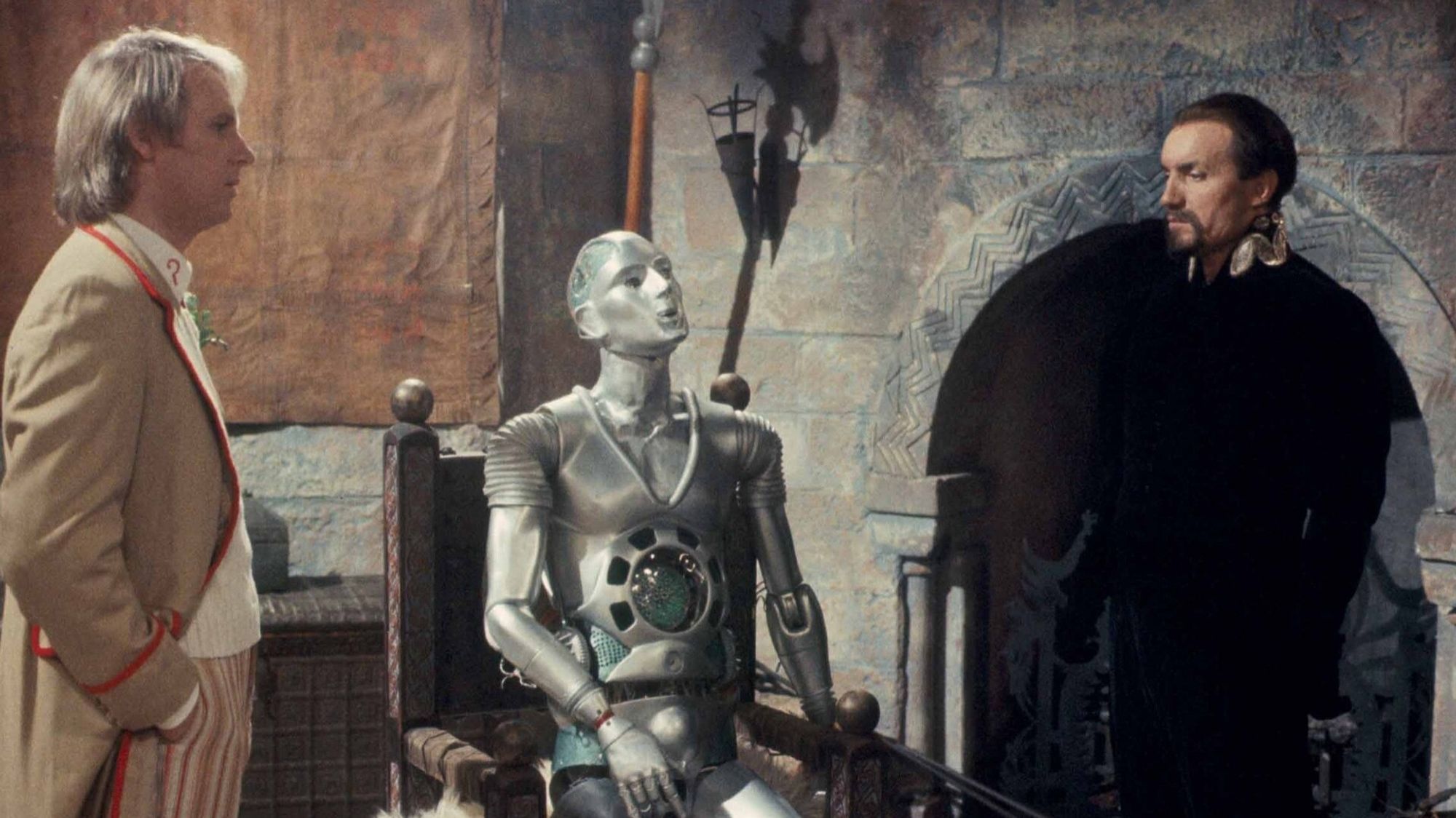
The second of three Davison two-parters, this one attempts to introduce a shape shifting robot companion played by an actual robot. Except the robot barely works and they never think of using the shapeshifting to keep him around. A weird decision, poorly executed. ★★☆☆☆
An interesting way to introduce a new companion, this is essentially an extended scene from the first episode of the next series, which was frustratingly curtailed in the actual episode. Pearl Mackie is instantly fantastic as Bill. Hurry up Series Ten. ★★★½☆
Only a rather dull episode two survives in full, and the audio tapes for the other five don’t exactly sparkle. Guest character Milo Clancy is a Marmite addition, but I quite enjoy his John Wayne Cowardly Lion vibes. Would like to see it returned to judge more fairly. ★★☆☆☆
Not the total disaster some would have you believe. But it’s also an accidental mess that doesn’t quite know how to handle itself, from two writers who were tonally at odds with a bold new incoming vision. Camp, with solid effects, but also at times tiresome. ★★☆☆☆
This one is very popular with a certain age group, who were no doubt mesmerised by the stunning jungle sets. But without the twang of nostalgia, this is forgettable Doctor Who by numbers, and feels like a huge drop in quality after the wonders of Tom’s first season. ★★☆☆☆
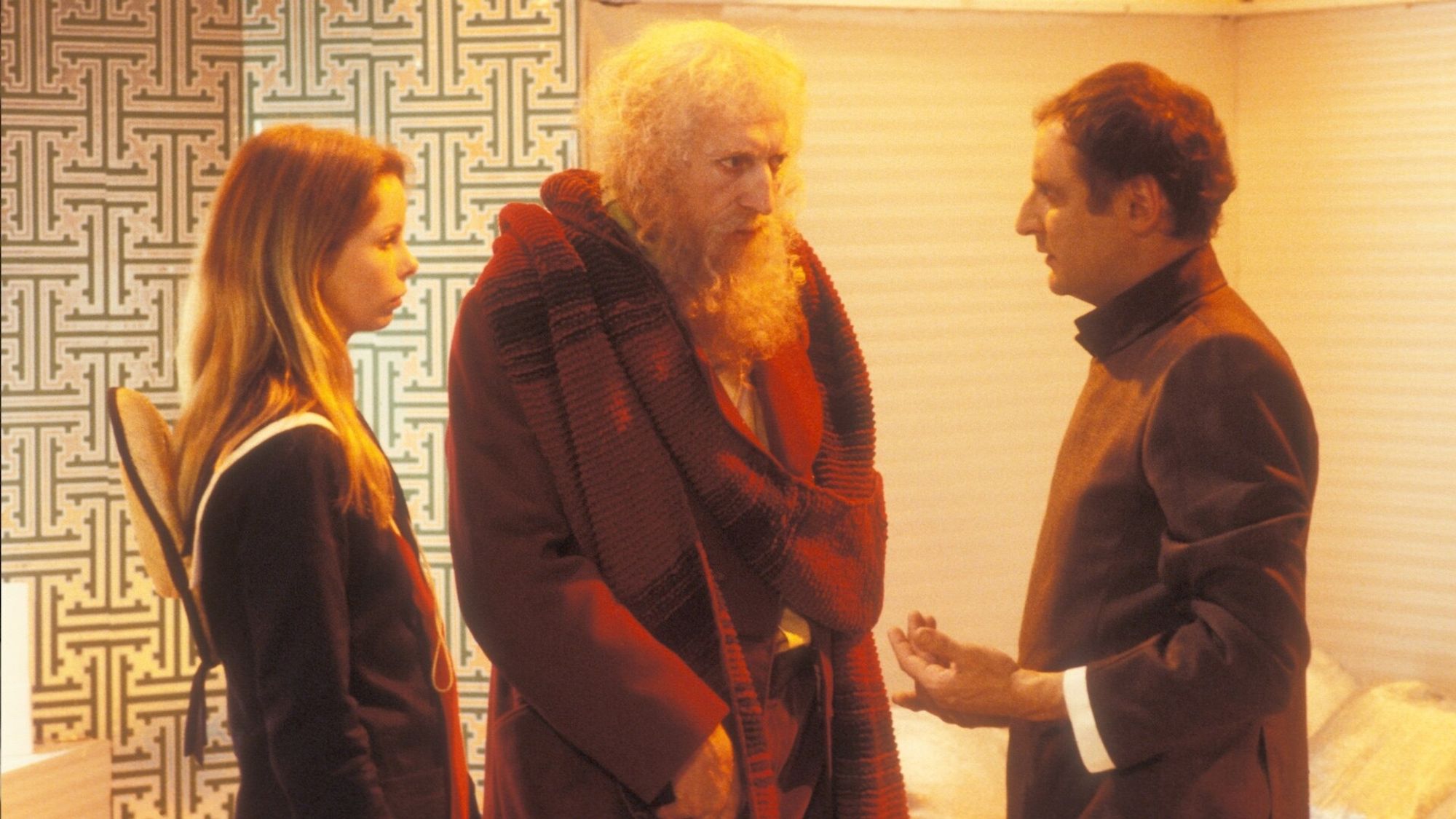
A long overdue aesthetic revamp for the series, and a swerve towards taking science fiction more seriously, but the lumpen exposition and corny alien costumes sure make this bold new start more of a po-faced disappointment. Tom looks bored to tears, throughout. ★★☆☆☆
The third and final Davison two parter focuses on an ancient evil that is making a civil war reenactment into a genuinely deadly game. Like Black Orchid and The King’s Demons before it, it’s okay but feels like filler material. ★★☆☆☆
It was a genuine coup to bag Maisie Williams at the height of her Game of Thrones fame. Which is why it’s a huge shame that this episode is a bit of a turkey about false gods, dodgy looking robots, and a poor callback to Capaldi’s first appearance in the show. ★★☆☆☆
A lot of people take issue with the Paradigm Daleks. I don’t mind the size or the colour scheme but accept the back hump is a bit squiffy. This one has a bigger problem in it suggests The Doctor would be good mates with a genocidal historical racist. ★★☆☆☆
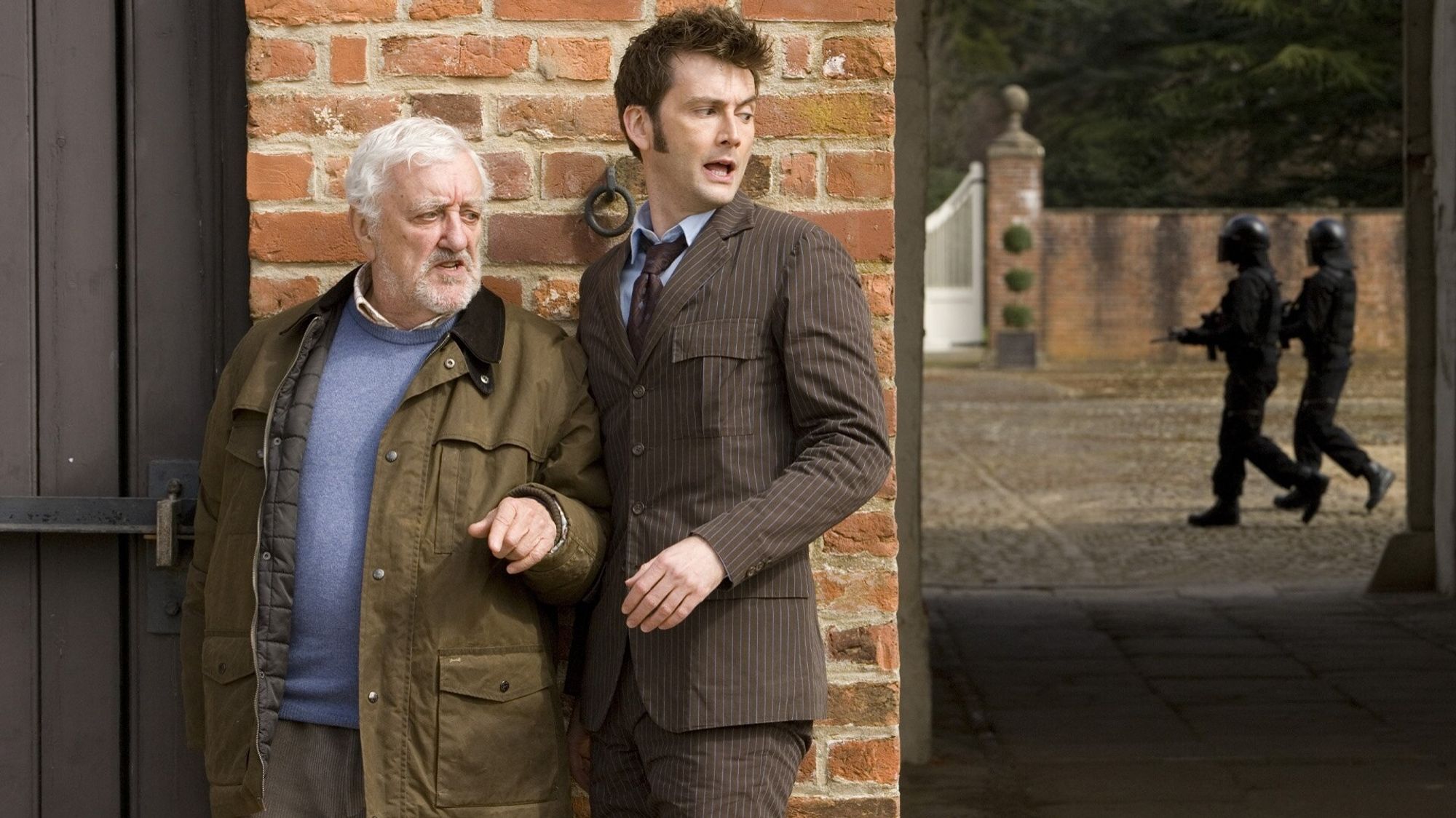
Oh, how I wanted this one to be better than it is. Everything Bernard Cribbins does in this is magic, but the plot is a mess, the tone inconsistent, and nobody seems to be acting in the same show as anybody else. Solid cliffhanger, but what was the point of bringing back Donna Noble if you’re gonna waste her like this? And that’s just one problem in a chaotic, logic-defying, self indulgent hot mess that is only salvaged by the brilliance of David Tennant & Bernard Cribbins. Not the best way for the most popular Doctor of the modern era to bow out at all. ★★☆☆☆
It still looks beautiful, and there are some solid setpieces. But this one also wastes Donald Sumpter’s incarnation of Rassilon, garbles the whole Hybrid nonsense, and gives Clara an even sillier ending. Still not sure what they were going for, here. ★★☆☆☆
A fun romp but one that never takes itself seriously until it very much decides it wants to a moment too late for anyone to care. Nice to see Christopher Benjamin. And cos it’ll annoy the horrid author to waste space devoted to his story – TRANS LIVES MATTER. ★★½☆☆
A weird little clip in which The Doctor and Clara, who hasn’t technically been introduced yet, find a BAFTA and take it to the ceremony. Again, this one shows how embedded into popular culture the show was here – and how we lost that in the years since. ★★½☆☆
A fairly lofi 3D animation style aside, this is a middling story with a potentially better one a few rewrites away. The Roswell setting is fun, and David Warner is relishing his villain role, but it just feels like it could have been so much more. ★★½☆☆

More awkward fat jokes as the comic relief aliens from Series One of Doctor Who return to launch Series One of The Sarah Jane Adventures. New character Clyde Langer is an instant hit, but this isn’t a great start. ★★☆☆☆
A cheeky nod to then biggest show on TV, 24, in this one events occur in real time. But that’s where the similarities end, as The Doctor and Martha are trapped on a doomed space ship that can’t help but feel a bit like a cheap retread of Series 2’s The Impossible Planet. ★★½☆☆
Meta special from the Lockdown viewing party project, in which “Fandom Famous” Emily Cook is mid Doctor Who marathon when she gets a time travelling call from the Brigadier and Jo. One of the weaker supplements of the mini series but still enjoyable. ★★½☆☆
There’s an unfortunate air of The End of the World being quietly rehashed here, and indeed various other scenes, though shot well and acted superbly, feel like a Greatest Hits of modern Doctor Who at that time. ★★½☆☆
Arguably the story that pinned the nail in the coffin for the ‘pure historical’, this one was unpopular with audiences at the time, and seems to still be dismissed to this day. And sure, the song is annoying and the accents hokey. But it has a quaint charm. ★★½☆☆
What do you expect from a script written by schoolchildren to give Albert Einstein a trip in the TARDIS? Does what it sets out to do, but don’t expect anything essential, here. Maybe we were having too many minisodes at this point? ★★½☆☆

Miracle Day started as an interesting premise populated by bold new characters, and now it’s The X Files disguised as 24 minus the split screen, as nobody can be trusted and shadowy figures plot to rule the world. The best bits involve Bill Pulman as ever. ★★½☆☆
Victorian era Eleven is now somehow taking a trip to the 21st century where he’s being chased by Miranda Hart and some Mistletoe. It’s a blink and you’ll miss it cameo in a wider BBC One trailer but nice to see the show still part of the core offering. ★★½☆☆
By this point, the team at BBC Studios were just churning out minisodes because they could, not always when they should. This weird semi parody of the Terminator 2 trailer adds nothing to the story it plugs. Or indeed, anything. And then, Doctor Who returns to the Western genre for the first time in about 47 years. The results aren’t much better despite a top notch international cast including Ben Browder and Adrian Scarborough. For a half season all about the Ponds, they take a backseat here. ★★½☆☆

One of the biggest issues with Class is that the Shadow Kin are a dull race, seemingly too powerful for a bunch of teenagers to deal with, but somehow have to be fooled into losing. This two parter also wastes Con O’Neill. ★★½☆☆
A special episode of crimefighting series Polic 5 feat. regular presenter Shaw Taylor profiling The Master. Utilising clips from across the classic series, this preempted a repeat of Planet of the Daleks. Ephemeral but at the time a great chance to see rare clips. ★★½☆☆
A bizarre trailer, seemingly designed with 3D in mind, in which we get our first glimpse of Amy Pond as she quizzes The Doctor before the duo are sucked into the time vortex. The shadow of that sublime Series 1 trailer still looms large. ★★½☆☆

Janet Fielding, brilliant as she is, cannot carry the entire weight of this studio bound snooze fest on her shoulders. A weaker sequel to Kinda, which didn’t really feel like it needed one. Novelty of pre fame Martin Clunes doesn’t save it, but this one does reward repeat viewing. I hated it for years, but am starting to warm to its charms. ★★½☆☆
Another Australian exclusive for many years as real life lovers (and briefly wedded couple) Tom Baker & Lalla Ward turn up the romantic side of The Doctor & Romana’s relationship to sell Aussies some early home computers. ★★½☆☆
The core cast are acting their socks off, and there’s some iconic scenes. But it’s also a nesting bed of horrid plot holes, and even the way the Ponds are written out makes absolutely no sense. ★★½☆☆
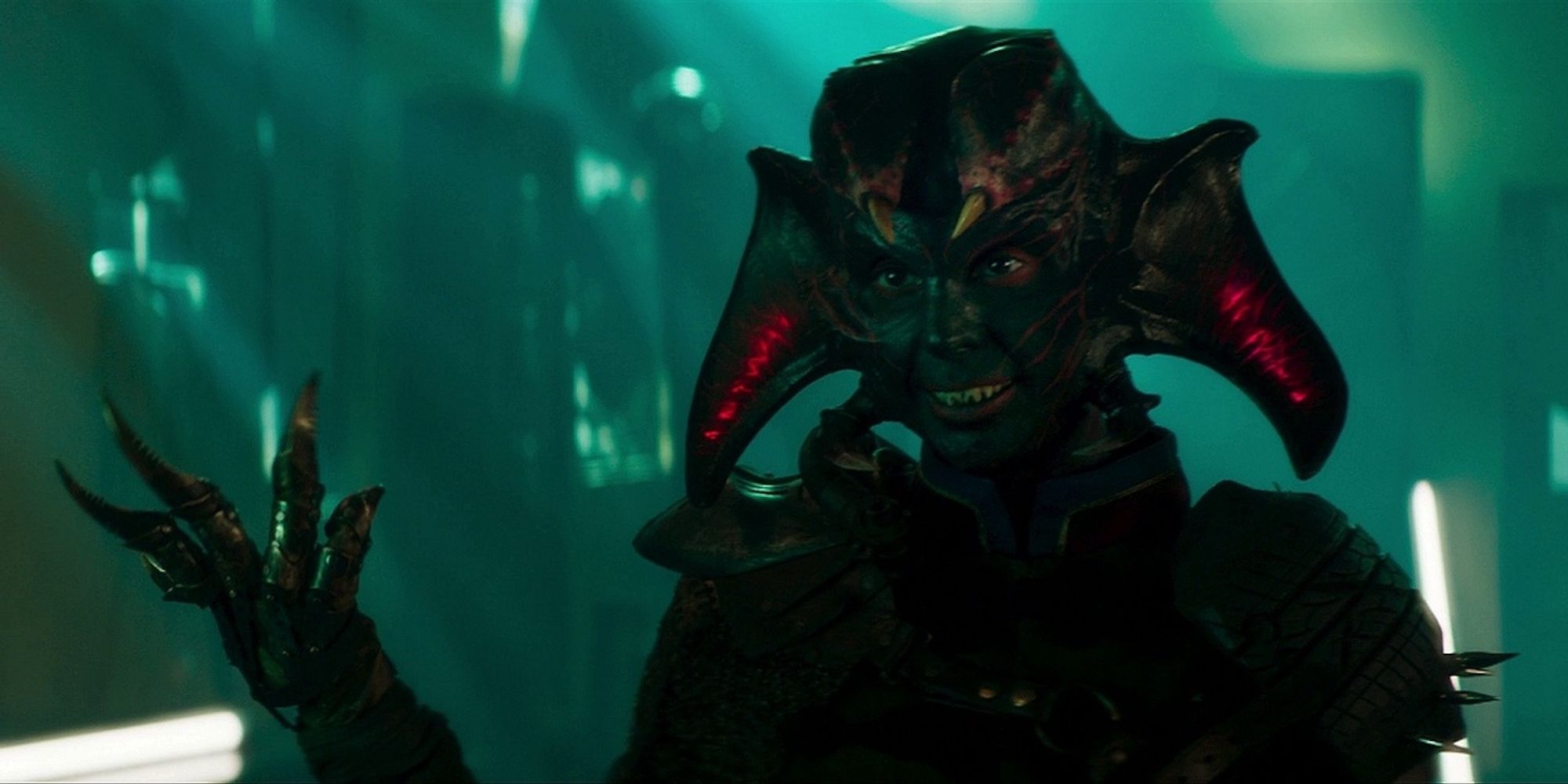
As if being mates with a genocidal British Prime Minister in the Matt Smith era wasn’t enough, here’s The Doctor hanging with another dodgy historical figure. That aside, this feels like a filler episode, bolstered by an unrecognisable Anjli Mohindra. ★★½☆☆
The third Dalek story in as many years, and it’s already starting to feel like too frequent a return again. The notion of Daleks being unable to kill, and resorting to primitive weaponry is a good one. The infamous Floor Tile Cliffhanger less so. ★★½☆☆
They’re trying so hard to make this work, but killing off interesting side characters to up the stakes doesn’t make this better. Nor does a silly cliffhanger that was never to be resolved. Class goes out as it came in, with a confused, messy whimper. ★★½☆☆

A little bit TSJA by numbers here, as Rani and Clyde do most of the heavy lifting as two of the only people left on Earth after a mass disappearance. Two clunky, colourful robots keep reminding you this is a kids show more than usual. ★★½☆☆
An odd minisode from the Lockdown viewing parties, in which a staff member at the Van Statten Institute from Dalek receives the Doctor’s old scarf in the post. It’s slight, but it was just a bit of fun when the world was seemingly ending. ★★½☆☆
A cheeky extra scene on the Blu-ray release that doesn’t have an official timeline home beyond ‘Series 7 Part 2’ somewhere, as The Doctor and River are having another of their misadventures. Nice to see but adds nothing of substance. ★★½☆☆
Capaldi filmed some TARDIS scenes for this BBC Education project helping kids learn some basic coding. As a standalone piece they’re useless but as a way of keeping children interested in schoolwork this is brilliant. ★★½☆☆
Bryan Dick is given a pretty thankless role as an obnoxious alien who infiltrates the Torchwood gang through memory manipulation. This one would work better if Series One hadn’t kept cycling over familiar territory. Overshadowed by the rest of the sesson. Ps. RTD hate Adams? ★★½☆☆

Little did we realise just how wonderful Catherine Tate would be as Donna Noble during Series 4. Not enough of that is on display here, as Donna is more two dimensional, a mere cypher to get the giant spider plot working. Not one of the better specials. ★★½☆☆
There’s a cruel and unfortunate irony in this story’s title being an anagram of Lame Shit. Because really, there’s lots of good ideas here… just buried under bad sets, bad effects and some hammy performances. Try it with the CGI enhancements and it’s more tolerable. ★★½☆☆
The Doctor is back tonight, at long last, and he doesn’t want the viewers of Roland Rat to miss him. A fun in character appearance demonstrating just how much Colin Baker loved the part and the show that would soon betray him. Also, is this the same BBC3 as in The Dæmons? ★★½☆☆
Season Three opens with a promising concept that is ultimately hampered by a poor script and shonky sets. The cast give it their all, and the animation may be a godsend for its reputation. Slightly below par but Vicki gets one last chance to be great. ★★½☆☆

Leela makes her debut in a story with some nice ideas (particularly the origins of the Savateem) and great jungle sets, but way too much hammy acting and poor quality special effects. Ok, but comparatively weaker than its contemporaries. ★★½☆☆
The original Season 23 was unfairly cancelled. In its place was this radio piece which I’m including because it was the CURRENT show for a moment, there. At only an hour’s length, the story is slight, but punchy. ★★½☆☆
Does exactly what it says on the tin. But with added David Bradley as a ruthless villain, and the ever wonderful Mark Williams making his debut as Brian, Rory’s dad. The Mitchell & Webb robots & the Doctor being mates with a game hunter are major weak leaks. ★★½☆☆
Another frustrating example of a brilliant first episode which then devolves into a frustratingly tedious runaround. Much like The Keys of Marinus and The Sensorites before it, the alien society depicted just isn’t interesting enough to care about. ★★½☆☆

The return of Patrick Troughton and Frazer Hines can’t save another tonal mess from script editor Eric Saward’s macabre bloodlust. A shame this is how Pat had to bow out. Looks good. Juicy dialogue. But absolute guff. ★★½☆☆
Nyssa bows out, seemingly because the production team can’t figure out what to do with her character, in this rather plodding ramble around a plague riddled spaceship. It all just about hangs together. ★★½☆☆
Pertwee’s Doctor stumbles out of a broken red phone box and borrows a car phone from a confused New Zealander. It’s 30 seconds of silly fun from an era where seeing The Doctor outside the TV series was very rare. ★★½☆☆
Defo outside the canon now we’ve seen Tegan back in the main show, but this novelty trailer for the Season 19 Blu-ray release saw Janet Fielding back on board Concorde with a couple of unruly passengers. Bit of harmless fun but better trailers were ahead. ★★½☆☆

Featuring the earliest surviving Troughton episode, this one a zany B-Movie level villain, preposterous Fish People and a pointlessly silly threat to blow up Earth to prove a point fuse with some underutilised body horror. A tonal mess, but campy fun. ★★½☆☆
While the subplot has some good things to say about the treatment of minorities, what this show really didn’t need was an episode mostly devoted to a flashback of Jack getting his end away to allow for yet another plot twist next week. The arc is losing its way. ★★½☆☆
A rare in character appearance from Nicholas Courtney as the Brigadier alongside Harry Hill, Phill Jupitus and Bert Kwouk for a bit of nonsense with Harry’s puppet friends. Treat it as absolute ephemera and you might just crack a smile. ★★½☆☆

The first (and currently only) 21st century story from a 20th century Doctor Who writer is unfortunately somewhat of a budget shaving filler episode. There’s some nice touches, especially the Roman views on sex and gender, but this ultimately feels hollow. ★★½☆☆
This one seems to be universally hated. Conversely I quite enjoyed chunks of it, but it falls apart in the final act, and has a very silly resolution. ★★½☆☆
A moody atmospheric piece on one hand, and a hot mess of half baked ideas on the other. The talking frog is a love it or loathe it moment… But this episode makes the cardinal sin of, like many in the Capaldi era, wasting a comic genius in a thankless role. He doesn’t even get a catchphrase. ★★½☆☆
A strange two-parter that is the first pure historical since 1967 (and last to date), with the only sci-fi elements being our time travellers. It feels like filler designed to placate the producer’s love of period drama but Sarah Sutton gets lots of good stuff to do. ★★½☆☆

Torchwood does Fight Club with Weevils as a deep dive into Owen’s mental health and toxic masculinity. It’s all a bit too surface level to have any substance but bonus points for a sleazy turn from future The Boys star Alex Hassell. ★★½☆☆
The biggest challenge this episode faces is that it puts far too much emphasis on temporary companion Adam, which would be fine if the actor wasn’t pure balsa wood. Simon Pegg AND Tasmin Grieg are wasted in thankless parts but the story isn’t entirely without its charms. ★★½☆☆
I don’t know what happened here but at just 48 minutes long this special feels under length and could REALLY do with an extended cut to tidy up the editorial mess it’s in. Especially because there’s a good story here trying to get out. ★★½☆☆
An interesting experiment in shooting a different type of Doctor Who. Sadly the whole doesn’t make up the sum of its parts, so the end result just feels very unmemorable. ★★½☆☆
The Black Guardian trilogy concludes and Turlough finally picks a side, but first a bizarre romp on a 1920s style ship that just happens to sail in space. Oh, and there’s pirates and po-faced puzzles because why the heck not. ★★½☆☆

Made for the dvd release of The Green Death with the help of Mark Gatiss, who plays a cocksure presenter, this one catches up with cast members from The Green Death. Not as funny as it thinks it is, but it has its moments. ★★½☆☆
This one feels like it needs Matt Smith’s jovial Doctor in the middle of it, acting as a closer comparison to Robin Hood. Peter Capaldi gives it his all but is a fish out of water in a campy script with a pantomime villain. Clara is now starting to grate, too. ★★½☆☆
It’s slow. It’s got a ridiculous central villain. It’s got yellowface galore. But it also has iconic visuals, and introduces both the Yeti and Professor Travers, so it’s not without merit. ★★½☆☆
Yet another minisode, which fills in some background details around Clara’s frosty relationship with the TARDIS. Doesn’t make Jenna Coleman’s job any easier when even the spaceship doesn’t like your character. ★★½☆☆

Mark Gatiss seems to tap into his League of Gentleman mindset for this pitch black comedy set in a Victorian northern town run by Dame Diana Rigg and her parasitic alien friend. Another Paternoster runaround but this all feels very slight. ★★½☆☆
The second BBCi webcast turned to Big Finish continuity, as a latter era Sixth Doctor and his elderly companion Evelyn battle the Cybermen. With limited animation, this is almost a pure audio story. At the time, we’d take it as NEW Who we could watch. ★★½☆☆
The science in this one is ridiculous. The ending risable. But the journey getting there is interesting even if The Doctor is being an unreasonable arsehole. Mixed bag, this. At least it looks good. ★★½☆☆
In the days before official recons and animations, the missing episodes of The Crusade were supported on home video by these clips of William Russell reprising his role as Ian Chesterton. They have a specific job to do, but it’s good to see him again. ★★½☆☆
There’s some fun stuff for Yaz, Dan and Jericho here, who make an excellent trio trapped in the past. But all of the Grand Serpent stuff is one layer too many on an already complicated story. Not even bonus Karvanista action can save this. ★★½☆☆
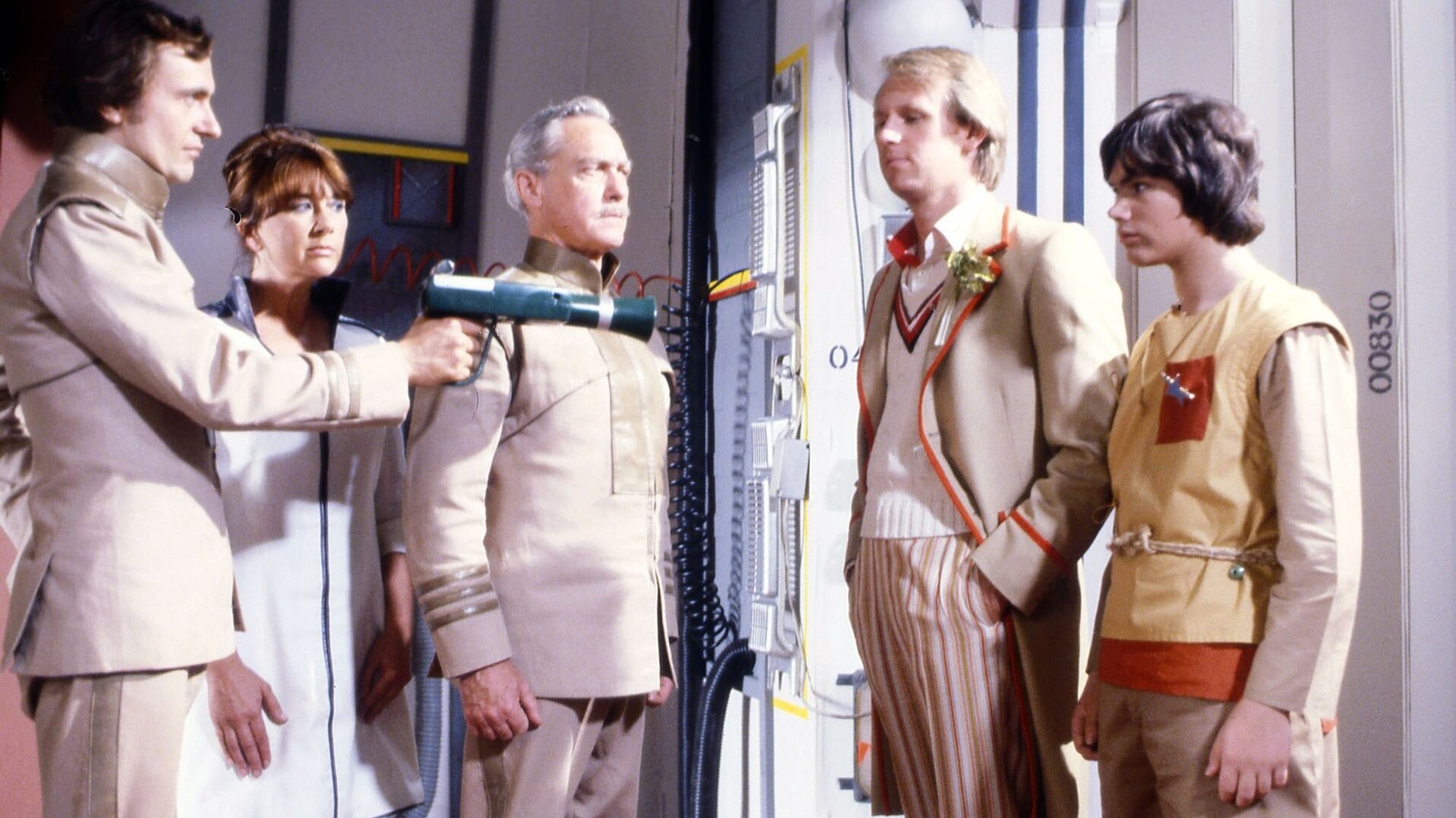
Whoever designed the great jungle sets of the Tom Baker era was not available for this one. Janet Fielding is phenomenal under possession, but most of the cast are over acting beyond belief, and Nyssa is just left out because they didn’t know what to do with her. ★★½☆☆
Tosh gets lumbered with another doomed romance, which also feels like a retread of Series One’s Owen/Diane plot. It just about works, but is one of the weaker stories this season. Also, it forever infuriates me nobody knew how to pronounce Blackley – it’s BLAKE-LEY. ★★½☆☆
Tom Baker is having fun as a megalomaniacal cactus man, though it’s bizarre to see original companion Jacqueline Hill return, but in a thankless role of religious fanatic Lexa. Another one bogged down by how serious the script wants to be in spite of its inherent silliness. ★★½☆☆
The last pure historical story until 1982, this suffers greatly from only surviving as audio and a handful of fleeting images. Hard to crack as a recon, perhaps a rediscovery or animation will help Jamie’s debut come alive again. ★★½☆☆

Peter Cushing stars as the human scientist Dr. Who, who built TARDIS in his back garden. Susan & Barbara are his grandkids and Ian is Barbara’s clumsy boyfriend in his movie adaptation of The Daleks. Cushing’s having fun. Big & colourful, but hollow & sanitised. ★★½☆☆
The Pertwee era hits its first stumbling block, as an unconvincing bunch of colonists (including the future Gail Platt from Corrie) met a bunch of unconvincing aliens, and then halfway through the twist brings this one back to business as usual. Middling. ★★½☆☆
My contribution to Target novels celebration You On Target was around this story… which I adored as a child in novel form, but when I finally got to see it on DVD it inevitably disappointed. I like it more now, but it marks the start of Who’s cheap-n-nasty era. ★★½☆☆
This one perhaps suffers from having two missing episodes (and the least successful animation replacements to date), but it’s also perhaps a few episodes too long and has very little lightness as our heroes face a grim stay in revolutionary France. Average. ★★½☆☆
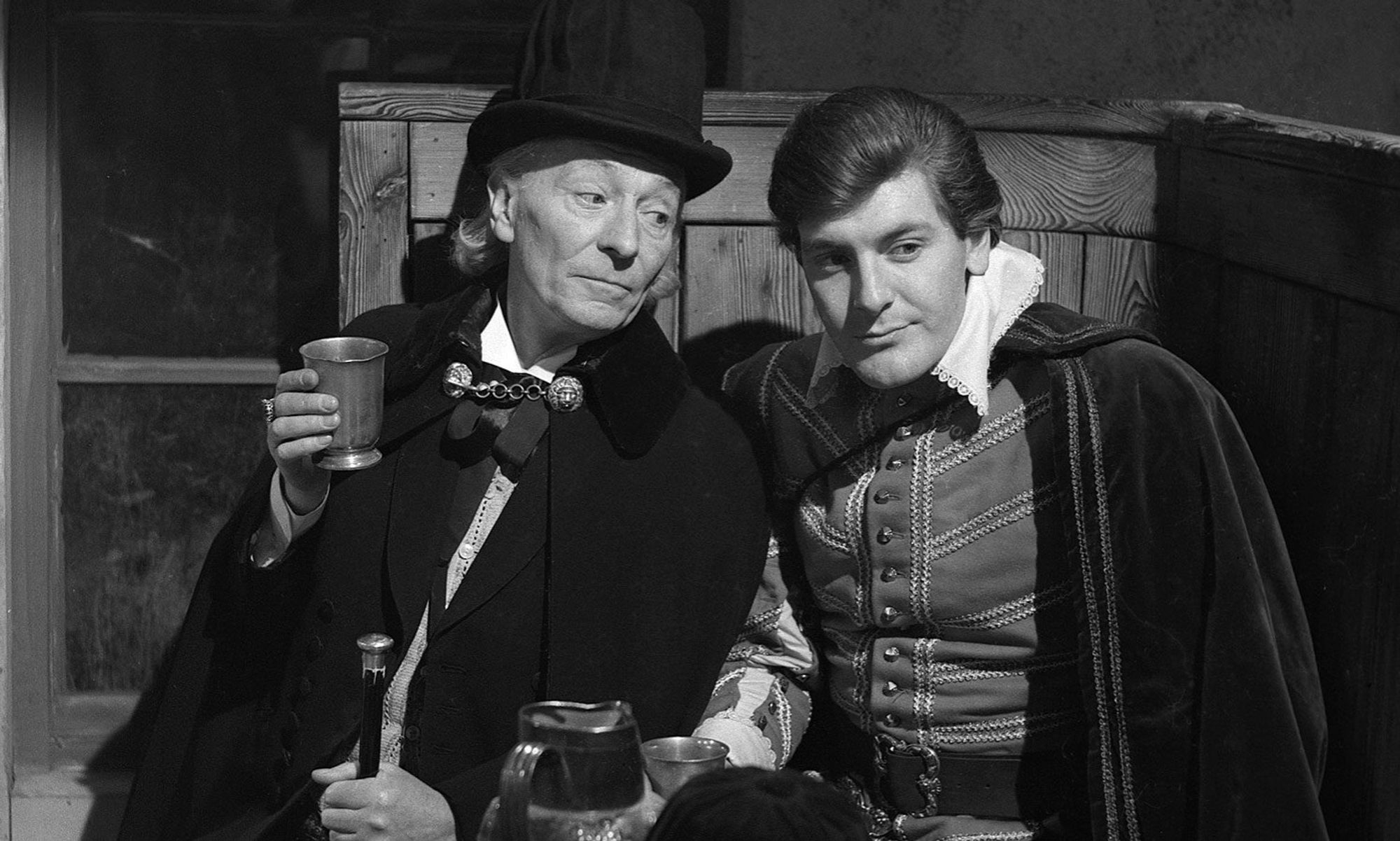
With almost no surviving visual material, it’s hard to really get a handle on this one. After the explosive DMP it can feel far too low stakes and overly talky. In its own right, should this ever be found, it may be considered a classic. For now it’s a hard one to love. ★★½☆☆
Our first glimpse of the new companions in action came during a football match of all things. This started the buzz for the new series, and certainly looked great… If a little slight on any real info or hype. ★★★☆☆
Doctor Who does the seige of Troy, initially as a sarcastic comedy farce before switching tone to an outright massacre. Vicki is shortchanged into an unconvincing love story and badly written out, which knocks this one down a peg or two. ★★½☆☆
The giant slug like monsters are another design fail for mid 80s Who, but this studio bound number manages to just about make a convincing alien planet, and future Drop The Dead Donkey star Jeff Rawle is fab as the bureaucratic maniac Plantagenet. ★★½☆☆
Try as hard as I might, I can never seem to remember much about this, the fourth Cybermen story in under two years, and the final Base Under Siege story in a season full of them. But Wendy Padbury is an instant highlight as the smart, sassy Zoe. ★★½☆☆

If I’d seen this tale of a small group of mostly unlikable humans trapped in a lighthouse as a child, I’d probably love it. As it is, this one has a huge weight of overwrought fan adoration on top of it that it doesn’t come close to deserving. ★★½☆☆
A strange adventure made up of several shorter tales, this is arguably the first attempt at an ‘arc’ in Doctor Who. When it works, it’s a fun romp, but the last couple of episodes slow everything to a crawl. ★★½☆☆☆
A smart idea to create a follow up to last week’s episode, but it also would have perhaps been better placed later in the season. Rufus Hound brings buckets of charm as a highwayman, and just about keeps a lacklustre script afloat. ★★½☆☆

A very well shot international mystery with a gruesome series of deaths for the Doctor to solve. It’s just a shame that the supporting cast aren’t very interesting, and a well intentioned climax comes off rather awkwardly. ★★½☆☆
I would love to know what happened behind the scenes on Series 7 because yet again a decent guest cast and a solid concept doesn’t quite nail the landing. Is it because the relationship between our leads doesn’t quite gel? Possibly. ★★½☆☆
A prototype for a new format for Doctor Who and the first time the Doctor has returned to contemporary Earth. Ben & Polly are a nice addition. The swinging sixties have arrived. But Jackie Laine’s Dodo is absolutely shafted, here, and some elements feel laughable. ★★½☆☆

A disconnected, bloated three-parter. Utopia is technically an immediate sequel to the end of Torchwood’s first series, this sees Jack reunite with The Doctor as he and Martha meet Professor Yana at the end of the universe. It’s a low key, clearly low budget filler ep, but the last five minutes were punch the air exciting. The Sound of Drums sees John Simm overegg the ham as the campest Master yet, but it just about works as he goes on a mass killing spree. The use of Voodoo Child is inspired. But then the finale arrives and well… Freema Agyeman is the best thing about this mostly unremarkable episode in which The Doctor is mostly a shrunken cgi creature for some reason, and then becomes floaty Jesus because of mobile phone signals. Yuck. At least the Scissor Sisters song is good. ★★½☆☆
On the one hand, a thoughtful rumination on the concepts of fear and loneliness. On the other, the start of The Doctor, Clara and Danny Pink toxic relationship triangle with enough shades of emotional abuse running through it to make this uncomfortable and not in a good way. ★★½☆☆
Sort of “A Fix with Sontarans” for the RTD era as a diehard fan of the show gets to make a mini episode on the set of the show itself. The fourth wall break is what sells this one. ★★★☆☆
The spider effects are superb, and so is Shobna Gulati as Yaz’s mum, Naija. But there are some real logic holes in this, and The Doctor basically agrees to wipe out a species frighteningly quickly. The ending also feels frustratingly sudden. An editing issue? ★★☆☆☆
Kai Owen does a fine job of making Rhys – a straight white prick of a man on paper – oddly likeable in spite of his general everyman demeanor, so it’s no surprise the show made a Rhys-centric episode. A good central dilemma about a captured space whale being abused for profit. ★★★☆☆
The combination of an irritating guest star and a problematic writer makes this one a bit hard to love. What sells it really is Matt Smith’s madcap comedic chops. Definitely the weakest link in the series but better than you’d think. ★★★☆☆

A solid episode for the first 35 minutes. Kate Stewart is a welcome addition to the show and there’s lots of fun in Rory and Amy leading The Doctor into normal life. But due to Steven Berkoff being a jerk off the ending had to be reconstructed and it massively hampers the story. ★★★☆☆
Made for BBC2’s Dr Who Night, this is a fun little look at how the initial commission for the show might have come about, albeit spoilt by an unnecessary nasty joke that was rightly cut from the DVD version. ★★★☆☆
After stunning audiences with The Doctor’s Wife it’s no surprise Neil Gaiman was persuaded to return to the show, but magic didn’t quite strike twice. This one has lots of great ideas and a stonking cast, but something about the final product feels off kilter. ★★★☆☆
A cheeky bonus minisode from the anniversary Proms concert, filmed during the making of The Crimson Horror. Nowhere near as funny as it thinks it is, but a fun way to surprise the audience on the day and lead into Matt & Jenna’s live appearance. ★★★☆☆
This episode has some great moments, particularly Gwen and Rhys in the potato van, and the arrival of the brilliant Katy Wix as Ianto’s sister Rhiannon. It doesn’t quite nail the landing due to the whole Jack in concrete rescue being just a bit too silly. ★★★☆☆

Airing initially as part of short lived CBBC magazine show Totally Doctor Who across Series 3, before an omnibus at the end, this one fits nicely into the narrative at this point. It’s slight, and the animation basic, but it’s also surprisingly good fun. ★★★☆☆
There’s an interesting premise at the heart of this, and a surprisingly adult theme running through its core. But this is also a sugary Blackpool Rock of a tale, with camp monsters & even camper guest stars. The new FX on Blu-ray allow the story to shine brighter. ★★★☆☆
A great cast. A solid stab at updating a classic monster. And yet it all feels a little bit Who By Numbers. Always good to see David Warner, though. ★★★☆☆
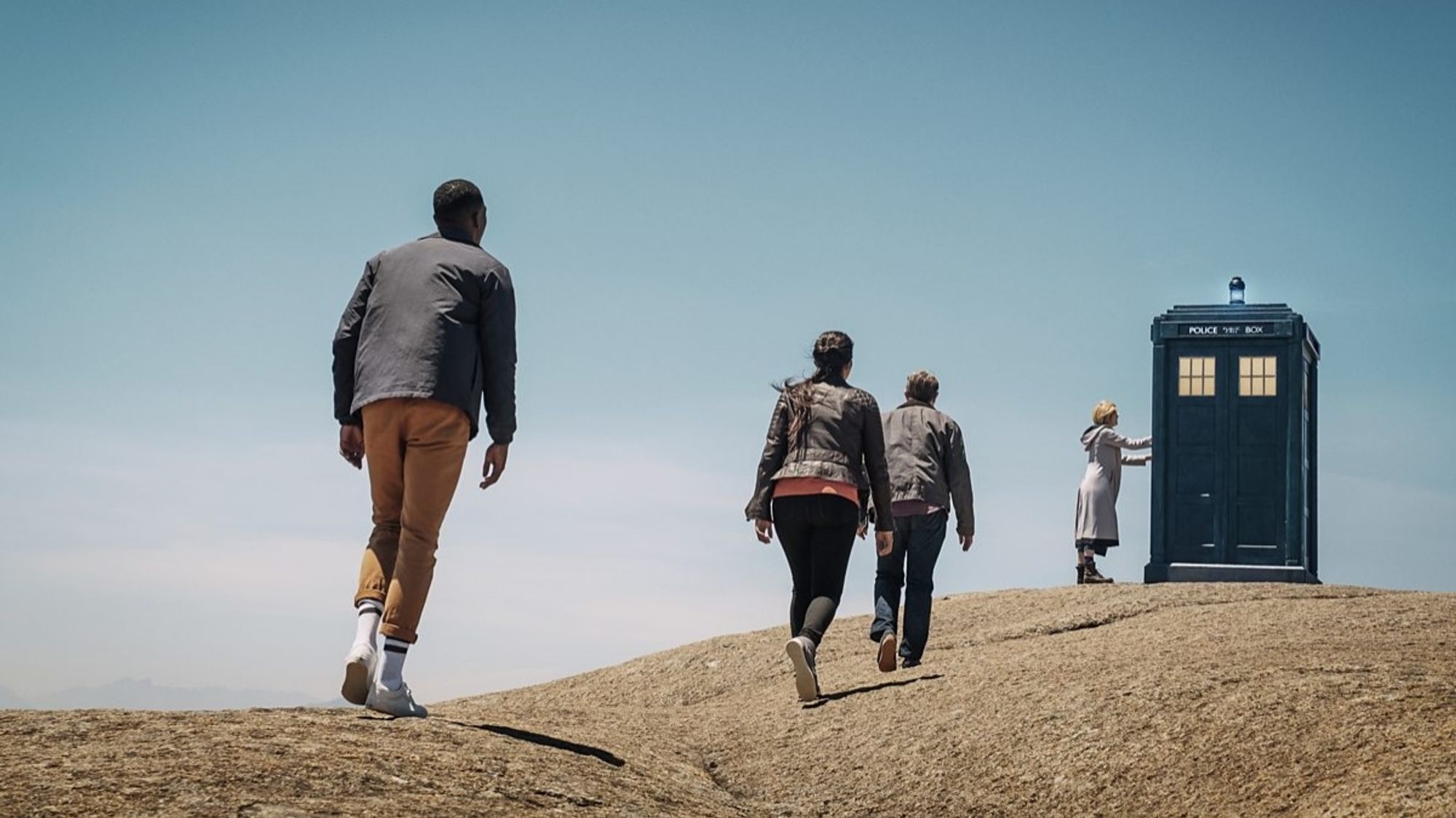
This one looks fantastic, with the South African filming locations really working their magic. There’s also a great guest spot from Art Malik as a slimy game runner. But the story itself is slight and the payoff isn’t as rewarding as it should be. ★★★☆☆
The first Trickster story had been a runaway hit, so the team quickly commissioned a second. Except this one steals and borrows a little too close to home – there’s heavy Curse of Fenric meets Father’s Day vibes. It works… Just. ★★★☆☆
Doctor Who has often stranded characters in the past, but very rarely done so in the future. This one looks at just how hard it would be for three people to jump from 1953 to 2006 and try to lead normal lives. Just a shame the Torchwood team are so unlikeable throughout. ★★★☆☆

It feels odd to have one final UNIT story without any UNIT regulars, but this one has a great supporting cast and a preposterously camp villain that makes it all worthwhile. If… Dare I say it… A little overrated. ★★★☆☆
A young boy gets to meet Jon Pertwee, who turns up in character. Hard not to find this adorable, even if nowadays we’re so used to seeing kids meet their heroes. Also, the last time Pertwee played the part on screen, loving the boy’s enthusiasm. Ever the showman. ★★★☆☆
There had been talk for Peter Jackson possibly directing an episode of Doctor Who for years. This odd moment in which Peter Capaldi turns up in his house in New Zealand seemed to be hinting at it actually happening, but led to nothing. ★★★☆☆
The effects may date this, but the story’s biggest issue is that it takes our new Doctor and Rose and starts to make them unbearably smug together. This is an intentional plot device to seed their later downfall, but it makes you almost want the werewolf to eat them. ★★★☆☆
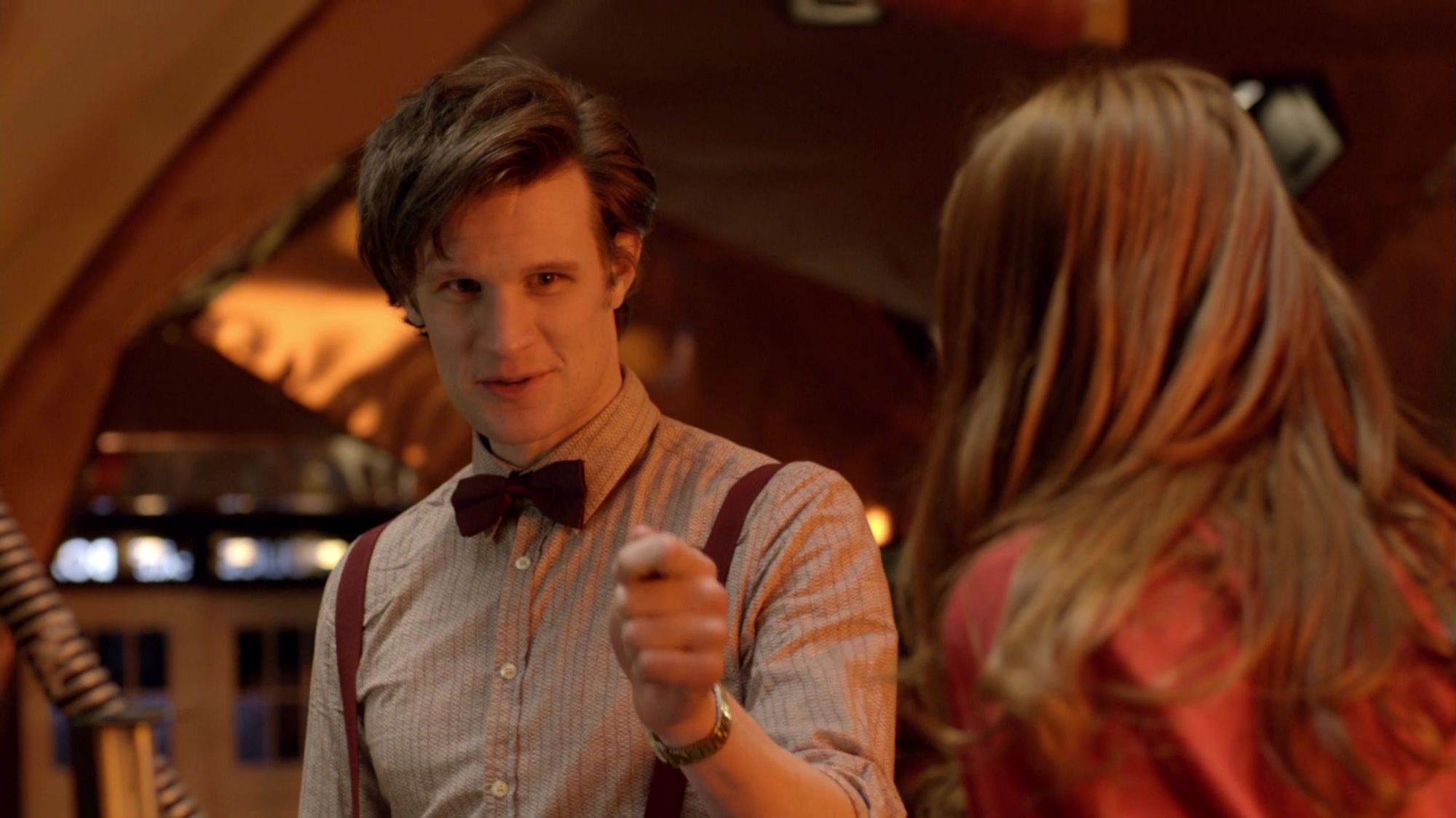
A continuation of the controversial “Amy seduces The Doctor” sequence, in which Pond gets a glimpse into The Doctor’s past and he tries to deflect her questions. Lots of funny lines here, but very little substance. ★★★☆☆
There’s a great joy in seeing Ronnie Corbett in Sarah Jane’s attic, and even if the puns are a little on the nose (the Two Ranis) then it’s all for a good cause. Weirdly had a massive audience who probably never saw any more of The Sarah Jane Adventures. ★★★☆☆
The Doctor visits an alien planet and is warned of the impending dangers he will soon face. Another opportunity for Tom Baker to have fun on camera, and an in character teaser ahead of its time. Who wouldn’t really do this again properly until 1988! ★★★☆☆
More groundwork being laid for the Paternoster Gang spin off that never materialised, as Dan Starkey has lots of fun keeping Whovians up to date across the end of Series 7 and Matt Smith’s final two specials. Some fun gags and nice universe building. ★★★☆☆

Five Doctors. Thirteen companions. The Rani. A cavalcade of monsters. The cast of EastEnders. That’s a lot to fit into 14 minutes of charity sketch. It’s a complete mess and yet strangely hypnotic and enjoyable. Would love to see a proper extended cut one day! ★★★☆☆
It could be argued that modern Doctor Who has tried to mature with its audience. After the child friendly RTD era and teen fantasy vibe of Doctor 11, it was time to go edgy to keep young adults interested. This trailer was the darkest yet, and after this, they began to reign that attitude in. ★★★☆☆
A long gestating tale of space vampires which now feels tonally at odds with the rest of the season. But as a respite from script editor Christopher H Bidmead’s so called hard science it becomes a season highlight. No wonder people were watching Buck Rogers instead. ★★★☆☆

With both John Barrowman & Chris Noth back for this episode, but called out for dodgy behaviour later in 2021, arguably few stories have had a shelf life as short as this one. A shame because awkward cast members aside, this is a solid farewell to the Fam. ★★★☆☆
Blink and you’ll miss it as a Silence awakes in a standing water coffin, and River wears an eye patch as that nursery rhyme returns. The prequel sets the scene but is ultimately pointless. As for the main episode, sadly it’s a bit of a convoluted mishmash of ideas, but it manages to sew up the season arc relatively well for a mess the writer didn’t have to put himself in. ★★★☆☆
A promising new character is introduced to Bannerman Road, with an intriguing back story that sadly could never be developed further, opening up opportunities for Lis Sladen that would have been marvelous for her to explore. The bittersweetness is inevitable, but it’s also a solid, average SJA. ★★★☆☆

Trekkies rejoice as John De Lancie returns in this episode which also features Nana Visitor! Don’t get too attached to either, sadly, or Wayne Knight’s character either. Miracle Day pulls in so many great actors just to brutally dispose of them too soon. ★★★☆☆
Exploring Owen’s self destructive tendencies at a time when it seems he can do anything but, this is a great showcase for Burn Gorman. But it also continues to place Toshiko in an abusive position, and no amount of Richard Briers being brilliant can salvage that. ★★★☆☆
Matt Smith left too soon. Especially because Series Eight feels like it was written for him at times and hastily redrafted. This special also has to wrap up plot points they weren’t quite ready to end, and needed to be longer. It wasn’t, and it suffers for it. ★★★☆☆
Mark Gatiss’ love letter to the early days of BBC Television, with Maureen Lipman oozing camp menace from within a TV screen on your TV Screen. The real heart of the story lies in a family standing up to an abusive man, even if it feels unlikely for the period, and the message is slightly marred by the final scene. ★★★☆☆

Wrapping up the season arc in two episodes when the writer dies halfway through production causing the script editor and producer to fall out and emergency rewrites to be performed explains why this one is a bit garbled. But it has great visuals throughout. ★★★☆☆
A very ignoble final appearance for both Benton and Harry, and a couple of plot contrivances are utterly ridiculous. But the concept of a replica village filled with android clones as a test for a real invasion is a good one, and there’s some fun here. ★★★☆☆
Bringing in Martha was a wise move, as it allows the show to pull the stunt at the end of Reset. This episode mixes things up again, and it’s Dr Jones who is most at risk, but you know they’d never kill the Doctor’s friend in this way. ★★★☆☆
Sarah Jane bids The Doctor farewell after a spot of bother with alien possession, a nuclear reactor, and a gender swapping crystalline villain. It’s solid average Who but the final scene – written by Baker & Sladen themselves – is a gem. Until we meet again, Sarah… ★★★☆☆

Roger Delgado’s unexpectedly final appearance, and his Master bows out scheming and plotting at his usual devious best. The Draconians are a great species deserving of a revisit. Sadly the story is a runaround which is both overlong and without a solid ending. ★★★☆☆
Season 12’s original finale was held back to launch Season 13. Just before it aired, Tom Baker appeared in character on TV clip show DisneyTime, introducing cartoon sequences before getting a call from the Brigadier to come to Scotland. A neat way to plug the new run. ★★★☆☆
Made to show to the press and later included on dvd, this clip features The Doctor and Ace on location during Silver Nemesis discussing their adventures. It’s slight but it’s always a delight seeing these two together. ★★★☆☆
A cute little Lockdown extra giving an extra layer of insight into the mind of young Amelia Pond. It’s not essential, of course, but it does add to the whole fairytale vibe of the Pond Era. ★★★☆☆
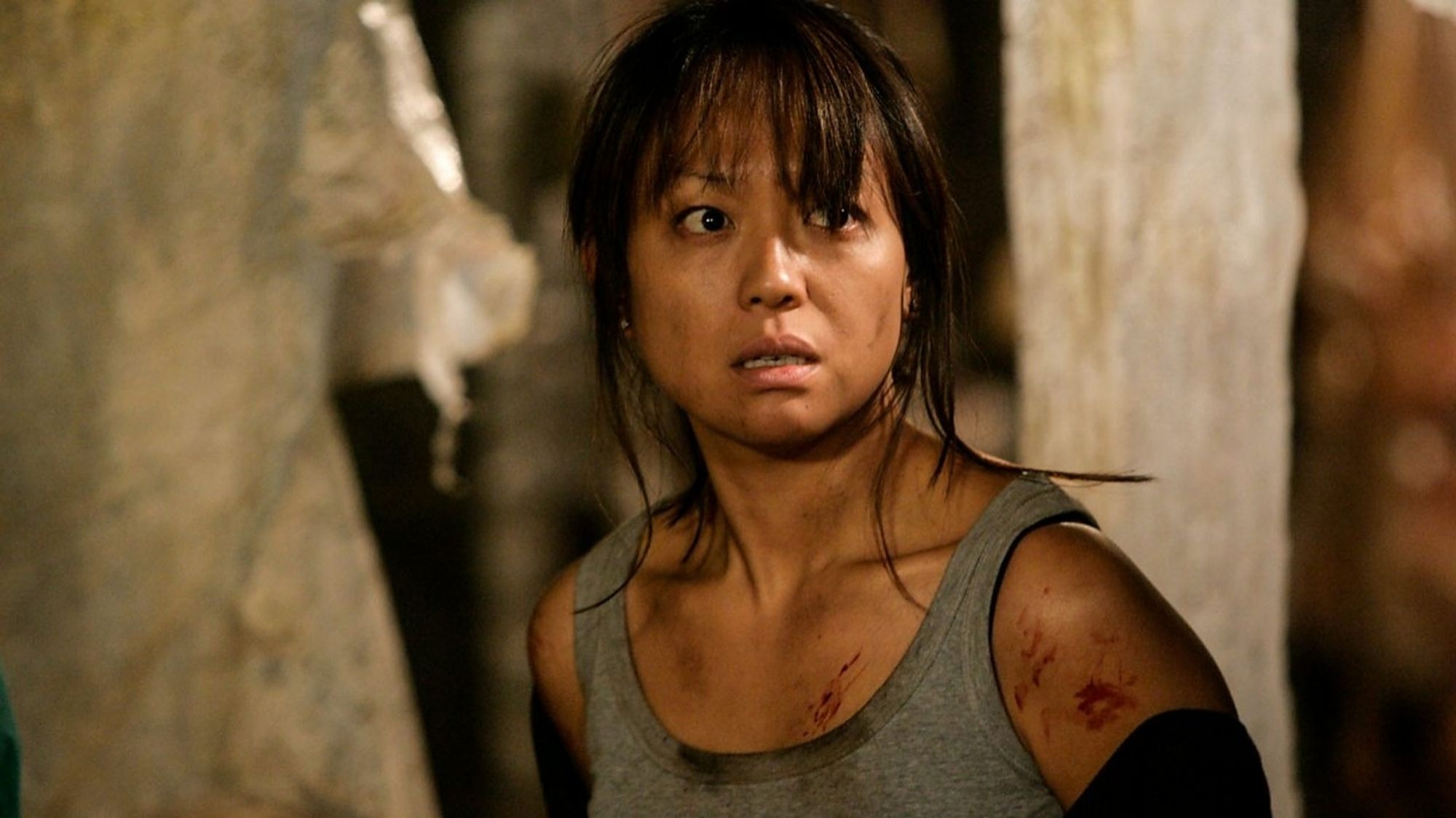
As a standalone piece of television, this is solid stuff, with Owen Teale oozing menace and a real sense of constant dread. Again, though, like sex gas ghosts, human cannibals on present day earth feels like a concept that doesn’t belong in the Whoniverse. ★★★☆☆
The Dead Ringers team loved Doctor Who. Especially John Culshaw who is still actively involved in spin off media. When Tony Blair announced he was resigning as Prime Minister, they couldn’t resist getting Tennant in. A sign of how big the show was then. ★★★☆☆
A prequel that feels more like a deleted scene, and probably adds about as much to proceedings… This one gives a tiny bit of additional insight into the episode that was to follow but minisode fatigue is setting in now. As for the core episode itself, the best thing about it is that Richard E Grant returns & is suitably high camp. There are also some slightly shonky if well meaning digital inserts of past Doctors, and the mystery of multiple Claras is resolved reasonably, as is River’s storyline. Good but underwhelming with a silly finale. ★★★☆☆
You’d think a script from Douglas Adams would be teeming with good ideas and witty dialogue. And it kinda is. But it’s also Doctor Who by numbers and perhaps a little too silly… ★★★☆☆
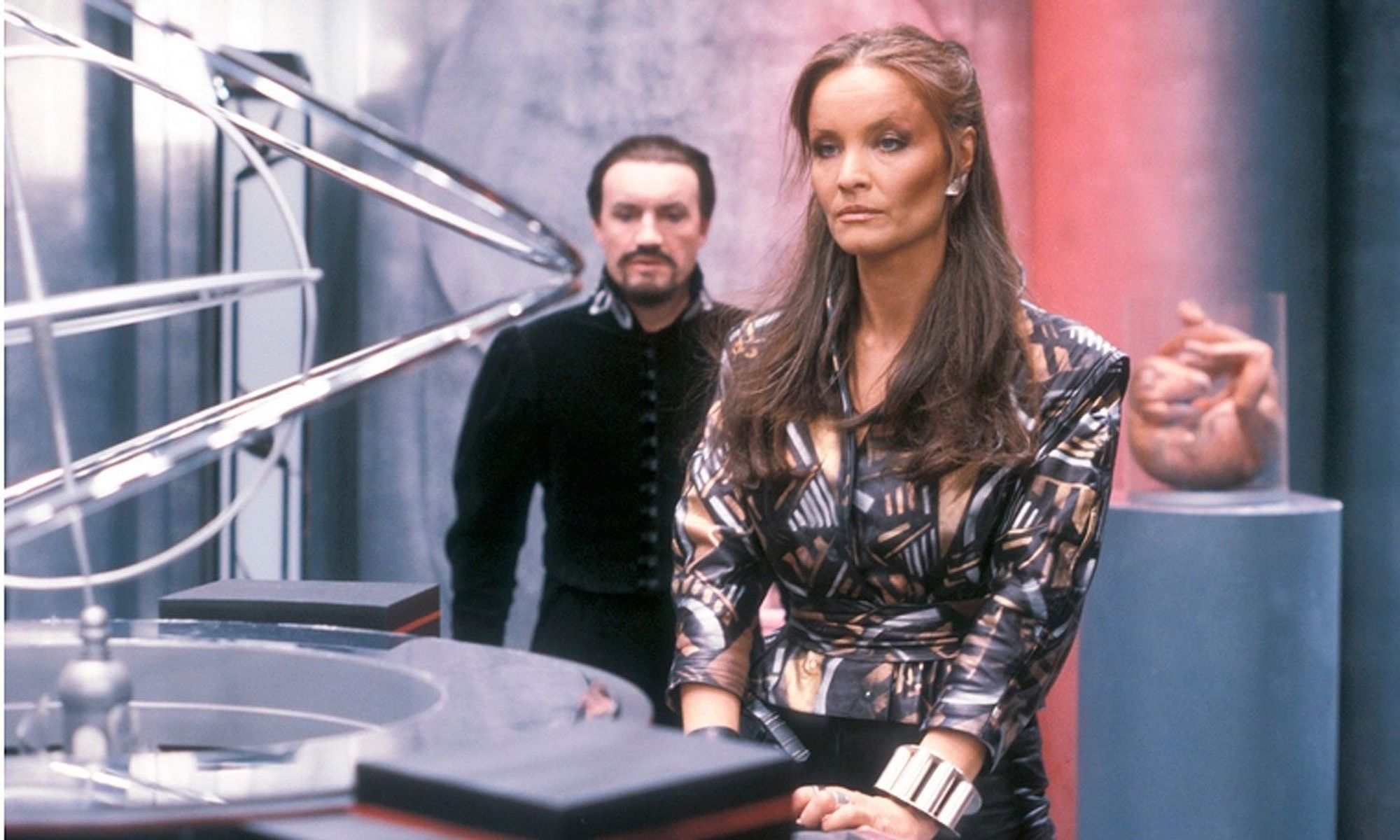
Kate O’Mara is sensational as the callous Time Lord, and there’s some gorgeous location work on display here. But there’s also The Master badly shoehorned in, and a sense this is not quite the sum of its parts. ★★★☆☆
Steven Moffat’s decision to create The Curator as a future incarnation of The Doctor in 2013 allows fans to spin all sorts of meta rationale for 1990s clips of Tom as a sort of self-aware latter day Doctor. These links from BBC2 are more fun if you play along. ★★★☆☆
An odd one in which Colin plays himself but as The Doctor, arguing a parking fine in court. It’s slight compared to the trailers that would follow it, but good fun and with a cheeky bonus scene at the end. ★★★☆☆
A cute but forgettable little novelty made to air as part of a Proms event, in which The Doctor’s TARDIS is invaded by a cheeky Graske. Works fine but loses a lot when you’re not there to witness the actual event. ★★★☆☆

Torchwood opens with a decent stab at introducing their world through the eyes of audience surrogate Gwen. But as with much of this show, there’s too much here that’s like a teenager learning how to swear, prodding at the late night timeslot like an edgelord. ★★★☆☆
This episode has one major problem: it appears to look at huge corporations treating their staff as near slaves and then goes ahead and sides with the company. Which is a shame, because moral message aside this is solid Who with a suitably daft central premise. ★★★☆☆
An underrated story hampered by low budget sets and odd guest performances from Rick James and John Hollis. But the rest of the guest cast are solid, the concept interesting and it could have been a tight 4-parter. Plus, it contains characters called Cotton, Ky & Jo. ★★★☆☆
Blake’s 7 veteran Gareth Thomas lends some kudos to this X Files esque tale about a machine that allows the user to see ghosts. The need to be edgy is still making this a bit awkward, but we’re on the right track at least. ★★★☆☆
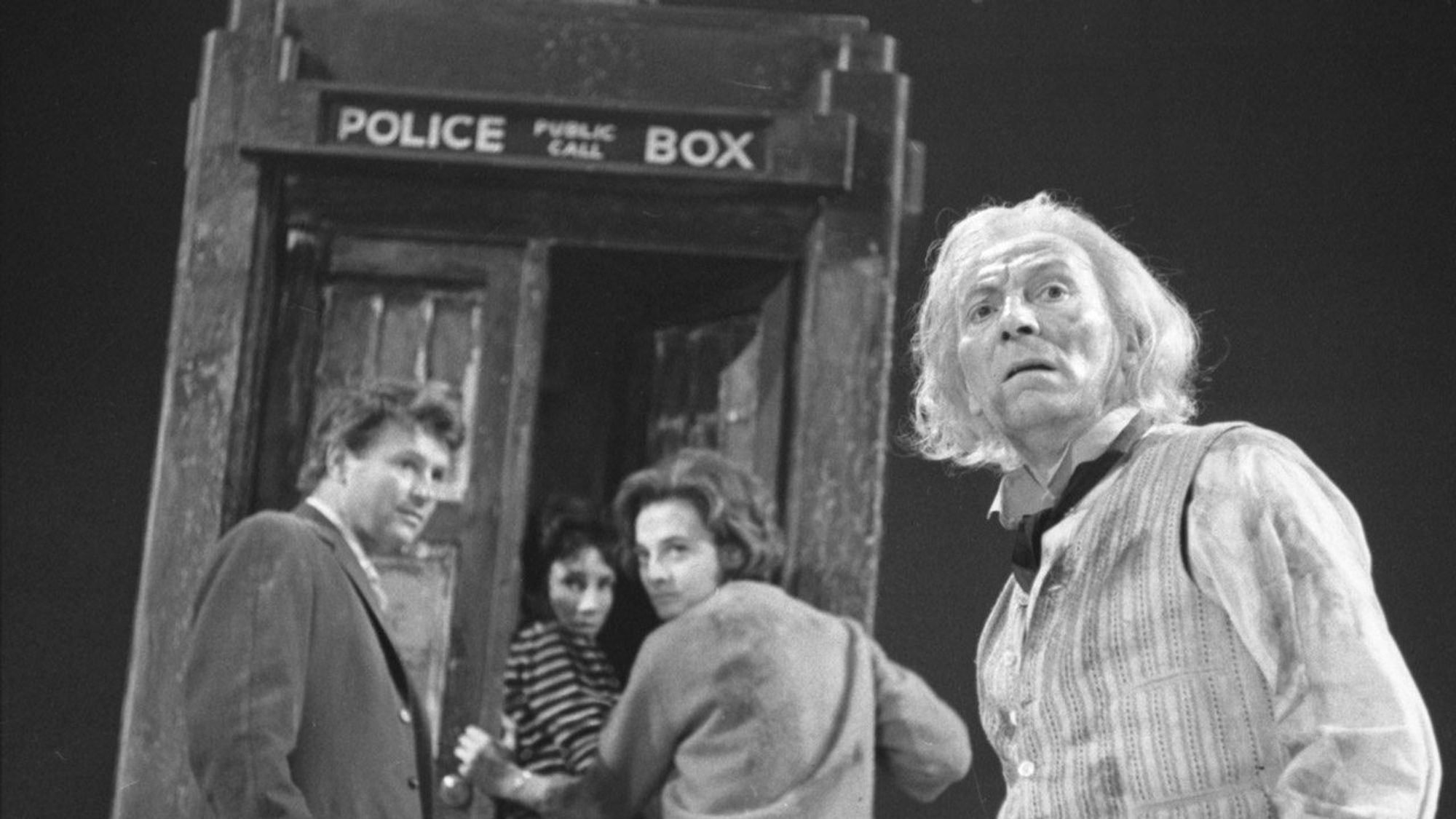
Received wisdom is that the first episode is phenomenal television and the rest, well, isn’t. That’s perhaps a little harsh on a solid, if seemingly low-stakes story. Some of it lingers in the mind despite how silly caveman dialogue has to sound. ★★★☆☆
This one wastes a little too much time on framing Sarah for child abduction – a plot device that feels too awkward for a show that also has farting green aliens with an aversion to vinegar. But it wins bonus points for introducing Floella Benjamin’s Professor Rivers. ★★★☆☆
The beginning of the end for Tom Baker’s Doctor, but also the first two of three new series regulars arrive here, in this studio bound tale of deceit and deception that brings back an iconic villain. A little bit hammy, but vital lore building. ★★★☆☆

Plus points? An excellent cast, menacing air, good gags, and a corking reveal in the last five minutes. Negatives? Yet more Doctor/Clara being shitty to each other stuff, and the “Don’t Cremate Me” shit does not belong in a family show. Very firm line crossed, imho. And there’s more tonal awkwardness to come, as apparently not only do cremated people feel everything, but now every corpse in the land is a Cyberman. Yes, even the Brigadier. Some great sequences, UNIT return, and Michelle Gomez is phenomenal, throughout. And it looks amazing. ★★★☆☆
This opening episode of short lived spin off Class has a lot to establish. Five main characters. Supporting characters and their relationships. The big villain of the series. The location. The tone. With all that The Doctor is almost a distraction. ★★★☆☆
In-between S24 & S25, McCoy turned up on Noel Edmond’s fronted outtakes show. The series ruse was that Edmonds was a judge and famous BBC faces would appear, in character, to defend their bloopers. Worth it to see Sylv clowning around. ★★★☆☆

Long after his five year option to return to US TV was up, McGann, now bedded in at Big Finish, stepped in to voice The Doctor in this limited animation adaptation of Shada when Tom Baker refused. It works because Shada is a delicious script, but now feels defunct. ★★★☆☆
A light-hearted romp with a novelty alien, a camp villain and a simple plot… This one sells itself primarily on some perfectly delivered farce from Tate & Tennant. Again, Russell T Davies seems completely obsessed with fat jokes, which does taint this a little. ★★★☆☆

Let it never be said TSJA didn’t attract high calibre guest stars. This week, it’s the brilliant Suranne Jones and Jeff Rawle (the latter last seen in Frontios, the former soon to become the TARDIS herself), as the Mona Lisa escapes her painting and causes havoc. A fun one. ★★★☆☆
It isn’t clear when this takes place for The Doctor and Amy. Personally I like the idea of it being in the between Rory gap at the end of Series 5. Anyway, this Olympics themed mini episode was another schoolchildren script. It’s cute but non essential. ★★★☆☆
Peak gothic Doctor Who with brilliant guest characters Jago & Litefoot, lots of great stuff for Baker & Jameson to sink their teeth into, and iconic set pieces. So it’s a huge shame this one is also HELLA RACIST with derogatory stereotypes and yellowface. The story and overall production is astonishingly good and this could easily be a five star story… but I can’t let the racism slide, as in this particular case, it is deep rooted, problematic stuff that just has to knock this one down the rankings. ★★★☆☆

As the action is very much divided between the USA and Cardiff, this episode starts to feel the strain of putting all the regulars and key supporting characters in very different places and trying to keep things cohesive. Ernie Hudson’s guest slot keeps it interesting. ★★★☆☆
Made for the 1978 Christmas tape in house at the BBC on the set of The Armageddon Factor, this sees Romana, The Doctor and K-9 drunkenly celebrating the festive season. Not canon, but definitely a fun watch. ★★★☆☆
I don’t know how it took all these years to set an Ice Warriors story on Mars, but it’s long overdue. Chucking in some Victorian soldiers keeps things interesting, and there’s a lovely surprise cameo at the end for good measure. ★★★☆☆
A very silly sketch in which Matt Smith takes Dermot O’Leary on a celeb packed whirlwind tour of time and space on the way to the National Television Awards. Some gags work better than others, but it’s just a bit of fun keeping the show in the public eye. ★★★☆☆
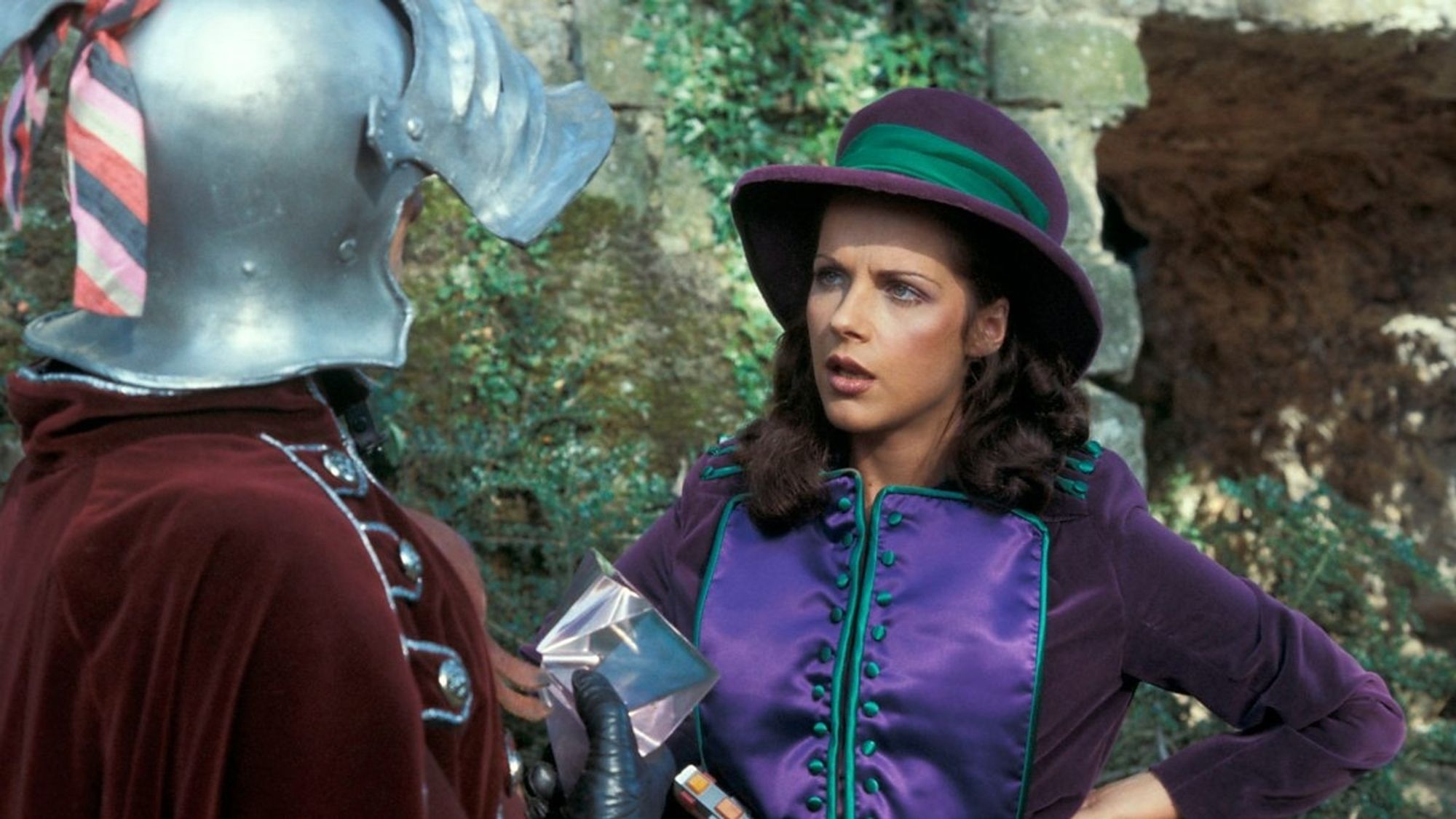
Mary Tamm was magnificent and criminally underused in Doctor Who. This is a rare chance for her to do lots and she pretty much carries this bizarre period inspired alien world fairytale melodrama. ★★★☆☆
Julie Graham has a lot of lifting to do in this one, as a parasitic alien lifeform that attempts to take Sarah Jane’s place in the universe. Weirdly, this middling story managed to bag the voice of Eddie Marsan for his only Whoniverse performance. ★★★☆☆

Pearl Mackie is a gift to Doctor Who and it is a crime she was only able to be in 11 episodes. She absolutely carries this ep, which risks falling down at the final hurdle after four weeks of set up. It just about clings together, laying groundwork for the finale. ★★★☆☆
Ben Wheatley returns with more of his regular collaborators in a strong guest cast. But the relationship between a more serious Doctor and the brassy Clara doesn’t gel cohesively, while we meet the first of several characters who’d have been better companions to him. ★★★☆☆
For years this tale of diplomacy and subterfuge on a primitive planet didn’t click with me. But at its core is a fab guest performance from David Troughton, and there’s enough joy in Alpha Centauri & the return of the Ice Warriors to improve revisits. ★★★☆☆
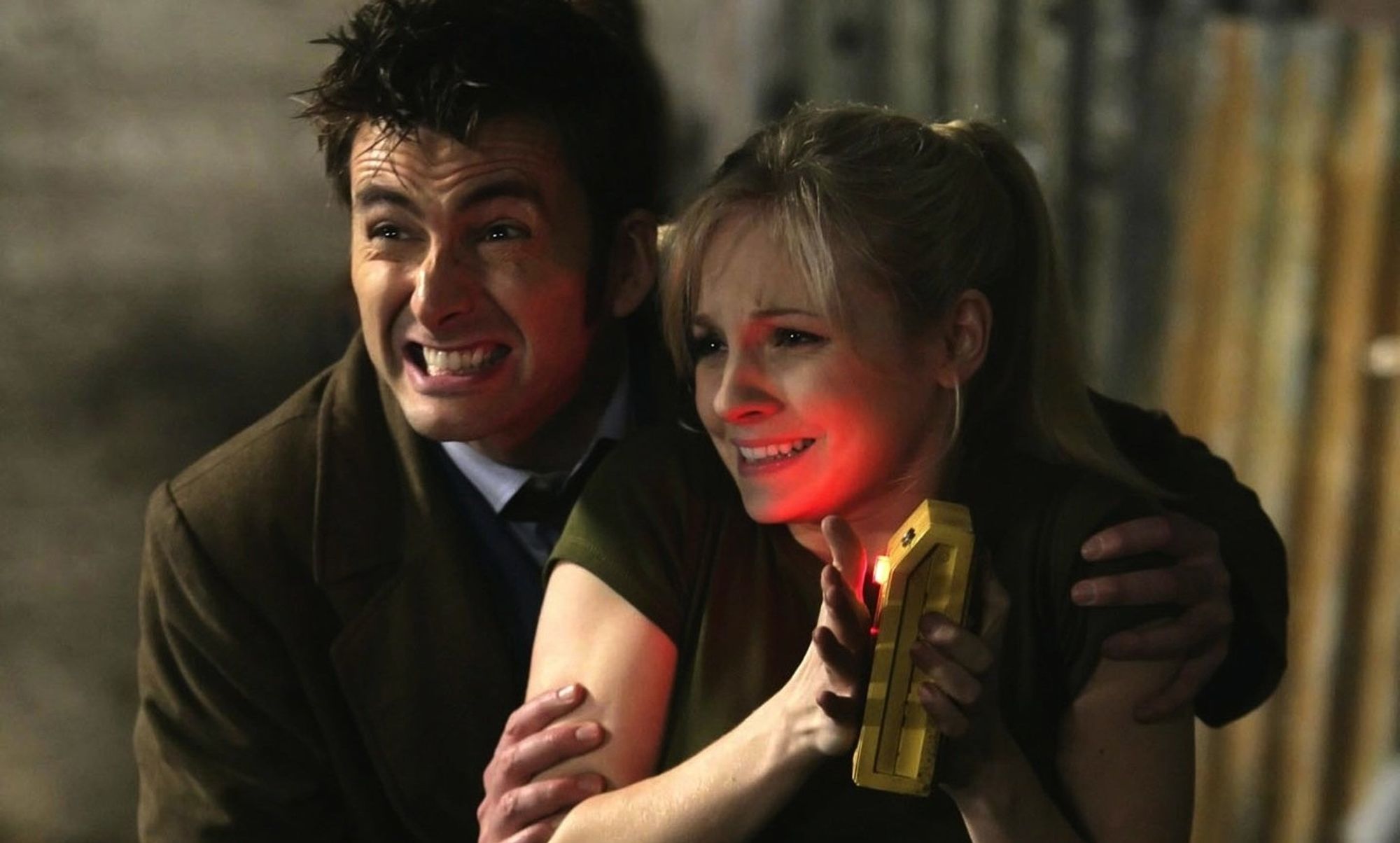
Another story in Series 4 that’s more important for its out of narrative consequences. Georgia Moffett is great as Jenny, so it’s little wonder folk are still clamouring for a return. But the story itself is slight. ★★★☆☆
A prequel to the first story in Season 17, made to promote the Blu-ray boxset release in 2021, this saw David Gooderson return to voice Davros for the first time since 1979! It’s more of a tease than some of the modern minisode trailers, but adds a nice layer to the narrative. ★★★☆☆
Released on the series seven box set but likely set not long after Asylum of the Daleks, this is a clever sequence that has a cheeky payoff. Adds a bit of additional flavour to the series, I guess. ★★★☆☆
The second story in a row to have a light entertainment star as the villain. JNT would be proud as comedian Russ Abbott steps in as a mysterious showbiz mystic. It’s a slightly forgetful story but everyone gives it some gusto regardless. ★★★☆☆

The first proper Dalek story in five years also sees Davros return, and sets up the theme of his final two stories in the original series – Dalek civil war. It’s a brutal story, with few light touches, but Tegan’s exhausted farewell is an era highlight. ★★★☆☆
A nice teaser for Series 4, as it becomes clear Donna Noble has been looking for The Doctor… Pure ephemera of course, but it got us all hyped at the time. ★★★☆☆
Originally made for the home media release of Series Six before being promoted to Comic Relief minisode status, this short two parter hinges on a rather controversial, and some argue sexist joke, and heavy Pond on Pond flirtation. Witty but not their best hour. ★★★☆☆

The prequel is a curio, really. The Doctor takes tea and is interrupted by a cowled figure with a summons. Useful for getting the pawns in the right place but little else. As for the main event? An unpopular story as Amy and Rory start it unfathomably separated as a side effect of their Series Six traumas, and are unconvincingly thrown back together again in the climax rendering the plotline useless. But the Dalek fan service and key scenes are fun. ★★★☆☆
The Doctor, for some reason in his old Pond era outfit, checks in on Clara who he has found as a child. It makes very little sense why he’d be doing this, but it is kinda cute to watch the two get on. Flash forward twenty years and we meet the MAN WITH CHIPS and see The Doctor zooming up the Shard on a motorbike. It’s all very comic book, typical Episode One fluff. Though a cheeky surprise cameo at the end changes the whole vibe of the piece and makes it all feel more important than it seemed. ★★★☆☆
A bonkers rollercoaster ride that makes very little sense as it juggles Cybermen, a prescient Tudor era mysterious lady, and actual Nazis. In the 1980s. It just about works if you embrace the fact it is absolute nonsense. ★★★☆☆
Smarter than it often gets credited as, this is an entertaining romp that, unfortunately, suffered a little in an edit that introduced unnecessary plot holes. One of those episodes that deserves an extended cut one day. Hugh Bonneville’s sultry narration in the prequel could easily have been the opening teaser scene on the actual episode. ★★★☆☆
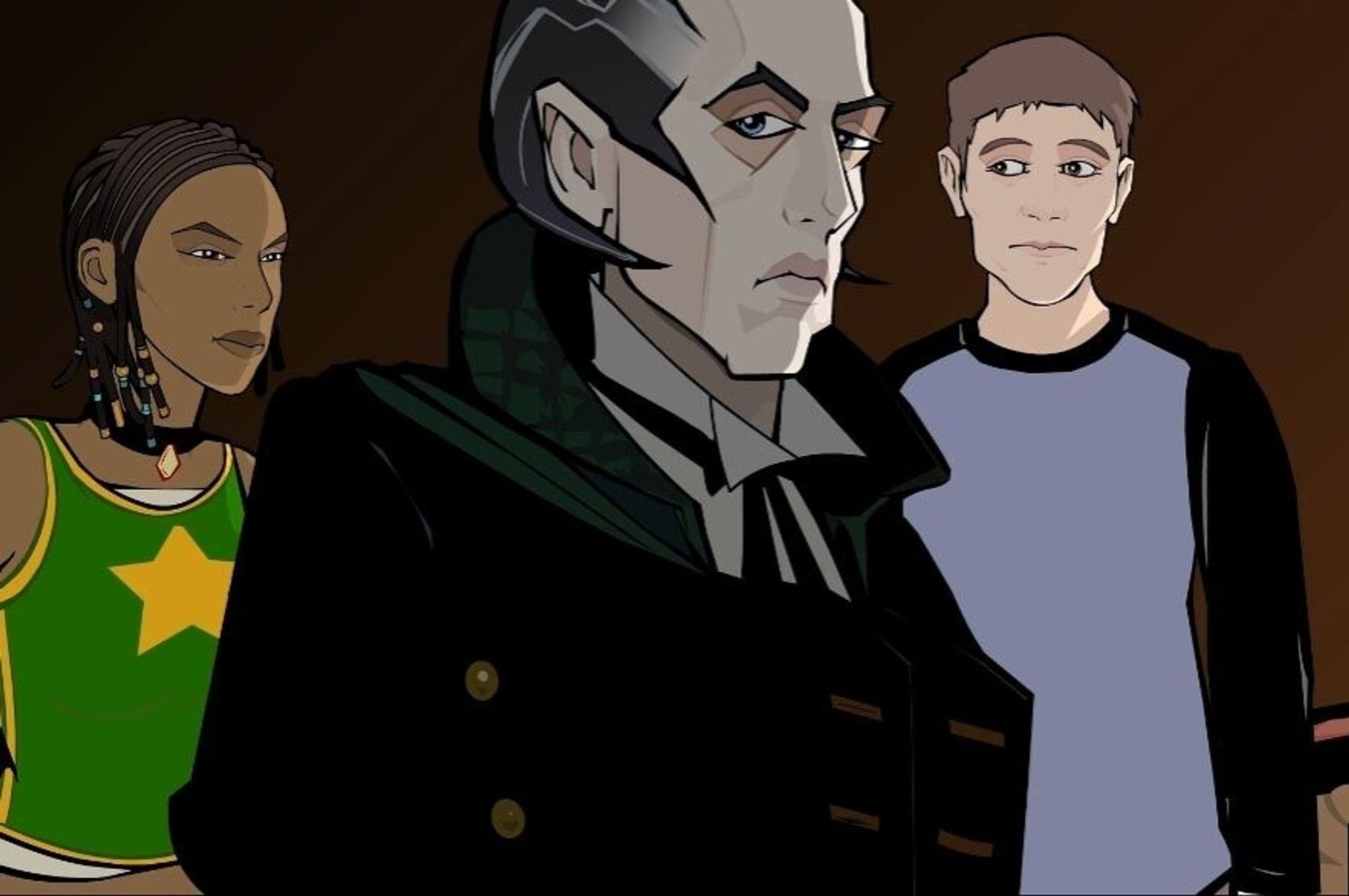
A brand new official Ninth Doctor was announced… Then renounced, because making this six part animation accidentally opened the floodgates for BBC Wales to revive the series. A ‘what if?’ look at a series that never was. Curious, but a worthwhile sidestep. ★★★☆☆
Nobody was asking for this, as some of the cast of the original episode have a webcam conversation in lockdown. But it’s pleasantly surprising all the same, and hammers home the ending of the parent story nicely. ★★★☆☆
The wheels come off Flux slightly, as a seemingly impenetrable episode throws the cast into duplicate roles and lots of fractured reality stuff. The cameo from Jo Martin makes this jump up a notch but it feels like an unnecessary complication. ★★★☆☆
An interesting premise and a great cliffhanger. But I can’t forgive this episode for casting the brilliant Colin McFarlane and the sublime Paul Kaye and completely wasting the pair of them. The end of the two parter is a smart cookie, and like much of this season it has a lot to say about the state of the world. But also like most of Series Nine, it’s a little bit like the heart has dropped out of it. ★★★☆☆
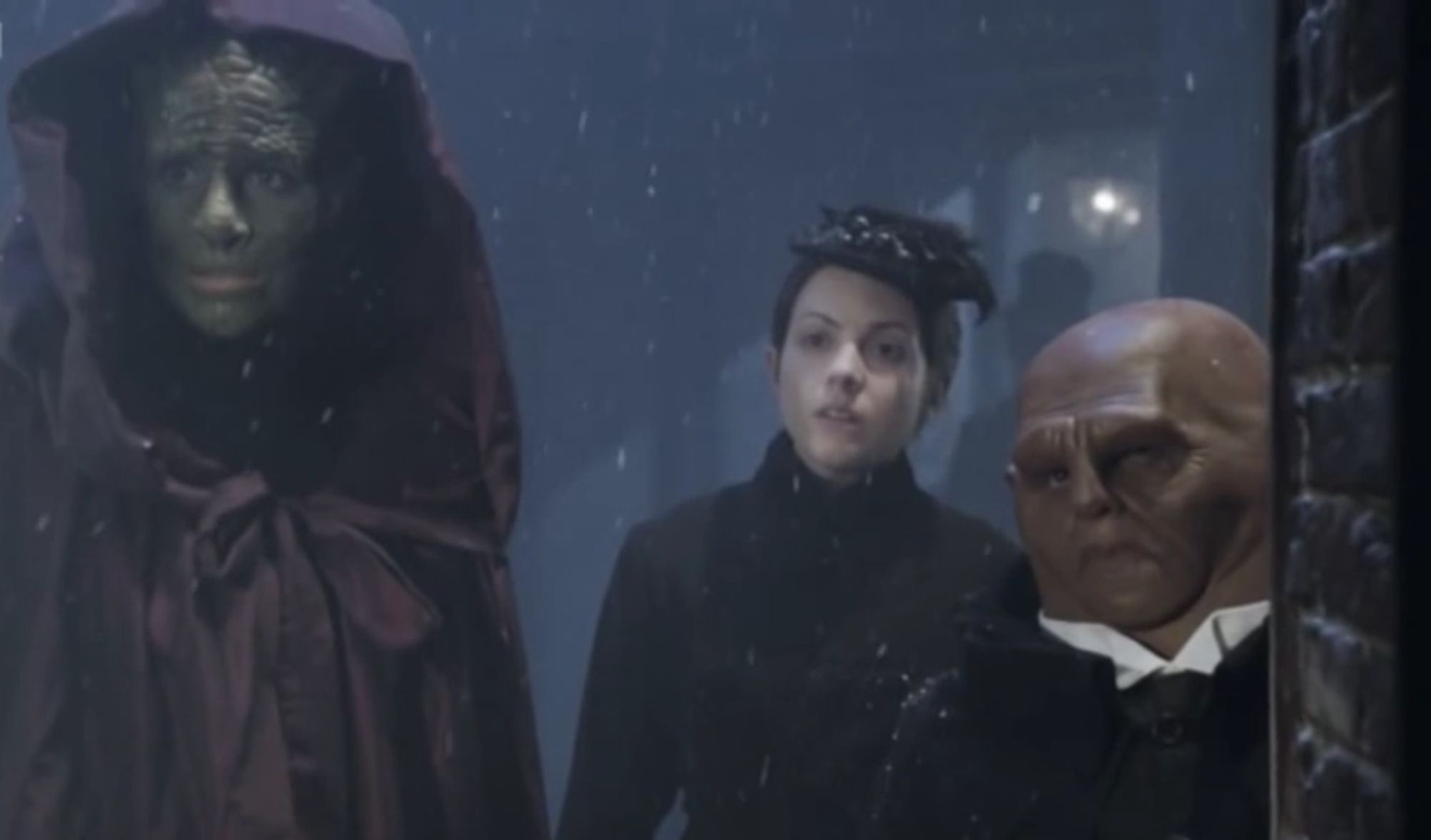
The age of an insane amount of bonus clips arrives, as the 2012 Xmas special gets two isolated, named prequels disctint enough to count as mini adventures in their own right. This silliness sets up the Paternoster Gang in Victorian London, and shows that The Doctor is still brooding over the loss of the Ponds. The trio were so clearly being set up for a spin off show that never materialised. And it’s not hard to see why when they spark off each other so naturally. ★★★☆☆
A BBC Schools special which features Jodie Whittaker helping kids learn about science. Hardly an essential for the grownups watching, but if I’d been stuck in school getting to sort of watch Doctor Who, I’d have loved this. ★★★☆☆
A pseudo sequel to both Prisoner of the Judoon AND animated Tennant episode Dreamland, this one sees the return of another fantastic TSJA villain, but it doesn’t quite hang together as a memorable instalment. ★★★☆☆
Doctor Who always does period pieces well, and this pseudo historical looks the part, despite the corny Starlight Express android. Some nice touches in this one, and it feels like the Davison era is finally underway. ★★★☆☆

New script editor Andrew Cartmel wants to take the show closer to edgy comic book concepts. Producer John Nathan Turner wants to make variety shows. Somewhere in the middle sits this chaos. Bloodthirsty butchers meet a 1950s Welsh holiday camp. Bonkers. ★★★☆☆
That winning streak had to end sooner or later, and though the ever brilliant David Morrissey is a fantastic addition to the show, and brings this one much needed soul, the Cyberman plot is underdeveloped and ends in a very, very silly manner. ★★★☆☆
As close to a serious action thriller as Doctor Who ever got, this one is surprisingly po-faced at times, and ever so slightly silly at others. But this tale of missing astronauts and conspiracy subterfuge is perhaps a bit TOO long. ★★★☆☆
The first of the Night & The Doctor stories is a flippant slice of silliness as The Doctor has madcap adventures while the Ponds sleep. It manages to also touch on some plot issues that affect Amy’s story that should have been explored further. ★★★☆☆
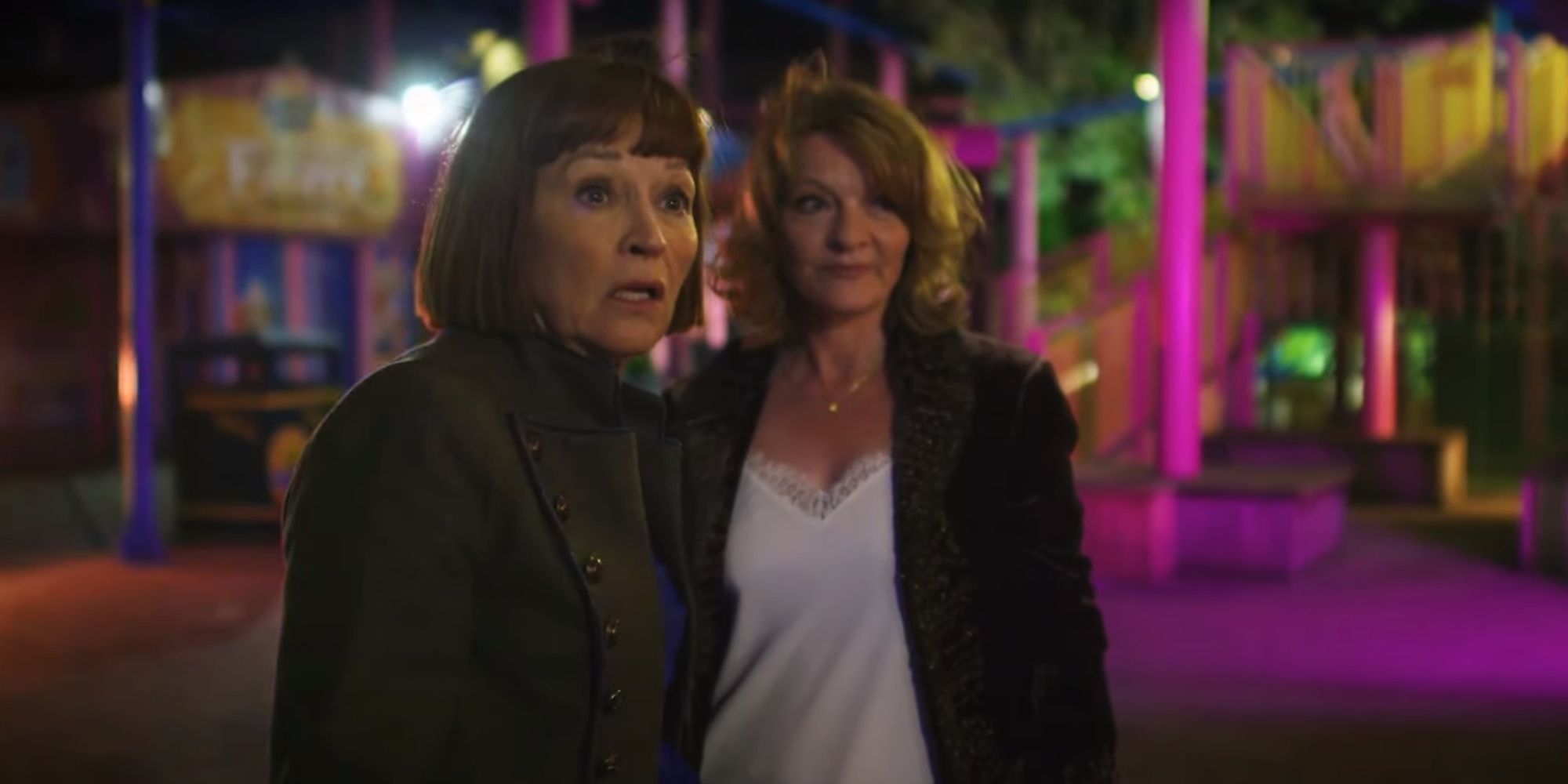
It feels strange to see Tegan post Power of the Doctor, referencing the last televised episode to date with what she thinks is her old friend Nyssa. This acts as a prequel to an as yet unmade third Mara tale. Would’ve just preferred a real reunion for the duo. ★★★☆☆
They’d done the Daleks, the Cybermen, and The Master. So it’s quite ironic that next off the classic era revamp production line were clone race the Sontarans, for a story that recycles bits of the other NuWho revivals fast enough you barely notice. If Series Three had a variable hitrate it at least had Freema Agyeman giving it her all. Now back for Series Four, this story lumbers her with an awkward Evil Clone story that convinces nobody, and the Sontarans don’t really convince anyone they mean business. Tate is having fun, though. ★★★☆☆
An intriguing diversion which reminds the audience that the Torchwood team is a fractured one, and there are some dark secrets being hidden away. The grim ending is effective but the episode is a morose one that feels a bit awkward in light of real world traumas of this ilk. ★★★☆☆
The return of Doctor Who following the mid season break was teased in a short prequel scene as Amy phones The Doctor to check in on his hunt for Melody, and he pretends not to be in. It’s a shame the show dealt with Amy & Rory’s loss somewhat flippantly, and when the main episode itself burst onto our screens it was safe to say nobody really saw this one coming. The casual surrealism of it all is both exhilarating as an isolated 45 minutes of madcap entertainment and utterly frustrating in regards to the ongoing story arc. A solid, clever episode but balls to character development. ★★★☆☆

Ok, the Hammer horror vibes reach their ott peak with this B-movie schlock carried by the incredible Philip Madoc. He’s a delight, but the Sisterhood of Karn (later to return to the show in 2013 & 2015) are cringe and the Grand Guignol is a bit too on the nose. ★★★☆☆
The one where The Doctor punches a racist, which obviously gets a cheer because screw racism, but also feels a little out of character for a guy who was hanging with Churchill in his last incarnation. The Victorian setting is suitably spooky and the big monster effective. ★★★☆☆
Cramped spaces don’t make for very visually appealing television, but this one helpfully expands the New Earth saga and sets up the mystery of the season, while throwing out some political jabs for good measure. ★★★☆☆
This tale of mistrust and the rights of newly created sentient lifeforms is a fascinating concept that really benefits from having two parts, allowing us to spend time with the characters in a way modern Who rarely does. A great guest cast shines in Part 1, which is why it’s a shame Part 2 doesn’t live up to the opening instalment, in part thanks to overconfidence in some appalling CGI, but also because it devolves into a generic monster runaround. Also, a hugely contradictory ending just to get a cheap shock. ★★★☆☆

It’s good to see Rigsy again, and this at least has some interesting ruminations on the life The Doctor leads. Ultimately, it’s a reminder Clara as a character has been incredibly inconsistent and at times remarkably stupid. And the shock ending was soon undermined. ★★★☆☆
A solid entry which gives some important background information around our series regulars, and culminates in a solid cliffhanger. Inevitably some of the bottle stories work better than others. ★★★☆☆
Another cute lockdown episode here, catching up with the two Osgoods. There’s a real charm to Ingrid Oliver in this dual role, so it’s nice to see her again. Hopefully not for the last time… ★★★☆☆
There’s an Enemy Within the TARDIS, and it’s an undead version of The Master, attempting to steal the newly regenerated Doctor’s remaining lives. As a continuation of the JNT era, it works brilliantly. As a backdoor pilot for a brand new show, it’s near impenetrable. ★★★☆☆
Omnipresent teenage schoolgirl Lauren meets her new English teacher, who just happens to remind her of a certain Time Lord. Tennant & Tate are clearly enjoying their newly blossoming friendship and the meta gag rate of this sketch from the latter’s show is high. ★★★½☆
It’s fair to say that Pearl Mackie’s time on the show was unfortunately cut short, so it’s a joy to hear her and Matt Lucas again for this lockdown mini episode, which picks up on their lives post The Doctor Falls, and addresses the state of a world in crisis. ★★★½☆
I love this because it pissed off all the NMD types in one fell swoop. It also gave us a little hint into the new Doctor’s cheeky nature. A cute teaser but nothing more. ★★★½☆

Three episodes in, and it’s fast becoming apparent that Doctor Who’s new USP for Series 4 is Catherine Tate acting her socks off. She is phenomenal here, which helps prop up the slight narrative. Tim McInnerny is suitably slimy as the exec with a secret. ★★★½☆
Disappointing cat people costumes aside, this is a moody and atmospheric story… for the first two episodes, then it all starts to fall apart a bit. Which, as the final story in “Classic Who”, is fitting given how often that happened over 26 years. Still ended too soon. ★★★½☆
A nice way to tie into Series Four of the parent show, as the gang meet a survivor of The Doctor’s last encounter with the potato headed aliens. Really, it’s all a bit of a backdrop for Maria to leave, with her parents stories also wrapped up. ★★★½☆

An hour long pilot introduces Sarah Jane’s new neighbour Maria and clone boy Luke, as well as recurring villain Mrs Wormwood played with scenery chewing delight by Samantha Bond. But the gang isn’t quite right as Kelsey is a misfire swiftly forgotten. ★★★½☆
There’s an unfortunate crassness to the overweight farting aliens that knocks Part One down a peg. Which is a shame, because the rest of the episode is pretty solid stuff, especially the fallout of Rose being missing for a year. Plus, of course, Penelope Wilton. Disconnect between the Slitheen costumes and Slitheen CGI aside,
Part Two dials down the clumsy comedy and deals more with the potential fallout of travelling with The Doctor. It also illustrates why Annette Badland came back later in the season: she’s phenomenal. ★★★½☆
A much better trailer than Series 2’s rehash of the Series 1 classic, this one has lots of fun with split-screens to illustrate how The Doctor and Martha are being drawn together. A good indicator the show was moving forwards. ★★★½☆
The newly revamped Cybermen look iconic on the Moon, and there’s lots of fun to be had with their sneaking around, messing with sugar supplies. But the show is struggling to find things for three companions to do, and Jamie’s dealt the short straw here. ★★★½☆

The Cybermen debut as Hartnell bows out. Sadly, ill health means his contributions to this story are heavily reduced, but when he shines, he truly shines. The Cybermen are ruthless but the voices ridiculous. Not their finest hour, but it works. ★★★½☆
Wayne Knight is at his slimeball best here as the double crossing Brian Freidkin, and Arlene Tur is proving to be another valuable weapon in this season’s arsenal. The plot isn’t getting any more cohesive but the acting is off the scale. ★★★½☆
It had been too fuggin long to go without new Doctor Who, and a new companion was long overdue, so the hype around this buzz trailer was everything at the time. Now, of course, the trailer has lost a lot of this vibrancy, but it’s still pretty cool. ★★★½☆
The bizarre Immortals at the centre of this one aren’t really the story. This is a character piece about mental health, and it gives Bradley Walsh, Tosin Cole and especially Mandip Gil a chance to shine. Yaz’s emotional journey here is brilliantly handled. ★★★½☆
Not broadcast until 1991, the aborted first attempt at launching the series is darker and more mysterious than the version that aired in 1963, but also a little clunkier. Some elements were best jettisoned. Others could have been fascinating to progress. ★★★½☆
A time twisting episode which at times pushes up to the limits of the show’s budget, there’s a huge sense of pervading dread throughout but it all collapses a little in the final act in which an unconvincing cgi demon rampages around Cardiff docks. ★★★½☆

The opening to Series Three continues RTD’s trend for a light and fluffy plot playing second fiddle to resetting the status quo and putting the new Doctor/Companion relationship front and center. Freema Agyeman is instantly likeable and the Judoon are quickly iconic. ★★★½☆
This one has a poor reputation, primarily because of the silly Olympics climax and its status as a low budget bottle episode. Personally, I think it has an important story to tell, handles a sensitive subject respectfully AND reunites Tennant with Casanova’s Nina Sosanya. ★★★½☆
A belated mini sequel penned for the Lockdown screenings, in which Madame du Pompadour writes a letter to the absent Doctor she is waiting for… or does she? Only Steven Moffat can make you feel sad with a twist like this. Clever stuff. ★★★½☆
Game of Thrones & Being Human star Donald Sumpter makes his third of four (to date) appearances in the Whoniverse, this time as a wicked sorcerer from another galaxy. Also on board are Callum Blue, Adam Gillen and a returning Floella Benjamin. Solid if slight filler. ★★★½☆
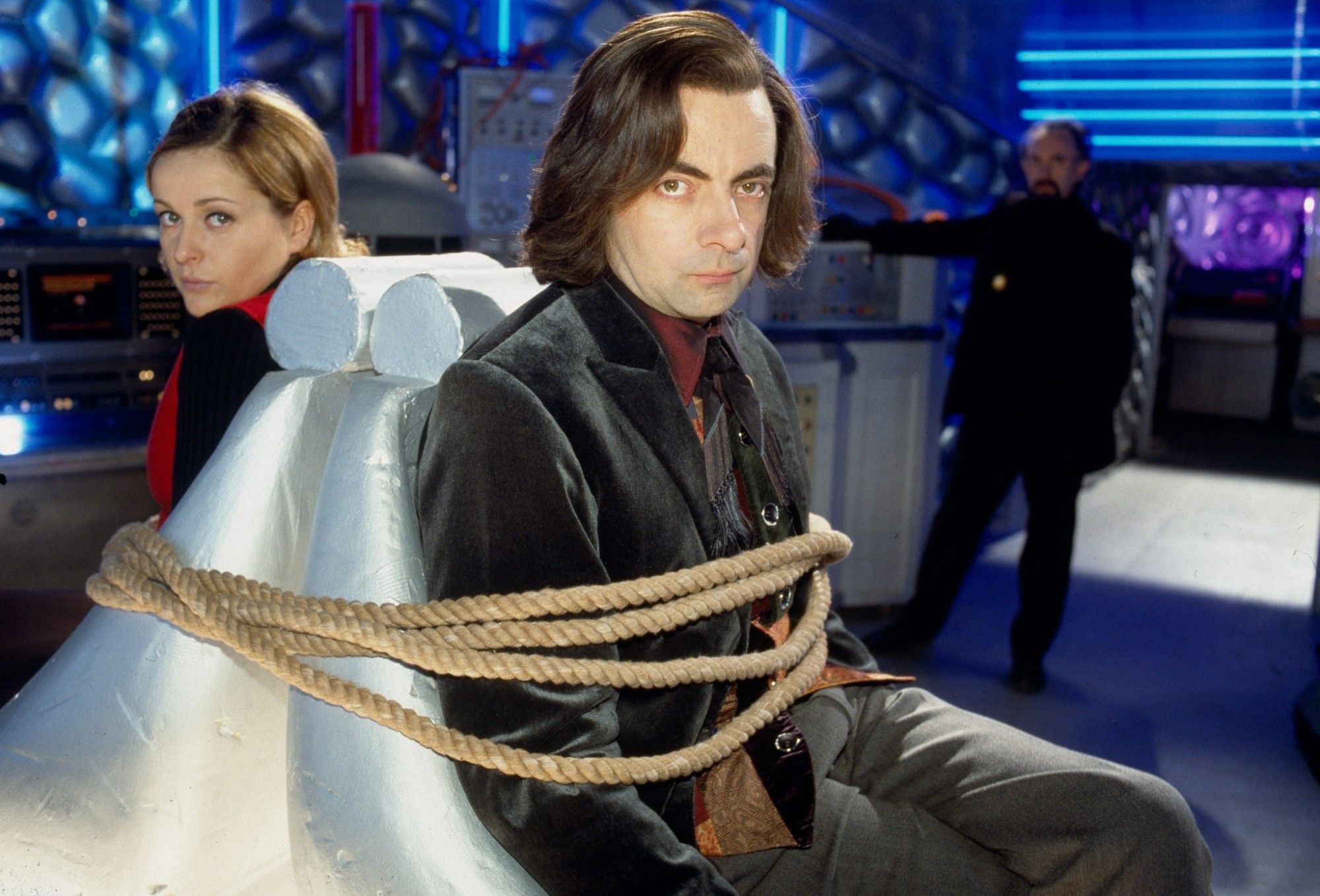
Steven Moffat’s love letter to a show that, at this time, looked unlikely to ever return. An all star cast is on hand for a clever clever timey wimey script that gently mocks and openly adores this daft old show. ★★★½☆
A fun little video insert from Matt Smith’s Doctor during the Proms becomes a live action experience for the whole audience, and especially one very lucky kid. Cute stuff, which further cemented Matt as a worthy successor to David Tennant. ★★★½☆
A fantastic set up, with high stakes, an intriguing villain, a cast having fun and a bloody great reveal at the end. There’s a confident swagger to Part One, but Part Two all falls off the rails a bit, as the story seems to be setting up things which never get paid off later, such as Daniel Barton’s entire storyline. There are some solid scenes and instant chemistry between Whittaker & Dhawan but THAT perception filter stuff is dodgy. ★★★½☆
A fun little tease set directly after the last episode, leading into the next. It’s slight, because it can’t do much but give us a taste of the new Doctor, but it plays on Rose’s shock and confusion brilliantly. ★★★½☆
A lovely set of Moffat esque mini episodes in which Tom Baker talks to a computer about the antipodean continent and the litter problems it was facing in 1979 as part of a promo campaign. Always good to see the show used to do good. ★★★½☆

Not sure if it’s the arrival of Mary Tamm, who is sublime as Romana, or new script editor Douglas Adams, but suddenly Tom Baker has a new lease of life and is back firing on all cylinders. This studio bound tale is small in scope but lots of fun. ★★★½☆
An interesting way to introduce a new companion, this is essentially an extended scene from the first episode of the next series, which was frustratingly curtailed in the actual episode. Pearl Mackie is instantly fantastic as Bill. Hurry up Series Ten. ★★★½☆
For all the “Who-har” about what a casting coup Miriam Margolyes is for Doctor Who, everyone seems to have forgotten she joined Simon Callow in voicing The Blathereen in the final Raxacoricofallapatorian story to date. The killer plant spore story is suitably ikky. ★★★½☆
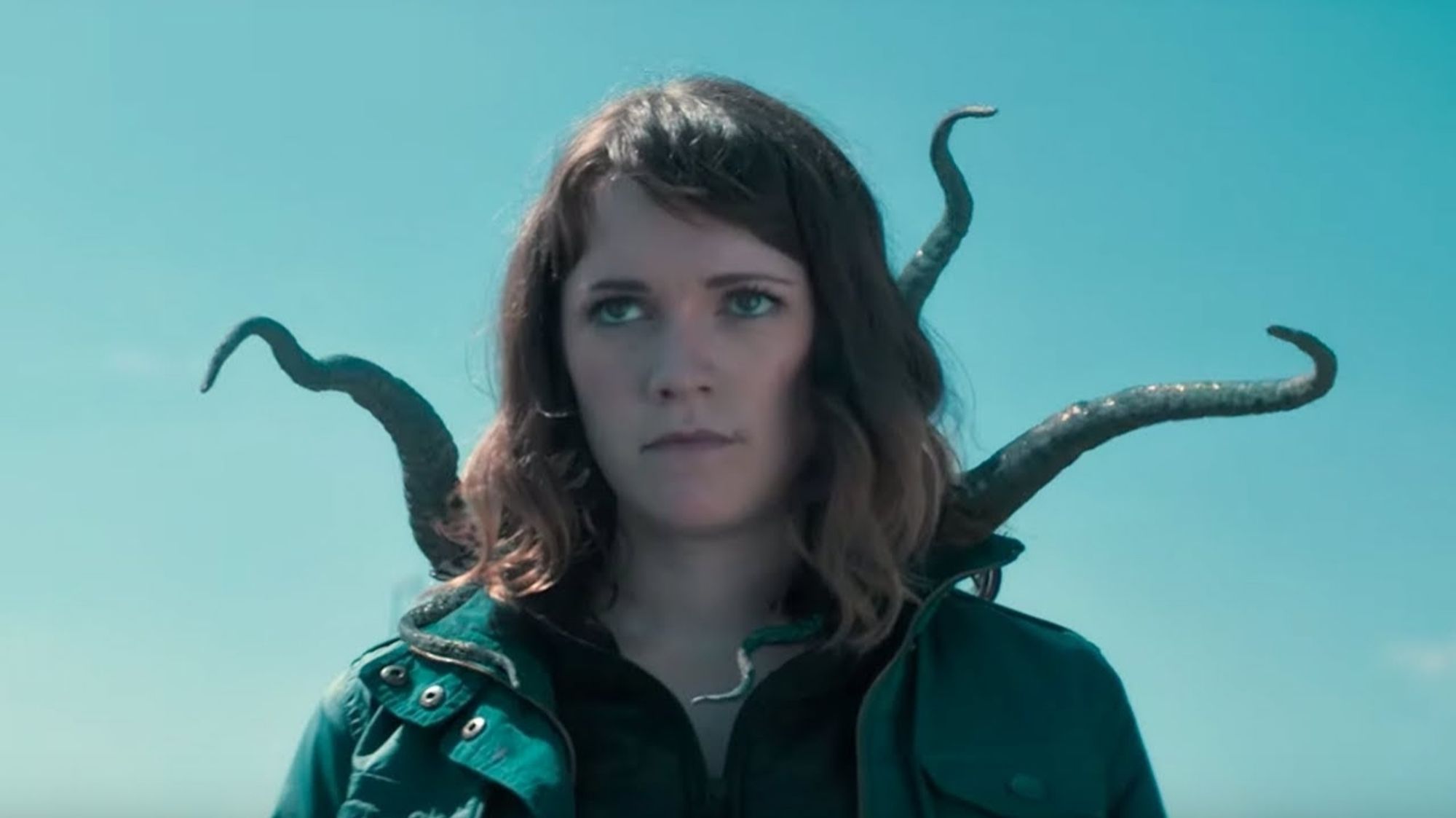
The redesigned Dalek got a lot of people wound up, but this is arguably the most effective Dalek story in over a decade. The possession of Charlotte Richie’s character allows for an exploration into the mindset of a Dalek warrior. A solid special. ★★★½☆
I can’t shake the feeling that Bill’s mates here were originally meant to be the gang from Class. But that aside, this is a solid “haunted house” story with a twist, ably served by a solid guest appearance from David Suchet. ★★★½☆
One of those rare instances where the lack of visuals for a missing story might actually benefit it. The giant crabs look silly in censor clips, but the story on audio (and via animation) oozes with menace and an unsettling air. Question what you are told! ★★★½☆

With guest appearances from future series regulars Peter Capaldi and Karen Gillan, this one feels more important than it actually is. The villains are underdeveloped, but as is often the case with modern Who, the real point of this is the companion relationship. ★★★½☆
Benefitting enormously from location work in Valencia, this is a fun runaround, though recasting TSJA veteran Mina Anawar as a minor character with a doomed fate is a little bit jarring! The bots are a nice concept, and there’s a solid mystery and Davison era vibe. ★★★½☆
Anyone who’s been to Cardiff Castle will chuckle at how little they hide the filming locations, here, but this is otherwise a more solid entry with a suitably spooky monster. Everything is bedding in faster than Torchwood did, at least. ★★★½☆
More of the awkward Danny/Clara/Doctor relationship, and a low rent villain don’t make this one too appealing. And yet, something about Capaldi and his relationship with troubled youth Courtney is really engaging and helps sell the episode. ★★★☆☆
Doctor Who meets the classic American comic book in this campy bit of hokum that throws Superman, Spiderman, Batman and a few others into the melting pot and then sprinkles a returning Matt Lucas and a fluffier version of Capaldi’s Doctor on top. ★★★½☆
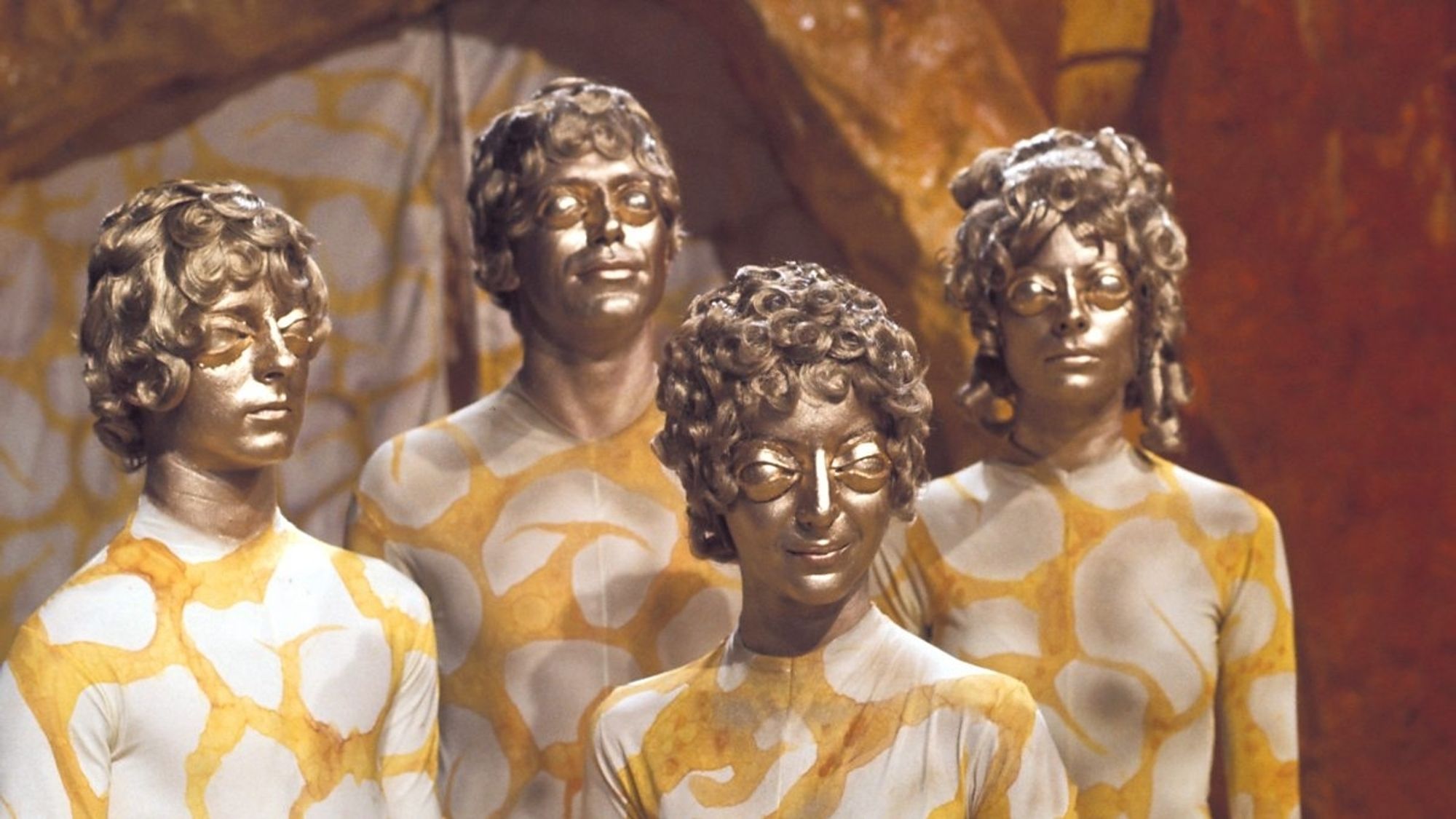
If The Mind of Evil threw back to the last season, this one feels more like the previous era. Campy, B-movie monsters menace a science lab. Despite a few odd guest performances this one flies by. The Master is getting a bit too ubiquitous now, though… ★★★½☆
Following the epic First Series trailer with another in the same mould was never going to recapture the lightning in a bottle. But Tennant is having fun and it whet our appetites sufficiently at the time. ★★★½☆
A solid look into Toshiko, the most underrated of the team, as she is duped into trusting an alien who shows her affection. One of the better episodes in Series One, but it still feels a little hollow. ★★★½☆

To this day I have no idea why this bug eyed monster is wearing a raincoat from H&M. But odd visual aside, this is a fun one that finally pulls the Whoniverse into an obvious but inspired location: Laserquest. ★★★½☆
We’ve seen him hanging out with Einstein, so why not have The Doctor travel with Brian Cox? The brilliant scientist isn’t an amazing actor, but it’s still a nice set of scenes to frame Cox’s lecture on the science of the show. ★★★½☆
Producer Verity Lambert bows out with a spare episode after Planet of the Giants lost one. A glorified teaser for the impending Daleks Master Plan, this has a strong sense of foreboding as it becomes apparent our temporary heroes won’t make it out alive. In 2019, this story was faithfully reproduced by university students with the BBC’s backing. Despite some ropey alien performers, this perhaps bests the original. ★★★½☆

Arguably Bill Hartnell’s last great stand in his penultimate story, and the penultimate pure historical of the 1960s. It may trade on clichés of the genre, but this lost treasures swashbuckler has teeth, and the recon speeds by. Would love to see it recovered. ★★★½☆
Much like Owen’s murder mystery in 80’s cult movie Throw Momma From The Train, there’s not enough characters in this one to make the core narrative actually work. But the real purpose here is to introduce and establish Susan’s replacement, Vicki. And she’s an instant gem. ★★★½☆
It was never going to be completely satisfying to wrap up this story in six episodes, and some plot points do draw the short straw here. But when it works, such as Jericho’s sacrifice and The Doctor’s heart to heart with Karvanista, it truly soars. ★★★½☆
After three heavy episodes, Torchwood has a bit of fun, as Gwen and Rhys get married and their wedding is in typically Torchwood style jepoardy. Kind of a shame Martha didn’t stick around for this one. ★★★½☆
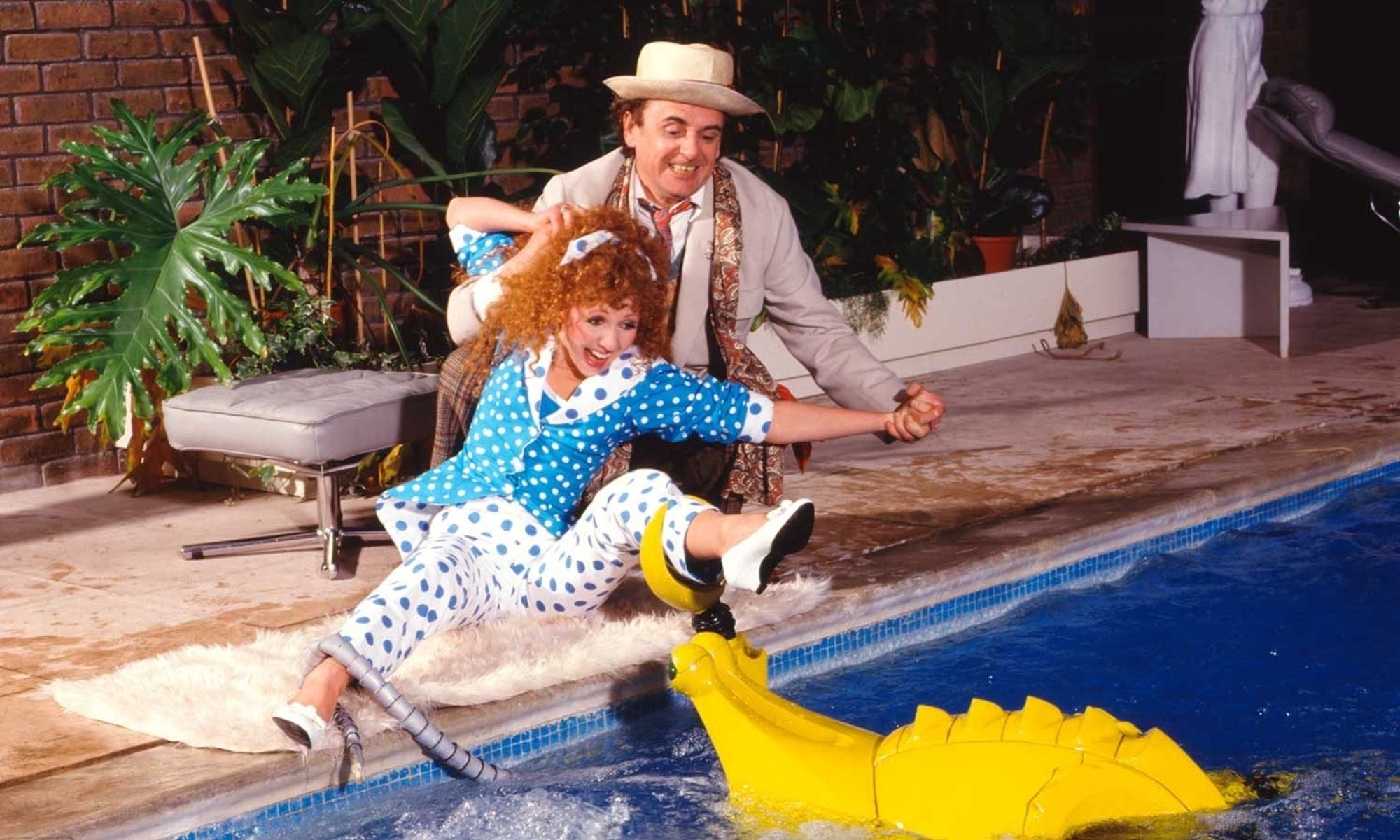
Doctor Who does JG Ballard’s High Rise, and very nearly pulls it off. The blackly comic script is hugely inventive, but at odds with lo-fi limitations. Dodgy robot crabs and an OTT Richard Briers derail things but Red Kangs are still best! ★★★½☆
The Cybermen return and the show makes its first attempt at all out action in years. It’s only partially successful thanks to budgetary constraints, but the powerful and off-kilter ending still packs a punch. ★★★½☆
A decent stab at throwing our three protagonists into hazardous – and charmingly educational – environments, as Rani becomes lady in waiting to Jane Gray, Clyde gets stuck fighting a Nazi incursion in a small village, and Sarah is sent to a Victorian haunted house. ★★★½☆
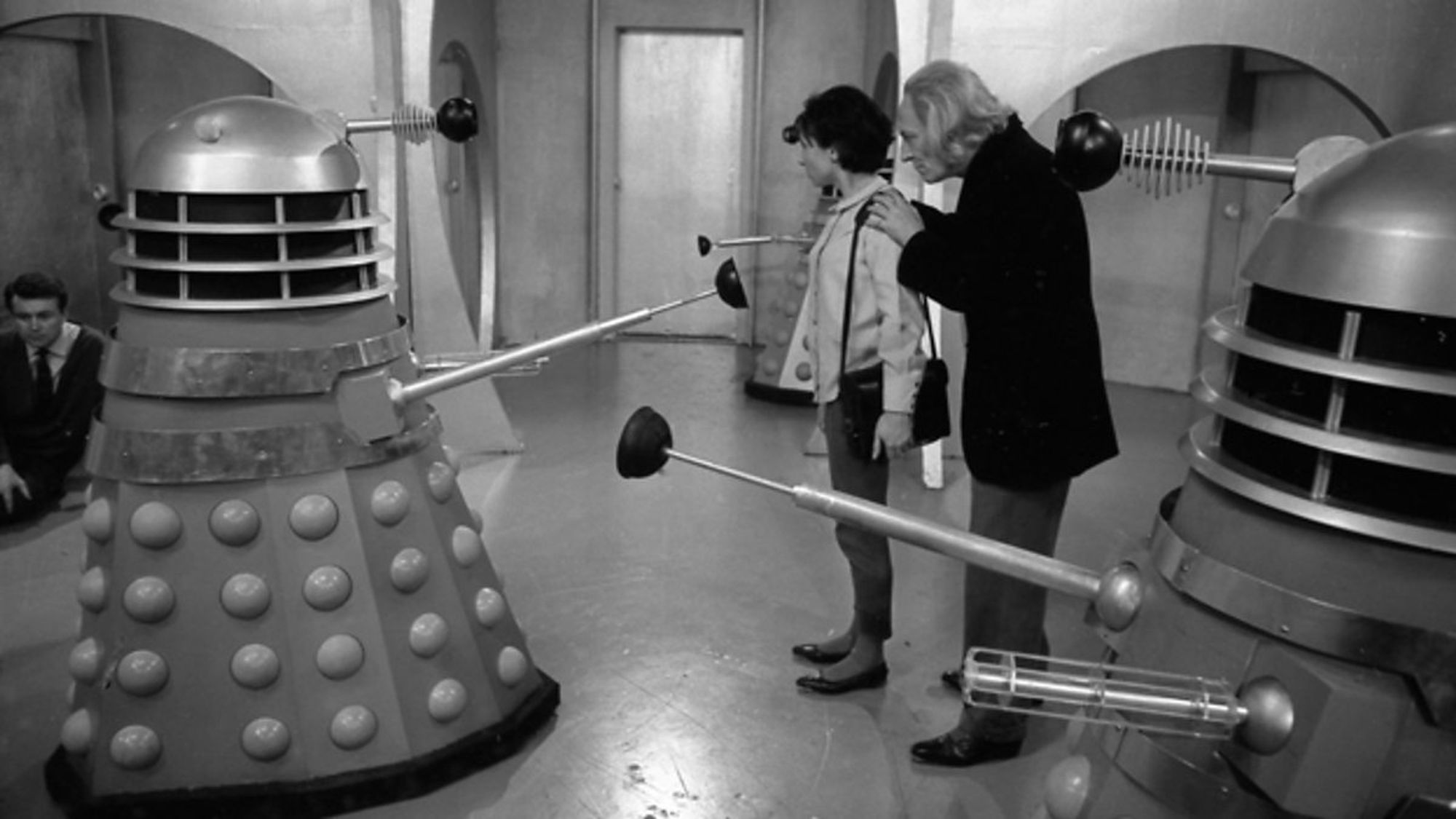
Iconic villain debut alert! A legendary first cliffhanger, some neat stuff convincing the pacifist Thals to fight for their lives, and a few devious Dalek moments can’t quite sustain this for seven episodes. Good, but a little meandering. ★★★½☆
Torchwood’s own Love & Monsters style story about a loner with an obsession for the team. Another one with X Files vibes. Guest star Paul Chequer is a delight. But the recurring “back from the dead” motif is getting a bit silly now given Jack is supposed to be unique. ★★★½☆
An interesting sideline in which the Sisterhood of Karn return, and Moffat steals lines from his old Comic Relief spoof, and The Doctor gains a new medieval companion of sorts, and hides himself away in a castle to ruminate. By this point, they have realised what an incredible actor Capaldi is and are just throwing stuff at him… And it works. ★★★½☆

A solid concept here, as alien plantlife makes people see images of their dead loved ones. Vivian Oparah is brilliant in this. And kudos to the show for tackling Matteusz’s homophobic family storyline. ★★★½☆
Arguably Doctor Who’s first big name guest stars turn up in this one – Upstairs Downstairs cocreator Jean Marsh (more on her later) and Indiana Jones/Game of Thrones legend Julian Glover. A little bit historical by numbers at this point, but still captivating. ★★★½☆
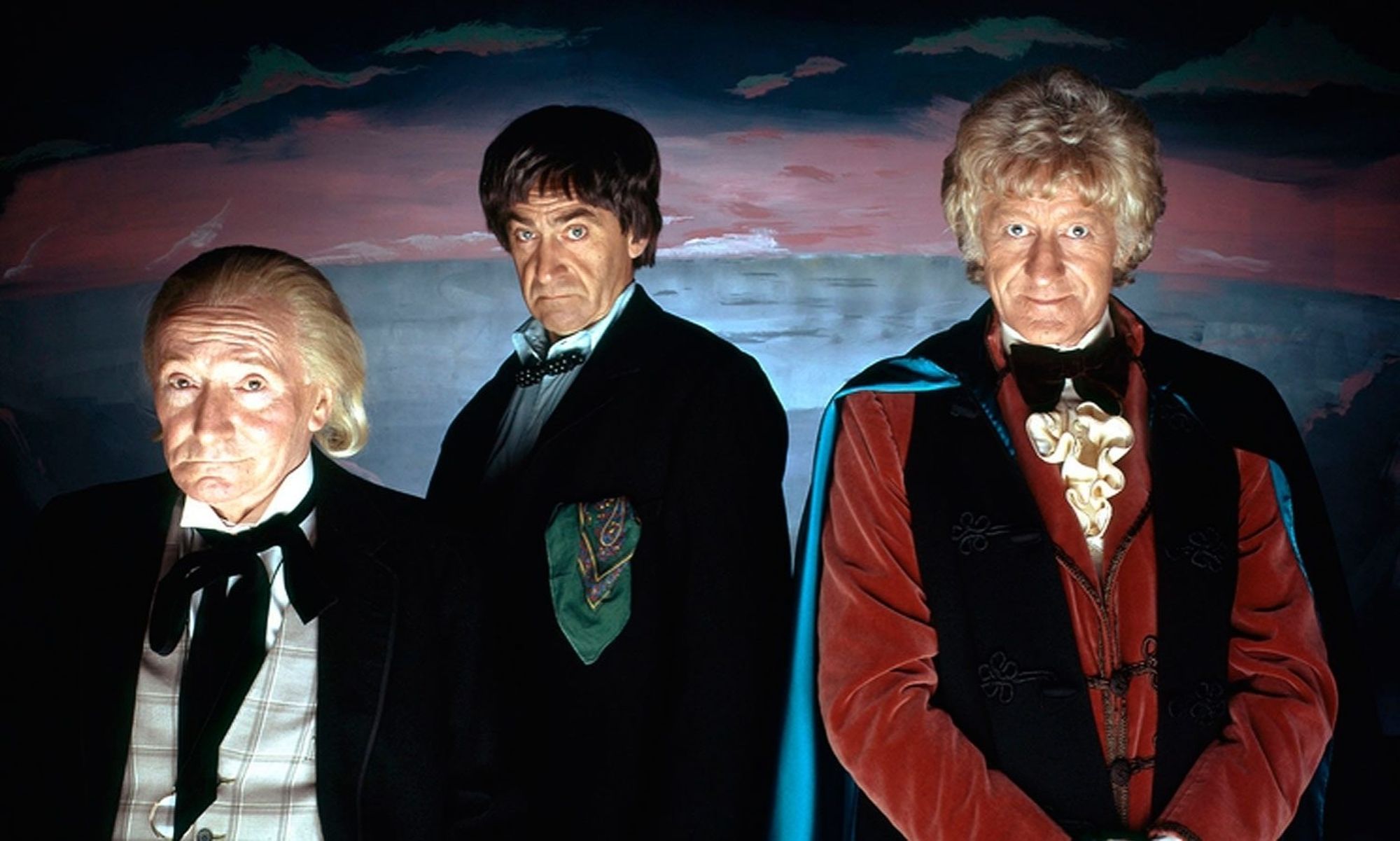
The show’s first look backwards, as Patrick Troughton and William Hartnell return to help Jon Pertwee battle the high camp, high volume Omega. Sadly, Hartnell’s health limits his involvement, but this allows Pat & Jon to strike up a winning double act. ★★★½☆
Not released until Series 7 was halfway through but taking place here in the middle of Series 6, this one shows how three of The Doctor’s allies at Demons Run become a team. A fun bonus scene, mostly due to their obvious chemistry. ★★★½☆
A bottle episode and intro to a sort of two parter, which has shades of Midnight about it as the gang have to confront their own selves to beat an unseen force. But it is undermined by the concept that Quill has been doing something more interesting this whole time… ★★★½☆
Two parts gothic horror and one part silly Adams-esque space bureaucracy gone mad, this one works on the strength of the performances and the novelty of the idea. ★★★½☆

Alan Dale has clocked up appearances in Star Trek, The X Files, Indiana Jones, 24 & Marvel films, but to UK Viewers he’ll always be Jim Robinson. So it’s fun to see him as a wicked pharmaceutical boss experimenting on aliens. The episode’s trigger happy ending was a shock on tx. ★★★½☆
An odd hybrid of preposterous whimsy, bittersweet drama and abject horror. Nick Frost leads an excellent guest cast with gusto. We meet another character who’d be an incredible companion, and give Clara the perfect send off. And yet for some reason, she doesn’t leave. ★★★½☆
Another with few surviving visuals possibly bolstering its reputation, as the eerie surviving clip of Oak & Quill certainly lingers in the memory. Victoria breaks the companion departure curse, & Margaret John is always fab. But a base under seige is getting stale. ★★★½☆

Iconic villain alert! The Silurians’ underwater cousins make their debut, and The Master returns with a sneaky scheme coordinated from his prison cell. So many great moments here – the beach, the sword fight, the Clangers – but its too long and rehashes The Silurians plotting. ★★★½☆
I was never really convinced by the modern revamps of the Cybermen, which might be why Capaldi’s era Mondasian bunch worked so well. But here, led by the deranged Ashad, they finally live up to their potential. Parts of fandom ripped this episode a new one for the big reveal. Personally, I like it. With some incredible performances from Jodie Whittaker & Sascha Dhawan, plus solid action sequences with the Cybermen AND a Jo Martin cameo, it’s just a shame the Ireland/Brendan subplot doesn’t work.. ★★★½☆
Arguably the first story to feature a CTGA – or a Companion That Got Away. Pauline Collins is a delightful guest star as Samantha Briggs. Ben & Polly get shortchanged in their exit as has now become the norm, but the airport setting & spy-thriller vibes work wonders. ★★★½☆

Iconic aliens the Sontarans make their debut here, but even more iconic is new companion Sarah Jane Smith, played by the phenomenal Elisabeth Sladen. The story itself holds up well, as a mediaeval castle falls under alien control. ★★★½☆
A nice little lockdown scene giving us an insight into the Ponds post TARDIS travels. Lovely to see Arthur Darvill in character again, and the brief cameo is a fun moment too. ★★★½☆
Originally intended for earlier in the run, this one now sits awkwardly as the moment Amy & Rory seem to just give up on searching for their baby. Which is a shame, because this one has a kooky spooky menace to it and a great guest cast inc. the ever fab Leila Hoffman. ★★★½☆

Capaldi’s Doctor finally meets River Song as part of a very silly runaround involving a decapitated Greg Davies and a robotic Matt Lucas. Ignore the obvious set rehashing from Series Nine and concentrate on the core duo’s underrated chemistry. ★★★½☆
An interesting start for Peter Davison’s Doctor, in an Escher inspired story that has to juggle introducing a new Doctor, ending the trilogy of Master stories began 12 months earlier, and giving three companions enough to do. Adric draws the short straw but it works. ★★★½☆

By now, Doctor Who is sure of itself is a bonafide smash hit. Time to have a little fun. And while some of the humour has dated badly (particularly Barbara’s sub-plot), this remains a mostly joyful dally around the dangers of Nero’s Rome, with the cast having a ball. ★★★½☆
The Brigadier returns, as does former companion Jean Marsh rehashing the character she played in Return To Oz & Willow. The Excalibur myth is at the center of this, given a sci-fi spin. New Brigadier Bambera is an instant fan favourite. Fun, if slightly disposable. ★★★½☆
The first of four stories in the Season 23 arc, this one bristles with Robert Holmes’ fab ideas, and benefits from a warmer relationship between The Doctor and Peri. It’s slight, but enjoyable. Wish we’d had more like this from a naturally engaging TARDIS team. ★★★½☆

Tom bows out as Janet Fielding arrives as fan favourite Tegan Jovanka. Anthony Ainley is now in full on Master mode and the pervading sense of dread makes this one rise above the sheer Bidmead of it all. Noticeably improved with Blu-ray CGI enhancements, esp. the finale. ★★★½☆☆
An unusual episode, with the latest of Moffat’s creepy looming monsters make an effective entrance. This one gets a bonus point for referencing a real world event my partner was partially responsible for making happen, but loses a point for being a bit of a Silence rehash. ★★★½☆
An episode that positively kept audiences on the edge of their seat first time around, and still has a menacingly good monster that holds up well today. Lyndsey Duncan is amazing as Adelaide, but parts of this do feel a little clichéd and silly in retrospect. ★★★½☆
The lost final classic from Douglas Adams pen ended up going on to inspire his Dirk Gently novels when strike action halted filming. Completed via narration in 1992, animation in 2018 then refined in 2021, it’s a witty delight & could have been magnificent. ★★★½☆

With the camp madness of the Welsh coast attack, you could be forgiven this is business as usual for Torchwood. But there’s hints of a much larger conspiracy than usual underway and the clear influence of 24 on proceedings. ★★★½☆
There’s an argument that the climax of the previous story would have been a better way to drop off the Ponds for a bit, particularly as the stakes for them were higher last week, but also because Amara Karan as Rita would’ve been an amazing companion. Still, a solid episode. ★★★½☆
Finally a dedicated Zygon story, and there’s a real sense of unease to this one, especially when a high profile returning guest star meets a sticky end unexpectedly. This also gives Jenna Coleman a chance to show off her impressive acting chops. There’s also a scene in this story which stands head and shoulders above the rest. We all know which one. So when I say the rest is still bloody good, just know that scene is phenomenal. ★★★½☆

Despite a few awkward shots (hello, Jon Pertwee stand in, I’m looking at you), this is a glorious trailer for the 50th anniversary that manages to hype up the special and pay homage to all that had come before. We all watched it dozens of times. ★★★★☆
More positive vibes from Jodie’s house, as The Doctor gives a shout out to real life medical professionals. A lovely touch, if lacking the spontaneous vibes of the first message. ★★★★☆
With some of the most beautiful location filming the series has ever had, and a gloriously camp performance from the late, great Helen McCrory, this one rattles along nicely, and bringing Rory into the TARDIS at this point helps shake things up a bit. ★★★★☆

If you were worried nobody but Moffat could write for his best creation, here’s proof that they work without Steven at the keys. A haunting episode with a glorious guest turn from Kevin McNally. The Bel & Vinder scenes do detract from the fun, a little. ★★★★☆
Parts of this episode as the gang get a new base in California, feel like filler designed to put people in the right locations. Others, like the horrid fate of conservative ‘voice of reason’ Ellis Hartley Monroe, show that RTD and team are still in a dark & twisted mood. ★★★★☆
Oh, the Paternoster Gang. Doctor Who’s equivalent of Fetch. A blink and you’d miss it final minisode video diary from Strax with Vastra and Jenny telling him off. Cute but a sign of something that was not meant to be. And that’s followed by Cult movie director Ben Wheatley putting his stamp on a solid first episode for Peter Capaldi, filling the supporting cast with his mates plus a glorious Brian Miller cameo. The final scene introducing Missy is a curio. ★★★★☆

John Hart returns, the mystery of Grey is resolved, and the series jettisons its best characters in a heartbreaking ending. Torchwood would never be the same again, for better and for worse. ★★★★☆
Victorian Clara is arguably the best version of the character of the three we’re introduced to initially. The titular snowmen are suitably menacing. Richard E Grant is having fun camping it up and there’s knowing references to The Web of Fear. Fun. ★★★★☆
Recorded in lockdown by Dan Starkey in his own home, with an ingenious excuse for his status as a cuddly toy, to introduce a watchalong of Day of the Doctor. Bristling with Steven Moffat’s silliness and Starkey’s top form for being a silly bugger. ★★★★☆
Retrospectively this one feels slight, like it’s a rewrite or two away from an all out classic. On the night, it was just a delight from start to finish. Reality means it’s probably somewhere in the middle. Bonus points for Mark Benton, always. ★★★★☆

That spare episode lying around gets tacked onto the next story, and with only two sets & the three regulars, plus a few robots it is filled with erie delight. Eps 2-5 are still inventive, unique slices of creative fun, but a definite quality drop from that opener. ★★★★☆
The Thals return after almost a decade away, as a wounded Doctor and a frightened Jo land on the planet Spiradon, where a Dalek army is being built in secret. This may be Terry Nation by numbers, but if Sinatra didn’t sing My Way you’d be disappointed. ★★★★☆
Critics of this one suggest it’s little more than a rehash of the original Silurian story. But if it ain’t broke, don’t fix it – and the added factor of a small Welsh mining village population being dragged into the fray adds some welcome jeopardy. Neve McIntosh shines in dual Silurian roles, and Meera Syal acts as a brilliant surrogate companion, though this does inevitably sideline Amy and Rory until the shocking ending. As for that moment: we all figured it would probably work out somehow but it’s still deftly handled. ★★★★☆
With a brilliant pair of guest performances from Aisling Bea and Adjani Salmon front and centre, plus John Bishop taking on the Daleks with Scouse cheek and cutting to the core of Yaz & The Doctor’s relationship, this is a criminally underrated episode. Love it. ★★★★☆

The sixth series begins with a cheeky teaser, in which a mysterious child asks for help from none other than President Nixon, which sets the scene nicely. However, The Doctor’s apparent shock demise is obviously not going to be the end of him, robbing this one of some of its steam. But it sells itself on spooky menace from the Silence, a strong supporting cast and the regulars in perfect formation. The second half is a smart and confident resolution, with The Doctor, Amy and Rory TARDIS team temporarily augmented by both River Song and Canton, who I wish we’d got to see more of. The clever dispatching of the Silence is a highlight of the era. ★★★★☆
The big guest stars for TSJA keep on coming as Comic Strip veteran Gary Beadle turns up as Clyde’s absentee father, only to be possessed by an alien lifeform. A solid story for Daniel Anthony who is rapidly developing as a great actor. Important to tell stories like this. ★★★★☆
I know it’s childish. I know it’s silly. But honestly, few things in Doctor Who bring me as much joy as Strax’s version of Rudolph the Red Nosed Reindeer. It’s just some harmless nonsense. And I love it. ★★★★☆
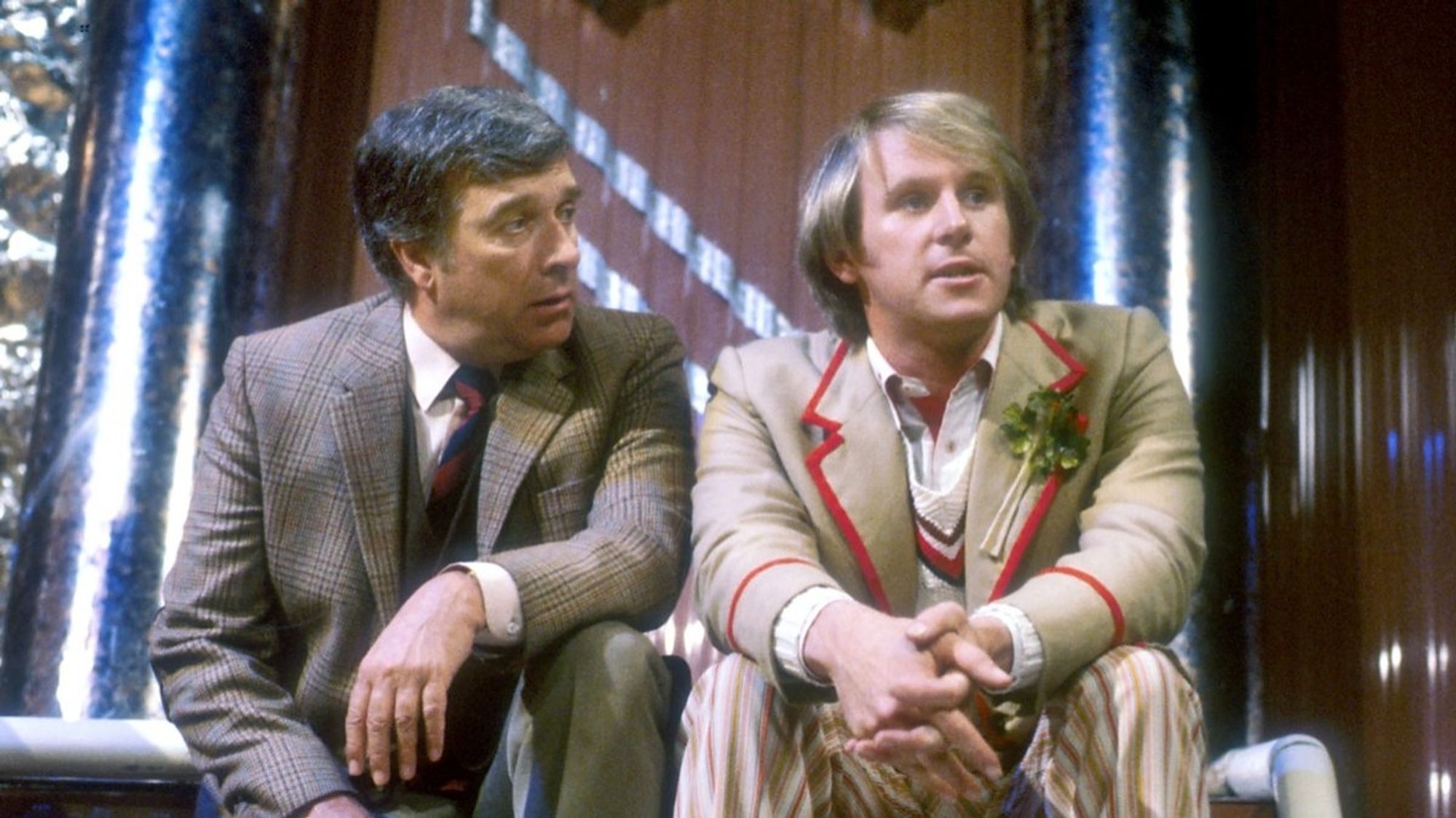
The return of the Brigadier would be enough of a draw, but with a potentially murderous new companion to introduce, the Black Guardian back, time travel shenanigans and the ever brilliant David Collings and his undead cohorts and you have a compelling but busy story. ★★★★☆
Mark Gatiss gets a gift from David Walliams, and its better than The Ice Warriors Episode 2. Long before either comic hit the big time (and one of their reputations soured), they had a lot of fun playing on fan stereotypes with a game for a laugh Peter Davison. ★★★★☆
It had been a long time since Doctor Who has done a proper space station under siege story, and this zombie influenced take is a stonker. Of course, we know the shock ‘death’ will be reversed, and the cliffhanger is a little clunky, but these are minor complaints. ★★★★☆
The standout tale of Series One, as magnificent actress Jane Asher guest stars as a former school friend of Sarah’s, who has made a horrible deal with the mysterious Trickster. A good idea but the cast performances are what sinch the deal. ★★★★☆
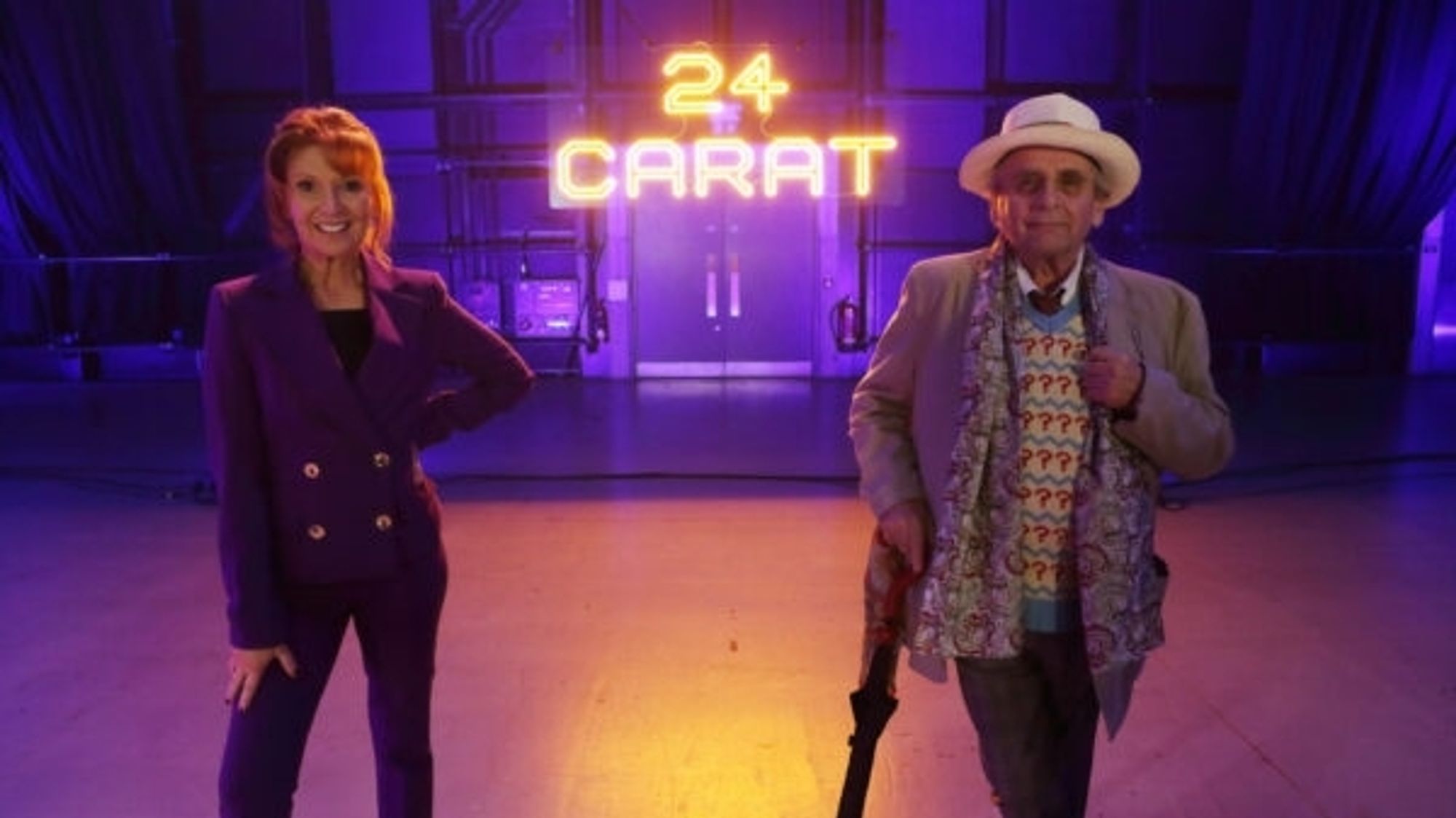
Few could have predicted in 2020 that we’d ever see Bonnie Langford back on screen as Mel. Then this camp trailer for the Season 24 Blu-ray reunited her with McCoy in character and our hearts melted. Paved the way for her return in 2022 & 2023/2024 too! ★★★★☆
A society run by a deliberate Thatcher stand-in has made sadness illegal and punishable by death. For some reason, a robot made of sweets is the executioner. An odd studio bound noir inspired curveball. ★★★★☆
It is a testament to how perfectly Matt Smith, Karen Gillan and Arthur Darvill gelled that this – essentially a four hander with guest star Toby Jones – works so well. There’s a real guessing game to be had figuring this one out along with the cast, and Rory’s apparent demise is shocking. ★★★★☆

A solid mini-episode focusing on Simon Fisher Becker’s delightfully devious Dorium Maldovar, as the money-obsessed trader makes a deal with some ominous monks, sets the scene for the parent episode nicely. And what a monumental episode as it reveals the origins of River Song, solves the riddles of Amy’s visions and Ganger, gives Rory the chance to show off 2,000 years of Roman badassery and introduces the Paternoster Gang. I’ll forgive it the Thin Man, Fat Man misfire, because it gets everything else right. ★★★★☆
Kevin Lyndsey returns in this short but entertaining two parter, as another Sontaran lands on Earth after solar flares destroyed life on the planet, and manipulates some space travellers as guinea pigs for his war tests. ★★★★☆
The fact this couldn’t be filmed is a travesty. Ok, it’s a little schmaltzy, but it gives Brian closure and the Ponds a happier ending. Never too late, eh? ★★★★☆

There are moments in this story so iconic that the show continues to pay homage to them to this day. A backdoor pilot for a new era of Who, with the return of the Brigadier and the arrival of UNIT. At eight episodes, it is perhaps too long, but it somehow still works. ★★★★☆
The Tenth Doctor meets The Fifth Doctor, and the two do what all multi Doctor stories do… bicker and argue then save the universe together. Cuter in retrospect now they’re actual family. ★★★★☆
Tom Baker bounces into life as The Doctor with absolute gusto. Lis Sladen and Nicholas Courtney ably adapt to match his energy, and new companion Ian Marter is an absolute delight as the straightman for Tom to bounce off. A great villain AND a cute robot too. ★★★★☆
A home media bonus scene which joins the dots between Episodes One and Two, in which Amy gets to ask all the weird questions you’d ask of your own imaginary best friend from your childhood who turned out to be a real time traveling alien. Kooky fun. ★★★★☆

A great guest cast including what’s arguably the first queercoded duo in the series. The Ice Warriors look more menacing than they ever really are, but this one has style. ★★★★☆
The sheer excitement of seeing Ace back on screen – something which had been teased for years – was palpable. In retrospect we have to wibbly wobbly this into the timeline post Power of the Doctor but who cares, cos it’s glorious! ★★★★☆
Some argue that the characterisation of the First Doctor is off kilter. Others have suggested Capaldi could have gone out on an absolute high with The Doctor Falls. I can see the logic in both, but this is a fab love letter to the series, and Peter’s Doctor. ★★★★☆
It’s fun to see the TARDIS Team jump to four for this – the first sequel to a new series episode. It’s even better to see Eccleston and Annette Badland effectively two-hander huge swathes of the episode. A budget saving stopgap perhaps, but a worthy one. ★★★★☆

After a bold exit in Mindwarp, Peri’s fate was badly rewritten in The Ultimate Foe without Nicola Bryant’s involvement. This mini episode for the S22 Blu-ray gave her a chance to bring Peri back in style. Heartwarming… now for a proper return to the show! ★★★★☆
Now sadly no longer available, this was an inventive interactive adventure in which the new Doctor needs YOUR help to stop the Graske. The plot is as slight as it has to be – the game in your telly mechanics are the star. ★★★★☆
Finally Series Eight lets loose and has a bit of fun, and not enforced whimsy like the Robin Hood episode. This is popcorn fodder wrapped up in a Doctor Who story with great supporting characters (inc more BETTER COMPANION material) plus Shuttity Up. ★★★★☆
There’s a hint of The End of the World to this one, right down to the knowing wink to the giant window confessional. But while that episode was high camp fun with a moral backbone, this one is arguably the other way round, and it works. ★★★★☆

Losing Indira Varma’s character at the end of the first episode of Torchwood was a shock moment, but also a waste of a brilliant actress. Here, she gets one more stab at showing us why she’d go on to such acclaim as the scheming Suzie returns from the grave. ★★★★☆
A fun premise and some deft guest performances help distract from the shoestring budget, as The Doctor & Jo get trapped in a miniature alien zoo. Lots of fun with time loops and giant monsters, plus future companion actor Ian Marter shows up. Also: soft reboot. ★★★★☆
A great Luke-centric episode with the third sensational, chilling performance from Julian Bleach in the Whoniverse as the titular dream interrupter. With Tommy Knight needing to bow out of much of the season, it’s nice to see him get a decent – temporary – send off. ★★★★☆
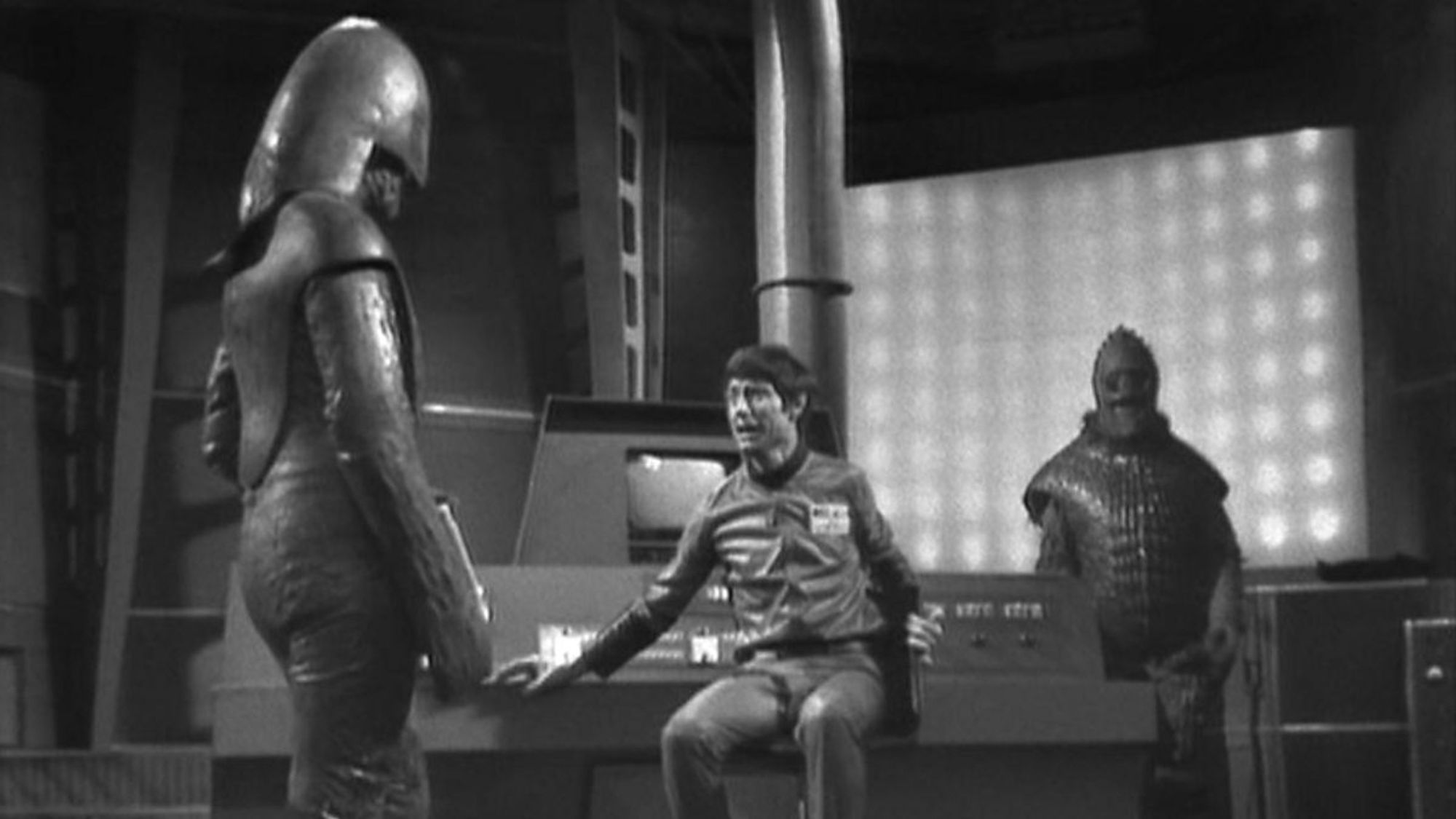
The Ice Warriors return and they’re up to no good on the moon. Tapping into the excitement of the impending moon landings (!) this one has some great supporting characters, and Troughton on fine form. Shame it dissolves into yet another fight with soap bubbles. ★★★★☆
The life of the Ponds in their final adventures was a wonderful diversion from the usual companion setup, as they settle down on Earth and try to lead a normal life, but The Doctor keeps being The Doctor. Good fun silly stuff. ★★★★☆
The first Dalek story in 4½ years sees them mostly sidelined in favour of a much more interesting plot that’s basically The Terminator’s core premise 12 years early, minus the mechanical men. Pertwee, Manning and core guest stars fare well, but it sure looks cheap. ★★★★☆
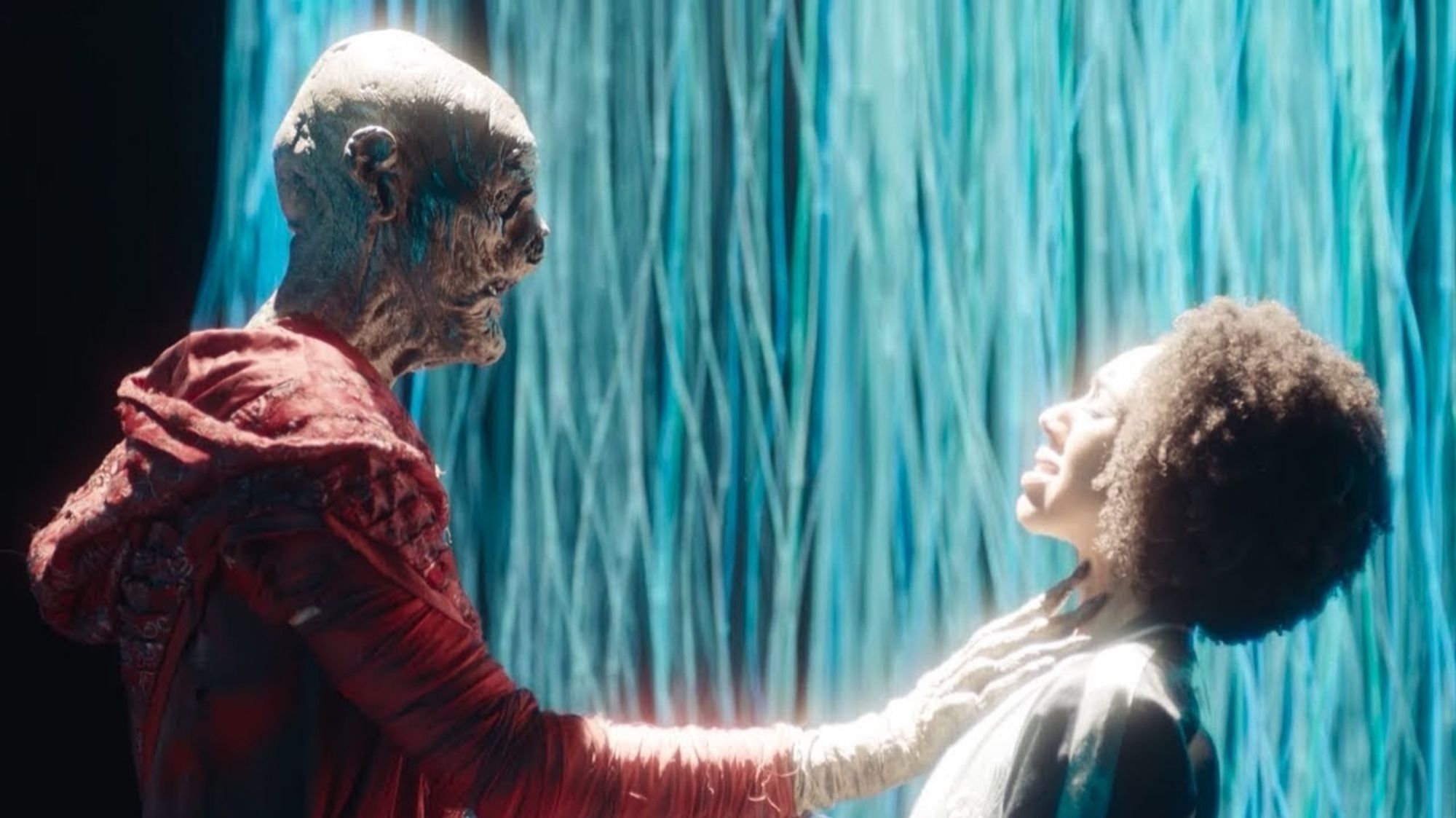
A great episode with a fantastic guest performance by the ever brilliant Rachel Denning, and a central conceit that feels new for TV Doctor Who. The weighty decisions for mankind – and Bill specifically – are ripe for exploration. ★★★★☆
Julian Bleach in the first of three brilliant performances he gave in the latter half of the RTD era as a ghostly figure who can escape from celluloid. Spooky stuff, and another solid tonal shift from an eclectic season. ★★★★☆
There’s a deliciously villainous turn from Dichen Lachman at the heart of this episode, and the usually loveable Bill Pullman is relishing his opportunity to play against type as the odious Oswald Danes. But oh, look, here comes Lauren Ambrose to steal focus from both. ★★★★☆

Katy Manning & Stewart Bevan return as Jo & Cliff Jones, still fighting the good fight in this mini-episode made to promote The Collection: Season 10. It’s a delight to see them together again after 46 years… A tease for a series that could have been. ★★★★☆
A solid reboot of the series, which has time to introduce a complete new core cast, spend time watching a decent villain be suitably creepy, and have some great laughs in it. The climax was superb, too, with a solid cliffhanger on the end as well. ★★★★☆
Is there any other kind? Tom Baker goes it alone on Gallifrey, running about The Matrix (no, not that one) and fending off a decaying Master. Bernard Horsfall returns to the show for the fourth time and continues to steal it. Should have been a Doctor. ★★★★☆
Shaun Dingwall makes his debut as Pete Tyler in this period piece (!) set in 1987, as Rose meets her doomed father and breaks time trying to save him. One of those episodes that illustrated how wonderful Camille Coduri & Billie Piper were together. ★★★★☆

Fusing the usual Cybermen story into a Hammer Horror Mummy movie so hard they picked up George Pastell from 1959’s The Mummy on the way. Another story with shonky race representations going hand in hand with iconic visuals and great character beats. ★★★★☆
Mark Gatiss gets to live out his fantasies as a previously unseen Doctor, making an appointment to stop the Monsters of the Week, played by David Walliams – who would return to Doctor Who in 2011 – and Paul Putner – who really should be cast in the show proper. ★★★★☆
The team are decimated by loss, on the run from a government literally trying to abduct children from low income families to turn them into alien narcotics, and the plot is resolved with a grisly child death. As is oten the case with Torchwood, it makes great telly but it’s all very NOT Doctor Who, and sits uncomfortably in the universe it is constantly being tied back into. ★★★★☆

The 20th anniversary celebration brings back as many Doctors and companions as it can who were willing and able, throws in lots of baddies and generally acts like a shopping list of the first two decades. Somehow, it all works delightfully well. ★★★★☆
It was a bold move to keep Tennant out of action for much of the first Christmas special, but with Rose, Jackie, Mickey and Harriet around the series is wisely easing in a new leading man. And when he is unleashed, Tennant establishes himself in two heartbeats. ★★★★☆
A superb guest cast including Christopher Fairbank and James Quinn combine with an unusual villain, some genuinely unsettling special effects, and an improved relationship between The Doctor and Clara. Filler, but hugely enjoyable filler. ★★★★☆
When Jack and Toshiko are catapulted back to 1941 they find themselves confronted by the REAL Jack Harkness. The result is a touching love story which also ably sets up the finale, and the seemingly unstoppable Billis Manger. Murray Melvin & Matt Rippy are fab. ★★★★☆
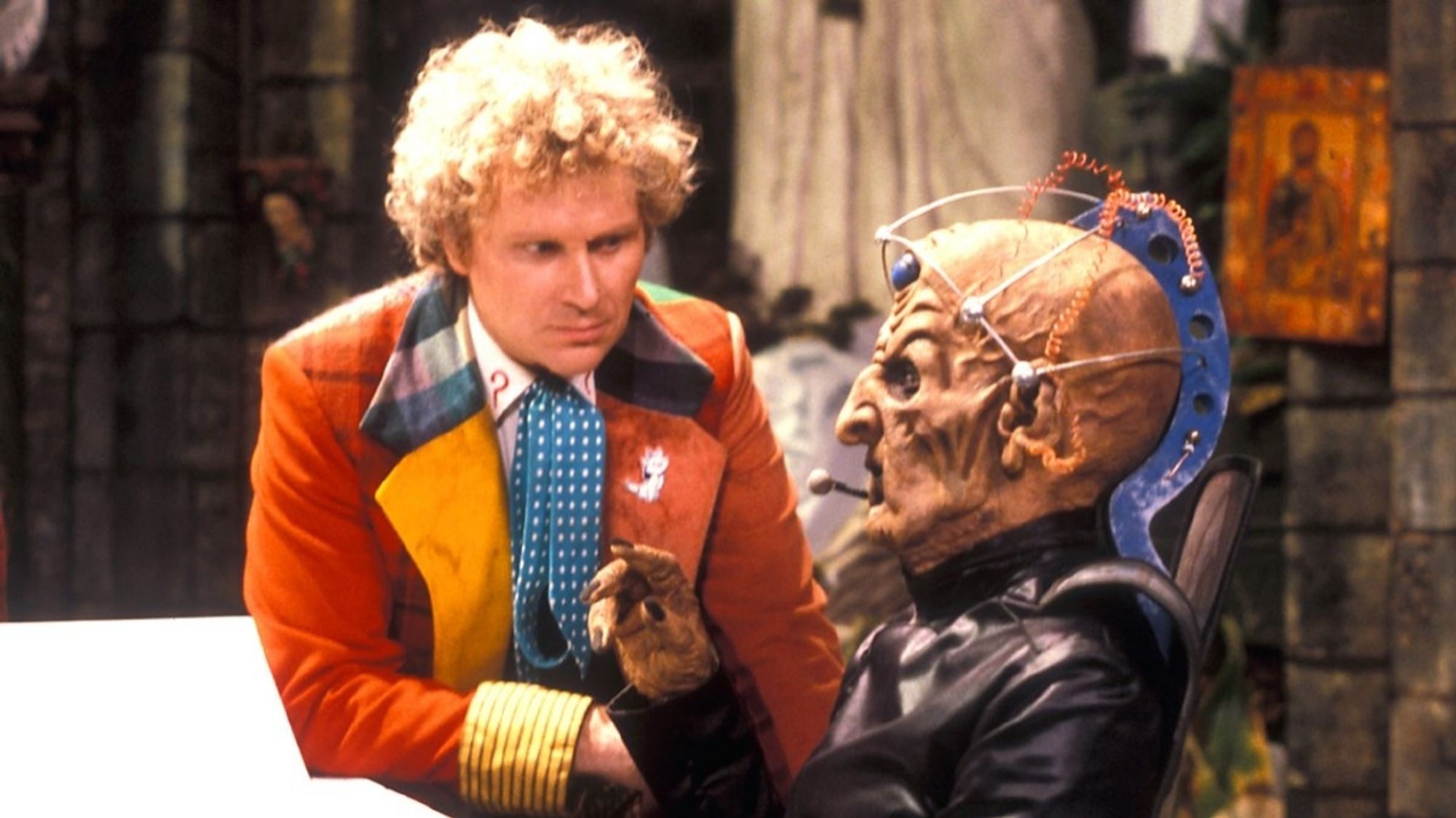
What could have been the end of Doctor Who remains one of the few instances where Eric Saward’s bloodlust and cynicism worked well in the show. A fab guest cast make this one interesting but the Doctor and Peri are passive observers throughout. ★★★★☆
The legendary Honor Blackman has made intelligent plant life that wants to wipe out mankind for eating all their mates, in this bonkers but delightful Agatha Christie homage in space. The Trial segments weigh this down but the Blu-ray standalone edit is fab. ★★★★☆
This one feels a bit more CBBC than the stories around it, but also unashamedly so, and that positivity is hard not to engage with. It helps that Anjli Mohindra is a brilliant actress sparring off an equally brilliant Eleanor Tomlinson. ★★★★☆
One last hurrah for the wonderful Stewart Bevan, as Cliff and Jo tackle the Autons in this mini episode made to promote the latest Collection box set. Another charming, if now bittersweet glimpse of a spin-off that might have been… ★★★★☆
Short but by no means sweet, this is a surprisingly chilling tale of the TARDIS – and its travellers – breaking down and being forced to trust one another. What could have been filler becomes a key character piece changing the dynamic of our regulars. ★★★★☆
Another one that gives off solid X Files vibes, this is the first Torchwood episode that’s genuinely satisfying, particularly the mid episode sequence in which a nonce gets his comeuppance. The dark ending also hits home. ★★★★☆

Maureen O’Brien returns as Vicki for a mini-episode designed to promote the Season 2 box-set. Acts as a lovely coda to The Myth Makers, and with that story missing, slotting it in post recon before The Daleks’ Master Plan makes it much easier to say goodbye to the character. ★★★★☆
There’s a great premise at the heart of this one, which, frustratingly, has never been expanded on since – the idea that ordinary people are unknowingly psychotic killer aliens waiting to be activated. Nikki Amuka-Bird is always fab and carries this with real heart & soul. ★★★★☆

There’s a real swagger to this one, as the SJA team seems to have finally realised they’ve got a great show. Ace Bhatti and Mina Anwar are glorious in this one. ★★★★☆
One of the finest Festive specials, this retooling of the Dickens classic is a timebending love story, with a brilliant guest performance from Michael Gambon at its core. Katherine Jenkins is surprisingly good here, too. Needs more Ponds, though. ★★★★☆
Troughton is having way too much fun in a dual role of hero and villain. There’s a Bond esque vibe to lots of this, and the missing episodes returning in 2013 has made this one all the more of a treasure. Solid stuff. ★★★★☆

Poor quality dinosaur effects can’t detract from a story ahead of its time. The central conceit of a faux space trip duping unsuspecting people into a new age for humanity – at the cost of our own society – is a great one, and the betrayal still stings. ★★★★☆
Despite some early hijinks around stealing equipment for a makeshift Torchwood hub, this is an altogether darker episode. The 456 arrive and are suitably eerie, sold all the more by Peter Capaldi & Ian Gelder’s reactions. The cliffhanger shocks, too. ★★★★☆
A nice little extra set of scenes expanding on River and The Doctor’s ongoing romance and the Time Lord’s omnipresent awareness that this is not going to end well. Kingston and Smith sell the hell out of it as always. ★★★★☆
Alan Cumming could read the phone book and I’d be interested. Casting him as King James is a masterstroke, and he brings out the best performance Tosin Cole ever gives the series. Throw in a solid villain and you’ve got a highly enjoyable period piece. ★★★★☆
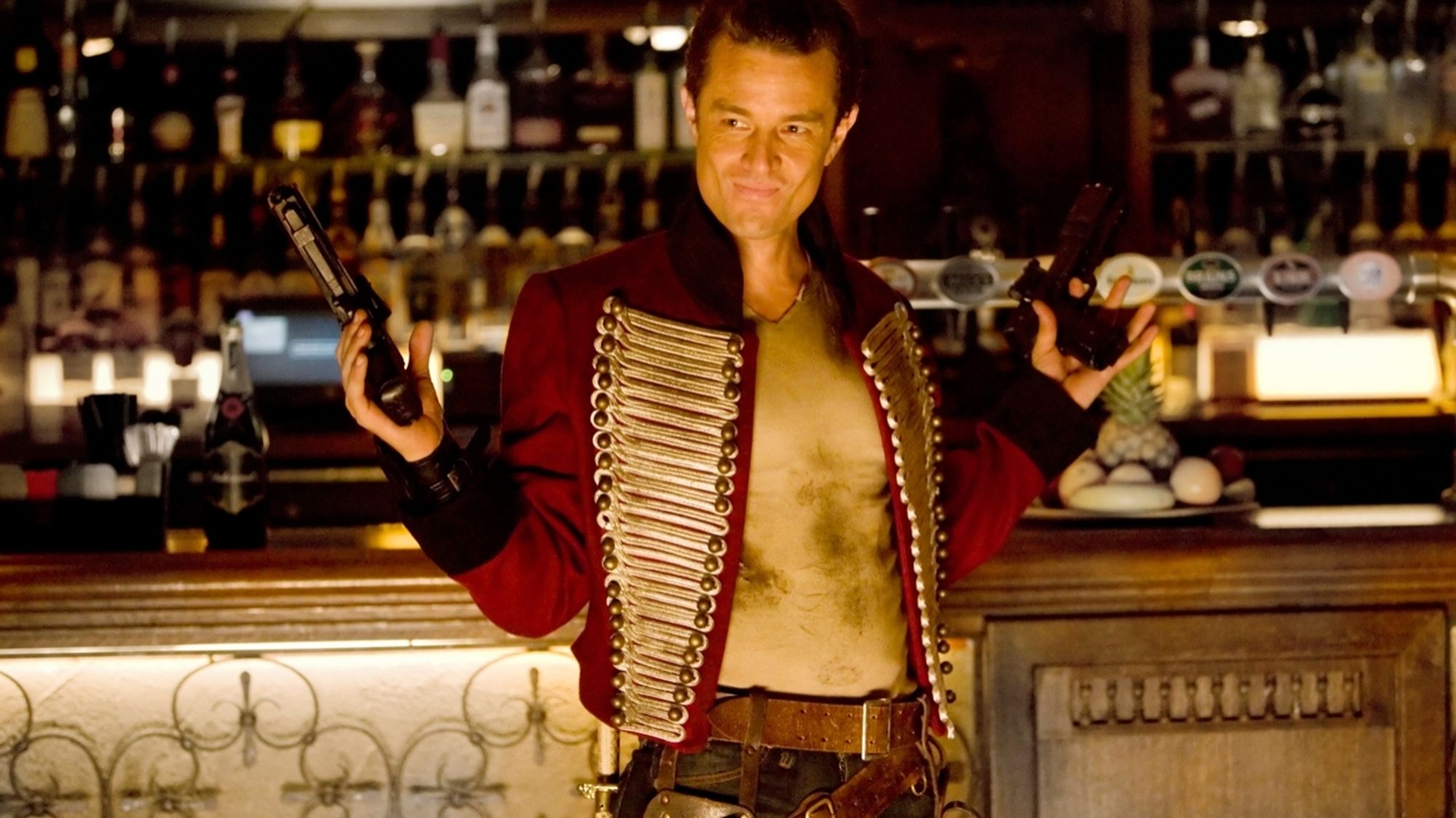
The second season of Torchwood is immediately a more polished beast. The core team is made more likeable all round, and there’s a confident swagger to the show from the get-go. Former Buffy star James Marsters in an inspired casting choice as omnisexual John Hart. ★★★★☆
The alien menace plot, though ably fronted by a scenery chewing Anthony Head, is most definitely a sideline, here, as Elisabeth Sladen & John Leeson return and the show gets to ruminate on new ground: the companions who get left behind. Solid stuff, bolstered by Sladen. ★★★★☆

It takes guts to literally have your show on trial for its life, and not only introduce a season long trial arc, but spend 4 episodes making it unclear if The Doctor is an arse or not, before killing his companion. All while Brian Blessed shouts lots. Mad, bleak, but bold. ★★★★☆
Series 10 is essentially a soft reboot for the show. Capaldi’s Doctor has lighter tones and it immediately improves the character, as does his spark with his two companions. After a wobbly period, Doctor Who was back on its A-Game. Also: EVERYTHING about Bill is perfection. ★★★★☆
This episode has a lot of lifting to do, introducing new characters, setting up the core plot and several subplots for a miniseries, and ending with enough of a bang to make you desperately want to tune in for episode two. It manages it with gusto. ★★★★☆

Kylie! Bannakafalatta! Wilf before he was Wilf! The Van Hoffs! There’s lots going on here. But for 70 glorious minutes this is Doctor Who as a disaster movie and it’s a campy rollercoaster you either love or hate. I’m the former. ★★★★☆
On the one hand it feels way too soon to have Missy back on the show. On the other, Michelle Gomez is fantastic so always give us more of her. Here she’s playing second fiddle to an army of Daleks and the surprise return of Julian Bleach as Davros. And I could watch 20 episodes of Bleach and Capaldi working together, such is their chemistry. The actual Dalek plot is nonsense but who cares? ★★★★☆
The one negative in this story is that the central villain isn’t convincing. But that’s outweighed by all the good: Ryan geeking out meeting MLK, Graham’s discomfort at being part of events, The Doctor = Banksy?, and Vinette Robinson’s superb portrayal of the titular Ms Parks. ★★★★☆
Another serial that owes a lot to Hammer Horror, but adds uniquely Doctor Who spins. Gabriel Woolf is phenomenal as Sutekh – so much so they brought him back as another villain in the Tennant era. Michael Sheard is his most adorable here. Falls apart in Pt 4 a bit. ★★★★☆
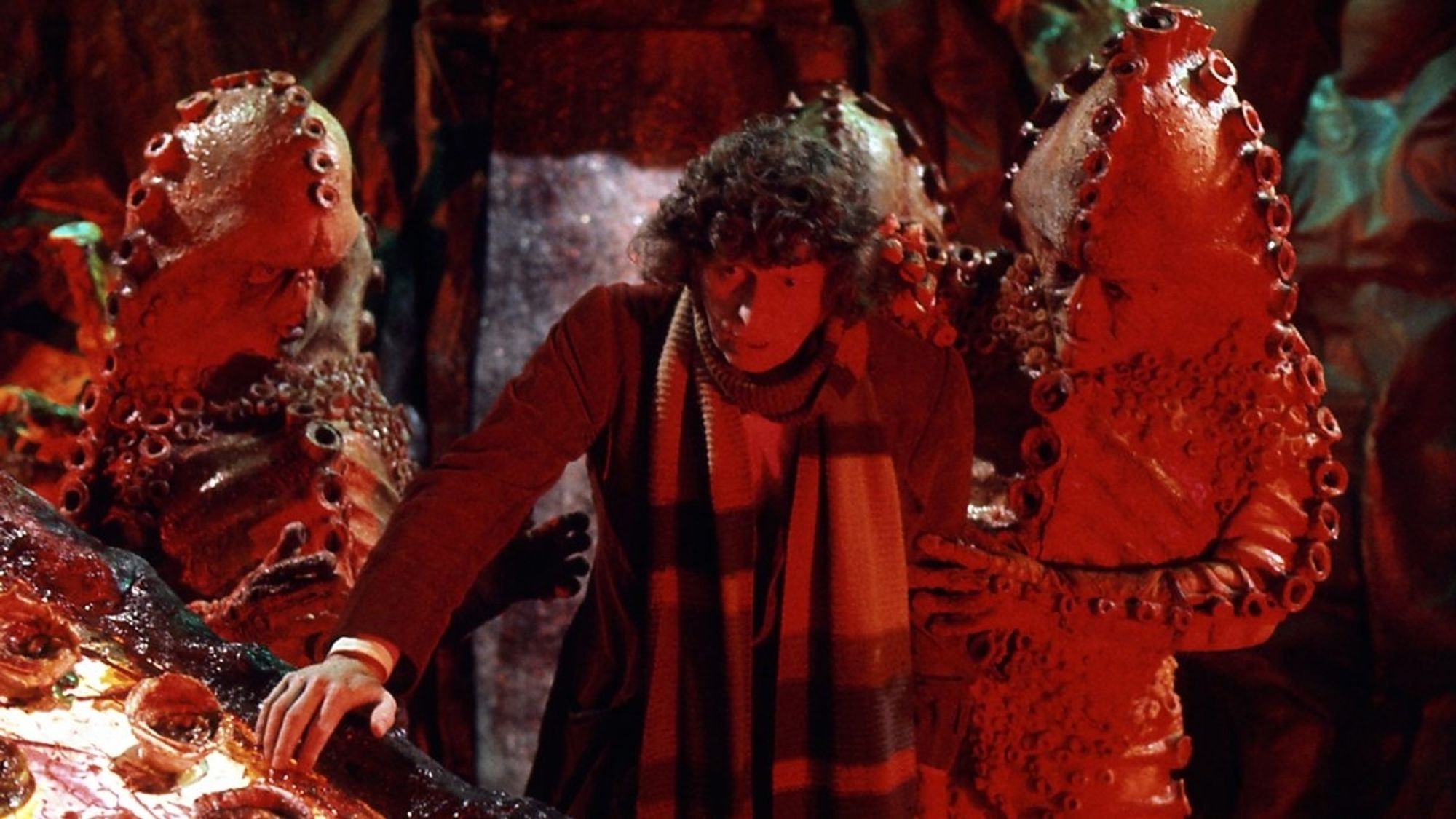
The Brigadier’s final regular appearance and the last we’d see of him til 1983. The Zygons are instantly classic villains and it’s remarkable it took until 2013 for them to return to the series. Sadly also the end of the road for Harry, who doesn’t get a decent send off, and the finale is just a little bit hampered by the truly horrendous fx work. ★★★★☆
The one story in Season 8 that feels like it could have been part of Season 7. A brooding tale which has an intrinsically silly idea at its core but treats it deadly seriously and just about gets away with it. The prison setting helps give this some weight. ★★★★☆
Oh, the excitement of this moment. Genuinely having no clue who it was going to be. The hand. Wait. Is The Doctor a woman? Oh my fuggin god it’s Jodie Whittaker and she’s brilliant! Ok… So the TARDIS composit was a bit dodgy but who cares? ★★★★☆

A lovely piece made for the Lockdown screenings, simultaneously taking place at the end of Novice Hame’s life and during this Doctor’s farewell tour. Subtly animated, beautifully written and expertly performed by Anna Hope and David Tennant. ★★★★½

Arguably the most effective – and easily the most harrowing – episode of this season sees the world’s governments forced to make tough decisions on those who should have died yet still inexplicably live. Arlene Tur deserved awards. The show is lesser, post Vera. ★★★★½
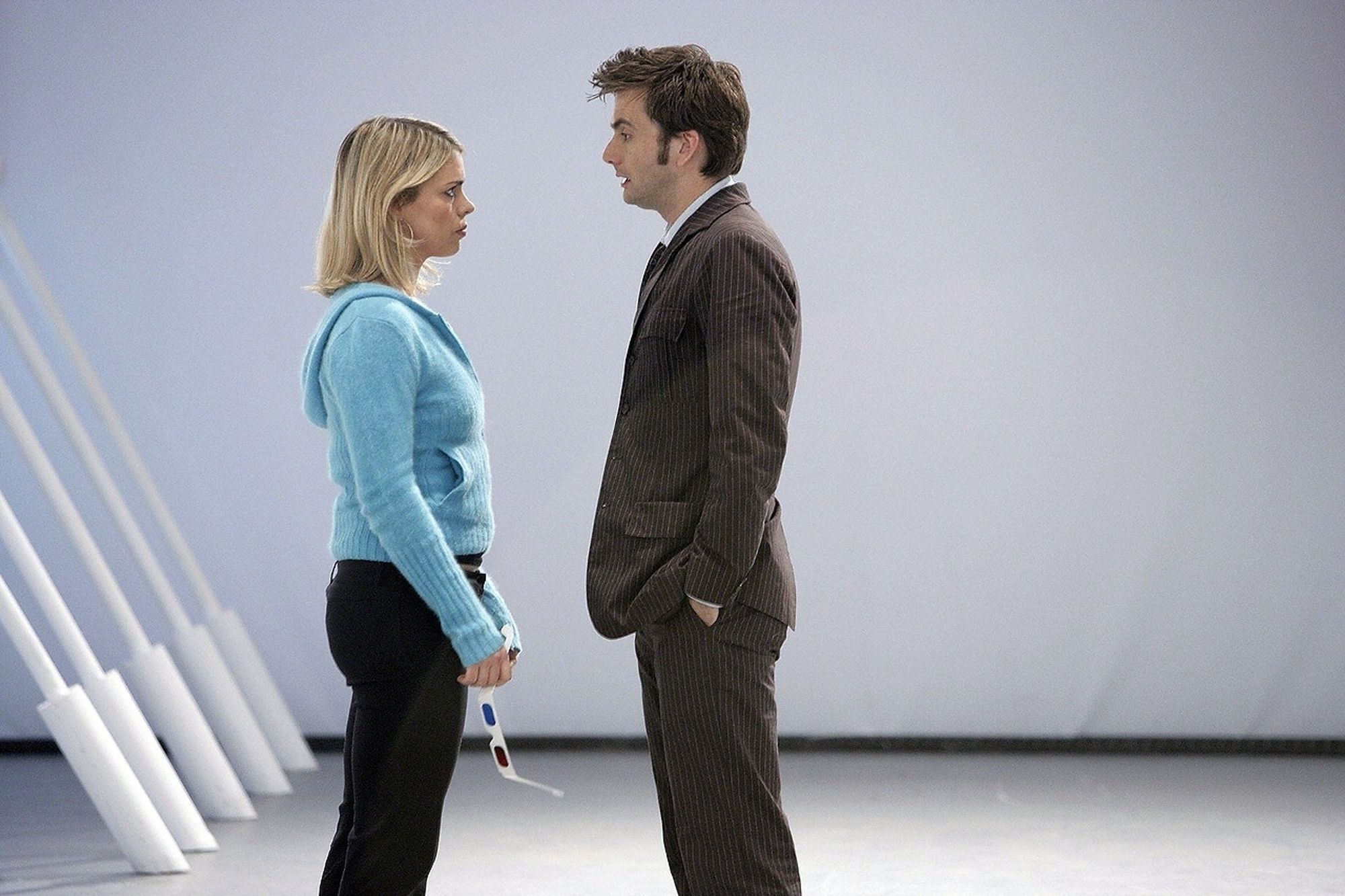
The mystery of Torchwood is finally resolved, and the ever wonderful Tracy Oberman is an inspired casting choice as Yvonne Hartman. Plus, there’s THAT cliffhanger, which remains one of the show’s biggest ever pop culture moments, before the Doctor and Rose are parted in truly iconic style, and there was barely a dry eye in Britain when Murray Gold dropped THAT score during the finale. Before it, there’s lots to cram in, as various characters get their send offs. Somehow it all works. Glorious. ★★★★½

Despite an awkward intro that has to resolve the chaos of last week first, this is one of Capaldi’s finest episodes, with a great premise, genuine mystery, and a clever resolution. Smartly directed, expertly acted. No notes. ★★★★½
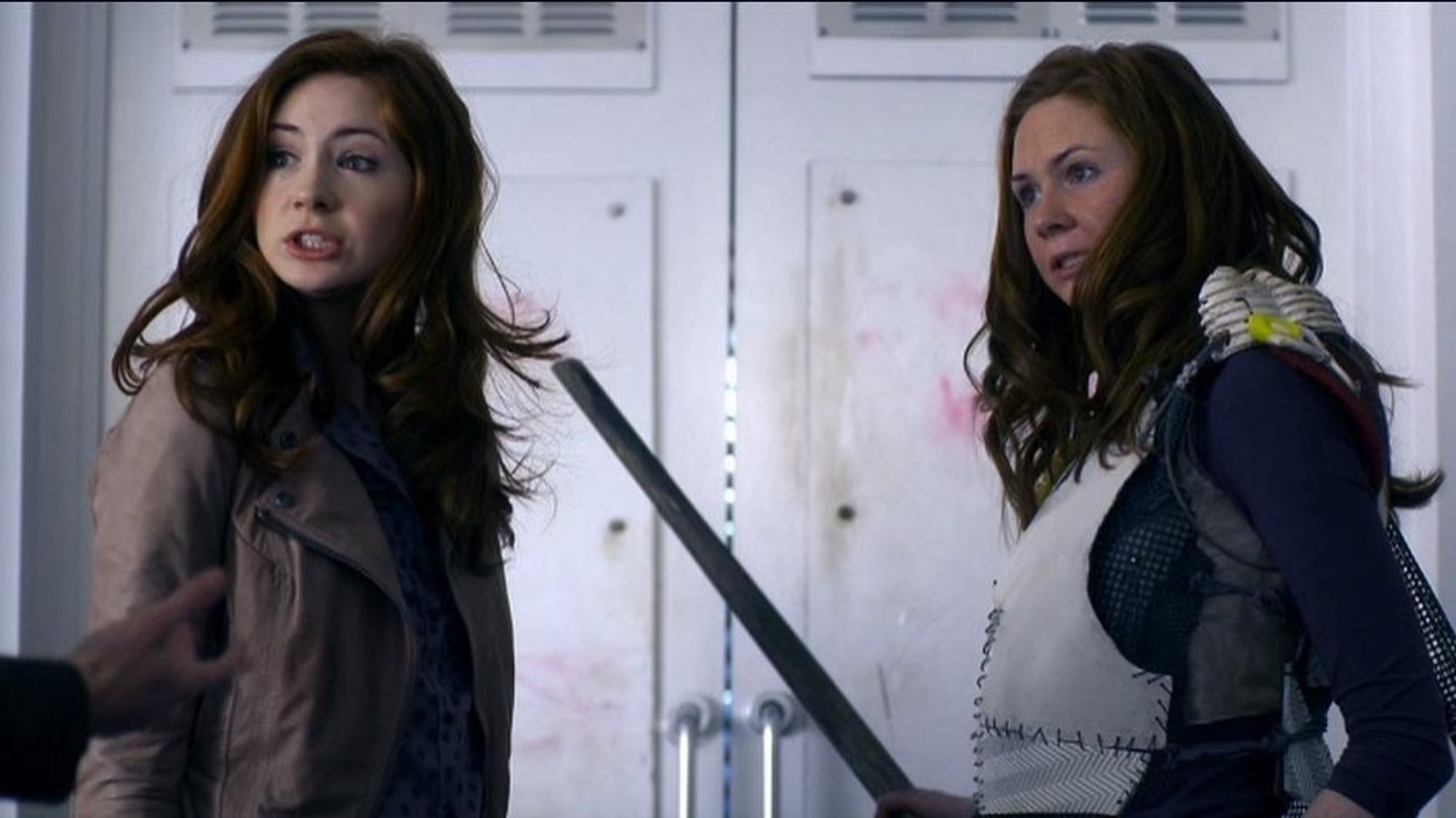
Who cares if it’s an idea that’s sort of been done a million times before when it’s retold in such an artful way? Karen Gillan is phenomenal as both the current and future Amy Pond, while Arthur Darvill proves why he’s a worthy leading man. Beautiful stuff.
★★★★½

A fantastic episode which combines the madcap misadventures of Mary Shelley, Lord Byron and Percy Shelley with a revamped, deadlier Cybermen design. There’s genuine tension throughout and the cast give it their all. This era’s Turn Left. ★★★★½

The fact that so little visual record of Patrick Troughton’s debut story exists hasn’t dampened fan enthusiasm for this one over the years. Be it on audio CD, as a photo recon or the 2016 (or 2020 improved) animation, this is rightly considered a gem. ★★★★½
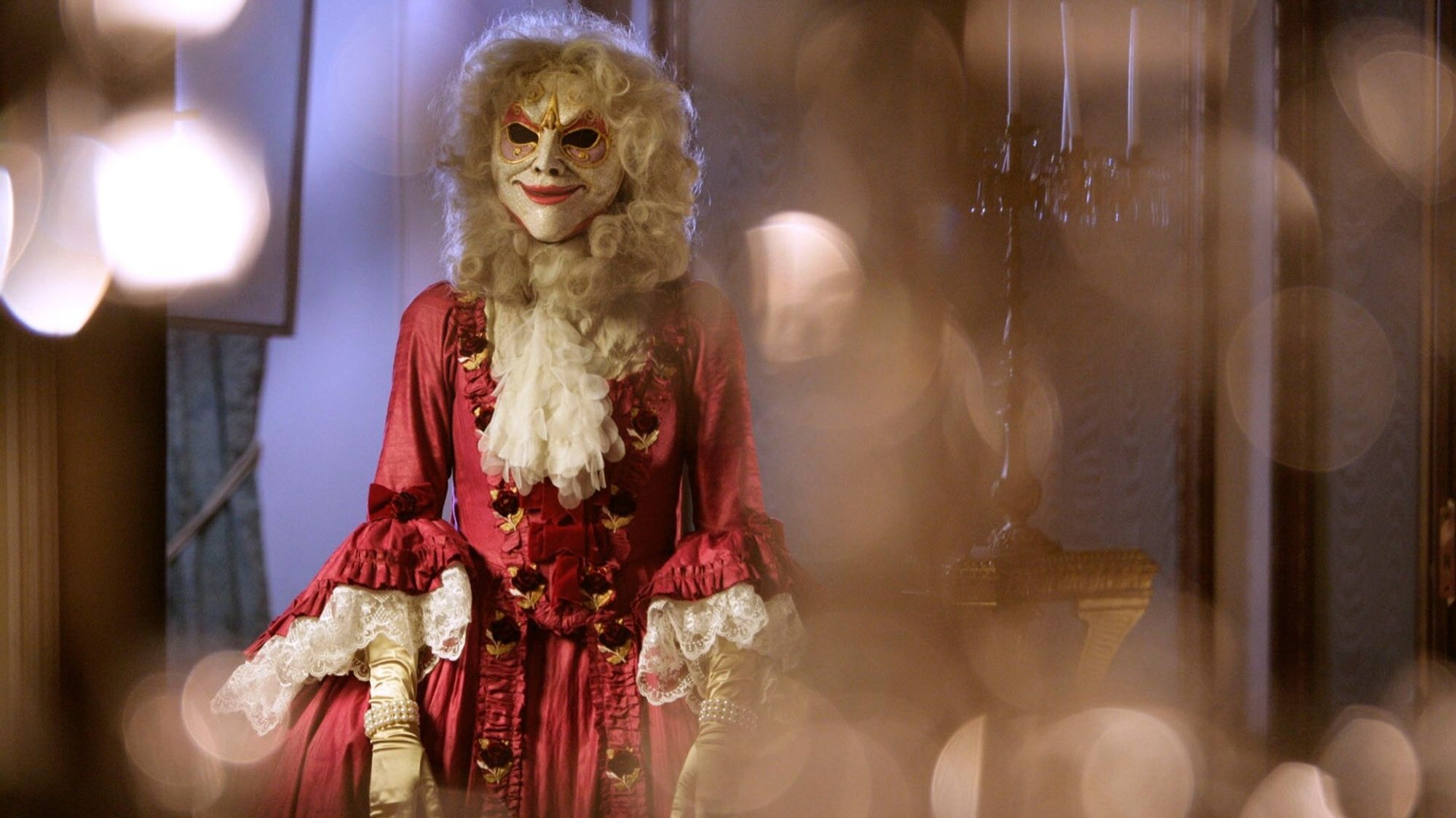
Steven Moffat’s second script for the main series is another solid example of why everyone was excited about him getting the showrunner job in 2009. A thoughtful, intelligent, witty & moving tale of a life spent waiting. The first classic of the Tennant era. ★★★★½

Even in lesser stories, I adore the Season 2 TARDIS team. But this camp, silly runaround, which never fails to delight me, sees Ian & Barbara bid farewell to the TARDIS in memorable style. A lovely ending. I shall miss them. Yes, I shall miss them. ★★★★½

Ok, so the climax with the big spinning fans of doom is a bit silly. But the rest of this rollercoaster is an exhilarating ride that allows the new series to stretch it’s wings. Cassandra is iconic, if a little problematic by modern standards. The “iPod” masterful. The emotional impact lands big. ★★★★½

Twelve episodes! Two companion deaths! Nicholas Courtney debuts! Jean Marsh and Peter Butterworth return! A standalone Christmas special in the middle! Lots going on in this extended serial, but somehow it all works. Glorious. Except the dodgy Blackface. ★★★★½
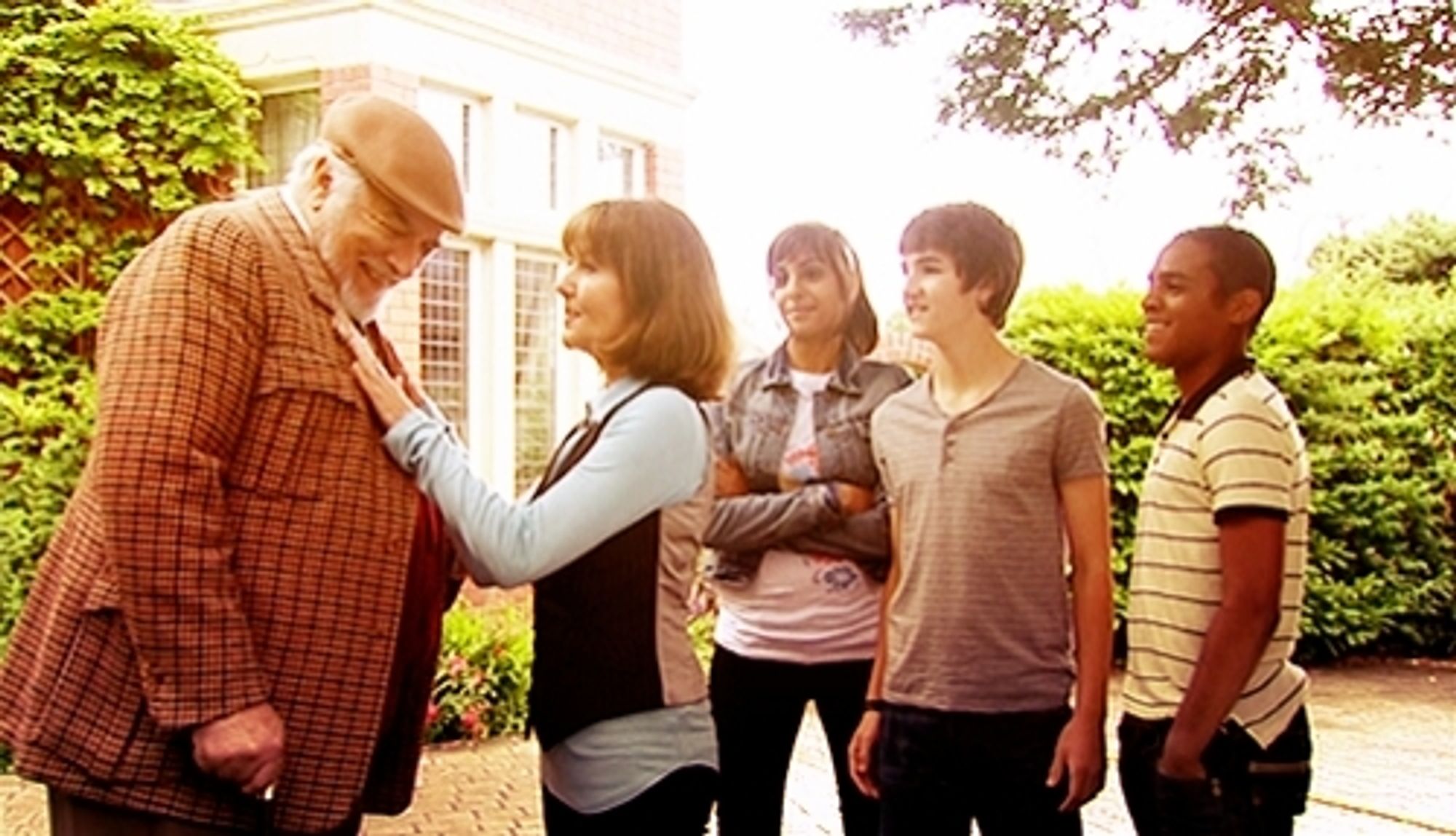
What should have been the first of several appearances by the late, great Nicholas Courtney in modern Who turns out to be his swansong, as The Brig helps Sarah take down both the Sontaran Kaagh & the ever camp Mrs Wormwood. A lovely story filled with little treats. ★★★★½
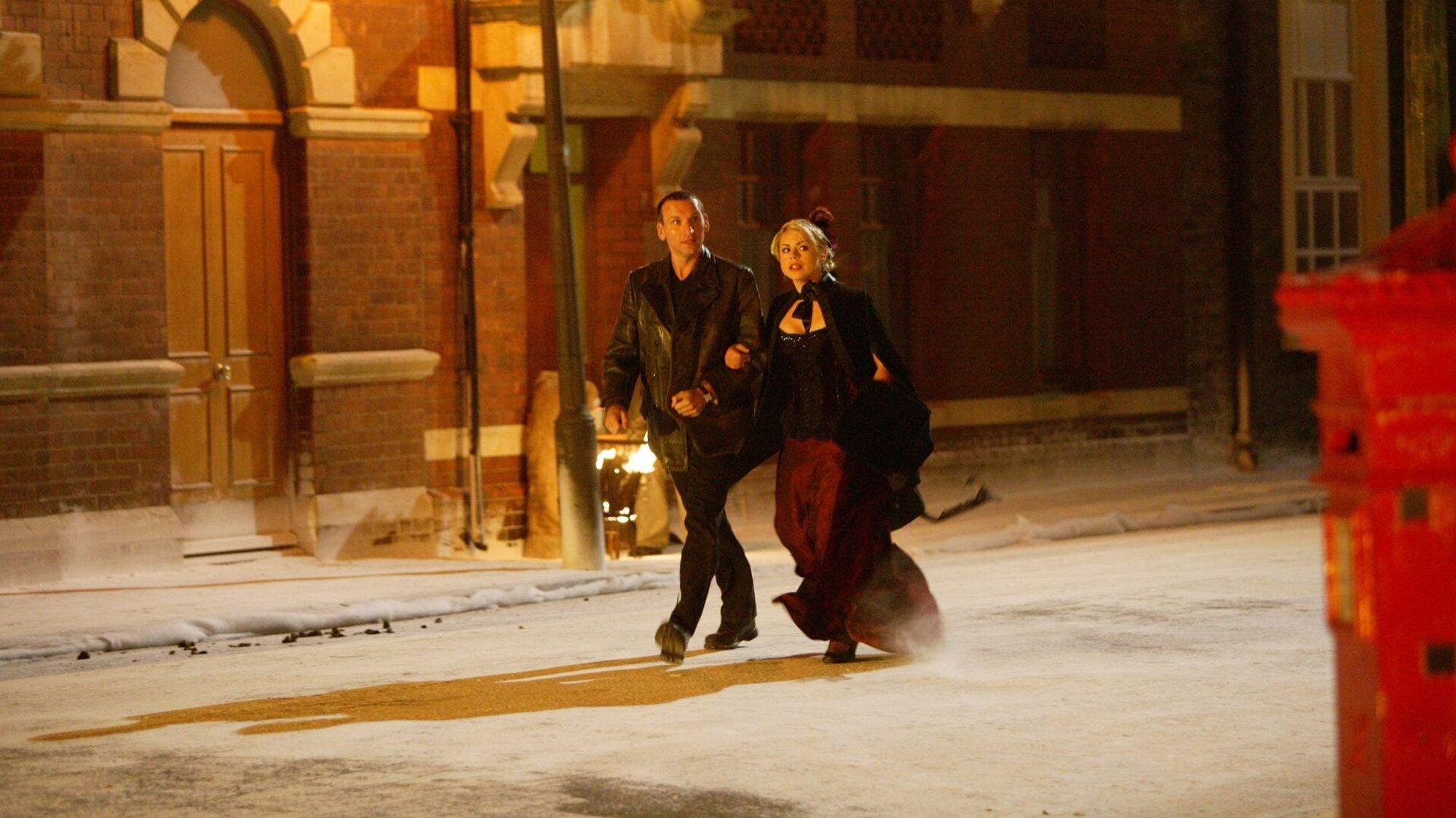
The first of the modern Celebrity Historicals and still one of the best. Mark Gatiss love for Charles Dickens is apparent throughout. Simon Callow is a solid guest star, but Eve Myles steals the show so much they pretty much gave her a spinoff. ★★★★½

This is how you drop a mid season surprise. From the former companion cameo out of the blue, to the shock reveal about Ruth’s identity, this is a major game changer that also happens to be good fun. And Jo Martin is instantly one of the gang. ★★★★½

The Master makes his debut, with the Autons in tow. Jo Grant is the Doctor’s plucky new assistant. Mike Yates joins the UNIT Family. All three instantly charm and become part of the core fabric of Doctor Who. A classic, even before the fab new CGI on Blu-ray. ★★★★½

Maybe it’s a little too long at 7 episodes, but this is the first attempt to really push the Daleks into new territory… only to then try and get rid of them for good. Brilliant casting, more thriller plotting, but marked down for the stereotype strongman. ★★★★½

Apparently this one faced nightmarish uncredited rewrites from RTD just before shooting. You wouldn’t know it, because it’s Who firing on all cylinders. A chilling return for Gabriel Woolf, the debut of the Ood and a fantastic guest cast make this a standout. Part Two can’t quite live up to the incredible first half, trading the claustrophobic unease and creepy surprises for an Aliens style runaround fused with philosophical debate and the ACTUAL Devil, apparently. But it’s still a phenomenal episode. One of Tennant’s best. ★★★★½

The first true classic of Doctor Who. A seven part historical adventure where the only scifi elements are our regulars and their time machine. All of the threats to their lives are real world terrors, Charming & dynamic. Unfortunate of it’s era yellowface is ikky, though. ★★★★½

The most Douglas Adams story of the Douglas Adams era of the show. A delightful romp featuring time travelling art forgeries and Julian Glover as a spaghetti headed villain oozing charm. Duggan should have become a companion, too. ★★★★½

“You can’t rewrite history. Not one line!” And why would I want to rewrite this, except to cast actors of the correct ethnicity, of course. Aside from the of-the-time casting, this is a blisteringly good story that further illustrates the strength of Hartnell historicals. ★★★★½

Anjli Mohindra arrives as Rani, and instantly becomes one of the best things about this show. Ace Bhatti and Mina Anwar are perfect as her parents, and there’s a chilling performance from popular entertainer turned actor Bradley Walsh. Whatever happened to him? ★★★★½

The Sontarans had long since become comic relief, and though this episode doesn’t completely shy away from this, it does give them menace for the first time in ages. Factor in the brilliant Mary Seacole and fun with Dan & Karvanista and you’ve got another stonker. ★★★★½
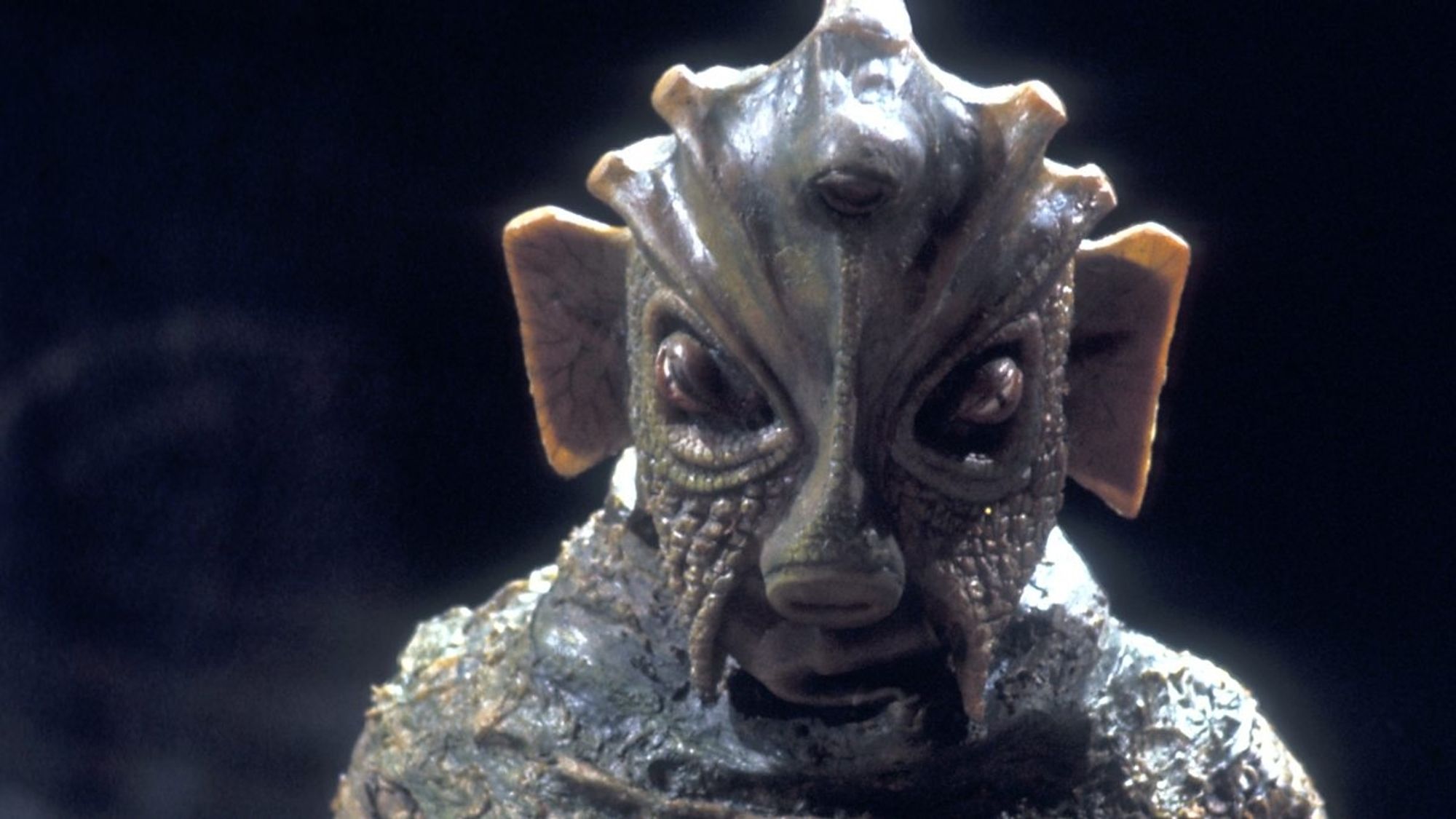
A seven part cautionary tale of ecological curiosity, biochemical disaster, and in a stoke of genius, a threat to humankind that didn’t come from outer space, but was here on Earth before we were. Now feels oddly prescient of 2020’s dismissal of experts. ★★★★½

The first appearance of The Doctor in TSJA, this is the third (fourth if you count Turn Left) part of the Trickster Trilogy, and at its core isn’t so much a showboating Tennant cameo, but a brilliant, believable spark between Lis Sladen & Nigel Havers. ★★★★½

As the first story made in the second production block, there’s a confident swagger to this, as the show gets proper location work for the first time. The Daleks parading deserted London remains an iconic visual. Susan’s farewell is magnificent. A must see. ★★★★½
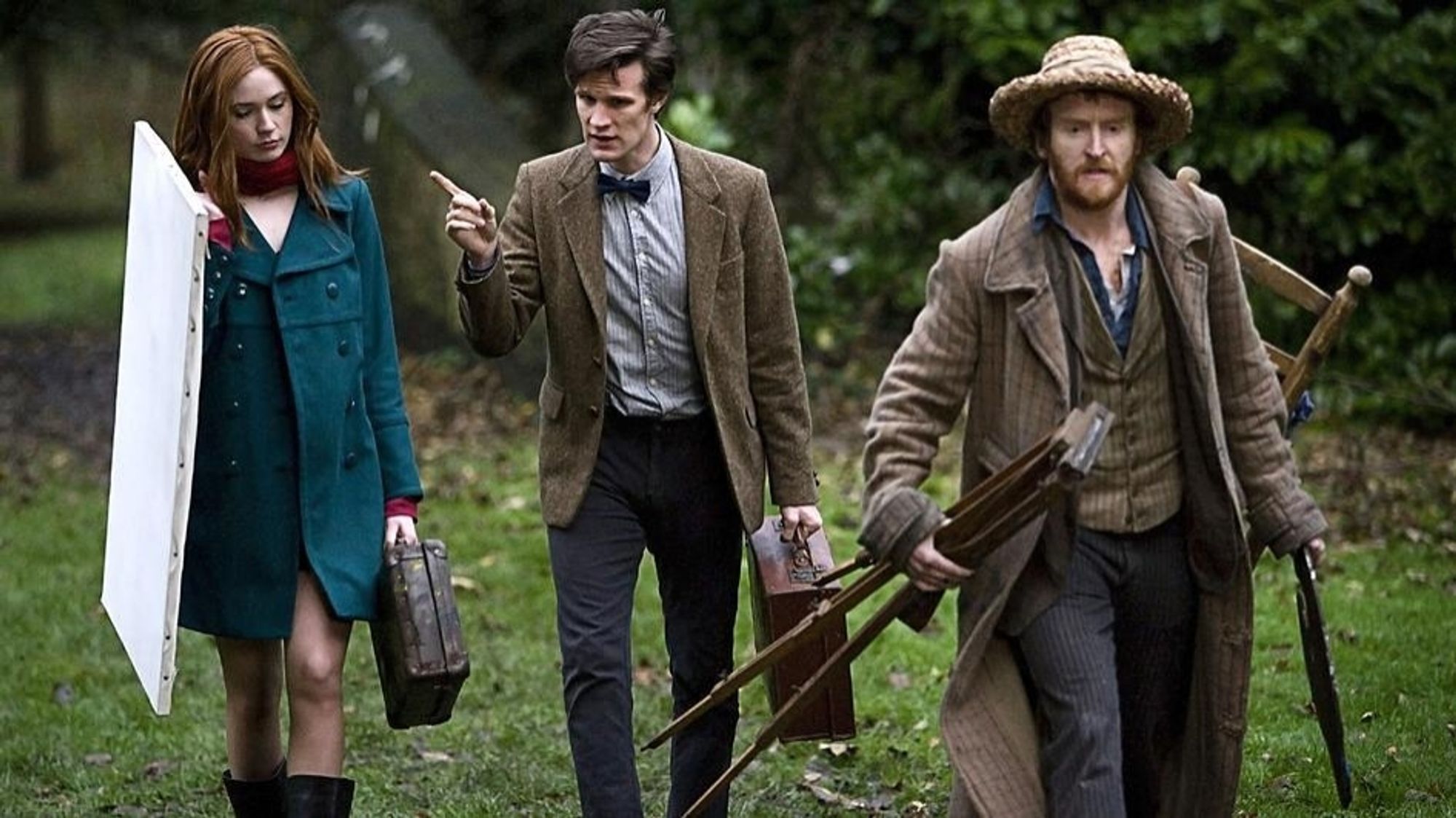
Despite the central monster being a mostly invisible giant alien chicken, this is a stellar episode that manages to handle Van Gogh’s darker elements gracefully, and has that incredible ending. Karen Gillan’s lost soul Amy here is underrated. ★★★★½

First meeting with a member of the Doctor’s race, and it’s Carry On legend Peter Butterworth. But it isn’t just the devious Monk who charms in this delightful tale of historical meddling in time. Bristling script & new companion Steven and veteran Vicki are fab too. ★★★★½

A story ahead of its time, about a society obsessed with watching graphic torture on television as a means of keeping them oppressed. Sil is a glorious villain, Martin Jarvis a noble ally. Colin is on fire, here. Only downer is the weird ol’ cavemen in diapers bit. ★★★★½

Paul Cornell adapted his own Seventh Doctor novel concept into a very different Tenth Doctor story, and his gorgeous script doesn’t shy away from the real horrors of society at the time. Freema Agyeman is astonishingly good here, as are Tennant and Jessica Hynes. The second half of the story doesn’t let up, and really allows Harry Lloyd, Thomas Sangster, Rebekah Staton, Gerald Horan and the rest of the guest cast the opportunity to shine. A phenomenal conclusion and a perfect final scene. ★★★★½

The broadcast edit was a bit messy, but the special edition perfectly illustrates what a glorious story was in here trying to escape the confines of 25 minute serialised drama. The entire cast act their socks off. It’s moody and atmospheric. Glorious. ★★★★½

The world is shut down and everyone is afraid. Most of all children. So what better than Jodie Whittaker, in a cupboard, sending a message of hope to us all? This is proof of why she’s perfect for the role. Gawd, I miss her already. ★★★★★

The adorable baby Sea Devil would have been enough to lift this Collection minisode up, but it also moves a now widowed Jo Jones into an eco warrior Sarah Jane style position, encouraging teens to help save the planet. Someone give Katy Manning a series, already. ★★★★★

Quite possibly the most exciting TV trailer of all time. Our first glimpse of the new Doctor, the new companion, the new TARDIS, the whole new spirit of the show. Still gets me excited in a way they’ve never truly recaptured. ★★★★★

Made during lockdown, this begins as a narrated tale of the Bannerman Road gang attending Sarah Jane’s funeral. But then, wallop! There’s Jo! Ace! Luke, Clyde and finally Rani, all telling us how much they loved Sarah. How much they loved LIS SLADEN. Magnificent. ★★★★★

Neil Gaiman penned this wonderful love letter to that Blue Box at the heart of the show. Suranne Jones is phenomenal as Idris. Michael Sheen oozes menace as the mysterious House. Just fantastic. ★★★★★
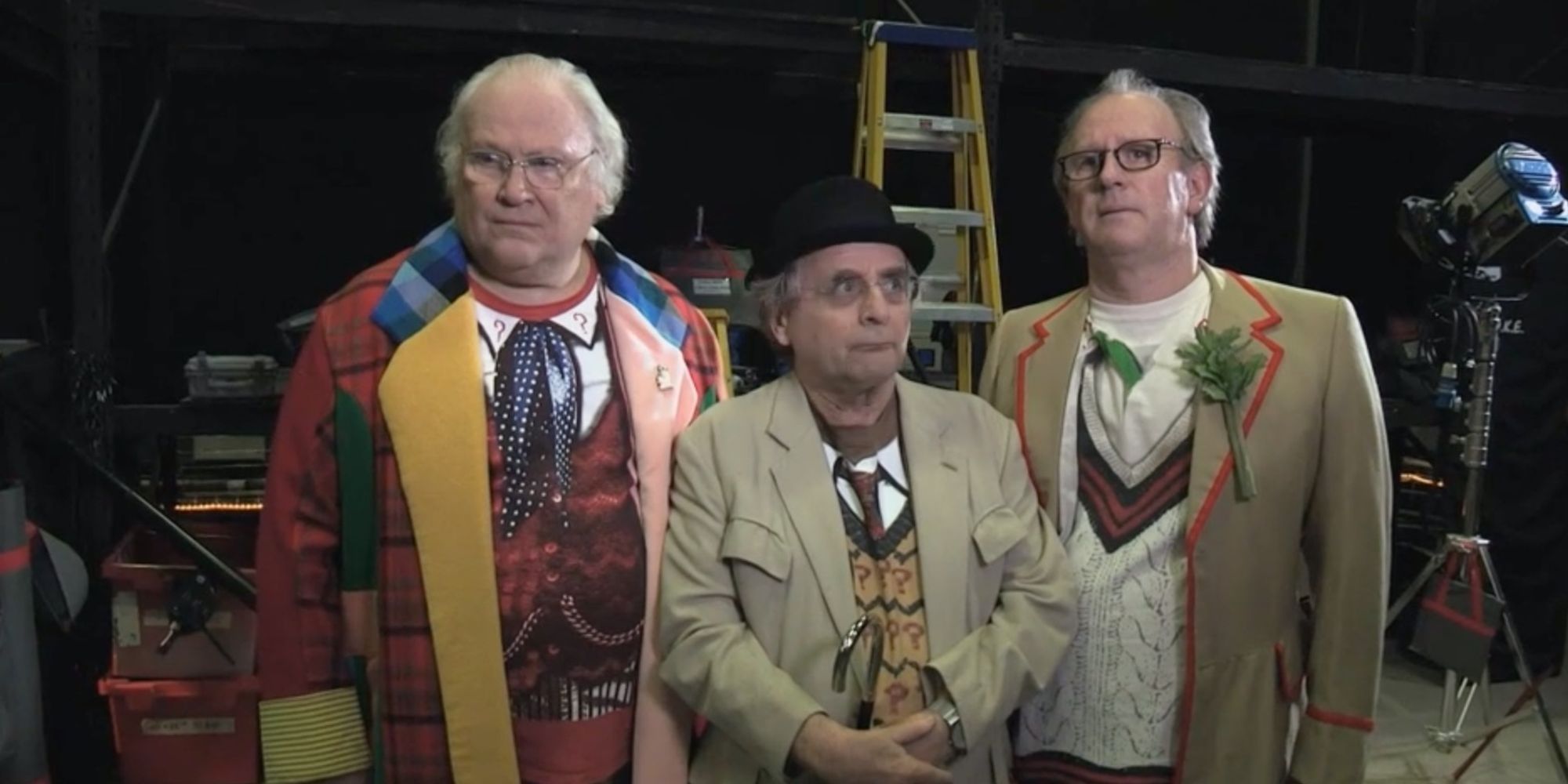
Davison had returned triumphantly to the show in 2007, and we’ll come to that in due course. But this glorious extended skit sees him unite with Colin Baker & Sylvester McCoy to sneak into the 50th anniversary special. Cameos and in-jokes galore! ★★★★★

Not only Lis Sladen’s final adventure with The Doctor, but the return of the marvelous Katy Manning as Jo for the first time since 1973. Throw in solid roles for David Bradley + Finn Jones, and it’s a star studded rollercoaster that ticks all the right boxes. ★★★★★
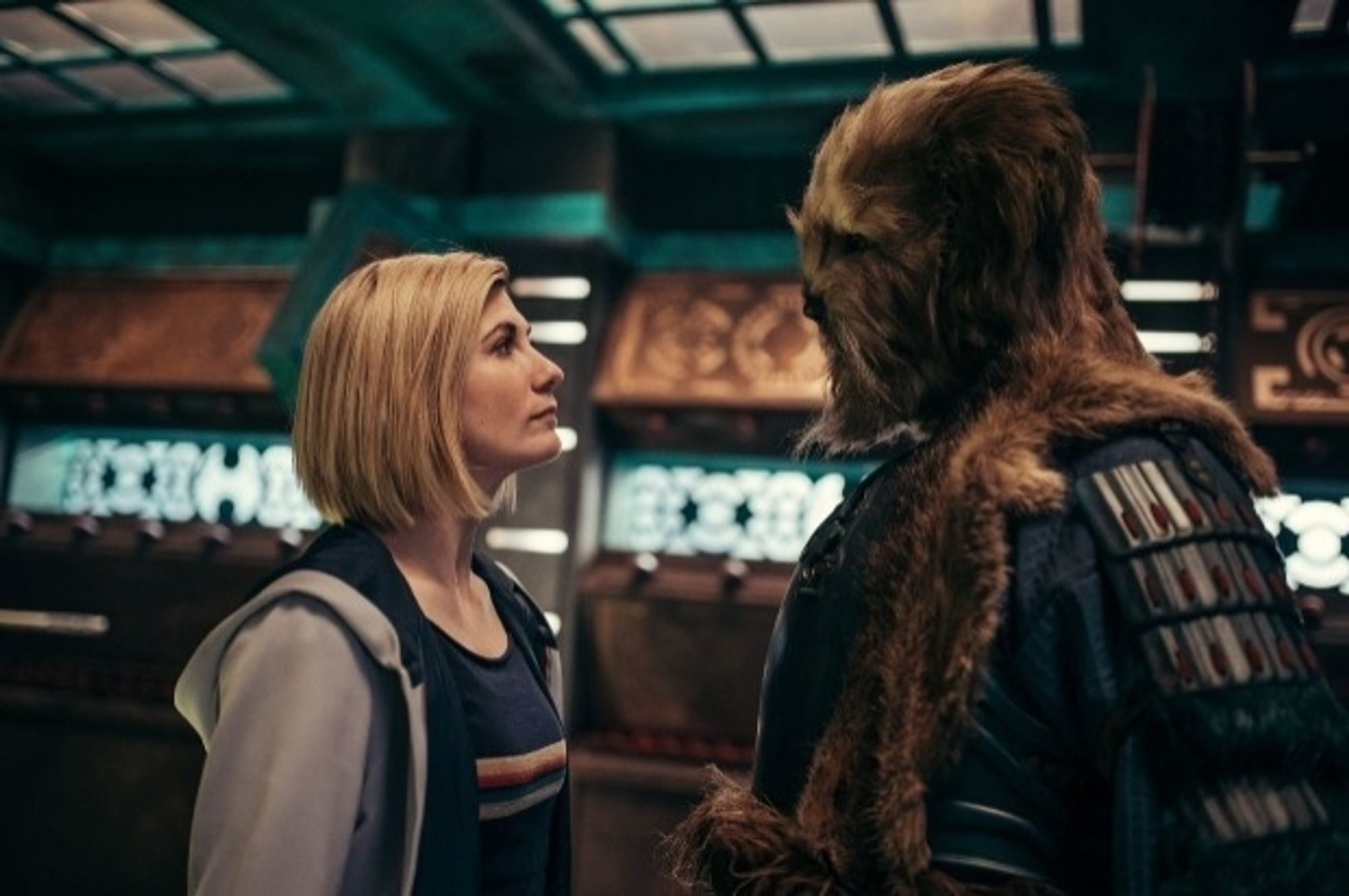
This episode introduces my all time favourite Doctor Who character. And some idiot called Dan. Both are a breath of fresh air. There’s a grand scale to this, in spite of Covid restrictions during filming, that really sets up a dynamic mystery. Near perfect. ★★★★★

It’s always felt like a huge shame Paul McGann never got to be The Doctor on TV more than he has so far. This surprise mini episode finally saw him return to film his demise, and for 7 glorious minutes he is THE Doctor. Give him a spinoff show, please. ★★★★★

A ten part story described by one of its authors as a piece of elastic. Somehow it never stops being fantastic. A genuine sense of dread sets in, as it becomes clear The Doctor, Jamie and Zoe can’t get out of this one… Groundbreaking end to a glorious era. ★★★★★

David Bradley portrays William Hartnell in a drama about the early days of Doctor Who. Focusing primarily on the series launch, it then whizzes through his era and Bill’s bittersweet enforced departure. A beautiful, loving tribute. ★★★★★

While the Paul McGann featuring The Night of the Doctor worked brilliantly in isolation to bridge the gap between Series 7 and the 50th anniversary special, these other mini episodes really need to be seen in tandem with the story itself. First, Strax uses a Sontaran troop to teach audiences cinema etiquette, and about the sentient nature of popcorn… While Tennant & Smith have some back and forth banter to get audiences super hyped. Both great little teasers for what was to come. And then, the final minisode of the era is also a solid entry into the canon, and gives us a decent first person glimpse into the Time War and Gallifrey’s complacency. But it’s the main event we’re here to really celebrate – and pre-transmission, I had expected it to crash & burn. Instead Doctor Who soared. John Hurt was born to play The Doctor. Billie Piper’s role is a great way to bring her back. I’d have liked more classic links but over time I’ve come to realise this is as close to perfect as can be. Overall, the 50th got almost everything right. ★★★★★

A bold new era of Doctor Who begins. Glorious technicolour. Shot – for four weeks only – entirely on film. The Brig is back. We meet the underrated Liz Shaw, and the iconic Autons make their debut. In the middle of it all is Jon Pertwee glistening. Fresh. Vital. ★★★★★

TSJA was always at its best when it had something to say, and here Phil Ford delivers the final classic of the show, as Clyde is the victim of alien technology and is forgotten by everyone, ending up homeless. Genuinely one of the most moving things in the Whoniverse. ★★★★★

Lesley Sharp is a phenomenal actress as anyone who’s seen The Second Coming can attest. Here she leads a small, but perfectly cast ensemble (shout out to Rakie Ayola & David Troughton in particular) in the ultimate bottle episode. RTD’s script is smart and terrifying. ★★★★★

What if the movie Aliens featured Weeping Angels instead of Xenomorphs? Throw in the return of Alex Kingston’s River Song, lots of mystery laying for the next two years of the show, and you’ve got an absolute stonker on your hands. Also, a brilliant cliffhanger. The second half of Matt Smith’s maintains the thrills of the opener, but also knows when it’s good to slow things down and build layers in The Doctor and Amy’s relationship. Some argue the final scene is a mistake, but I think it works and feels real. ★★★★★
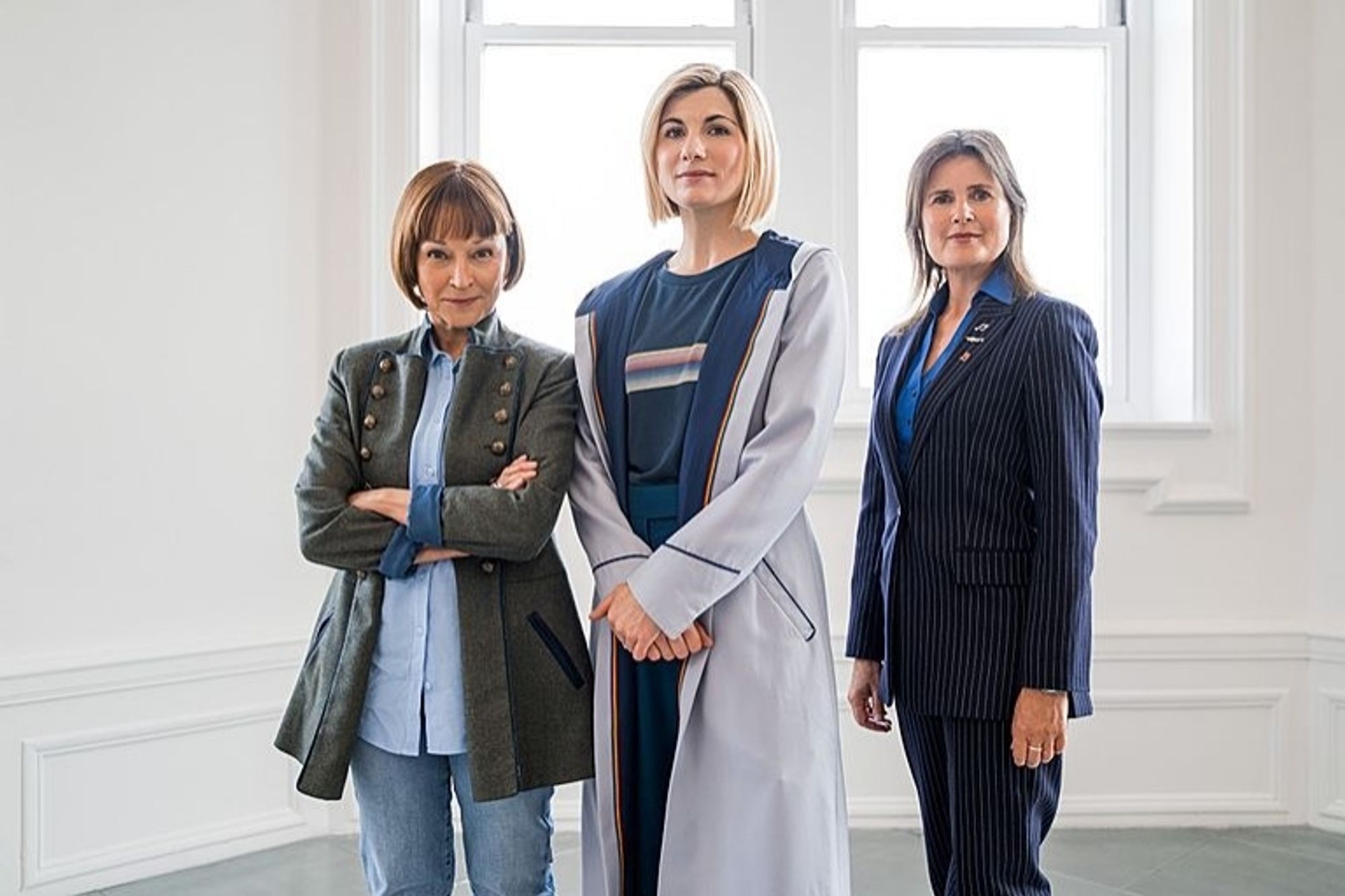
Made for the BBC Centenary but also acting as a backdoor 60th anniversary special, this is a beautiful way to end an underrated era. Full of heart and intelligence, with so many former stars of the show returning, and the best ever regeneration. Near perfect. The only way to improve on this would have been to have Karvanista replace the brilliant Vinder, and have him get a chance to interact with the Hologram Fugitive Doctor. One can dream, eh? ★★★★★

The one with the giant maggots, but so much more, too. Like The Dæmons, this gives all the regulars great material, introduces a one off character so beloved he briefly returned in 2019 & 2021, and gave Katy Manning the best companion exit of the 20th century which Sherlock would ape 40 years later. ★★★★★

While the very 2005 references to current TV have clearly dated, this one still doesn’t pull any punches. Lynda is a charming potential companion, and introducing her whilst putting Rose in mortal danger really did trick audiences at the time. And THAT cliffhanger. Wow. It will forever be a massive shame that Christopher Eccleston was forced to leave the show after just one series. But if you’re gonna go out early, doing it with a blockbuster of this scale is the way to do it. A tour de force in spite of the Deus ex machina. ★★★★★

Some complain this story is impenetrable. I saw it when I was five and it has always made perfect sense to me. A story that rewards you for paying attention. Ahead of its time. Witty. Blackly comic. Again, perfect casting. Just marvellous. ★★★★★

The true horrifying nature of the 456 is revealed, and the lengths the government went to are depressingly likely in that scenario. This is incredible television full of political intrigue and social conscience issues, but does it belong in the Whoniverse? ★★★★★

Coming out of the gates all guns blazing – quite literally with the shock plot twist five minutes in. It’s a huge shame the previews broke the OTHER surprise in this Part One, because THAT guest performance is almost unrecognisable. And Michelle Gomez is phenomenal as always, in turn raising John Simm’s game into a better Master than he got to be first time around. Two Masters for the first time on screen. Bittersweet farewells for Bill & Nardole. The Doctor at his most vulnerable. This flawless cast give it their all, and every aspect of the production steps up to match them. ★★★★★

Doctor Who does modern day Hammer Horror. The six (!) series regulars all get lots to do here, in this tale of witchcraft and ancient evil unleashed on a middle England village. Great visuals, snappy dialogue, iconic set pieces… Just marvellous. Five stars rapid. ★★★★★

The debut of Davros as Terry Nation boldly reaffirms the origins of his most famous creations. A story so iconic it would be retconned into the Time War that would dominate the early years of the revival. Ok, it’s long, but dodgy crab aside it’s near perfect. ★★★★★

Arguably insular, but a tour de force. Catherine Tate delivers an award worthy performance. Jacqueline King & Bernard Cribbins are phenomenal too. A precursor to Years & Years, and THAT scene on the back of a pickup truck still HURTS LIKE HELL cos it’s alarmingly accurate. ★★★★★

Rarely has a soft reboot needed to work as much as this one did, so it’s pretty wonderful it did so with a near perfect hitrate. Ok, so Olivia Colman has a thankless cameo. Nothing else could improve this masterpiece of tv. A great jumping on point AND continuation. ★★★★★

Doctor Who’s first foray into parallel worlds. Much like Star Trek before it, everyone here is devious and out for themselves… Or are they? Not even the silly monster costumes can detract from this one. The murky quality of surviving prints gives a video nasty horror vibe. ★★★★★

Steven Moffat’s first script for the series proper is insanely smart, with a highly inventive “monster” idea, and a period setting that is beautifully realised. Witty, charming, chilling and with a stonking cliffhanger. Near perfection, even if the age of the piece is starting to show around the edges (and Rose’s barrage balloon adventure makes zero sense). The payoff in Part Two delivers and then some. Really this episode belongs to two incredible performers: Christopher Eccleston and Florence Hoath. So much heart, tons of great gags, and one of the most uplifting finales in all of Who. They don’t get much better than this. ★★★★★
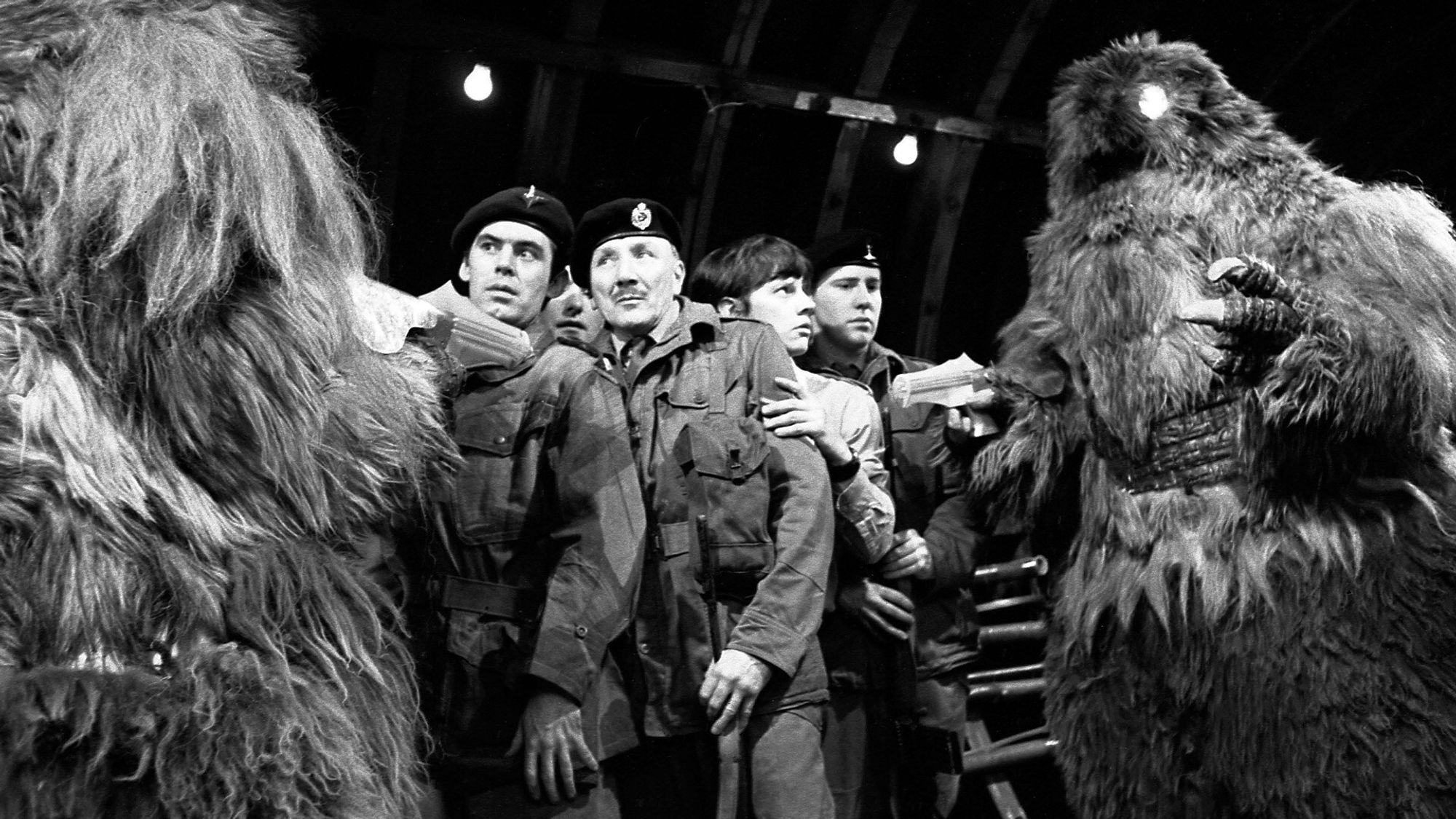
The Yeti and Travers return, Lethbridge Stewart first appears, the core cast are on fire and joined by great guest characters with clearly defined traits and several ulterior motives. Iconic but it keeps surprising you. Doctor Who is rarely better than this. Also, this story received the first ever minisode as Patrick Troughton appears in character and breaks the fourth wall to warn that next week’s episode might be too scary for mums and dads. A fun extra. Shame it only survives on audio. ★★★★★
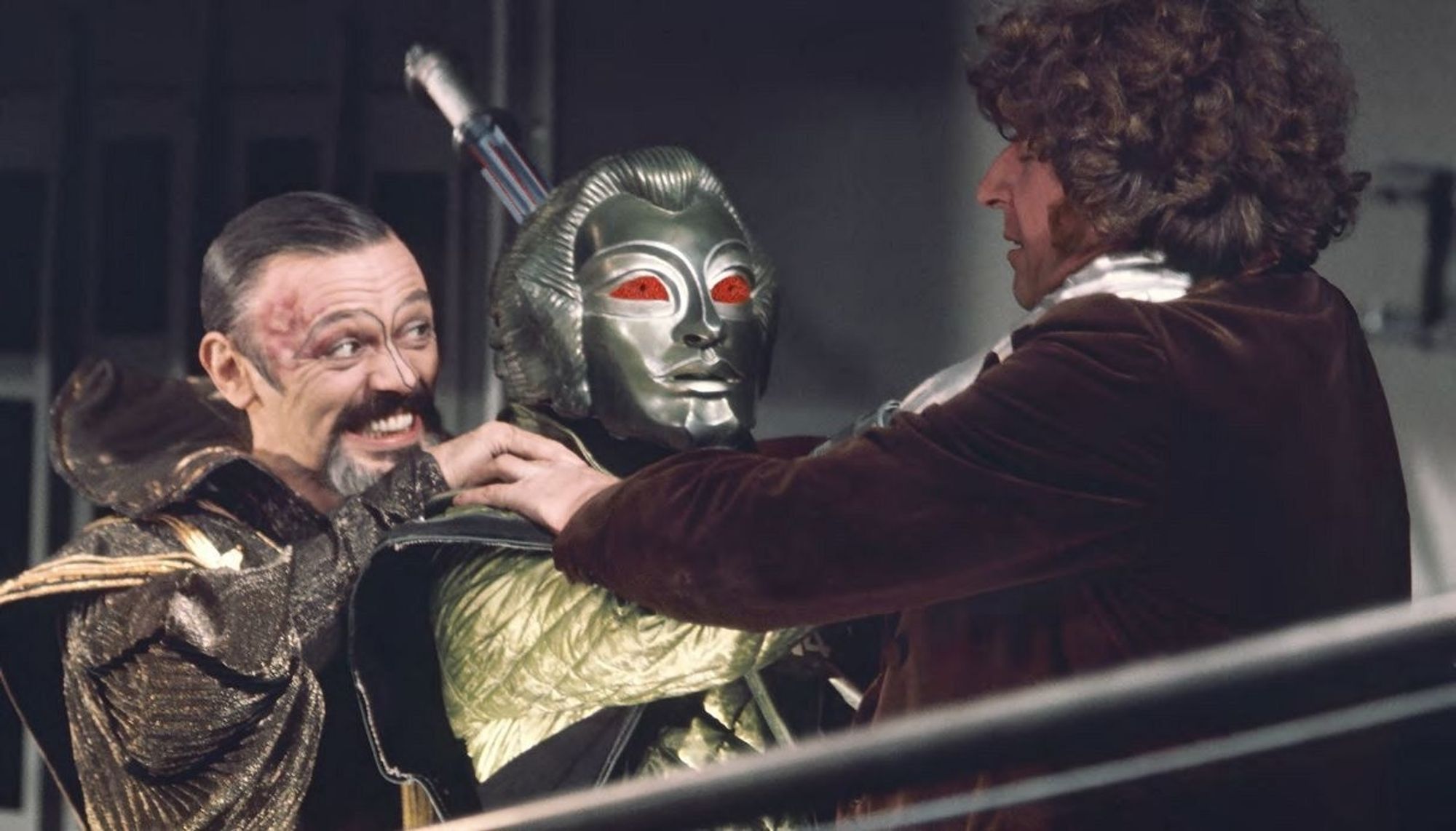
One of Doctor Who’s ultimate comfort blanket stories. Essentially an Agatha Christie novel in space, with a brilliant – and notably diverse – cast, memorable villains, and the adorable D-84, who should have become the new robot companion. ★★★★★

Doctor Who is often at its best when it has something to say. And this is one of the finest examples of that. A period of history that is mostly (wrongfully) not taught in the West, with a strong emotional core & a solid excuse for the background sci-fi elements. ★★★★★
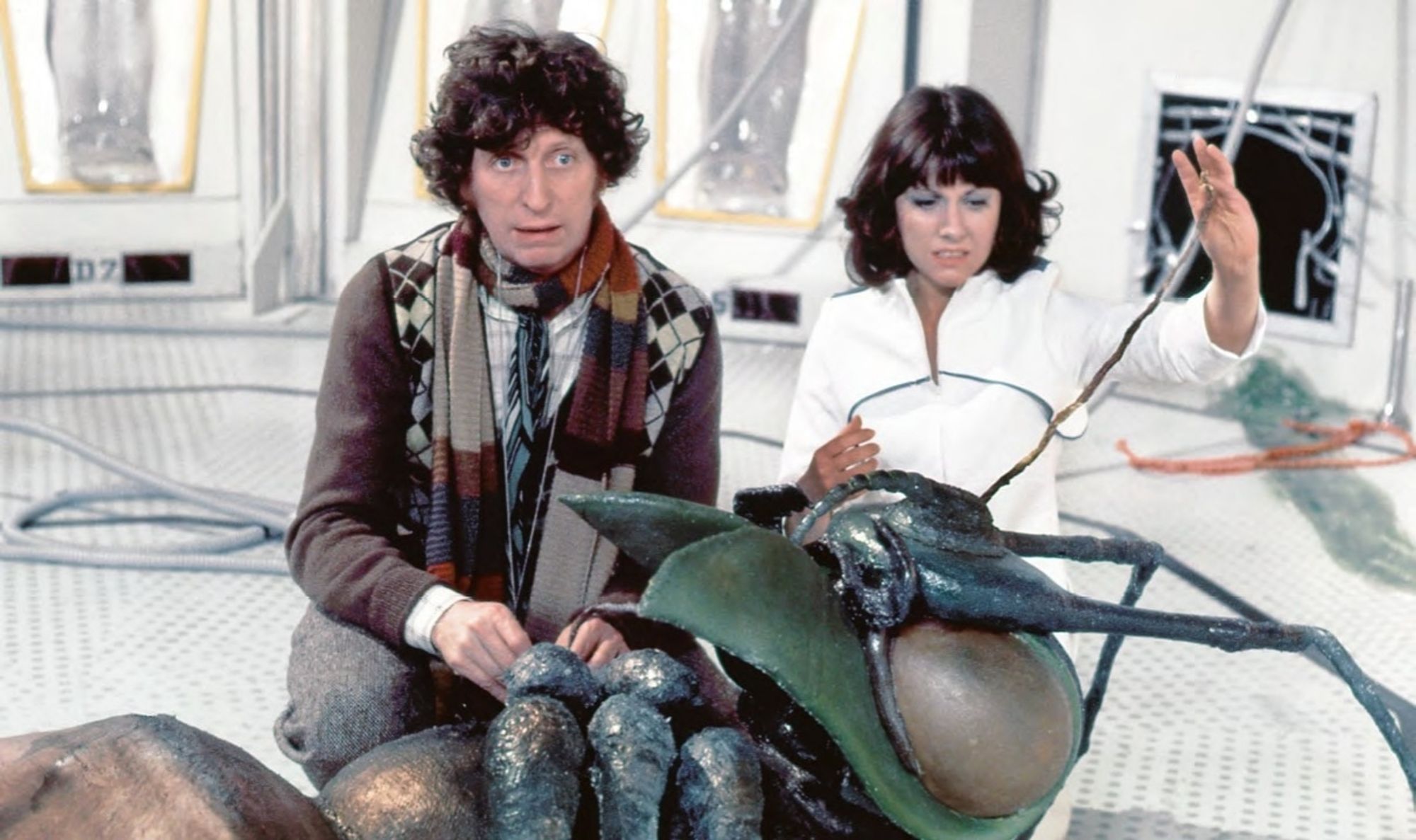
Before there was the Xenomorph there was the Wirrn – a giant bug like creature that laid eggs in unsuspecting humans as they slumbered. Tom, Lis and Ian are perfect here, deftly swatting their lines back and forth while a great supporting cast bring up the rear. ★★★★★

Meant to air second but ended up fourth in the run, this is high concept Doctor Who firing on all cylinders. A multi-layered delight with a truly chilling performance from Ian Reddington as the creepy cherry on top. ★★★★★
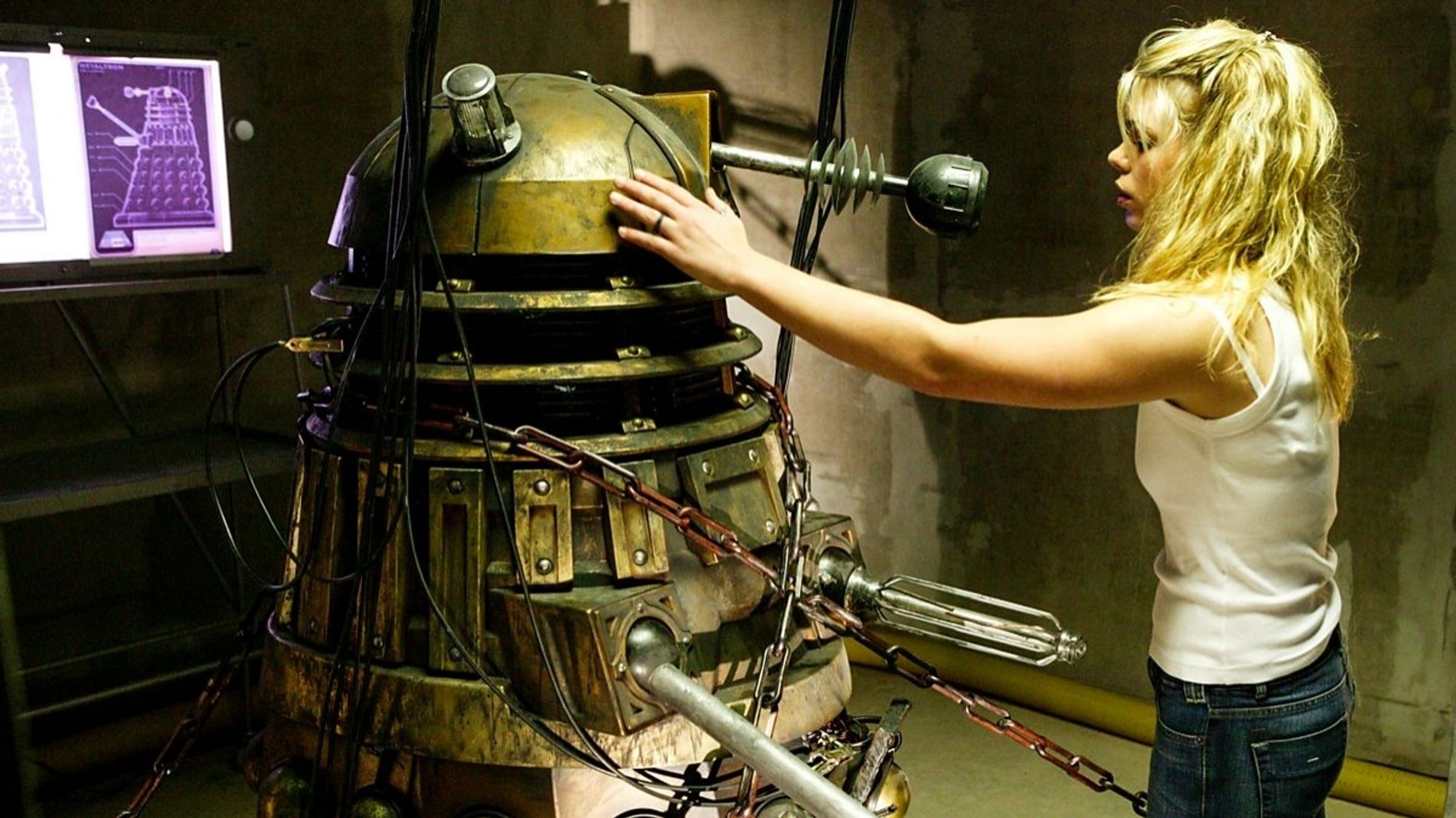
This is how you do it. Robert Shearman’s bristling script reinvents the famous antagonists after decades of cheap jokes and pot shots, and turns them into a force to be reckoned with. Eccleston and Piper are phenomenal. This was edge of the seat stuff on transmission. ★★★★★

What can I say in one paragraph about Blink that hasn’t been said a million times before? Well, there’s an underrated brief role for excellent comedy actor/writer Thomas Nelstrop in this. A perfect piece of television. Even non-fans should see this. Carey Mulligan is every inch the A-List star she was destined to be here, while Billy and the rain STILL makes me cry. ★★★★★

It is a cruel twist of fate that Davison finally gets a truly classic story of his own only for it to be his swansong. And in turns this story has all the hallmarks of the era that it struggled to get right and finally nails them. Grim, but utterly compelling. ★★★★★
Recently voted the #1 Doctor Who story of all time by DWM readers, which feels like a little disingenuous, but only slightly. It’s certainly extremely good, expertly shot by Rachel Talalay and beautifully acted, almost as a one hander, by Peter Capaldi. As a one off, this is glorious. ★★★★★

Even if I wasn’t biased towards this as my first Doctor Who experience 35 years ago, this is as close to perfection as the classic series ever got. Tying up 25 years of history while writing bold new chapters. Great characters. A script that says so much. ★★★★★
Series 4 is seen as a Golden Age for the show but in retrospect that reputation is decidedly the second half doing all the lifting. Yet again, Steven Moffat arrives with an intelligent script filled with fascinating concepts. A true standout. It’s interesting how much Alex Kingston’s appearance in the story sets up the next few years of the show under a new showrunner. But this one also delivers the chills, has well defined characters, and a clever, bittersweet finale. Perfection, and bonus points for the secret hidden incarnation of The Doctor thrown in for a bit of fun, too. ★★★★★
People often tell me Steven Moffat couldn’t do arcs well. And while it’s true some inserts of the Crack in Time were a bit heavy handed, this episode is probably the best pay off in modern Who history, and certainly one of its finest cliffhangers. After the ultimate “get outta this one”, Moffat pulls a spot of wibbly wobbly timey wimey to make the impossible escape happen. The audacity of that just works, and results in my favourite ever scene in Doctor Who as Eleven bids a fond farewell to an oblivious, sleeping Amelia Pond. If you HAD to end the show, as it was rumoured Moffat might had Matt Smith’s Doctor flopped, this episode could have been the perfect way to bow out with style. ★★★★★
The sense of scale here is enormous. Long before Marvel movies, here was RTD pulling all the strands of three different TV shows together for the ultimate battle. And Julian Bleach effortlessly channels Michael Wisher to become the definitive Davros. And then Russell sticks the landing, simultaneously rewriting the lore of the show, and paying homage to years of stories from long ago. The finale is almost feeling too neat, and so along comes the most heartbreaking companion departure ever. ★★★★★

The Manson murders have been the subject of so many different film and TV adaptations that there are more interpretations of what happened than there are films made by his most notable victim. This fact in itself, could be argued as evidence that the madman’s belief that we’re all just piggies eating up whatever we’re given isn’t too far from the truth.
Charlie Says takes a slightly different approach to most, however, in that it focuses on the aftermath of the crimes, with all of Manson’s scenes being in flashback before he was captured and imprisoned for life. The here and now concerns three women in his inner circle who were part of the team who committed the gruesome murders, as they adjust to life in the maximum security wing of the California Institute for Women.

Here, they meet Karlene Faith – a Criminology professor who wants to give these women some sense of themselves back after Manson turned them into willing slaves to his psyche. As they recount the tales that led them to this point, they begin to realise the full extent of what they have done, and slowly break out from under Manson’s spell.
Written by Guinevere Turner, based on the book by Karlene Faith and directed by Mary Hannon, Charlie Says is perhaps the first time these crimes have been poured almost exclusively through a female lens, and the result is a powerful, thoughtful piece which unlike many other interpretations doesn’t dwell on the horrors that took place in August 1969.
Of course, when those events do occur, they are graphic, visceral and don’t shy away from illustrating how horrendous the crimes were. But the scenes are brief and only show what is necessary, freed from the gratuity many would expect from a film of this nature. Instead, the film spends a long time looking at how easily manipulated these women were – fed a hippie spool by Manson, which in turn was then rabbited by his female followers to make impressionable young women fall under his spell and join the cult. And all the while other men come and go, happy to take Manson’s gifts of women as objects for an evening (and in some cases, take them without his consent).

The cast is bolstered by a variety of names familiar to fans of ‘genre television’. Game of Thrones actress Hannah Murray excels in the central role of Leslie Van Houton, and the triumvirate she instigates with Patricia Krenwinkel (Sosie Bacon) and Susan Atkins (Marianne Rendon) is captivating in its simplistic complexity.
The Walking Dead‘s Merrit Weaver emphasises why she’s so in demand as an actress, giving Faith all of the warmth and emotional depth she brings to every character she touches. And as Manson, Doctor Who legend Matt Smith pulls on every ounce of charm within himself then smothers in a layer of subtle menace, before amping up the tension as he spirals further out of control.
Factor in The Boys star Chace Crawford as one of Manson’s hanger-ons and The X-Files‘ Annabeth Gish in a brief role as the prison governor, and you’ve got a film that’s destined to be discovered in dribs and drabs by genre fans for years to come as they each dig into the oeuvres of their respected fandoms.
Which is probably how most people will get to see this film, sadly. Distribution seems to have been a bit of a thorny issue, as all of the pre-release buzz didn’t translate to actually being able to find a cinema willing to screen it, and in the UK at least, there’s no HD physical media release – it’s DVD only for the time being, though there is an English language blu-ray available in the Netherlands.
That Charlie Says is buried away feels like a great shame. This isn’t an outright classic by any stretch of the imagination, but it’s a solid film that deserved a bigger audience than it got, and if you’re on the fence about seeing it, I urge you to swing towards picking up a copy.
Charlie Says is available somehow near you. I hope. Check your local listings.

At one point in the early 1990s, it could be argued that Janet Jackson was the most famous woman on earth, or certainly in the top five. There are a great number of people who would like to tell you that’s entirely down to nepotism – and record labels wanting a piece of the action after her brother went and sold 45m copies of one album.
Over the course of three hours, what ‘Janet Jackson.’ does is illustrate why that isn’t the case – after all, as talented as that whole family is, none of the other siblings achieved anywhere near the level of fame that Michael and Janet did.

Tracing her story from early years spent in the tiny family home in Gary, Indiana through to the sudden and meteoric rise to fame and wealth in sunny LA, the film doesn’t shy away from the adversity that the Jacksons faced as newly minted Black millionaires. And for sure, they had massive houses with swimming pools and a Vegas residency, and all the mod cons they could ever wish for, but Janet in particular seemed to lead a life in which the world tried to make her pay for this in the hardest possible way.
Alongside some of her siblings, and her regular collaborators like Jimmy Jam, Terry Lewis and Paula Abdul, the film charts Janet’s attempts to break away from her controlling father and later, stay afloat while her lovelife became increasingly complex and painful. The music does at times almost take a backseat to her hardships (albums post The Velvet Rope are barely discussed), but what it does do so well is reframe Jackson’s narrative not as “Michael’s little sister”, but as a powerful and vibrant Black Woman who became a beacon of hope for so many young girls (and boys).

There’s a level of intimacy that the filmmakers managed to coax out of Janet over the course of five years that mean no subject is off-limits – though again, the film perhaps unintentionally shies away from the lesbian themes and S&M undertones of The Velvet Rope, stopping short of declaring Janet a queer icon or even a powerful ally. Yet the openness in which she discusses rumours of a hidden child, her longing for motherhood, the difficulties of marrying men battling addictions and of course, the scandals surrounding Michael Jackson is refreshing to engage with, and throughout it all Janet comes across as down to earth as a multi-multi-multi-millionaire can be.
“Janet Jackson.” therefore acts as a wonderful introduction to the work of Ms Jackson, and a timely reminder of just why we should treasure her for those of us who’ve been along for the ride. This really is a story about control – her control, and it’s so good to be reminded that she’s still very much on top of it.
Janet Jackson. is streaming now.
Those who know of George A. Romero’s seminal film about the living dead may not be as familiar with his other works. But even his diehard followers usually only spoke of The Amusement Park as a curiosity… something he made for a quick buck that had been lost forever.
Now restored as best as can be from two very worn down prints which were recovered a few years ago, we can see that asking a master of social commentary masked as horror to create a public information film about the importance of looking after our elders was only ever going to end like this.

Let’s get one thing straight from the get-go. The film isn’t a lost masterpiece. As much as I’m an admirer of Romero’s work, it has to be said he had his flaws as a filmmaker, and The Amusement Park has all the hallmarks of his worst excesses. Disjointed editing and hammy acting spoil a few moments, and there’s little subtlety at times with a few points being scored not so much on the nose but right up it, tugging at your bogies.
But when it works… when it truly works… the film has a real unease about it. Romero’s protagonist sees warning after warning that this place he finds himself in is not for him, and yet he continues to engage only to be punished for doing so. Before long he is robbed not only of his money and precious ride tickets, but his dignity and self-respect.
It’s something that will only become more harrowing to a viewer the older they themselves become, but also mirrors what our society has arguably become for all of us with the rise of social media. For all of us, the amusement park is waiting…
The Amusement Park is available on Blu-Ray & DVD now, and is also streaming on Shudder worldwide.
In the summer of 2020, I was invited onto hit podcast Smashed Prawns in a Milky Basket to discuss cult sketch show Psychobitches with host Sophie Davies. I’ve known Sophie for years and her knowledge and enthusiasm for British comedy possibly outshines my own, so it was a joy to chat to her again. My episode ended up sandwiched between guest appearances by Rufus Jones and Felicity Montague, so I felt very much like an interloper!
Many artists receive both warm praise and damning dismissal during their illustrious careers. Few seem to have unintentionally been on the receiving end of both quite like Mike Batt, who is credited with writing some of the most well-regarded songs of stage and screen, but also has the furry noose of The Wombles hanging around his neck which is often used for cheap shots.
Of course, The Wombles are brilliant, and that’s a hill I am more than prepared to die on. What Batt achieved with music inspired by Elisabeth Beresford’s cuddly creations should not be mocked: indeed, Superwombling is one of the most underrated concept albums of the 1970s (fight me).
But Mike Batt is so much more than “The Wombles guy”, with a prestigious career spanning more than five decades behind, and no doubt still in front of him. Chances are, if you’ve gotten this far into this review, you’re in complete agreement on that fact, but here to cement that legacy is this 2-disc, 36-track ‘Best Of’.
Mike Batt – The Penultimate Collection hits the ground running with the joyous Children of the Sky. Taken from Batt’s cult classic West End musical The Hunting of the Snark – the track features a full concert orchestra, a delicious guitar solo from one George Harrison, and luxurious narration from Sir John Gielgud and Sir John Hurt, no less.
And that’s par for the course here: as numerous high profile artists have flocked to work with Batt over the years. There are several songs across this collection which have etched themselves into the public consciousness, even if the version you’re hearing might not be the one you’re most familiar with.

Bright Eyes, immortalised by Art Garfunkel for the animated classic Watership Down, was the best-selling single of 1979, but has always suited Mike Batt’s velvet vocal chords better, and quite rightly, it’s the songwriter who gets to shine here. Similarly, Cliff Richard had a top ten hit with Batt’s Please Don’t Fall in Love – but it’s Mike’s version that holds up best after all these years.
Then there’s A Winter’s Tale – a #2 hit for David Essex written by Batt with Tim Rice that’s become a festive perennial; Alvin Stardust’s #7 ballad I Feel Like Buddy Holly; and several big hits originally made famous by Mike’s former protégé Katie Melua, such as The Closest Thing to Crazy and the behemoth Nine Million Bicycles, the latter of which is one of the two new recordings in this collection. Plus, of course, there’s Batt’s only chart hit in his own name – the warm, Wombles-esque Summertime City – which remains an absolute bopper.
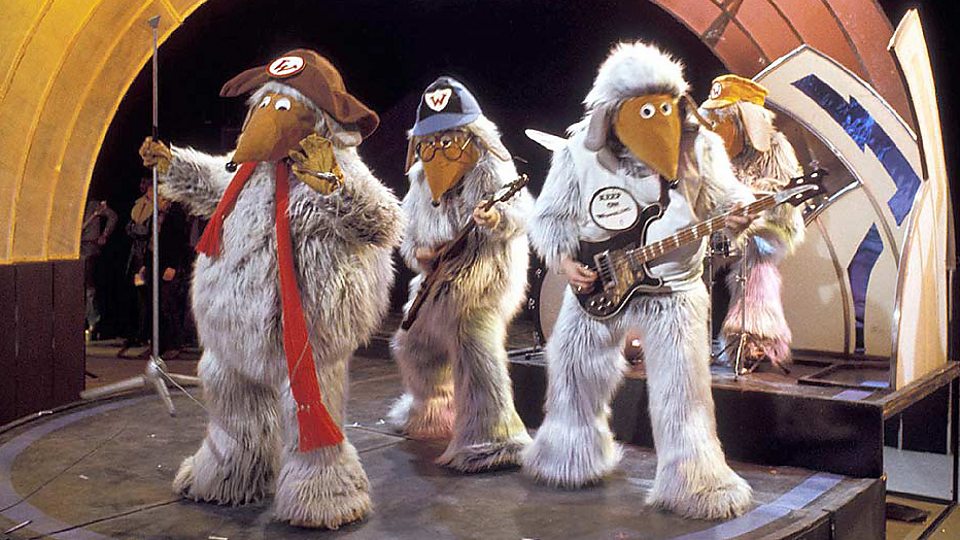
Speaking of the Wimbledon Common favourites, they’re not entirely absent from the set. Three choice Wombles cuts (all amongst Batt’s favourites) are present, though there’s no sign of hardy perennial Remember You’re a Womble. And while those of a certain age will wax lyrical about The Wombles oeuvre, there’s a whole generation of children who will forever associate Batt’s voice with the credits to CITV classic The Dreamstone. The beautiful theme song, Better Than a Dream, is joined here by another track from the long out-of-print soundtrack album – the triumphant Into the Sunset featuring none other than Bonnie Tyler.
There’s also room for lesser known compositions that more than hold their own with the ‘classics’. Railway Hotel, taken from the 1977 album Schizophonia and later covered by Andy Williams, is a subtle gem, whilst 1982’s synth-pop ditty Love Makes You Crazy is the polar opposite: an absolute sledgehammer of dystopian concepts with an insanely catchy melody that feels like it could’ve been a huge hit for Gary Numan, Phil Oakey or David Bowie at the time.
Then there’s the lilting Waiting for a Wave – a soothing composition from 1980’s Waves album – and the sprawling nine minute prog-rock epic Six Days in Berlin (Part One), recorded at the legendary Hansa Studios. There’s also moments where you can really appreciate Batt’s skill as a composer of extended suites, such as 1977’s The Fires of Rabat, 1979’s Tarota or 1998’s Aspidistra Suite (2nd Movement). There’s probably an alternate universe where he’s a mainstay of Hollywood film scores like Hans Zimmer or Danny Elfman have become, and I’d love to know what we’re missing out on from that timeline.
It’s not all perfect. Roger Chapman, of progressive rock band Family, features on two tracks, and has a love-it-or-loathe-it vibrato delivery that takes a bit of getting used to. His unusual style isn’t really to my liking, almost spoiling the otherwise fun symphonic rock-number Imbecile, but is far better suited to the soft rock ballad Run Like the Wind. And there’s a couple of tracks here and that I’d have happily traded for a couple of other Batt compositions which didn’t make the cut, such as the sublime but rarely heard B-side, Children of the Storm, which is languishing in digital purgatory, having never been reissued on CD or download.
But these are minor quibbles. What we’ve got here is not meant to be a complete collection of Batt’s long and varied career – indeed, even the enormous sixteen-disc Music Cube collection in 2009 couldn’t fit everything in. Yes, there are some who will bemoan the lack of some of The Wombles biggest hits, or even the frankly bonkers Dreamstone track The Urpney Song featuring vocals from the unlikely trio of Ozzy Osbourne, Billy Connolly & Frank Bruno.
What we have instead is a carefully crafted collection of, frankly, the more serious side of Batt’s illustrious career: one that places him rightfully as one of Britain’s finest composers of the last 50 years, from sumptuous orchestral scores to enormous pop hits. And with a title like The Penultimate Collection, it also illustrates that he’s not finished adding to his legacy just yet.
Track Listing
Disc 1
Disc 2
Toyah Willcox has been a household name since her eponymous band burst onto the UK pop charts in the early 1980s. Juggling her musical career with high profile work as an actress on stage and screen, and a string of television presenting work was both a blessing for her career longevity and a poisoned chalice when it came to her enduring legacy as an artist in her own right.
The release of Solo – the first ever Toyah boxset – is the first step for Willcox and her faithful master of the archives Craig Astley in a bid to right those wrongs.
Compiling most – but crucially not all – of Toyah’s solo albums released since the Toyah band broke up in 1984, alongside a collection of rare and unreleased material, plus a bonus DVD, the release starts a dedicated reissue campaign which continues with standalone coloured vinyl pressings of almost every studio album in the set in March, bringing most of them back into print for the first time in over a decade.

First up is 1985’s Minx – Toyah’s solo debut and her only recording for CBS/Epic Records. The Toyah band had burned brightly since 1978, with multiple top ten hits and the Anthem album narrowly missing out on topping the UK Album Charts in 1981. Yet, by 1983 the general public appeared to be moving on, and singles from that year’s Love is the Law failed to crack the Top 20. By 1984, Toyah’s primary songwriting partner and band mainstay Joel Bogen had decided to call time on his work with the band, and Willcox began searching for a new contract, very much as a solo artist.
Enter new CBS subsidiary label Portrait. The 26 year old hit maker was a high-profile signing for the fledgling label, and they set about promising larger budgets than Willcox had ever had before for her elaborate ideas. But while the album boasted stunning cover photography from Terence Donovan, Toyah’s own songwriting was relegated to only 50% of the track listing. A push from the label to crack the elusive US market lead to an enforced songwriting team structure to proceedings, with a couple of carefully chosen cover versions selected to make up the rest of the material to gain maximum airplay possibilities.
Whilst it’s safe to say that Minx hasn’t dated as well as Toyah’s previous records, the album still contains some magnificent moments – from the haunting string & vocal only take on Rare Bird’s Sympathy, to the high-NRG hysteria of the final Willcox/Bogen composition, All In A Rage.
Yet, with a glossy production sheen, the album was absolutely not what the Toyah faithful had in mind. Initial single Don’t Fall in Love (I Said) stalled in the lower reaches of the top thirty, and subsequent singles missed the Top 40 altogether. Having completely failed to both crack Toyah in the US, or indeed sign any other major name artists, Portrait folded shortly afterwards – leaving the album out of print until a reissue in 2005. Sadly, this was to be a situation that Toyah would find herself in again throughout the following years, thanks to her subsequent signing with EG Records – a company who infamously lost millions of artist royalties in the early 1990s (including those of Toyah’s husband, Robert Fripp), prompting high profile legal battles that kept most of this material out of print until well into the new millennium.

The EG years began with 1987’s Desire – here getting its first ever CD reissue, though a limited red vinyl pressing was released on Record Store Day a few years ago should you wish to complement those new vinyl reissues. The album itself didn’t chart in the UK, though lead single Echo Beach (a cover of the Martha and the Muffins track that’s arguably superior to the original) did manage to scrape to #54 that year.
Unfairly ignored due to its relative obscurity, Desire is a better album than its predecessor – perhaps because it’s a little bit more certain of what it wants to be. Songs like Moonlight Dancing and The View feel like a continuation of the sound that the Toyah band was developing on Love is the Law, and while it is just as rooted in the production of the period as Minx was (check out those snare drums on When a Woman Cries), the album does contain some of Toyah’s most heartfelt material, and a nice guest slot for Ronnie Wood too.
Then again, like Minx before it, the record has compromises. EG insisted Toyah cover the Donna Summer song Love’s Unkind – and while as a listener there’s lots to enjoy in this summery take on the song, Willcox absolutely detested it and only recorded the track under protest because the very existence of the album was under threat if she didn’t concede. Frankly, we’re very lucky the song hasn’t faced the same fate as David Bowie’s Too Dizzy from Never Let Me Down, and been removed from the track listing altogether!
With the commercial failure of Desire bringing to an end Toyah’s commercial period, Willcox was left feeling she had become – in her own words – “staid and predictable”. Angry at the way her marriage to Robert Fripp had highlighted blatant sexism within the music industry, Wilcox poured all her fury into an aggressively creative period and one of her boldest projects to date.

Prostitute was an experimental record made entirely out of samples, live drums from Steve Syldnick, minimal instrumentation from Toyah, and her unmistakable vocal delivery. Much like Bowie’s 1.Outside would seven years later, the album features Willcox utilising effects to distort her voice into different characters, and layering up soundscapes over which she half-speaks/half-sings cryptic poetry and crude aggression.
Perhaps because it sounds like nothing else before or since, it’s barely aged a day, whilst the raw issues at its fast beating heart make it a vital recording not just of Willcox’s career, but of the 1980s. That it’s been unavailable since a very limited print run in 2003 is a crying shame, and one hopes that the highlights of this bold and fascinating record will finally reach a wider audience this time around.
Sadly, while Billboard Magazine in America joined the hype around the album, stating it was “the dawning of a new era” for Willcox, and it went on to be cited by feminist theorists for years to come, the album again did not chart, and Toyah went back to the drawing board.

1991’s Ophelia’s Shadow was actually one of two albums released by the group line up of Willcox, Fripp, Trey Gunn and Paul Beavis: the other being the same year’s Kneeling at the Shrine credited to the band Sunday All Over The World and therefore sadly not part of this current batch of reissues.
A gentler affair than its predecessor – the album’s less abrasive, brooding heart has an ambient core to its sonic canvas that calls forwards to latter day Kate Bush. Indeed, my first reaction upon hearing 2005’s much acclaimed Aerial album by the latter artists was that it was just the softer bits of Ophelia’s Shadow with slightly less interesting tunes!
Not that there isn’t a spike here… The Shamen Says may be haunting and atmospheric, but then there’s the discordant drive of Prospect. There’s a song called Ghost Light which has long been rumoured to have been inspired by the Doctor Who story of the same name. And though we’ve heard his name uttered before in regards to Ms Willcox, with Lords of the Never Known, Toyah doesn’t just showcase how much of an influence David Bowie was on her work, but also seems to predate the jazz-tinged art-rock of some of his later works like Bring Me The Disco King or Sue (Or In a Season of Crime).
With EG Records collapsing inwards, Toyah suddenly found herself without a record label. Undeterred, she went off to Berlin to record with progressive jazz-rock band Kiss of Reality (these songs are included as bonus tracks in the box set), then setting about recording ambient tribal demos with dance musician Phil Nicholas. Yes – once again heading into dance territory before a certain Thin White Duke.
During this period, she also began revisiting her back catalogue, reconstructing some of the songs she’d recorded with the Toyah band in an early ’90s alt-rock style with her new live band Friday Forever. A fusing of these various projects resulted in the album Take the Leap.

In the UK, the album was initially released as Leap! – a cassette only set which was sold exclusively on tour. Plans for a commercial release on CD stalled, except for in Japan, and it took until 2006 for the rest of the world to get hold of a copy, and another 8 years before it was released digitally.
Which, of course, is a huge shame, because the album has some energetic new material – the raucous rocker Lust for Love is a highlight of the period, and Winter in Wonderland is a timeless ballad which still sounds fresh. It’s true that the new recordings of the catalogue tracks all pale in comparison to their originals, but as a time capsule of how they were performed live in 1994, they’re a solid record of times long since past.
Throughout the rest of the ’90s, Toyah released three more studio albums, though all of them are conspicuously absent from the Solo box set and the vinyl reissue series.
1994’s Dreamchild was a dance-orientated piece led by producer Mike Bennett which was later reissued under the name Pheonix (with an additional track). Given it was last given a reissue by Cherry Red in 2010 which may be where the rights to these recordings currently lie, this doesn’t feel like a huge shame: Toyah’s writing credits for the album were minimal and it’s easy to skip this one as a curious side-line collaboration.
The following year saw the release of two albums of reconstituted classics. Looking Back featured twelve new reworkings of (mostly) Safari-era material – and eight of these (arguably the best eight) do make it into the Solo set, with five of the eight joining the Take the Leap vinyl release to make up Side Four.
Completely absent from the current campaign however, is The Acoustic Album – a mostly sublime piece which featured 15 guitar or piano reworkings and strings from the Royal Philharmonic Orchestra. Again, it may b e that the rights to this one are more complex, given it was given a belated digital release with new artwork a few years ago. However, given Toyah’s previously stated that the strings version of It’s A Mystery from this record should be played at her funeral it feels an odd omission and one can only hope that a future release will finally bring this record to vinyl.

Then in 2002, a full eight years since her last new compositions and seven since her last recordings, Toyah returned with the Little Tears of Love EP – initially sold exclusively on tour. Three of its four tracks received a commercial release alongside three new songs the following year via the Velvet Lined Shell mini-album.
Both projects were collaborations with songwriter Tim Elsenberg, and the band formed for the recording continued working together as Sweet Billy Pilgrim, who have gained a cult following in their own right since. The only song on Little Tears of Love which is not on Velvet Lined Shell was Experience – a track which Sweet Billy Pilgrim later recorded in their own right.
While it’s included in the Solo set, it’s sadly not been squeezed onto the Velvet Lined Shell vinyl. Given this one was made a 10″ record instead of a 12″ like the rest of the reissues, perhaps they felt that space was at a premium, but I’d have definitely preferred to get another 12″ if it meant we could have had this song included – perhaps alongside the bafflingly brilliant Killing Made Easy track made in collaboration with Family Of Noise in the same period. Experience is one of Toyah’s finest moments vocally, and the track is a firm favourite for Toyah’s devoted fanbase.
But then, you could say the same about all six tracks that do appear on this record. Arguably her most radio-friendly work since her chart-bothering hits in the early 1980s, at the time of release comparisons were made to Garbage, Tori Amos and the new wave of alt.rock bands who had risen up in the late ’90s. Willcox is on fire here – from the swagger of Every Scar Has a Silver Lining and Troublesome Thing to the haunting love song Mother, and the feelgood vibes of You’re a Miracle, this six song set is possibly her finest artistic statement since Joel Bogen departed and it’s a joy to finally have a vinyl version on the way 17 years late.
Sadly, the record was – like everything else in this collection, mostly ignored. Indeed, upon release Toyah didn’t tour with the band to raise its profile and shill some more copies, but instead ended up making an ill-fated appearance on I’m a Celebrity instead, with the mini-album sinking without trace!
But while Willcox has continued to battle her mainstream work as a presenter with her commitment to her music, she has continued to experiment in the years since. A selection of seven additional songs (mostly collaborations) recorded between 2004 and 2019 round out the Solo set, but the story doesn’t end there.
2008 saw the release of the sublime In the Court of the Crimson Queen album, reuniting Toyah with Simon Darlow who had been part of the final Toyah band line up and was part of the songwriting team on Minx all those years earlier. The album was reworked in 2019 with new production, new instrumentation and an alternate tracklisting, and released for Record Store Day on purple vinyl, with an expanded CD version coming a few weeks later. This new version has superseded the original on all platforms, so hang on to your original CD pressings if you want to hear how it was first intended, but both are worth owning if you can!
Between these two versions of Crimson Queen, Toyah released three albums as part of The Humans – a minimalist collaboration with REM drummer Bill Rieflin and her regular live guitarist Chris Wong. Wong was also a part of another project – This Fragile Moment – who released a self-titled ambient record in 2010. And with Willcox still bouncing up and down the country as a regular on the live circuit, it’s safe to say that there’s much more to come from Toyah yet.
So while the Solo set pulls together most – if not all – of her work since 1985, this is a fine time to look back at the career of an underrated artist who has fought against compromise time and time again, and ultimately won out with her own singular vision.
Given how long it’s been since most of this material has been available, this set – and particularly the vinyl reissues – are a long time coming. And best of all, Toyah has teased that this is only the beginning… could a set of 1978-1983 reissues be next? Or a brand new album? Or both?
Either way, my wallet is going to feel the strain, but my ears are going to have the BEST TIME.
SOURCE: We Are Cult
It’s 1996, and the United Kingdom is celebrating what will quite probably be its final hurrah as the epicentre of pop culture. Cool Britannia is in full swing, with Britpop, Trainspotting and the Spice Girls making enormous waves all over the world. The Tory government, led by an increasingly disheartened John Major, is falling apart, and soon New Labour will come along and sweep up the nation into a fever pitch.
And something very weird is happening in our pop charts. Always an eclectic of popular music styles, there’s suddenly a resurgence in kooky, quirky music that had arguably taken a back seat since the summer of love had come to an end. And much like the mid-1960s, at the epicentre of this is a quartet from Liverpool, who are making strange music about losers and weirdos that’s shifting huge volumes.
Whilst they were never destined to have the chart longevity of that other fab four, Space nevertheless had a reasonable run of Top 40 success, before becoming victims of circumstance. Now, a new Anthology box-set is on the market courtesy of Edsel, collecting up most of the tracks released during their initial run, as well as the first products of their revival in the last decade.

Formed in 1993 by singer-guitarist Tommy Scott, singer and bassist Jamie Murphy, and drummer Andy Parle, the band’s debut 12” single, If It’s Real?, was a sharp number that owed a debt to The B-52’s and The Cramps, with its punky riff and almost yelled lead vocals.
Their debut album, Spiders, added a key element to the group’s sound in the shape of keyboardist Franny Griffiths. Influenced by dance music – particularly electronica – Griffiths heled the band fuse of disparate elements together, bringing in samples and synthesised filmic string arrangements to create a signature Space sound. In Scott and Murphy, the band had two alternating lead vocalists and principal songwriters, though it would be Scott’s songs that would be pushed to the forefront as singles.
And whilst their second and third singles stalled, the fourth was set to become an anthem worldwide. Recorded in tribute to Scott’s father, Female of the Species was an immediate hit, and helped push the album to sell a whopping 800,000 copies within two years.
Suddenly, the band were big news, with hit after hit under their belt. Me & You vs the World was a tale of two star-struck lovers who die in a bungled robbery; Dark Clouds dreamt of a holiday far away from a terrible life, and Neighbourhood spoke of weird and wonderful individuals who would band together to fight the threat of demolition. Space’s world was a bizarre place, with songs about serial killers and psychopaths, but it was always welcoming, with an arch wink to its audience and an appreciation for, as Lydia Deetz once put it, the “strange and unusual”.
With Parle bowing out, Space recruited multi-instrumentalist Yorkie, and drummer Leon Caffrey to record their follow up. Tin Planet became another sizable hit, with its first two singles threatening the higher reaches of the charts. Avenging Angels and The Ballad of Tom Jones cemented the band’s place in the mainstream, and the latter brought them to the attention of its namesake. Jones had joined the same label as the band (Gut Records), and asked them to join him on his covers album Reload. More high-profile guest slots followed, and the band’s cover of We’ve Gotta Get Out Of This Place became the theme to a high profile car ad for good measure. By the summer of 1999, they’d well and truly joined the big league.
But by the time their third album came along, Space’s relationship with Gut Records was strained. The band had chosen musician Edwyn Collins to produce their third album, Love You More than Football, but the label didn’t like the results. Struggling to cope with the cost of promoting Tom Jones’ Reload record, the label’s promotion of Space’s first single in 18 months, Diary of a Wimp, was lacklustre and the track failed to crack the top 40. After an argument, the label shelved the band’s new record, and whilst bootleg copies have been circulating for years, the Anthology box-set is the first time the whole album (augmented with a couple of B-sides) has ever been released in its entirety.
Frustrated by the situation, Jamie Murphy quit. The remaining members pushed onwards, self-releasing the single Zombies in 2002, as well as a series of free downloads through their website (all of which make their commercial CD debut here, too). In 2004, they released a new album, Suburban Rock ‘N’ Roll, which was arguably their strongest set yet. But without a major label behind them, the album and its singles failed to find an audience, and Space called it a day the following year.
Following the sudden death of original drummer Andy Parle, the band decided to get back together for a one-off gig in their home town of Liverpool. Tommy Scott, Jamie Murphy and Franny Griffiths were joined by members of Tommy’s new band The Drellas – Phil Hartley, Allan Jones and Ryan Clarke – and it’s this line-up, minus Murphy, who went on to record the band’s fifth album – and first in a decade.
2014’s Attack of the Mutant 50ft Kebab was strongly influenced by the psychobilly tinged punk sound of The Drellas, and now Space were comfortable with the fact that they’d never really trouble the charts again, they produced a strong set of horror/sci-fi tinged numbers that would reignite their cult following. Clarke would bow out of the group shortly after the album’s initial tour wrapped up, leaving Scott, Griffiths, Hartley and Jones to keep the flame alive ever since.

And so we come to this Anthology box-set, which begins with 1993’s If It’s Real single, and runs to 2016’s single Strange World across six CDs. It’s a far from complete overview of the band’s oeuvre: with 14 b-sides from the Gut era missing. Also absent are 2014 b-side The Devil’s at the Party, and The Shit You Talk is Beautiful: a Gut era track which remained unreleased until various compilations were peddled out in the mid-00s without the band’s input.
There’s also no sign of the band’s title track to the 1998 Hollywood blockbuster (and box office bomb) Lost in Space, their duet with Tom Jones (Sunny Afternoon), or their contributions to Noel Coward and Bee Gees tribute albums from the same year. There’s also no sign of any of their remixes, which in many cases were produced by the band themselves, and reflect the more electronic side of their output.
And the band’s most recent work is also absent: 2016 single Blow Up Doll (and its’ vinyl-only B-sides), 2017 single Dangerous Day, and 2018 studio album Give Me Your Future could all have been on a seventh disc. In fact, the end result is that 36 studio recordings and dozens of remixes are missing, and frustratingly, all but the first two CDS in the box had plenty of space left over to include them and make this set truly definitive.
On the positive side, Love You More than Football finally gets an official release here and several tracks have never had commercial CD releases either. So while it could have been better, in the end, this box-set gives you five studio albums, plus 31 bonus recordings, for under £20.
And if you’ve only ever heard the handful of top ten hits from over two decades ago, you’re in for an absolute treat, with the lesser known later albums more than living up to the mega-selling 90s records. And if you were a massive fan 20 years ago, but haven’t checked in with them since, allow me to quote one of their more recent songs – listening to this box-set will be like “falling in love all over again”. Dive in.
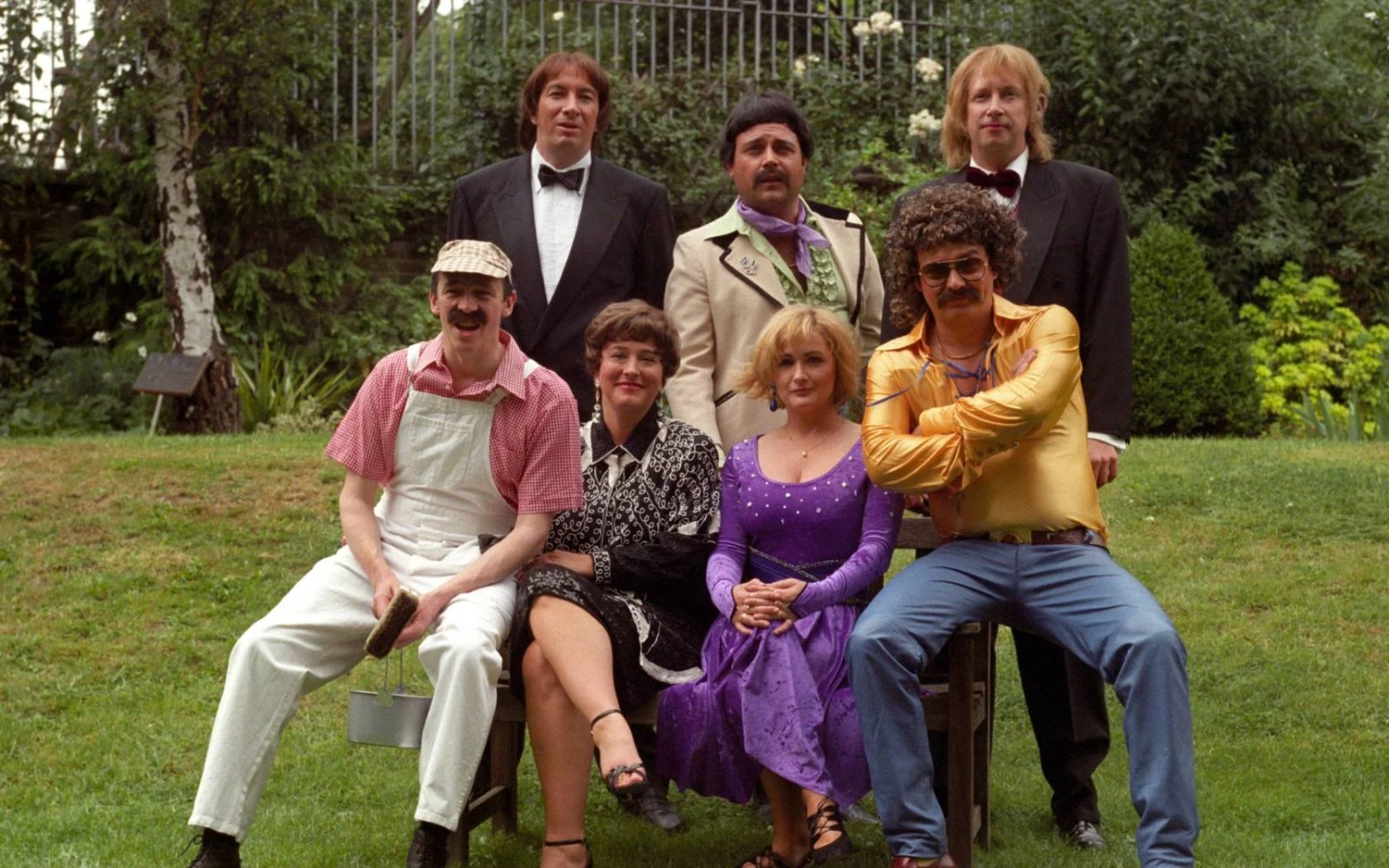
SOURCE: We Are Cult
It began, confusingly, with an American newsreader telling the audience his name, before immediately jump cutting to a rapid montage of unfamiliar characters, before Harry Enfield’s mate Paul Whitehouse appeared on screen in a bright yellow suit, florid purple shirt and terrible toupee, crooning Englebert Humperdink’s gawd-awful chart topper Release Me. Moments later, two chubby guys in preposterous amounts of padding are playing out a parody of The Bill in which every copper on the beat is enormously overweight and constantly looking for food.
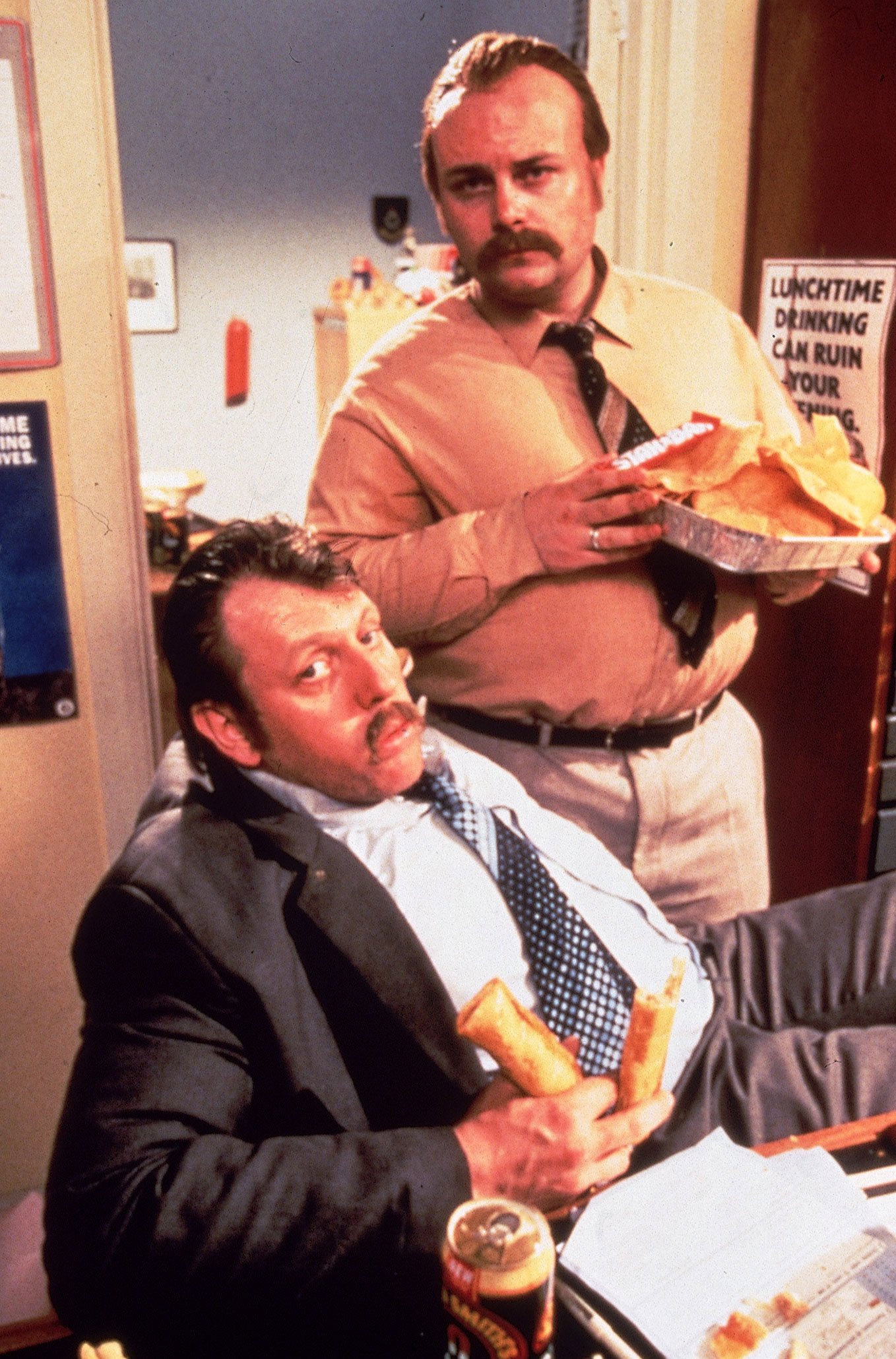
Not the most auspicious of starts, it has to be said, but nevertheless, this is how The Fast Show burst onto our screens on 27th September 1994. And it’s hard to explain, 25 years later, how different this show felt at the time. Sketches could last as little as ten seconds, getting straight to the point that most other shows took minutes to reach – the all-important catch-phrase. This was a show that broke down what was expected of sketch comedy, truly living up to its title by rarely letting a skit outstay its welcome.
And perhaps the cleverest part of this philosophy was that it allowed the sketches that did warrant extra time the chance to breathe, and still keep the hit-rate sky high. If something didn’t work for you, there was almost certainly something else coming along in under a minute that’d make you chuckle.
From “Unlucky” Alf, Paul Whitehouse’s lonely old pensioner with terrible bad luck, to Swiss Toni, Charlie Higson’s acutely observed car salesman who can make anything a simile for making love to a beautiful woman, the series knew how to harness a trope to create recurring comedy gold.

The punchlines may often be the same, but the glory of The Fast Show was often how cleverly they got there. Watch any Roy and Renee sketch, in which John Thomson and Caroline Aherne play a henpecked husband and an overbearing wife, and tell me honestly it’s not a joy to discover how Renee is going to be offended by her husband’s casual honesty this week.
It didn’t even matter that some of these characters don’t even have names – Arabella Weir made the catchphrase “Does my bum look big in this?” into such an oft-repeated phrase that it’s now entered the everyday lexicon and a lot of people probably have no idea where it came from anymore, like some mythical comedic folklore. Similarly, Mark Williams’ humble cry of “I’ll get me coat” has become the go-to phrase to get out of an awkward situation, and his beautifully downplayed “Which was nice” has probably invaded middle class life in ways the show could never have perceived when it mocked them so beautifully.
And sometimes, it’s those perfect observations that work best. A criminally underrated character is Simon Day’s Competitive Dad – a man with two children who likes nothing more than to prove to them, above all else, that he’s a winner. If that character had come along in the days of Vine, Simon would probably be a millionaire by default, because it so brilliantly summarises toxic masculinity before the phrase toxic masculinity was on anyone’s lips. So too, did Simon and Lindsey – two laddish losers who keep failing spectacularly in their off-road adventures, and Arabella Weir’s recurring sketch as the woman who men can’t hear, repeatedly pointing out the right answer and being ignored only for a man to come along and tell everyone the exact same thing.

Also of note, are Higson’s office clown Colin Hunt (we’ve all known a Colin at some point in our lives), Caroline Aherne knocking it out the park as Rochdale teenage mum Janine Carr, Weir’s pushy cosmetics saleswoman with a bright orange face and a penchant for insulting people needlessly, and the frankly sublime series of Mediterranean TV inserts from the bonkers Channel 9.
Then, of course, there’s Ted and Ralph – which almost feels like it’s being beamed in from another show altogether. Written by the team behind Father Ted, the recurring sketch is, unusually for The Fast Show, a continuing narrative, telling the story of a seemingly unrequited love story between a rich landowner and his farmhand, both beautifully underplayed by Higson & Whitehouse to such great effect, that they even wound up with a spin-off special, and their will they/won’t they love affair was miles ahead of its time in that it was never, ever mocked by the show in an era where homosexuality was still not accepted in the mainstream.
At the other end of the scale, when The Fast Show got silly, it got really, really silly. Whitehouse’s ramblings as Rowley Birkin QC, Higson’s delightful mania as painter Johnny Nice, and any time Mark Williams ever brings out his confused country bumpkin – I don’t think I’ve ever laughed as hard in my life as I did at the unexpected cry of “What about centipedes, from an angry place?”

Yes, some of The Fast Show has dated badly. Yet alongside The Smell of Reeves and Mortimer, which began the previous year, and The Day Today which had aired back in January of 1994, the series demonstrated that this new breed of comedic talent was taking the template laid out by their predecessors, pulling it apart and sticking it back together again in new, innovative ways.
25 years later the team are household names, with an enormous legacy of work behind them. The series also gave a platform to other comic talents, like Rhys Thomas (later to create Bellamy’s People and Brian Pern), Tony Way (who is rivalling Paul Putner & Kevin Eldon for the title of ‘Most Comedy Shows Cast In’), and the brilliant and sorely missed Felix Dexter.
Not only that, but the show inspired the next generation of talent too. Would we have had the likes of Big Train, and then, by proxy, Spaced (which recently turned 20, no less), without these shows five years earlier? Or the much loved Goodness Gracious Me? The divisive Little Britain? The cult favourites Cardinal Burns, Smack the Pony, or That Mitchell and Webb Look? Quite probably – The Fast Show didn’t invent madcap sketch shows after all – but it’s fair to say that the shows would be rather different because by the time the show ceased regular production in 1999, The Fast Show was fused into alternative comedy’s DNA.
To see it turn 25 is a frightening thought. What once was new and innovative is now celebrating its silver anniversary. That feeling won’t be going away any time soon, either… Fist of Fun, The High Life and Father Ted turn 25 next year, and both Jam and Black Books will be 20, while the mighty Vic Reeves Big Night Out turns 30, for good measure. That we’re still returning to these shows all these years later is a testament to the impact they had on our lives, and that they still (mostly) feel fresh is a solid indicator of just how much what they gave us has resonated through everything we’ve had since.
Now then… does anyone fancy a pint?
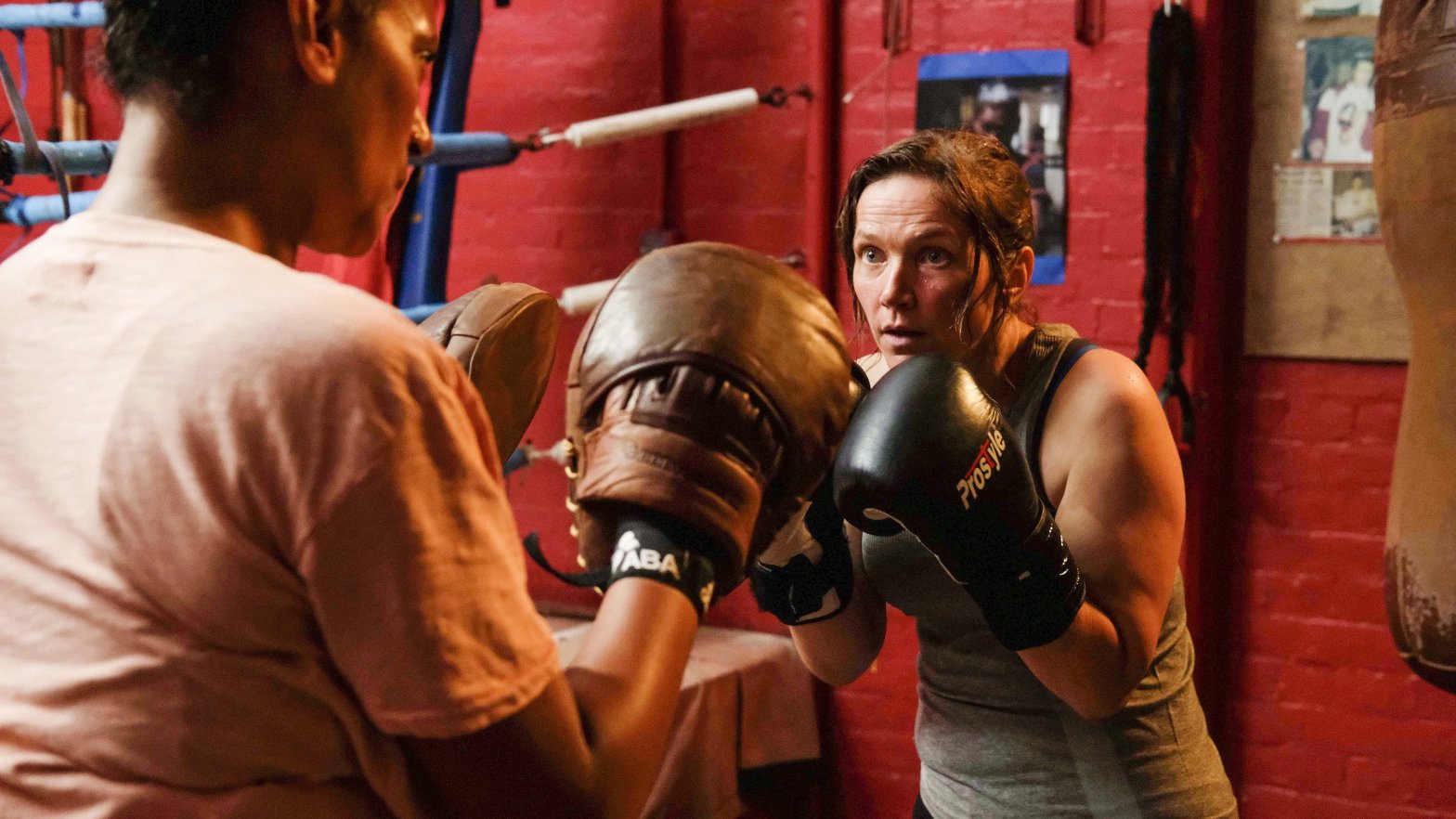
SOURCE: We Are Cult
The very notion of Jessica Hynes writing and directing her own feature film feels long overdue. To paraphrase an old script of hers, every time the actress has written for television, the results have been a slice of fried gold.
And yet the announcement of The Fight felt rather subdued. It’s hard to get excited over a film about boxing, and the initial plot outline of a put-upon mother who learns how to fight for herself could so easily have been a throwback to those ten-a-penny low budget British ‘comedy’ films that came out around the turn of the century. It’d have been so easy to make a rags to riches tale complete with a training montage set to the latest forgettable pop hit that’d inevitably date the film on subsequent viewings.
Of course, Jessica Hynes isn’t here to make another bad British movie. Instead, she’s carved out a thoughtful, three dimensional character study that doesn’t pretend to have all the answers, yet isn’t afraid – no pun intended – to throw some heavy punches.
It’s hard to say much about the plot without giving half the game away, but Hynes plays Tina, a care-home nurse by day, and a struggling mum to three children the rest of the time. Her husband, Mick (played by the ever wonderful Shaun Parkes) works night-shifts and so, apart from a brief bit of ‘family time’, never really gets to see her.
While Tina struggles with finding her place in life, Mick has accepted his lot, and is one of the few people in her life who seems to have found a degree of happiness. The same cannot be said for Tina’s parents, Gene and Frank – who, in pitch perfect turn from veterans Anita Dobson and Christopher Fairbank, are falling apart, unable to communicate with one another and prone to lashing out in frustration.
As for Tina & Mick’s children, The Girl With all the Gifts star Sennia Nanua plays their eldest child, Emma, and fresh from lighting up the screen as an infected plague carrier in a post-apocalyptic landscape, she’s especially good at portraying a young girl feeling lost in the enclosed environment of high school. School bullies make her feel unwelcome at every turn, and in an unfortunate twist of fate, the girl leading the pack not only happens to be the daughter of a woman Tina knew growing up, but has convinced her own mother that it’s Emma who’s doing the bullying, which sets up for an inevitable showdown between the two old enemies.
This is the point where those lesser films would fall into stereotypes, quickfire gags and a heartwarming, feelgood ending that’s the movie equivalent of bingeing an entire box of Milk Tray in one sitting and regretting it afterwards. And here’s the thing – despite what audiences might expect, The Fight isn’t a comedy. It’s also barely got any boxing in it.

No, instead we have a film that is concerned with the notion of the battle within us all. The struggle we all face to fit in, and to be supported on our journey. Mick finds happiness in his family, but everyone else is in the middle of a world falling apart. Even Jordan, the girl who torments Emma, has chinks in her armour – with an overbearing mother (a flawless turn from Rhona Mitra) who also has problems of her own to overcome. Almost every major character in this movie is battling for their self-worth, haunted by mistakes they made, and those around them made that pushed them into the place they are today.
There are a couple of exceptions to this. Sally Philips plays a music teacher at Emma’s school, who helps her find the confidence to perform, Cathy Tyson is hardened boxing trainer Viv, and Alice Lowe has a brief cameo as a middle-class hippy home-schooling mum who uses a special pebble to indicate when it’s your turn to talk. In their own way, much like Mick, they’ve found the happiness they seek, and don’t let the past haunt them. Yet there are also moments when these characters have their happiness challenged, and they must either push away what they don’t want to think about, or use it to make themselves stronger. Everyone must find a way to feel proud, and for some that comes through ignorance. For others, it’s acceptance. And for a couple, it’s breaking the rules altogether.
And part of what makes this film so special is that Hynes has honed in on the shadows that the past leaves behind on an individual. Dysfunctional families. Abusive guardians. Childhood bullying and the notion of anger driving your actions. Hynes characters allow you to hold up a mirror to your own past, and like them, maybe find some inner peace along the way.
On top of this, the film looks and sounds beautiful. Shot by noted cinematographer Ryan Eddleston (who also worked with Alice Lowe on Prevenge), the framing is rich, and once again defies the fact that the whole film was shot in 12 days. And composer Luke Abbot has a light touch approach which never impedes on the drama, enhancing key moments with a sprinkling of electronica.
Could it be more adventurous? Perhaps. Make no bones about it: this is a small scale drama that won’t rock the boat. But sometimes the richest rewards are not laugh-a-minute gag riots, or action packed CGI extravaganzas. It’s the little things like a dad encouraging his young daughter to turn her poetry into song. It’s a woman taking her shoes off to help a young girl find her phone in a river, or a silly conversation in a front garden with the person you love the most. As Tina begins to learn, those little things can help more than a million self-help tapes. Hard lives begat hard lives, but sometimes, if you just sing to your own tune, life can be worth living.
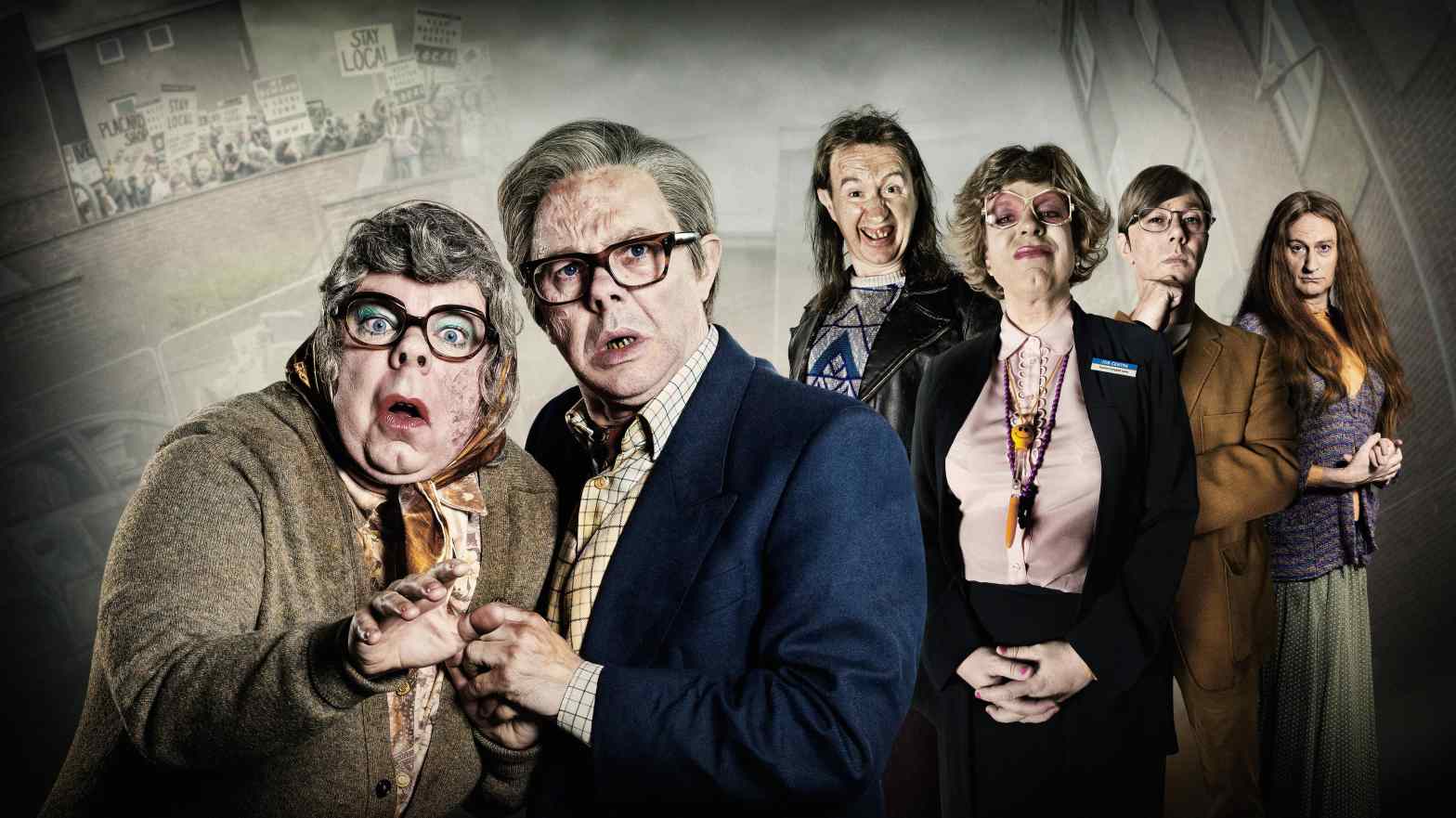
SOURCE: The Velvet Onion
There was a time when the only people in showbiz having reunions were has-been pop-stars of the kind Les McQueen would have claimed to have played rhythm guitar for (on the demo) back in 1982. Then came the big guns of music and comedy, from The Stone Roses and Led Zeppelin to Monty Python and Goodness Gracious Me.
To say every big name reunion has worked out would be a bit of a fib, and sometimes it’s been best to leave the past in the past. This feeling couldn’t help but linger in the back of our collective minds when it was announced that The League of Gentlemen would return to celebrate twenty years since both their Perrier Award winning Edinburgh show and their BBC debut with radio series On the Town with The League of Gentlemen.

After all, across three further televised series, a Christmas special, a fully fledged high-concept movie and two sell-out tours of the UK, The League of Gentlemen had blazed a bold trail. As a teenager, their work was as vital to me as pens were to Pauline Campbell-Jones. I made the pilgrimage to Hadfield, where the show was filmed, after the second series aired. I had a life-sized cardboard cut-out of Papa Lazarou, and could quote you his ad-libbed gibberish to this very day (even the deleted bits). When they filmed in my local garden centre for the third series, I was more excited than I thought it was possible to ever be about a garden centre. The League of Gentlemen was special, so much so that I made a decision over half a decade ago to stop watching it (and a handful of other shows) over and over again, and to only revisit it when it could feel fresh once more.
The news of these special episodes prompted that eventual rewatch after all these years. Admittedly, there were parts of the show which most definitely hadn’t held up as well as others, particularly some uncomfortable use of yellowface in Series Three. And there were whole scenes which were still stuck in my mind to recital level, which perhaps robbed them of their comedic joy. But it was still delightful to rediscover the series blackly comic finer points once again, but now with the knowledge that there was to be a new and hopefully fitting coda to their legacy. All four of The League had gone on to great acclaim with wonderful work such as Inside No. 9, Psychobitches and Sherlock in the years since, so surely they’d only be revisiting their old creations if there was a point to it, and not just as a cheap cash-in?
Still, there was a genuine fear that, as wonderful as the old series was, some of it was very much a product of its era and could simply be uncomfortable viewing if aired today, and that’s before we considered the possibility that – whilst their work apart in the years since has been a delight – the reunion just might not actually be that funny.
So here’s the good news: it works. Big time.

Writers and stars Mark Gatiss, Steve Pemberton and Reece Shearsmith, writer Jeremy Dyson, returning director Steve Bendelack and Inside No. 9 producer Adam Tandy have managed to not only make a successful return to Royston Vasey that feels like they’ve never been away, but also have fused that template into some insightful social commentary, and a big budget look the original series could only dream of.
To say too much would spoil half the surprises, but perhaps the cleverest stroke of these anniversary specials is to mirror the original series from the get-go, joining the story as Benjamin Denton returns to Royston Vasey for the first time since he left at the end of Series Two, in a sequence that harks back to the very beginning of Episode One right back in 1999.
And that’s not the only sweet touch throughout the new episodes, which are jam-packed with carefully placed in-jokes to please the show’s hardcore following, from the Lost & Found posters put up around town, to the latest iteration of The Full Monty spin-offs that are still going strong. There’s even a beautifully done visual reference at the climax of episode one that will surely please fans of Pemberton and Shearsmith’s post-League output that we won’t spoil – just look out for it.

Throughout the opening two episodes (the third and final part is being kept strictly under wraps until next week), there are appearances from most of Royston Vasey’s most beloved characters – including Reverend Bernice Woodall, who is the latest foul-mouthed Mayor for poor hapless Murray to keep in check; Herr Lipp back in town to, as the trailer revealed, “dig up some old friends”; and Mr Chinnery who has another couple of tragic appointments with vastly improved special effects. So far, so expected, perhaps. This could have been a pointless jaunt through the jolly old catchphrases of old, and in fairness, these sequences do play a little bit like a Greatest Hits album re-recording because the rights issues to a big hit are tied up in legal issues. Similar, but not quite the same.
Underpinning most sequences, however, are two themes that drive the episodes forward – loss, and the passage of time. The latter is obvious from the technology on display – there’s no need for Benjamin to use a payphone any more when he’s carrying his own mobile phone, whilst Tubbs has her own wonderful experience with a tefalome of her own that isn’t just a quick gag, but an ingenious way to advance the plot. Similarly, time is a respecter of change, and while we initially thought the League might shy away from including trans cab driver Barbara Tattsyrup (nee Dixon), they’ve found a way to make her work in 2017 without being too crass about it. Despite her cantankerous nature, she remains, after all, one of the nicer folk in town.
So too, do these two themes become a driving force of the main sub-plot of the series – that Royston Vasey is to be engulfed into a bigger town and thereby erased from the map, with its rows of boarded-up shops and its astonishing track record for missing persons being swallowed up and brushed aside. Whilst the concept is exaggerated for comedic effect, it nevertheless remains a genuine fear for many small communities across the UK who pride themselves on being – well, local – and you have to hand it to the League for tackling the subject in an inventive way.
But crucially these undercurrents of loss and time passing us by define the episodes in many ways, and like much of the best work that the League have done since the series originally ended, allow the comedy to shine through bittersweet situations.

Take Geoff Tipps, now working at a garden centre part-time, struggling to make ends meet, and his only friend Mike Harris, whose marriage has reached such a terrible state that he’ll consider drastic action to find peace. Or there’s Al, Richie and their long-absent Pop, who has returned after a long time to reignite old fears that had previously haunted both his two sons, and Al’s wife Patricia (a brilliant returning cameo from Carshare star Sian Gibson).
Then there’s the story of Ollie Plimsoles, former head writer/director/star of Legz Akimbo Theatre Company, who is now a teacher with his dreams of stardom now purely his dreams alone. Elsewhere, Henry & Ally, the former video-store regulars, are desperately trying to flog pirate DVDs to people half their age. And there’s a beautiful monologue from Mark Gatiss’ new character Toddy which has the hallmarks of Mark’s other Royston Vasey loners Mick McNamara, Owen Fallowfield and Les McQueen, yet still manages to do something quite moving with bingo numbers that acts as a welcome change of pace at just the right point in the middle of Episode Two.

But most especially, there’s Pauline and Mickey. It’s extremely hard to say anything about their appearances (or that of former nemesis Ross) in the new series without ruining the narrative, but what we can say is that it’s while it’s a joy to see these characters, they remain one of the emotional cores of the series and what happens to them this time around will tug at your heartstrings in ways you didn’t think possible.
Make no mistake though – these episodes are as funny as the originals, if not more so in places, from Barbara’s favourite pronoun to some sublime physical comedy from Reece Shearsmith as Geoff tries to travel stealthily. Legs Akimbo and Bernice continue to push the boundaries of good taste, The Dentons are dialing in from a weirder reality to everyone else, and Tubbs & Edward remain as deliciously and potentially murderously bonkers as ever.
And through it all the core acting trio of Shearsmith, Pemberton and Gatiss never break the precious things that made their characters so oddly lovable in the first place – they slip into them all like old outfits that still fit perfectly, and even when times have changed and the character doesn’t quite fit into our world anymore (such as the odorous Pop), in most cases they still find a way to make them work for a new generation. And even when that doesn’t quite pay off in a tiny handful of characters, they at the very least play them through their regular scenarios with such gusto that you can forgive them their folly because it’s still delightful to see them back on our screens.

What we have here is a faithful continuation of what went before – right down to minor plot points being explained (or at least explicitly referenced) – so that future fan marathons will allow these episodes to sit right alongside the original three series and that glorious Christmas special as one complete narrative cycle (The League of Gentlemen’s Apocalypse appears to remain in its own special bubble… or does it?).
Factor in a mysteriously unexplained photo booth, and the promise of yet more favourite characters returning in the third and final instalment, and it’s fair to say that these three new episodes are crammed full of special stuff and demonstrate that there’s a lot of life in Royston Vasey yet. If there’s one complaint, it’s that 90 minutes doesn’t feel long enough, so as long as The League of Gentlemen have something to say, we’ll always be willing to allow them to use Royston Vasey to say it. Let’s hope we don’t have to wait til the 30th anniversary to see them again…

 Didymus.uk